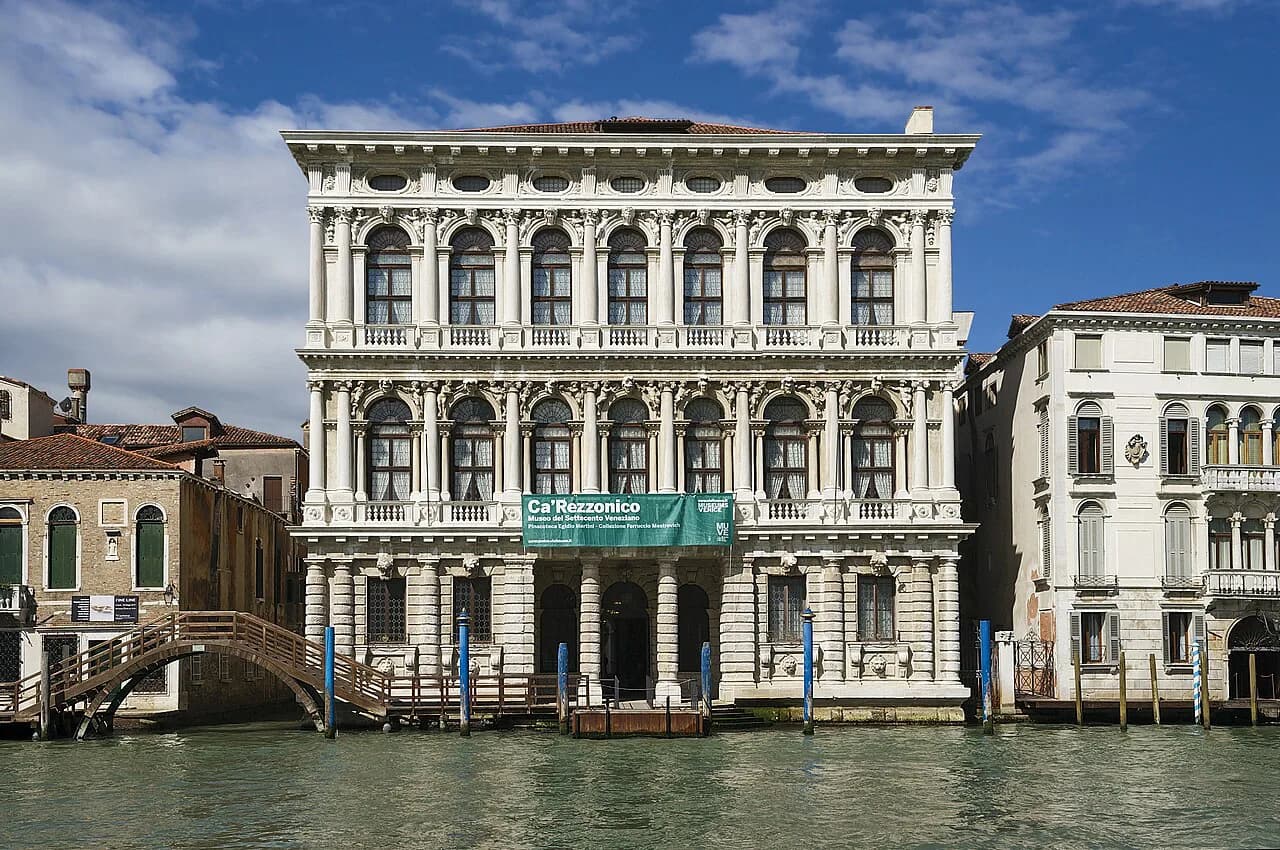
Chiesa del Purgatorio Trapani Guide: Misteri Statues & Baroque Facade
Plan a stop at Trapani's Chiesa del Purgatorio: its 1688 origins, Borrominian-inspired facade, and the eighteen Misteri groups linked to Good Friday.
On this page
Most baroque churches in western Sicily ask you to admire a facade and move on. The Chiesa del Purgatorio, also called the Church of the Holy Souls of Purgatory, offers something more specific: it is the permanent home of eighteen life-size sculptural groups and two simulacra that carry Trapani's Holy Week tradition, known as the Misteri.
Built from 1688, the church pairs a theatrical eighteenth-century front by Giovanni Biagio Amico with an interior that works as a sculpture gallery for much of the year. This guide separates the architecture from the figures, explains the wood-and-canvas technique behind them, and sets out what to check before you turn up.
Why the Chiesa del Purgatorio Matters
A short church listing might describe this as another baroque stop in the old town. In reality its identity is bound up with the Misteri, the almost life-size sculptural groups representing scenes from the Passion, kept here between processions rather than in a museum display. That makes the interior the closest thing Trapani has to a dedicated Misteri collection.
The figures are not decorative extras. Each group is tied to a class of the city, meaning the historic trades and guilds that once organised and shouldered them, including fishermen, goldsmiths and salt workers. Knowing this changes how you look at the room: you are seeing civic history stored in sculptural form, not just religious art. For wider planning, see A Self-Guided Walk Through Trapani's Historic Centre.
Quick Orientation in the Historic Centre
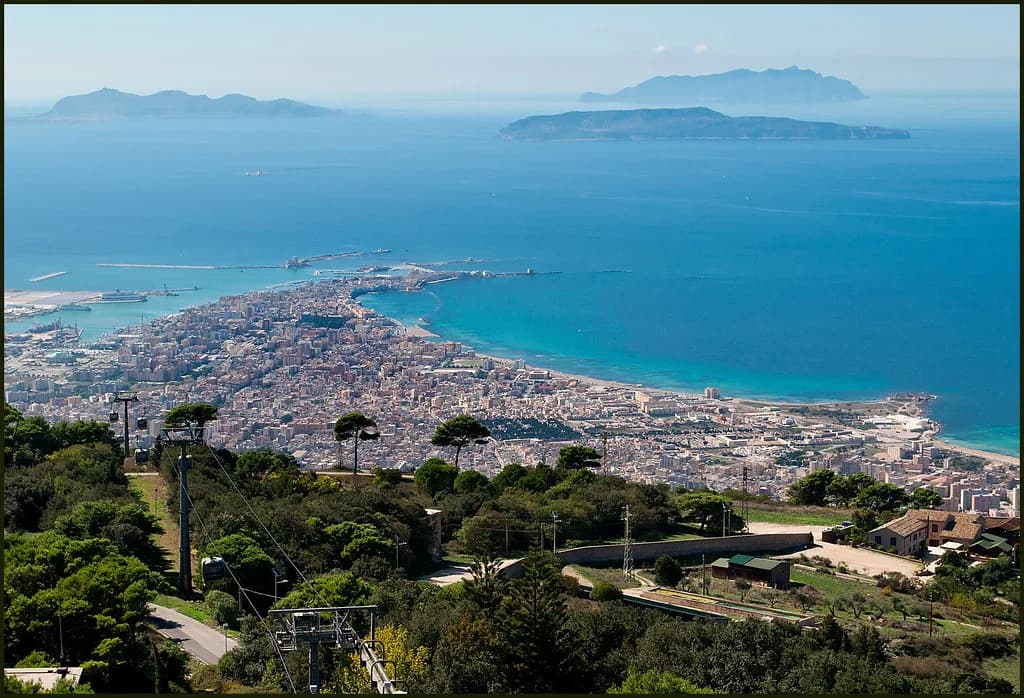
The church stands on Via Generale Domenico Giglio, in Trapani's compact historic centre, a district of narrow lanes on the sickle-shaped strip of land between two seas. Because the centre is small, the church slots naturally into a walking route rather than demanding a separate trip.
If you are building a half-day in the old town, treat the Chiesa del Purgatorio as one stop among several churches and lanes, and leave slack in the plan. Church visiting arrangements in Sicily can change with parish life, so confirm the current situation rather than assuming a fixed timetable.
Reading the Facade
The exterior is the church's most photographed feature, and for good reason. The eighteenth-century facade shows clear Borrominian inspiration, with a sense of movement and layered curves rather than a flat classical front, and it is attributed to the Trapani architect Giovanni Biagio Amico.
Look at how the composition is built up: niches, columns and statues alternate across the front, giving the facade a rhythm that rewards a slow look from the street. Step back across the lane if you can, since the detail is easier to read from a distance than from directly beneath the doorway.
Alberto Orlando's Apostle Statues
The statues in the facade niches represent the twelve apostles and are credited to Alberto Orlando. They are part of the architecture rather than a separate collection, so there is no extra ticket or gallery involved in seeing them: they belong to the street view of the church.
Photographing them is easiest in soft light, when the niches do not throw hard shadows across the figures. If the facade is your main interest, a few minutes of looking upward and sideways will tell you more than a quick snapshot from the doorway.
Inside the Misteri
The interior holds eighteen sculptural groups plus two simulacra, a figure of Jesus in the urn and Our Lady of Sorrows. The groups were made between the seventeenth and eighteenth centuries by Trapani craftsmen, and they depict scenes from the Passion drawn from the Gospels and from apocryphal texts.
Because the figures are displayed in a church rather than a museum, the setting does much of the work. Expect dim corners, painted surfaces and the scale of a sacred interior around the groups, which is quite different from viewing them under gallery lighting.
The Wood-and-Canvas Technique
The figures are made with a technique often described as wood and canvas glue, a Trapani speciality in which carved wood is combined with shaped, treated canvas. The result is a sculptural body that is lighter and more workable than solid timber, which matters when a group has to be lifted and carried through streets.
Knowing the method helps you read what you see. Look for the transition between carved elements such as hands and faces and the draped, canvas-based clothing, and notice how the almost life-size proportions are calibrated for procession rather than for a pedestal.
Who Carried the Groups
Each sculptural group is associated with a class of the city, and the trades named in the accounts include fishermen, goldsmiths and salt workers. These were real occupational communities whose identity was bound up with the responsibility for a particular scene, and the salt trade in particular shaped Trapani's economy.
That link between craft, faith and civic pride is the detail most quick church summaries leave out. It also explains why the groups are so closely tied to the city rather than to a single religious order.
Good Friday Context
On Good Friday the groups leave this church, carried on the shoulders of bearers connected to the historic classes and of devotees, and pass through the streets of the centre. The procession is described as the longest Misteri procession in Italy, and crowds gather along the route to watch it.
Treat the timing as context rather than a promise. Exact dates, start times and route details for a given year should be confirmed through the Diocese of Trapani and the Comune di Trapani before you plan travel around Holy Week.
What to Look for in Ten Minutes
If time is short, work from the outside in. On the street, take in the facade's movement, the niches and the apostle statues; at the door, adjust your eyes before examining the groups, since the interior light is lower than the piazza. Ten minutes is simply our suggestion for a brief stop, not an official tour length.
Inside, prioritise the two simulacra and a couple of groups where the wood-and-canvas construction is easiest to see. Read the scenes rather than trying to absorb all eighteen at once, because the figures reward close attention more than a sweep of the room.
Practical Planning
The church's own opening arrangements, any seasonal closures and any conditions on entry are not published in the sources consulted here, so do not turn up expecting a fixed timetable. Check the Diocese of Trapani and the Comune di Trapani for current information, and ask locally on the day if the doors are shut.
Do not assume entry is free or that a ticket applies, and do not budget for a price you have not verified. If you are travelling specifically for the Misteri, allow for the possibility that the figures are in liturgical use or the building is closed.
Pairing the Visit with Nearby Sights
The old town is easy to combine with other stops. The Cattedrale di San Lorenzo and the harbour area sit within a short walk, and the city's free sights, from lanes to waterfront views, let you balance a church visit with time outdoors. For wider planning, see Hidden Gems in Trapani.
If you have a full day, the salt flats are known for their extraction of salt from seawater, and those with an interest in fortifications can add the Bastione Conca to a walking route. Plan the church as the indoor anchor and let the rest of the day stay flexible. For wider planning, see Free Things to Do in Trapani.
Plan Your Visit
The Chiesa del Purgatorio is worth a deliberate stop because it holds Trapani's Misteri in place rather than presenting them as museum objects. Give it a short, focused visit for the facade and the sculptural groups, and treat the Good Friday procession as historical context unless you have confirmed the current year's arrangements.
Frequently Asked Questions
What is the Chiesa del Purgatorio in Trapani known for?
It is known for two things: a Borrominian-inspired eighteenth-century facade attributed to Giovanni Biagio Amico, and its role as the home of Trapani's Misteri sculptural groups. The figures are kept in the church rather than a museum, which is what makes a visit different from a standard baroque church stop.
How many Misteri groups are kept in the church?
The interior houses eighteen sculptural groups plus two simulacra, a figure of Jesus in the urn and Our Lady of Sorrows. The groups were made between the seventeenth and eighteenth centuries by Trapani craftsmen.
Who designed the facade, and who made the apostle statues?
The eighteenth-century facade is attributed to the Trapani architect Giovanni Biagio Amico and shows Borrominian inspiration. The twelve apostle statues in its niches are credited to Alberto Orlando and form part of the exterior composition.
How were the Misteri statues made?
They were made using a Trapani technique described as wood and canvas glue, combining carved wood with treated canvas. The method produced figures light enough to be carried through the streets during the procession.
Can I see the church on Good Friday?
The groups leave the church on Good Friday for a procession through the centre, but exact dates, times and route details for any given year are not fixed facts you should rely on from a general guide. Confirm current arrangements with the Diocese of Trapani and the Comune di Trapani before travelling.
Is the church free to enter, and what are the opening hours?
The sources consulted do not publish current opening hours or entry conditions, so no reliable answer can be given here. Check the Diocese of Trapani and the Comune di Trapani, or ask locally on the day, rather than assuming a timetable or a price.
Sources
Continue exploring
More guides you'll find useful