Museo Regionale Agostino Pepoli: Trapani Visitor Guide
Plan a visit to Trapani's Museo Pepoli, one of Sicily's best collections of coral craft, majolica, nativity scenes and Gagini sculpture, housed in a former convent.
On this page
The Museo Regionale Agostino Pepoli sits in a former Carmelite convent next to the Sanctuary of the Holy Annunciation in Trapani, and that setting shapes the visit as much as the objects do. If you have one free slot in the city and want to understand why Trapani was famous across Europe for its decorative arts, start here rather than with a general painting gallery. As a suggestion rather than an official timing, allow around two hours for a focused visit to the coral, decorative arts and sculpture sections.
What the Pepoli Museum Actually Is
This is a regional museum named after Count Agostino Pepoli, the patron who inaugurated it at the beginning of the twentieth century. The collections are housed in a fourteenth-century palace complex that was formerly a Carmelite convent, so the building is not a neutral white box but part of the story. Reading the museum this way helps you decide how to spend your time inside: you are walking through rooms that once served a religious community before they served visitors.
Because the museum is regional rather than private, its identity is tied to the territory around Trapani rather than to a single aristocratic collection. Expect a mix of archaeology, sculpture, painting and applied arts rather than one uninterrupted sequence, and allow yourself to move between sections instead of forcing a strict chronological route. The former convent layout means transitional spaces, cloister and staircases are part of what you are seeing.
The Coral Collection: Trapani's Signature Craft
Trapani's coral craftsmanship made the city famous across Europe from the fifteenth century, and the museum holds one of the most important collections of coral artifacts in the region. The pieces range from sacred vestments and liturgical objects to domestic items and personal ornaments, showing how a raw marine material became jewellery, devotion and export trade at once. If you are short on time, this is the section most visitors should see first, because nothing else in the city explains Trapani's economy and reputation so directly.
Look at how the coral is paired with other precious materials rather than displayed in isolation. The craftsmanship on show is about carving, mounting and finishing as much as about the material itself, which is why the collection rewards slow looking over a quick pass. Photographs rarely convey the scale of these small objects, so give the cases more time than you think they need.
Majolica, Nativity Scenes and the Decorative Arts
Beyond coral, the museum narrates Trapani's figurative and decorative traditions through majolica, nativity scene sculpture, silverware and jewellery. These are the objects that connect the museum to the city's workshops, and they are the reason a visit here feels different from a visit to a national gallery of paintings. Treat the decorative arts as the spine of your route rather than as a footnote to the sculpture.
Nativity scene sculpture in particular is a craft with strong local roots, and seeing it in a museum context helps you recognise the tradition when you encounter it elsewhere in Sicily. Majolica gives you a sense of colour and domestic taste across the centuries. If you are travelling with someone who tires of religious art, this section is often the one that holds attention, because the objects are intimate and functional as well as devotional.
Renaissance Sculpture and the Gagini Workshop
The Renaissance sculpture section is anchored by Antonello Gagini's San Giacomo Maggiore, dated 1522, whose serene and sinuous carving gives the collection its nickname of living marble. What makes the statue legible is the workshop context around it: Gagini's family and followers trained in Palermo and worked across western Sicily, so a single figure in Trapani belongs to a wider sculptural network rather than an isolated local achievement. Knowing this changes how you read the surrounding pieces.
Visitors focused on the Renaissance should come to this section second, after a quick pass through the coral rooms, and budget most of their remaining time here. The sculpture rewards attention to surface and drapery, so it works better at the end of a visit than at the start when your eyes are still adjusting. If you only have time for one statue, make it the San Giacomo Maggiore.
The Art Gallery, Archaeology and the Long View
The art gallery runs from the Middle Ages to the twentieth century and includes the fifteenth-century Polyptych of Trapani together with a San Francesco attributed to Titian. Treat the attribution as the source presents it, an attribution rather than a certainty, and let the painting stand on its own merits. The archaeological material stretches from the Paleolithic era through the Roman and Hellenistic periods to Risorgimento artifacts, which makes the museum a compressed chronology of the whole territory.
If you enjoy building a mental timeline, start with the archaeology, move through the medieval and Renaissance rooms and finish with the decorative arts as a kind of coda on the city's later trade. That route takes longer but gives the collections a shape. Visitors with a narrower interest will do better to skip the earliest rooms and concentrate on the coral and sculpture instead.
Architecture as Part of the Visit
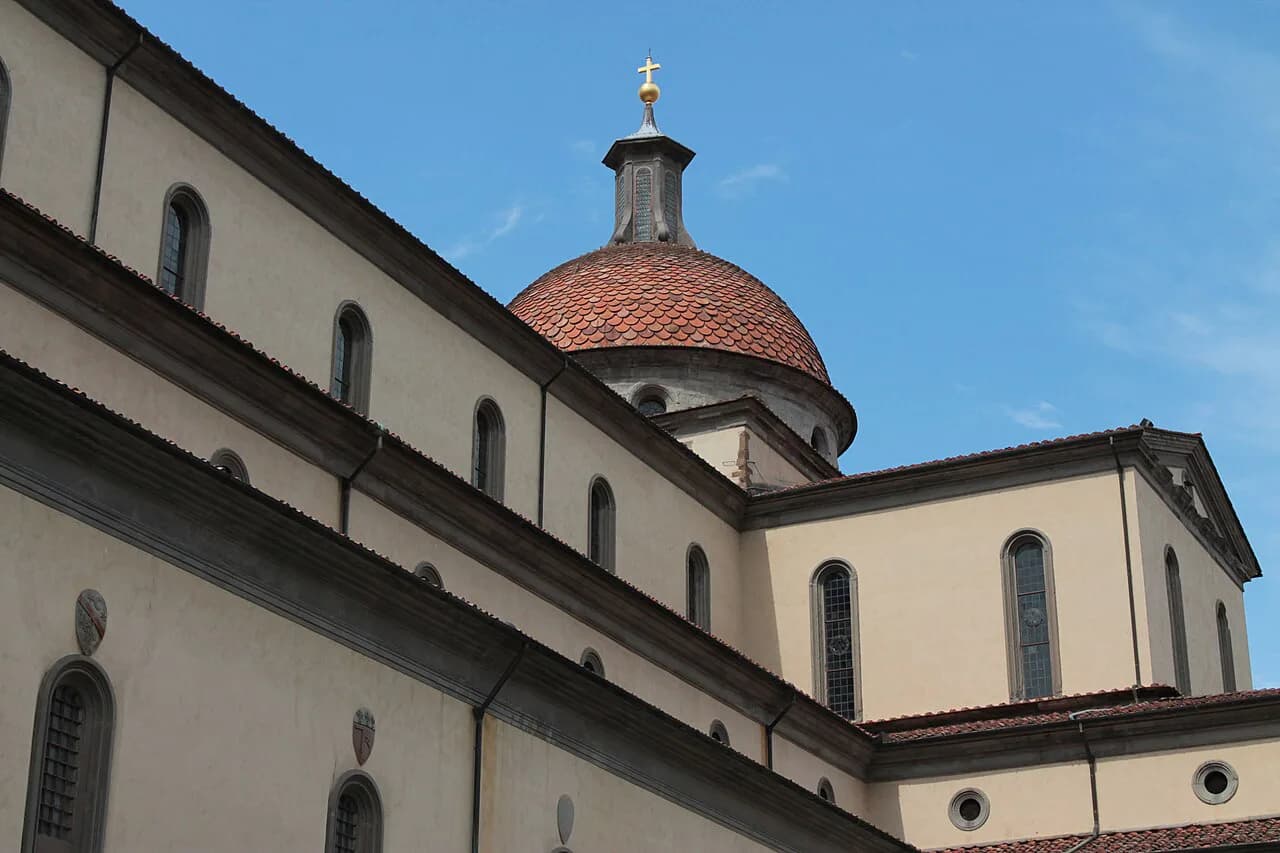
The mannerist cloister and the polychrome marble staircase are not just circulation space between galleries; they are among the reasons the building is worth entering. Slow down in these transitional areas rather than treating them as corridors. The cloister in particular gives you a sense of the former Carmelite community that occupied the site before the museum did, and it offers a natural pause between the decorative arts and the sculpture.
Because the museum occupies a converted convent, the rhythm of the rooms is irregular rather than purpose-built. That irregularity is part of the pleasure, but it also means you should keep track of where you have been so you do not miss a section. A quick look at a floor plan at the entrance, if one is available, saves backtracking later.
Practical Details: Address, Hours and Tickets
The museum is at Via Conte Agostino Pepoli 180 in Trapani, beside the Sanctuary of the Holy Annunciation. The West of Sicily tourism page lists opening hours of Tuesday to Saturday from 9:00 to 18:00 with last entry at 17:00, and Sundays and holidays from 9:00 to 13:00 with last entry at 12:00. It also lists a full ticket and a reduced ticket, and states that admission is free on the first Sunday of the month. Those figures are that page's stated details rather than a live confirmation, so check the museum and regional sites before you travel, especially around public holidays.
Official confirmation of current hours and any changes to admission is best checked through the Regione Siciliana portal, which publishes museum information alongside its other cultural heritage notices. If the regional page is unclear, contact the museum directly rather than relying on a tourism listing that may have aged. Do not build a tight schedule around a specific last-entry time until you have checked it for your own date.
The sources do not establish booking requirements, accessibility provisions or lift access, so ask the museum in advance if any of these matter to your visit. The city of Trapani's own site is also worth checking for local notices that may affect transport or access to the area around the sanctuary.
Suggested Route and How Long to Allow
As a recommendation rather than an official itinerary, allow around two hours for the coral, the decorative arts and the Gagini sculpture, and add time if you want to work through the archaeology and the gallery. Begin with the coral collection while your attention is fresh, move to the majolica and nativity scenes, then give the Renaissance sculpture the middle of your visit. Finish with the gallery and the cloister as a slower close.
Visitors with a specific research interest in painting should invert that order and head for the gallery early, accepting that the coral rooms will get a shorter pass. Anyone visiting with children may find the decorative arts and the nativity scenes easier to hold than the chronological rooms. The point is to choose a spine for the visit rather than to see everything at the same pace.
Combining the Pepoli With the Rest of Trapani
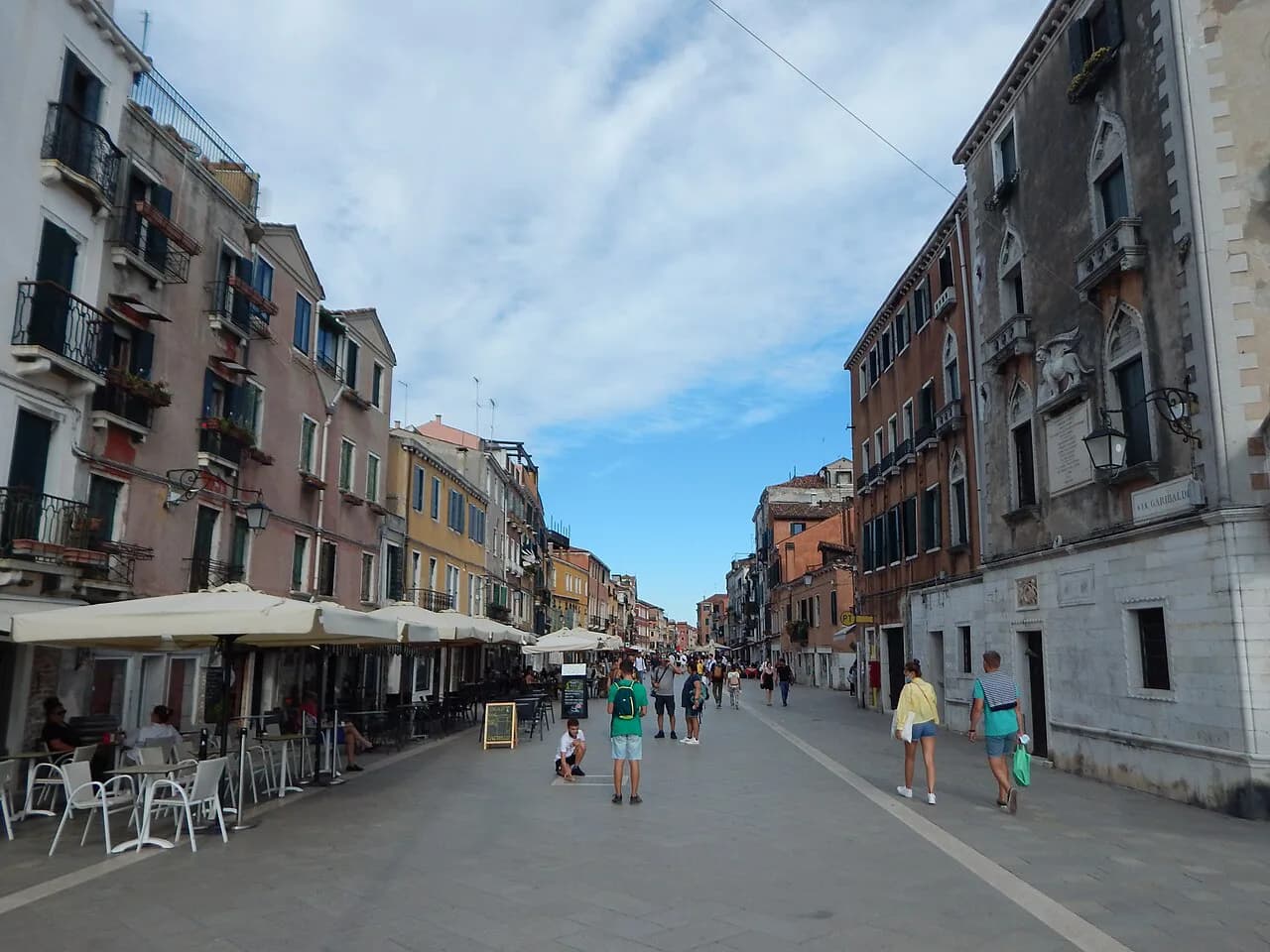
The museum sits close to the Sanctuary of the Holy Annunciation, so pairing the two makes a coherent morning without much walking between them. Keep the historic centre and Via Garibaldi for a separate half-day rather than trying to fold them into the same outing; the museum rewards attention and is not a quick stop squeezed between churches. For a broader set of options, see our guide to Trapani Attractions.
The Erice cable car is a distinct excursion rather than a natural add-on to a museum visit, so plan it for another part of the day or another day entirely. Coastal time at San Giuliano is also better kept separate from indoor collections, especially if you are visiting in warmer months when the museum offers a break from the heat.
For visitors who want more of the city beyond its headline sights, the quieter streets and smaller corners are worth a wander after the museum, rather than before it. The museum gives you the craft vocabulary that makes those streets readable. If you are looking for curated ideas on Trapani's hidden gems in Trapani, our guide covers overlooked corners near Corso Vittorio Emanuele, the Cattedrale di San Lorenzo, and the Mura di Tramontana, including Spiaggia delle Mura di Trapani and Spiaggia di San Giuliano, plus Piazzetta del tramonto, Torre di Ligny and Mercato del Pesce.
Extending Your Craft Itinerary
The story of Trapani's decorative arts continues beyond the museum. For a practical fish market visit and a window on the city's working waterfront, see the Piazza Mercato del Pesce guide, which covers the fountain and the market atmosphere. To trace the city's religious and civic heart, the Cattedrale di San Lorenzo visitor guide follows the Corso Vittorio Emanuele and the historic centre. For wider planning, see Cattedrale di San Lorenzo in Trapani.
What to Carry Away From the Pepoli
The Pepoli is worth visiting because it tells a craft history that the rest of Trapani echoes: coral worked into jewellery and devotion, majolica and nativity scenes, and a Gagini statue that situates the city within a Palermo-centred sculptural network. Approach it as a regional museum with a strong decorative-arts spine and the visit will make sense even if you skip sections. Confirm current hours and admission on the official sites before you set out, and leave room to linger in the cloister. For related planning, see Trapani Rainy Day Plan: Indoor Ideas and Covered Wanderings.
Frequently Asked Questions
What is the Museo Regionale Agostino Pepoli known for?
It is best known for its coral collection, one of the most important in the region, together with majolica, nativity scene sculpture and Renaissance sculpture including Antonello Gagini's San Giacomo Maggiore. The museum occupies a former Carmelite convent beside the Sanctuary of the Holy Annunciation in Trapani.
How long should I allow for the Pepoli Museum?
As a recommendation, allow around two hours to cover the coral, the decorative arts and the sculpture. Add more time if you want to work through the archaeological material and the art gallery, or if you prefer to linger in the cloister and transitional spaces.
Where is the museum located in Trapani?
The museum is at Via Conte Agostino Pepoli 180 in Trapani, next to the Sanctuary of the Holy Annunciation. The former Carmelite convent setting is part of the visit, and the cloister and polychrome marble staircase are worth slowing down for.
Do I need to check opening hours and ticket prices before visiting?
Yes. Tourism listings publish hours and admission details, but these can change, so confirm them on the official regional and museum sites for your own date before travelling. If anything is unclear, contact the museum directly.
Is the coral collection the highlight of the museum?
For most visitors it is the strongest reason to come, because Trapani's coral craftsmanship made the city famous across Europe from the fifteenth century. Visitors more interested in Renaissance sculpture or painting may prefer to prioritise those sections instead.
What else can I combine with a Pepoli Museum visit?
The Sanctuary of the Holy Annunciation is next door, which makes a natural pairing. Keep the historic centre and Via Garibaldi for a separate half-day, and treat the Erice cable car as its own excursion rather than something to squeeze into the same morning.
Sources
Continue exploring
More guides you'll find useful