Orto Botanico di Pisa: Visitor Guide to the Historic Garden
Plan a slow visit to Pisa's historic university botanical garden and museum, with what to see, how the garden and herbarium differ, and nearby sights.
On this page
Most Pisa itineraries sprint from the station to Piazza dei Miracoli and back, leaving the city's greener corners untouched. The Orto Botanico di Pisa offers a slower counterweight: a historic university garden a short walk from Piazza dei Cavalieri. One point worth carrying in first: the garden was the first university botanical garden in Europe.
This guide treats the visit as a decision rather than a checklist. The outdoor grounds and the museum are distinct experiences, and the garden is operated by the University of Pisa, which is why practical details should always be checked at the official source.
Why a 1543 Garden Earns a Slot in Your Pisa Day
The garden was founded in 1543 by the physician and botanist Luca Ghini, making it the oldest surviving botanical garden connected to a European university. It later moved from its original site on the banks of the Arno to its present location. That long institutional life is the reason to visit: you are walking through a teaching collection that has been curated across centuries.
Its position near Piazza dei Cavalieri makes it easy to fold into a central Pisa walk rather than a detour. If you want other overlooked stops to balance the famous piazza, our guide to hidden gems in Pisa pairs well with a morning here.
Location and How to Shape Your Walking Route
The garden sits along Via Luca Ghini, a street named for its founder, in the city centre close to Piazza dei Cavalieri. That puts it within an easy walk of the Leaning Tower, so a sensible route links Piazza dei Cavalieri, the garden, and the Piazza dei Miracoli area in one loop rather than three separate trips. Check the map against your other reservations before committing, since a timed tower slot will dictate the order.
If you are building a wider day of Pisan sightseeing, start from a single reference point. Our Pisa Attractions hub collects the city's main sights, and if you want a gentler end to the afternoon, Pisa's Riverside follows the Arno and makes a natural continuation of the walk.
A Short History to Carry With You
Luca Ghini's garden began on the Arno banks before relocating, and its purpose was medical and botanical teaching rather than ornament. The garden remains operated by the University of Pisa today, which explains its academic feel and why visitor information is published by the university rather than a commercial operator.
The museum's origins reach back to the late sixteenth century, when Ferdinando I de' Medici established a botanical museum to accompany the garden. Its collections grew into the herbarium and teaching material you can see today, giving the site a layered history from Renaissance natural history to modern university research.
What You Actually Walk Through
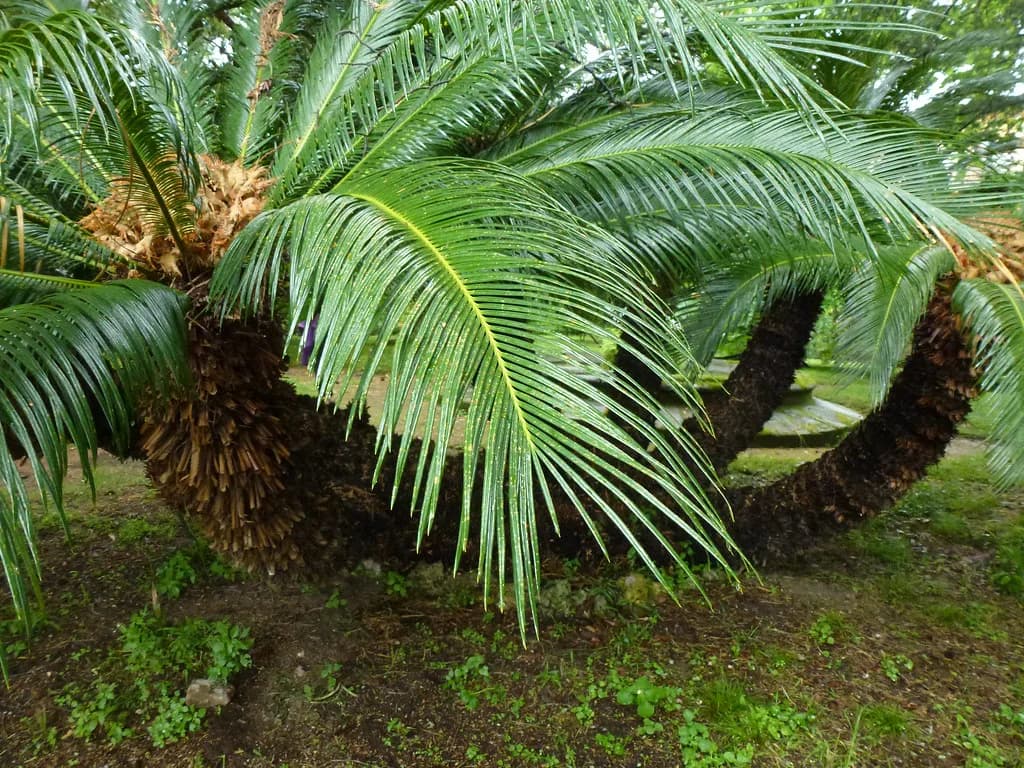
The grounds extend across roughly three hectares and hold plants from every continent. Expect water gardens with fountains and pools, a large number of flower beds, and an emphasis on aquatic plants, some of which are described as endangered. It is a collection to read slowly rather than a landscaped park to rush through.
Among the living highlights are Ginkgo biloba trees growing since 1787, alongside flowering beds that change through the seasons. Because the garden is a working collection, what is in bloom depends entirely on when you arrive, so treat any plant list as an indication rather than a guarantee. Visitors who have been describe roughly three hectares of plants from around the world, including medicinal and aquatic species.
The city's tourism portal maintains a broader events and places directory, which is the sensible place to confirm whether any temporary exhibition or special opening overlaps with your dates.
The Botanical Museum and Herbarium: A Separate Experience
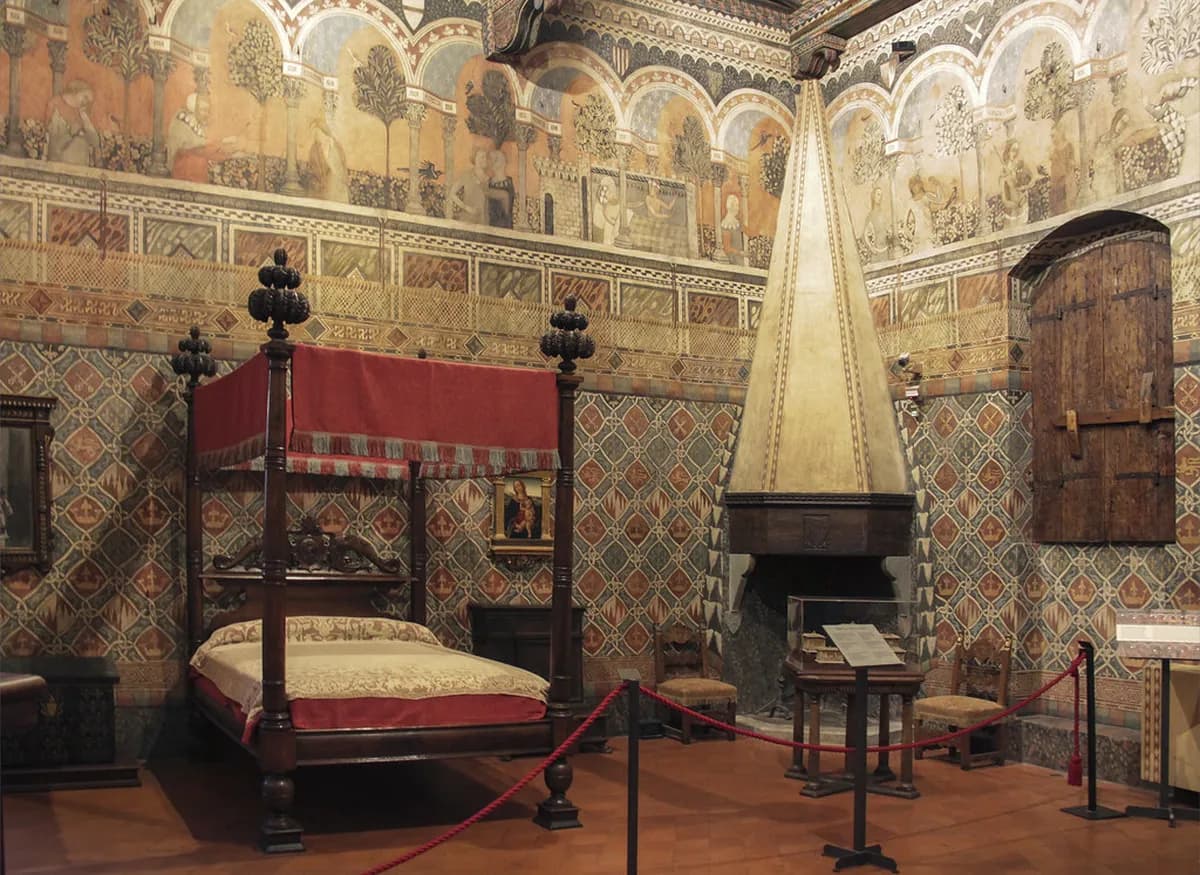
The museum occupies a building within the garden complex and opened to the public in 2017, with seven rooms across two floors. Inside are portraits of botanists, botanical artwork, a reconstructed sixteenth-century cabinet of curiosities, and an ancient walnut door from the original Giardino dei Semplici. It is a museum of teaching objects and documents rather than a display of living plants.
The herbarium is the collection's most substantial asset, holding around 350,000 specimens gathered since the eighteenth century and split between a general and a historical section. This is the part that rewards readers with an interest in how botany was practised in Tuscany. Because the museum is a distinct space from the outdoor beds, do not assume that time in the garden gives you the museum as well, or that one entry covers both interiors. Confirm current arrangements with the university before you rely on either.
Ticketing and Free-Entry Caveats
One widely repeated third-party guide reports entry at four euros for a regular ticket, free entry for students and children, and free admission for everyone on the first Sunday of the month as part of a Green Sundays scheme. Those figures come from that guide, not from the University of Pisa, and should be treated as historical reporting rather than a current 2026 price.
The university's own garden page is the place to verify the ticket price, any reduced categories, and whether a free-day scheme still operates. Check it shortly before your visit, since academic institutions can change arrangements with little notice. If you need certainty for a group or a school trip, contact the garden directly rather than arriving and hoping.
Practical Planning: Timing, Duration and What to Confirm
A reasonable editorial suggestion is to allow about an hour for the outdoor grounds and a further thirty to forty-five minutes if the museum is open and you enjoy reading labels; this is our suggestion, not an official figure. The garden changes character across the year, with spring and early summer generally the most rewarding for flowering beds and autumn best for foliage and quieter beds.
Before you go, confirm four things with the university: the current opening days and hours, whether the museum interior is open that day, the current ticket price and concessions, and any booking requirement. None of these can be assumed from older guides. If the weather turns, our round-up of things to do in Pisa on a rainy day offers alternatives that keep the day intact.
Pairing the Garden With Nearby Pisan Sights
The garden works best as one element of a central walk. Combine it with Piazza dei Cavalieri, whose palace facades sit a few minutes away, then continue to the Piazza dei Miracoli complex for the cathedral, baptistery and tower. Keep the number of paid interiors to two or three so the day does not collapse under ticket checks.
Two useful additions sit nearby without lengthening the walk much. The Camposanto Monumentale in Pisa is a separate ticketed interior within the Piazza dei Miracoli complex, and the historic market hall around Piazza delle Vettovaglie, Pisa gives you a central stop for lunch between the garden and the tower. Treat each as its own visit with its own ticket.
Who This Garden Suits, and Who Should Skip It
The garden suits travellers who have already seen the tower and want a slower, greener hour in the city centre, and anyone curious about the history of scientific teaching in Italy. It also works well for families who need space to move rather than another queue.
Readers with very limited time, or those visiting primarily for Renaissance art and architecture, will get more from the cathedral and Camposanto. The garden is a working academic collection, not a grand formal garden, and a visitor expecting sweeping parterres may leave underwhelmed. Set expectations accordingly.
Plan Your Visit
The Orto Botanico di Pisa is a rare thing in a heavily visited city: a genuine teaching garden that has been in use since the sixteenth century and remains tied to the University of Pisa today. Give it an hour, separate the museum from the outdoor beds in your planning, and verify the practical details at the official source.
Pair it with a central walk rather than a separate expedition, and check the city's tourism listings for anything temporary that overlaps your dates. If you would rather browse other Pisan stops first, start with our Pisa Attractions hub and build the day from there.
Frequently Asked Questions
Is the Orto Botanico di Pisa the oldest botanical garden in Europe?
It is described as the first university botanical garden in Europe, founded in 1543 by Luca Ghini, and it moved from its original site on the Arno banks to its present location. Whether it is the oldest surviving botanical garden of any kind is a separate claim, so treat the university-garden distinction as the accurate one.
Do I need a separate ticket for the botanical museum and the garden?
Do not assume that one entry covers everything. The outdoor grounds and the museum are different spaces within the complex, and the university has not published confirmation that a single ticket covers both interiors. Check the current arrangements on the official garden page before your visit.
How long should I spend at Pisa's botanical garden?
As an editorial suggestion rather than an official figure, allow about an hour for the outdoor grounds and another thirty to forty-five minutes if the museum is open and you like reading labels. Anyone with a specialist interest in the herbarium should plan more time.
Is the botanical garden close to the Leaning Tower of Pisa?
Yes, it sits in the city centre along Via Luca Ghini, near Piazza dei Cavalieri and within walking distance of the Leaning Tower. That makes it easy to combine with a Piazza dei Cavalieri and Piazza dei Miracoli walk rather than treating it as a separate trip.
What is there to see in the garden besides plants?
The grounds include water gardens with fountains and pools, around 148 flower beds, aquatic plants, and Ginkgo biloba trees growing since 1787. The museum adds botanist portraits, botanical artwork, a reconstructed sixteenth-century cabinet of curiosities and a large herbarium.
Should I verify the ticket price before travelling?
Yes. The widely repeated four-euro figure and the free first-Sunday scheme come from a third-party guide, not the University of Pisa, and may not reflect current arrangements. Confirm the price, concessions and any free days on the official garden page or by contacting the garden directly.
Sources
Continue exploring
More guides you'll find useful