Palazzo Te Visitor Guide: Frescoed Rooms, Hours and Gardens
Plan a Palazzo Te visit: what the ticket covers, which frescoed rooms to prioritise, the garden setting, opening hours and how to reach it from central Mantua.
On this page
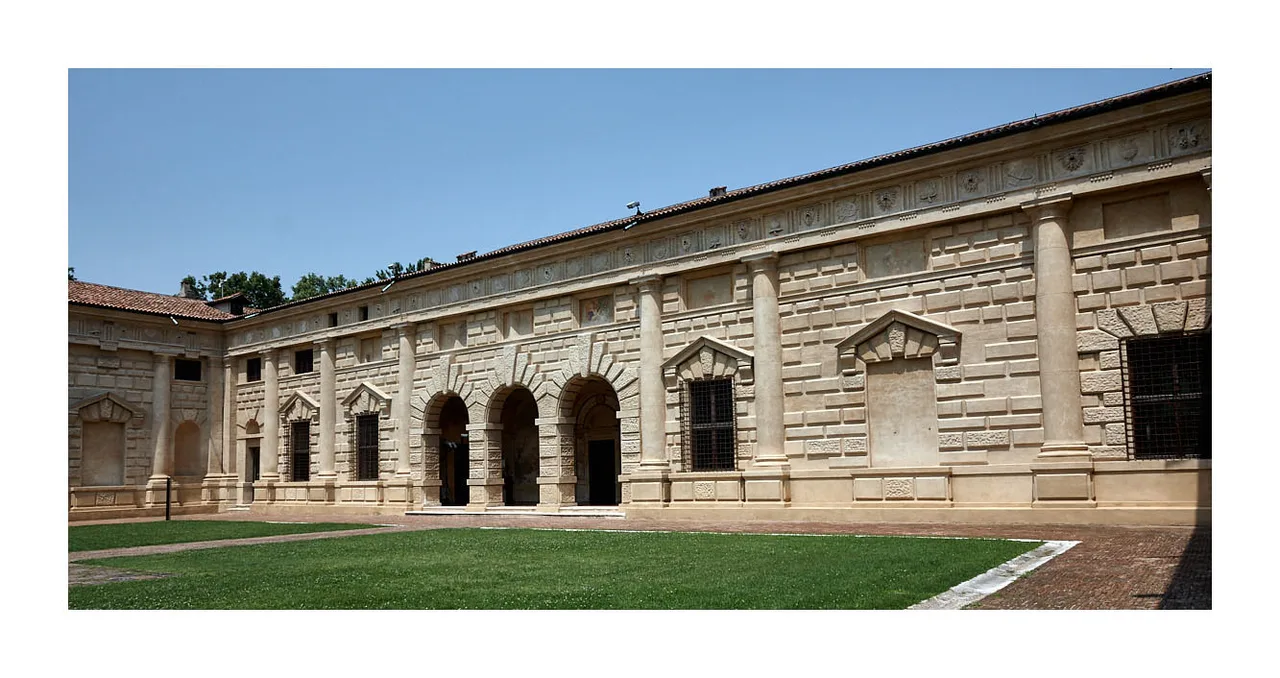
Palazzo Te is the villa Giulio Romano designed for Federico II Gonzaga between 1524 and 1534, and it is the reason many travellers add a second palace day to their Mantua itinerary. Its frescoed rooms are theatrical rather than devotional, which makes the visit feel quite different from the state apartments across town. This guide covers what the ticket actually includes, which rooms to prioritise, how the garden and park fit in, and how to get there from the historic centre.
Practical planning runs through everything below: the official hours are a standard-time schedule with a last-entry rule, and the Tuesday opening starts in the afternoon rather than the morning. The official site also publishes the ticket tiers, which is where you should confirm figures before you travel. Treat the timings and durations here as planning suggestions, not official guidance.
Quick Answer: What Palazzo Te Is and Who It Suits
Palazzo Te sits in the southern part of Mantua on Viale Te, away from the tight medieval squares around Piazza Sordello. It was built as a leisure villa rather than a seat of government, and the decoration leans into myth, illusion and Gonzaga self-display. If your interest is Renaissance painting, this is a companion piece to the Ducal Palace rather than a substitute for it.
The villa rewards travellers who like looking up. Its famous rooms work through painted ceilings and walls that dissolve architecture, so a slow circuit beats a quick photo stop. It also suits anyone travelling with a car or bike, since the setting is more open than the city centre and the approach passes the Mincio's lakes.
Independent travel writers consistently treat the Ducal Palace and Palazzo Te as a pair worth seeing on the same trip, because together they show how the Gonzaga used architecture and painting to project power. Italo's travel blog makes the same pairing and notes that both palaces reward deliberate time rather than a rushed sweep.
Opening Hours and the Last-Entry Rule
The official standard-time schedule lists Monday from 9am to 7pm, Tuesday from 1pm to 7pm, and Wednesday to Sunday from 9am to 7pm, with last entry one hour before closing. The palace is closed on 25 December and open on other holidays. Those are the published standard hours, so re-check the official page on the day you plan to go rather than assuming they hold for a holiday or a temporary exhibition period.
The Tuesday afternoon start is the trap that catches day-trippers who assume a full morning window. If Tuesday is your only day, plan the morning for a church, a piazza or the Ducal Palace and move south after lunch. If you are buying a timed slot or joining a guided group, confirm the meeting time against the actual entrance rather than the palace's general opening.
Because last entry is an hour before closing, the practical deadline is earlier than the closing time suggests: arriving an hour before the doors shut means you may not get in at all. Treat the final hour as a buffer, not as visiting time, especially if you want to see the garden as well as the rooms.
What the Single Ticket Includes
One admission to Palazzo Te also covers the MACA museum at Palazzo San Sebastiano and the Tempio Leon Battista Alberti, with one entry allowed at each venue. The ticket can be bought at either the Palazzo Te or the MACA ticket office. That structure matters when you plan a day, because the three sites are separate buildings rather than one continuous route.
The official price page lists a full price, concession tiers, a family rate and reduced rates for students and younger visitors, and states that prices change from a set date in September. Because those figures are volatile, check the current amounts on the official ticket page before budgeting. Do not assume a garden-only rate exists, and do not assume that every Gonzaga collection in Mantua falls under this one admission.
The Sonnabend Collection, housed at the Palazzo della Ragione, is reached through a separate combined ticket rather than the standard Palazzo Te admission. That combined option allows access across Palazzo Te, MACA, the Tempio Alberti and the Sonnabend Collection within a 48-hour window. If modern and contemporary art is on your list, that ticket is the efficient way to cover both ends of the city's collections.
Palazzo Te and the Ducal Palace do not share a single admission, even though both are Gonzaga sites. The Palazzo Ducale museum complex is a separate national museum with its own ticket and its own restrictions on the Camera degli Sposi. Budget for two admissions and two time slots if you want both.
The Frescoed Rooms Worth Your Time
Begin with the Sala dei Giganti, the Hall of the Giants, where Giulio Romano painted the fall of the giants across walls and ceiling so that the architecture appears to collapse around you. It is the room most visitors remember, and it rewards a few minutes of stillness rather than a quick pass-through. The effect depends on standing in the middle and looking up.
The Camera di Amore e Psiche, or Chamber of Cupid and Psyche, is the most opulent of the painted rooms and draws on the story of the lovers from Apuleius. Nearby, the Sala dei Cavalli, or Hall of the Horses, shows life-size portraits of Federico II Gonzaga's favourite horses with their names recorded, which makes it a rare piece of stable pride rendered as court art.
The Sala del Sole e della Luna, the Room of the Sun and Moon, is the one travellers tend to single out after the big set pieces, with a charioteer whose painted figure stays in the memory. If time is short, work through the Giants, Cupid and Psyche, the Horses and this room, then circle back to whatever else is open.
Remember that temporary exhibition spaces and room access can shift, and the Camera degli Sposi at the Ducal Palace, by contrast, works on timed slots and tight capacity. At Palazzo Te the risk is different: a room may be roped off for conservation or an exhibition, so check the official site's current information if one specific fresco is the reason for your visit.
Beyond the Frescoes: Collections, Exhibitions and the Park
The palace also holds civic collections and hosts temporary exhibitions, which is why a single ticket can stretch across a morning without any sense of padding. The gardens and park around the villa cover a large area laid out in geometric rooms of trees, with paths that loop through the grounds. That open setting is part of the experience, not an afterthought.
Treat the grounds as part of the ticketed visit rather than assuming a free public park you can wander into separately. The official page describes the ticket as covering the palace and its associated venues, and it does not present a separate garden-only admission. If gardens are your main interest, check the official site before you go so you know what your ticket gates.
For the wider city context, Mantua's historic centre and Sabbioneta were inscribed as a UNESCO World Heritage Site for their Renaissance planning, which is the frame that makes a leisure villa on the edge of town legible. The lakes that ring the centre are also part of that story, and a walk or ride along them is a natural way to close the day after the palace.
Getting There from the Historic Centre
On foot, the official page puts the centre-to-palace walk at about 15 minutes, and by bike at around 10 minutes. The route is straightforward enough that many visitors simply walk it, but the bike option is genuinely faster and Mantua is flat, so a rental or bike-share makes the southern edge easy to reach.
Bus options include the Navetta Te shuttle, which the official page describes as free and running every 15 minutes, with weekday service from early morning to evening and weekend service starting later in the morning. Local lines also connect Piazza Sordello and the railway station to the palace area. Frequencies and day-part windows are the sort of detail that changes with the season, so confirm on the operator's site or at the tourist office before relying on a late return.
By car, the palace is signed from the A22 Modena–Brennero motorway at the Mantova Sud and Mantova Nord exits, and the official page points to free parking at Piazzale Montelungo and Viale Montello. Mantua's station sits at Piazzale Don E. Leoni, a short walk from the centre, so train arrivals can combine a city walk with the shuttle or a taxi.
How Long to Allow and Combining It with the Ducal Palace
As an editorial suggestion rather than official guidance, allow around two hours for the palace interior and its main frescoed rooms, and add time if an exhibition is running or you want to walk the grounds. That is roughly the same order of time the Ducal Palace asks of you, which is why splitting the two across separate slots works better than chaining them back to back.
A sensible split is the Ducal Palace in the morning, when the Camera degli Sposi slots are easier to plan around, then a lunch in the centre and Palazzo Te in the afternoon. Doing it the other way round works too, but remember the Tuesday afternoon opening and the last-entry rule when you build the sequence.
If you only have one day in Mantua, choose by appetite: the Ducal Palace for dynastic portraiture and the Mantegna fresco, Palazzo Te for Mannerist illusion and mythological drama. Travellers who try to compress both into a single half-day usually end up skimming the second. The city's quieter corners can wait for the next visit.
Practical Notes Before You Go
The palace publishes an accessibility statement and asks visitors to download its access document for mobility details inside the building. Leashed animals are not allowed except guide dogs, though small animals carried in their own carriers may enter the halls, and a bookable dog-sitting service is listed. Food, drink and smoking are prohibited inside the rooms and across the palace area, including the gardens.
Audioguides are available in several languages for a modest fee and are free for blind and visually impaired visitors, which is useful given how much of the decoration depends on mythological references. Guided tours and group bookings are handled separately, and the official page directs group and school enquiries to the visitor services office.
Plan Your Visit
Palazzo Te works best as a deliberate half of a Mantua day: book your palace time around the official hours, check the current ticket tiers and any exhibition closures on the official site, and decide in advance whether the Sonnabend combined ticket earns its keep for your interests. Then choose your approach, whether that is the 15-minute walk, a bike, or the shuttle from Piazza Sordello.
The visit rewards slow looking more than list-ticking, so leave room after the Hall of the Giants to sit with the smaller rooms and to walk the grounds. Confirm volatile details such as prices, hours and shuttle timings close to your travel date rather than relying on any guide, including this one.
Frequently Asked Questions
Is Palazzo Te worth visiting in Mantua?
Yes, if you have any interest in Renaissance and Mannerist art. It offers a different experience from the Ducal Palace: theatrical frescoes designed for pleasure and display rather than government, with the Hall of the Giants as the centrepiece. Travellers with only half a day should pick one palace rather than rushing both.
Who painted Palazzo Te and when was it built?
The villa was designed by Giulio Romano for Federico II Gonzaga and built between 1524 and 1534. Giulio Romano and his assistants painted the fresco cycles, including the Hall of the Giants, the Chamber of Cupid and Psyche and the Hall of the Horses.
What should I see first inside Palazzo Te?
Head for the Hall of the Giants first, while you are fresh, then the Chamber of Cupid and Psyche and the Hall of the Horses. The Room of the Sun and Moon is the other room most visitors remember. If a specific room is closed for conservation or an exhibition, the official site should say so before you travel.
How long does a Palazzo Te visit take?
As a planning suggestion, allow around two hours for the palace and its main frescoed rooms, plus extra time for the grounds or a temporary exhibition. This is an editorial estimate, not an official figure published by the museum.
Does the Palazzo Te ticket include MACA and the Tempio Alberti?
Yes. The standard Palazzo Te admission also covers the MACA museum at Palazzo San Sebastiano and the Tempio Leon Battista Alberti, with one entry permitted at each venue. It does not cover the Ducal Palace, which has its own separate ticket.
How far is Palazzo Te from Mantua's historic centre?
The official page puts the walk from the centre at about 15 minutes and the bike ride at around 10 minutes. A free shuttle, the Navetta Te, also runs from Piazza Sordello every 15 minutes according to the palace's published information, with different weekday and weekend windows.
Is Palazzo Te open on Tuesdays?
Yes, but the Tuesday opening starts in the afternoon rather than the morning under the standard-time schedule. Last entry is one hour before closing, and the palace is closed on 25 December. Always re-check the official page before travelling, since hours can change.
Should I visit Palazzo Te or Palazzo Ducale first?
Do the Ducal Palace in the morning, since the Camera degli Sposi uses timed slots, then Palazzo Te in the afternoon. If you only have one day, choose by interest: dynastic portraiture and Mantegna at the Ducal Palace, or Mannerist illusion and myth at Palazzo Te.
Sources
- Palazzo Ducale and Palazzo Te in Mantua: why visit them | ItaloBlog
- Top Attractions In Mantua, A Renaissance Marvel In Northern Italy - The Geographical Cure
- Museo di Palazzo Ducale - CODART
- Art galleries in Mantua: guide and map – Alpha Reproduction
- Visit - Palazzo Te
- Tickets for Palazzo Te in Mantua: tours, guided tours, skip the line and last minute tickets
Continue exploring
More guides you'll find useful