De Pijp Amsterdam: Walking Guide, Food & Where to Stay
Is De Pijp worth your time? Get a walkable route, market and food planning, transit tips, and honest stay-vs-centre trade-offs.
On this page
De Pijp Amsterdam: A Local-Minded Neighborhood Guide
Last updated September 2026. De Pijp Amsterdam is a mixed residential and dining neighborhood south of the canal ring. It suits food, café and market-minded visitors who want a base that feels less museum-centric. It suits you less if historic canal-house scenery is the only thing you came for.
De Pijp Amsterdam: What It Is and Who It Suits
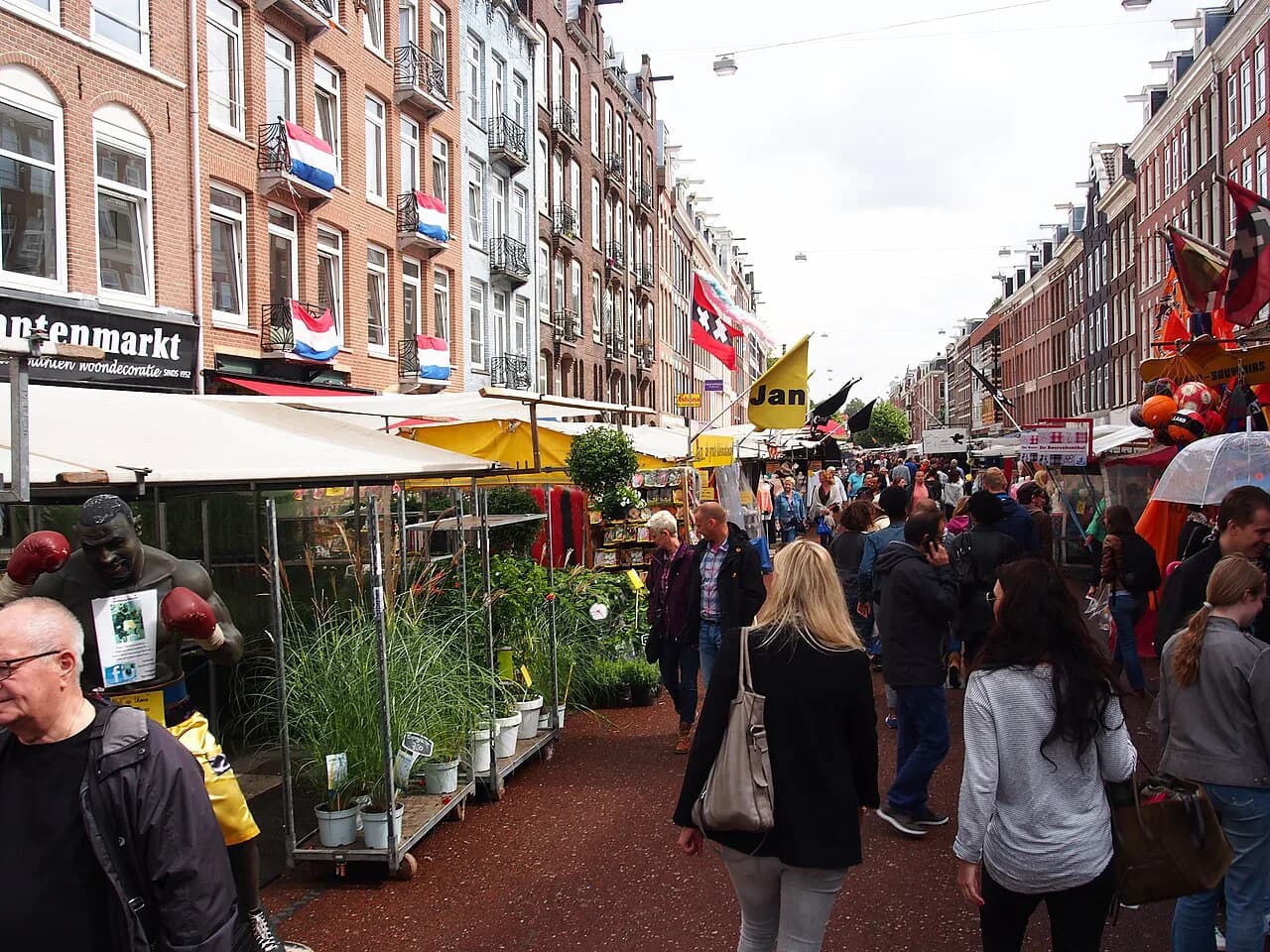
De Pijp is a neighborhood where people live, shop and eat, rather than a sightseeing checklist. Its anchor is Albert Cuyp Market, and its green pause is Sarphatipark. Side streets between them hold cafés, small shops and apartment blocks. Most of the pleasure comes from wandering with no fixed target.
- Go if you like street markets, café terraces and neighborhood dining.
- Go if you want a base that feels lived-in rather than staged.
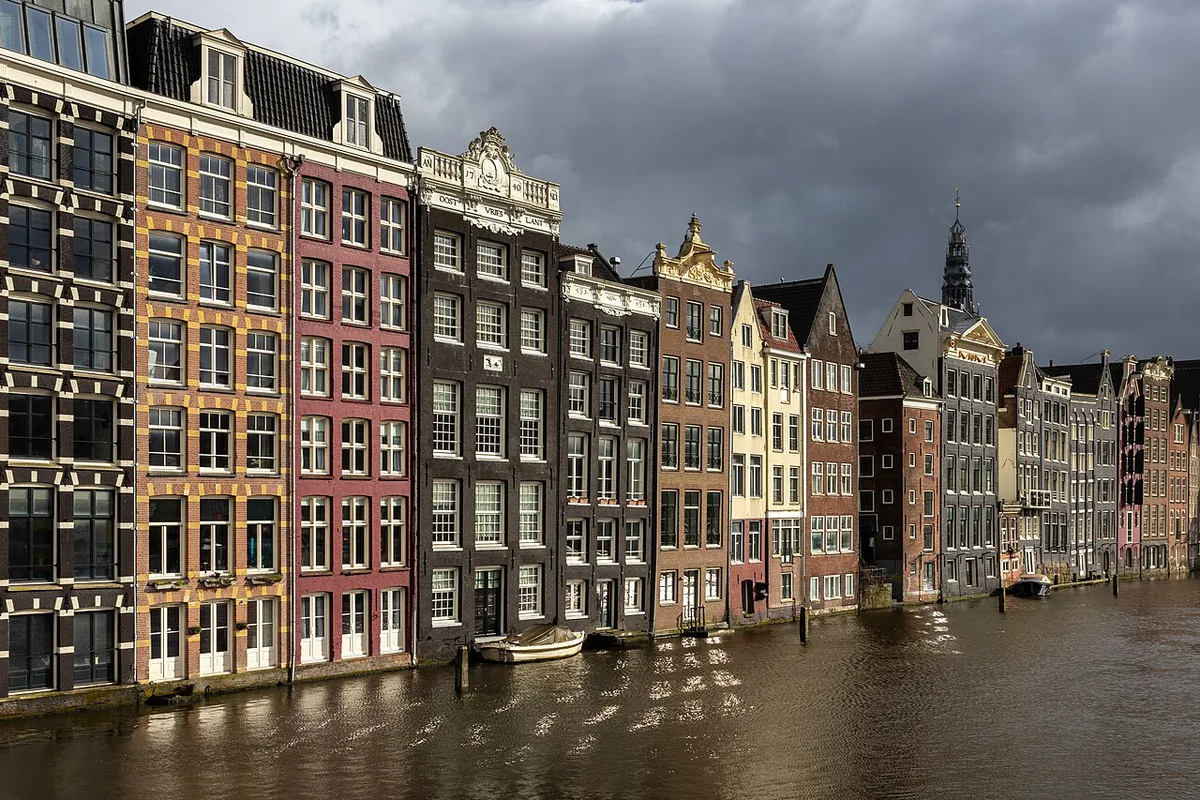
- Skip it on a very short trip if you want canal-house scenery above all.
- Skip it if a museum-only itinerary fills your days.
How to Get to De Pijp
Check the current route in the GVB app or the 9292 journey planner before you leave. Lines, stops and journey times change, and this guide does not quote them from memory. From Centraal Station, you will cross the canal ring heading south. From Museumplein, you are heading toward the same district from the museum side. Some visitors walk it, and others ride public transport. Decide by how much you want to see on the way. Walking gives you canal views. Transit saves your legs before a long market day. For museum pairing, see our guide to Amsterdam's best museums.
A Walking Route Through De Pijp
This route links the market, the side streets and the park. Times are approximate and depend on how often you stop. A short version takes about 1 hour. A relaxed half-day version adds a long coffee, a lunch stop and time on a park bench. Bikes share many local streets, so watch for bike lanes at every crossing.
- Stop 1: Albert Cuyp Market. Arrive early if you want space to browse, and check the market's official source for days and hours first.
- Stop 2: The side streets off the market. Turn away from the stalls and read the shopfronts, bakeries and café menus.
- Stop 3: A coffee break. Pick one place with a table, and give it 20 to 30 minutes.
- Stop 4: Sarphatipark. Finish here for grass, shade and a quieter pace.
- Short version: Stops 1, 2 and 4 with no long sit-down meal.
- Relaxed version: add a market lunch, a longer coffee and a slow loop of the park.
The Street Market and Where to Eat
Albert Cuyp Market only works if it is open. Confirm trading days, hours and holiday closures on an official city or market source before you go. Do not assume every day matches. Payment methods vary by stall, so carry a card and a little cash unless you have checked. Food is easiest to plan by intent rather than by list. Breakfast and coffee suit early starts. Casual lunch and street food suit the market itself. Sit-down dinner suits the side streets after the stalls close. Drinks fit the evening. Budget travelers can lean on market snacks. Families can pick daytime seats with room for strollers. Couples can book a dinner table ahead. Check that any venue is still operating before you commit. For a wider dining shortlist, read where to eat in Amsterdam.
Things to Do Beyond Eating
Sarphatipark is the easiest non-food stop. Bring a takeaway coffee and sit for a while. Then browse the small independent shops on the side streets. Keep your eyes up for façades and courtyards you would miss on a fast pass. If you enjoy lesser-known corners of Amsterdam, our guide to lesser-known corners is a natural next read. Evenings are lively around cafés and bars, so check current listings before you plan a late night. For after-dark ideas across the city, try Amsterdam after dark. People live above these streets. Keep your voice down late in the evening, and do not block doorways or bike racks for photos.
Costs, Timing and Best Time to Visit
Strolling and market browsing cost nothing. Paid costs come from meals, coffee, drinks and any museum tickets you add. This guide quotes no prices, because none were verified for 2026. Check each venue's official site before you budget. Morning usually feels calmer at the market. Peak lunch and dinner hours are busier, so expect queues at popular tables. For more no-cost ideas, browse 17 Best Free Things to Do in Amsterdam: 2026 Budget Guide. If you want museum time, compare it with free museums in Amsterdam. Weather also shapes the day. Sarphatipark is best when it is dry, and indoor cafés work better in rain.
Where to Stay: De Pijp vs. the Centre
Staying here suits people who want cafés and a residential feel. The centre suits people who want to be close to the main sights. These are qualitative comparisons from our editorial assessment, not measured data. Verify prices and transit for your own dates. For the central alternative, see things to do in the city centre.
| Factor | De Pijp | City centre / canal ring |
|---|---|---|
| Atmosphere | Residential, café-led | Historic, busier with visitors |
| Nightlife and noise | Lively in places, with residents nearby | Can be louder around main squares |
| Dining density | High around the market and side streets | High but more tourist-facing |
| Museum access | Check walking or transit from Museumplein | Closer to several central sights |
| Best for | Food, markets, a local feel | First-time sightseeing |
Mistakes to Avoid
Most problems here come from timing and expectations. Plan around them and the district works well.
With only 1 hour available, clashing with peak lunch crowds or market closures becomes likely—verify hours and timing before visiting.
- Visiting when the market is closed. Check official days and hours first.
- Treating De Pijp as a checklist. Wander rather than tick off stops.
- Underestimating crowds at peak dining hours. Book or arrive early.
- Walking carelessly in bike lanes. Look both ways at every crossing.
- Assuming late-night quiet. A lively area can stay busy after dark.
- Skipping other areas entirely. For a full-city plan, see a one-day Amsterdam plan.
Where to Go Next
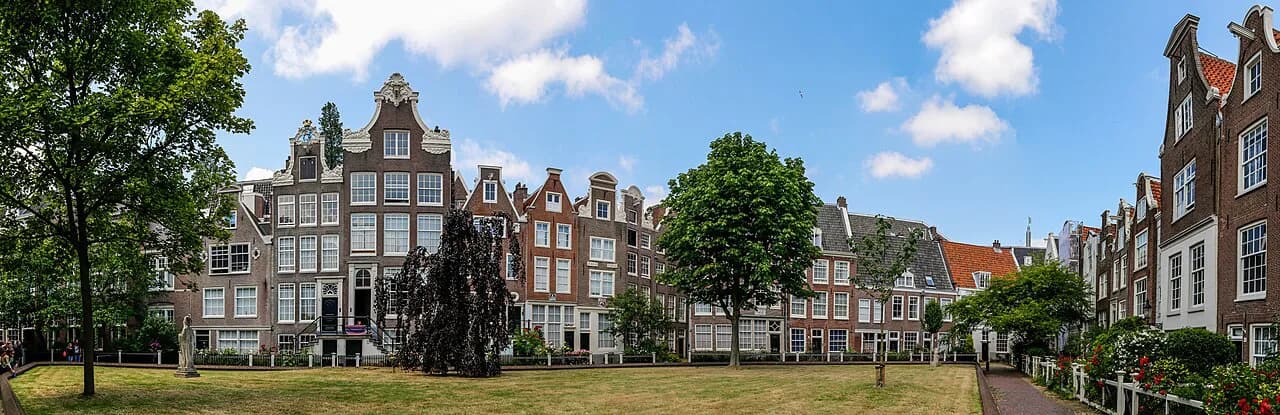
If this walk suits you, try a different kind of stroll next. The Amsterdam hofjes walk covers quiet courtyards. For another side of the city, follow a walking route in Noord. Planning longer? Read a three-day Amsterdam itinerary.
For trip-planning details, see Noord | I amsterdam and Paradiso.
Frequently Asked Questions
Is De Pijp worth visiting?
Yes, if you like markets, cafés and residential streets. Skip it if you only want canal-house scenery. A short walk through the market and Sarphatipark gives you a fair taste.
Is De Pijp a good area to stay in Amsterdam?
It suits food-minded travelers who want a lived-in base. The centre suits first-timers who want major sights close by. Compare both on your dates and check transit before booking.
How do you get to De Pijp from Centraal Station?
Use the GVB app or the 9292 journey planner for current lines and times. You can also walk south across the canal ring. Check for disruptions on the day.
How much time do you need in De Pijp?
A short version of our route takes about 1 hour. A relaxed half-day lets you add lunch, coffee and time in Sarphatipark. These times are approximate.
Is De Pijp safe and quiet at night?
It is a lively residential area, so expect noise near cafés and bars. Use normal city awareness, and watch for bikes. Check recent traveler reports before you pick a hotel.
Continue exploring
More guides you'll find useful