Cycling the Appian Way: Routes, Bike Rentals & Expert Tips
Plan cycling the Appian Way in Rome: route choices, bike rentals, cobblestone difficulty, traffic sections, family tips and walking alternatives.
On this page
Cycling the Appian Way: The Ultimate Guide to Rome's Ancient Highway
Last updated October 2026. Cycling Appian Way stretches is one of the few ways to leave Rome's traffic behind without leaving the city. Plan for rough 2,000-year-old paving stones, a short traffic-heavy start, and a choice between history, nature and aqueduct routes. This guide covers rentals, the bumpiest sections, family limits and shorter walking options. For more offbeat outings, see our guide to 15 Unusual Things to Do in Rome: Hidden Gems and Secret Spots (2026).
Why Cycling the Appian Way Is Worth the Effort
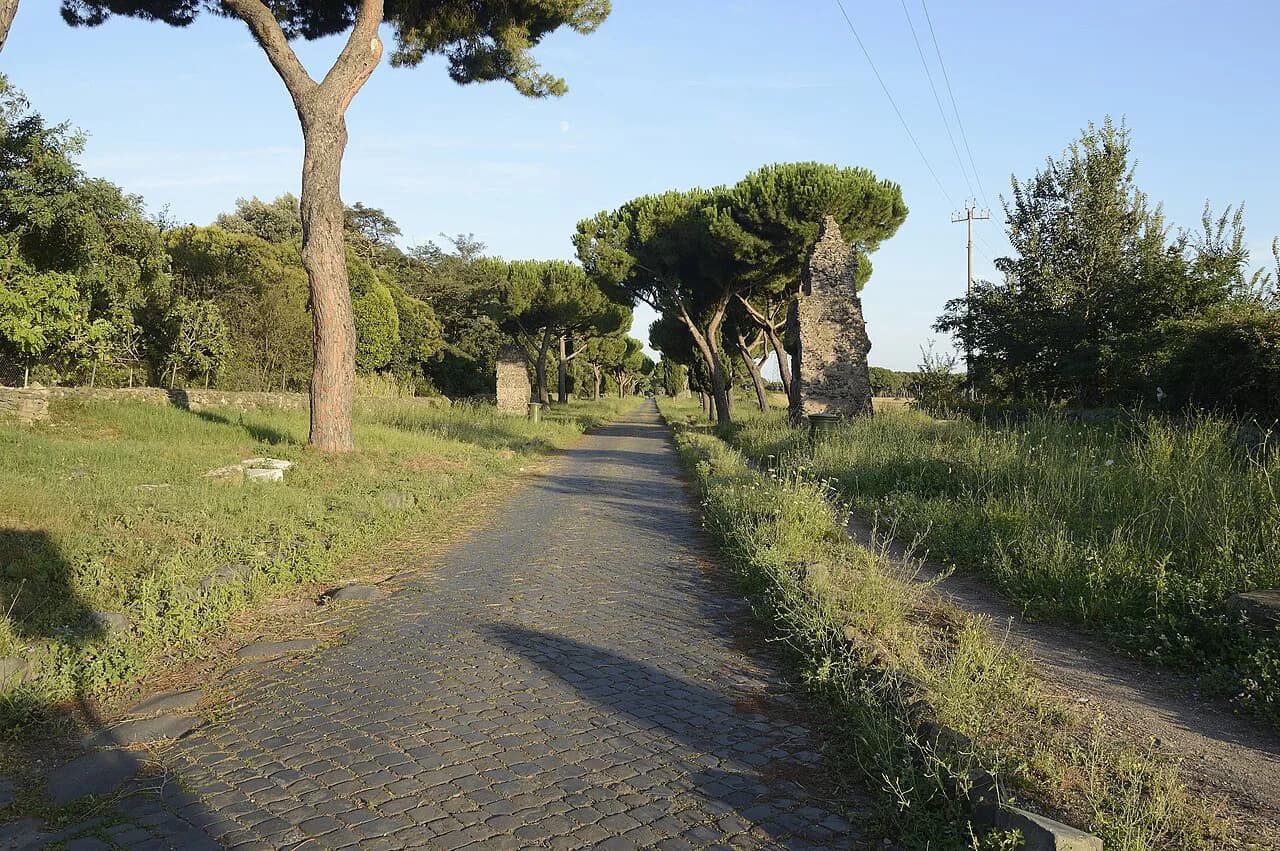
Construction of the Via Appia began in 312 B.C. under Appius Claudius. Romans called it the Regina Viarum, the queen of roads. Today you can ride the first 16 km (about 10 miles) from Porta San Sebastiano to Santa Maria della Mole. Most day-trippers focus on the first stretch of roughly 5 miles.
The appeal is contrast. Central Rome is loud and crowded. The Appian Way Regional Park has pines, cypresses, tombs and aqueduct arches, and long stretches without cars.
Be realistic about the surface. Original paving stones, called basoli, are uneven and rattle your arms, wrists and teeth. Expect a slower, shakier ride than the distance suggests. Plan short legs, frequent stops and a bike that can absorb vibration.
Choosing Your Route: History, Nature or Aqueducts
Three routes cover most needs. One competitor itinerary describes a 17 km linear loop with about 100 m of elevation gain, rated family-friendly on mixed gravel terrain. That is a useful benchmark for a full day. Pick one focus rather than trying everything.
The full 16 km route takes 5 hours with a guide, while Caffarella Valley alone takes 2 hours, showing the range of time commitment.
- Archaeological route: ride from Porta San Sebastiano toward the Tomb of Cecilia Metella. This is best for ruins, tombs and catacombs. It has the most vibration and the most traffic near the start.
- Caffarella Valley loop: dirt paths, farm animals and no cars. Sources describe a visit of no more than 2 hours. The entrance is just after the Domine Quo Vadis church. This is the best choice for families.
- Aqueduct extension: reach the Park of the Aqueducts through the Tor Fiscale park. It is further out and best for towering arches and photos. Riders usually start from the Quadraro neighborhood.
The Stone Gauge: Where Basoli and Smoother Ground Change
No source gives a full surface map, so treat this as a planning gauge built from the sources we reviewed. Stones are patchy, not continuous. In ancient times the first 90 km to Terracina were an unbroken run of basoli. Today basoli survive only in parts, so a sturdy city bike or mountain bike usually works. Check conditions on site and walk the worst patches.
- Quadraro to Tor Fiscale: asphalt first, then gravel through the park.
- Tor Fiscale to the aqueduct area: dirt road, described as safe for cyclists.
- Near the golf course: asphalt after passing an arch of the Aqua Claudia.
- Via Appia Nuova crossing: busy modern road. Cross only at the red light.
- Appian Way proper: patchy basoli past Villa dei Quintili and Cecilia Metella. This is the roughest riding.
- Caffarella Valley: dirt tracks and small paths, with no cars.
Bike Rentals and How to Get There
Two rental bases appear in our sources. Eco Bike Roma runs the Appia Antica service center at Via Appia Antica 58/60. Gazebike is in Quadraro, close to the Porta Furba metro stop. Rates were not supplied, so confirm prices and availability with the shop before you go.
Choose the bike for the surface. An e-bike eases the basoli and the climbs. A mountain bike suits Caffarella's dirt tracks. Skip thin-tire road bikes on the stones.
For the Quadraro start, take Metro Line A to Porta Furba. Colli Albani is another option on the same line. For the Appia Antica start, the brief points to buses 118 or 218. Confirm current routes and stops before you leave. Coming from Fiumicino, one source lists the FL1 regional train to Tiburtina at 48 minutes, then metro Line A.
Official visitor information is on Rome's tourism website. Use it to check events and transport news. Check park access and archaeological site notices through Rome's superintendency site before riding.
- E-bike: best for the stones and for tired legs.
- Mountain bike: best for Caffarella dirt paths.
- City bike: acceptable for a gentle ride, and the only type that takes child seats at Eco Bike Roma.
- Road bike: avoid.
Key Landmarks and Stops Along the Ride
Start by treating the first section near Porta San Sebastiano carefully. It carries car and bus traffic. One source warns that riding the wrong way here is risky at rush hour. The calmer cycling experience starts further out, near the Tomb of Cecilia Metella and Maxentius complex. Check on-site signs, because restrictions can change.
Villa dei Quintili sits on the left if you ride out from the Quadraro side. Cecilia Metella's tomb dates to about 50 B.C. One competitor lists a €6 ticket that also covers the Baths of Caracalla and Villa dei Quintili. Your brief suggests combo tickets cost around €8, so verify the current price at the gate.
Circus of Maxentius is free to enter, but you must leave your bike outside. Bring a lock. The circus held up to 10,000 spectators, which explains the scale of the grounds. It also fits a budget day, as covered in our guide to free things to do in Rome.
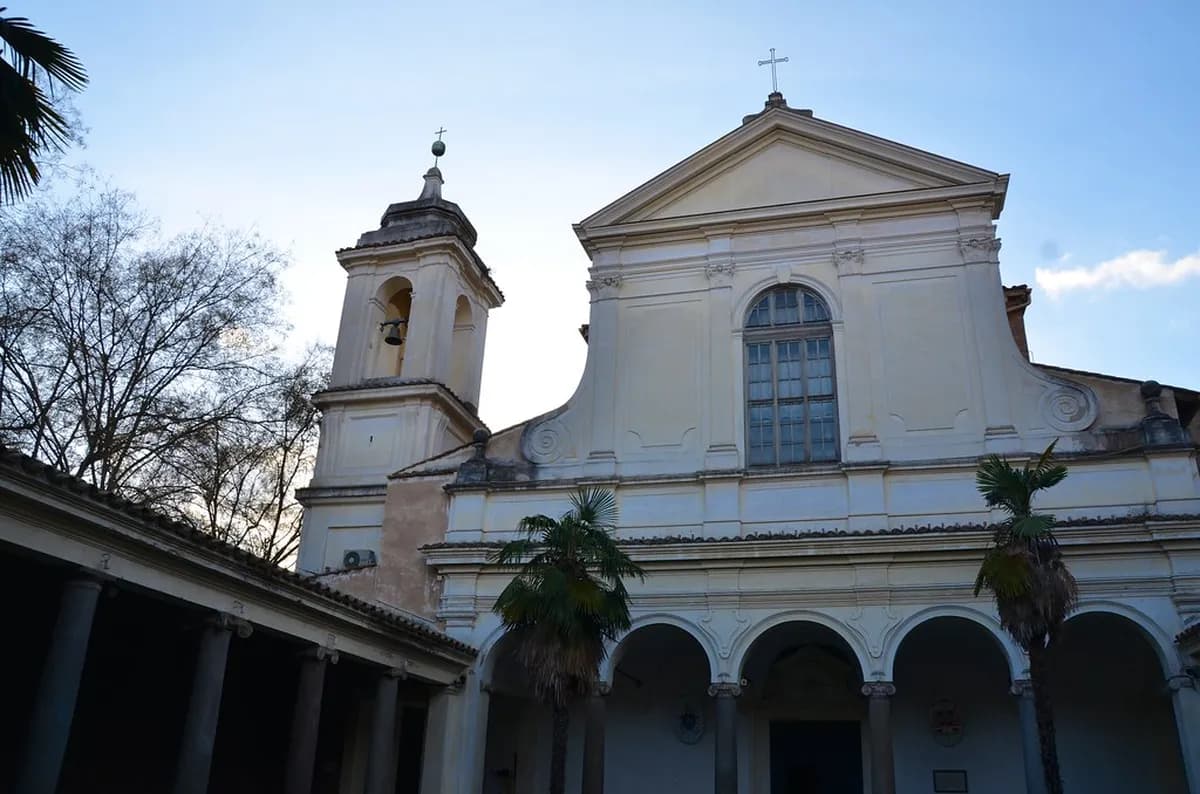
Catacombs add a cool break. The San Callisto and San Sebastiano visits last roughly 45 minutes at around 16°C. One source lists €8 for adults, €5 for ages 7 to 16, and free for ages 0 to 6. Private catacomb access runs 9:30 a.m. to 6 p.m. Sources disagree on closing day, with Thursday and Wednesday both mentioned. Confirm before you plan around it. For more tunnels, read our guide to 12 Best Underground Rome Sites to Explore (2026).
Solo vs. Guided: Which Format Fits You
A guided e-bike tour removes route-finding and adds context. One operator lists a small-group Appian Way and aqueducts e-bike tour with catacombs and food from €75 per person, lasting 5 hours. Going solo costs less and gives flexibility. The routes are not signed, so download a GPS track first.
A guided tour costs €75 per person, while visiting catacombs (€8) and Cecilia Metella (€6) costs €14, illustrating the budget difference between formats.
| Factor | Solo rental | Guided e-bike tour |
|---|---|---|
| Cost | Rental rate from your chosen shop; check current price | From €75 per person (operator listing) |
| Navigation | Not signed; GPS track needed | Guide leads the route |
| History | Read signs or bring your own notes | Guide gives context |
| Flexibility | Choose stops and pace | Fixed 5-hour schedule |
| Best for | Confident riders and families | First-timers and e-bike fans |
Cycling With Kids: Seats, Trailers and Safer Options
Eco Bike Roma lists city bikes from age 4. Its child seats take up to 33 or 48 lb, depending on the type. A trailer carries up to 2 children and 70 lb. Accessories fit city bikes only, not mountain bikes or e-bikes. Book online at least the day before, because numbers are small. Locks and helmets are included in its price.
Trailers do not suit the archaeological road. The basoli are too bumpy. Families with toddlers should choose Caffarella Valley instead.
If you want the archaeological road, use the private road through the San Callisto catacombs. It avoids early traffic and reaches the restricted zone after roughly 1 mile. Older children can then walk the Maxentius complex while bikes wait outside.
Shorter Walking Alternatives
Skip the bike if the stones sound unappealing. You can walk the park too. A short walk from the catacombs to the Maxentius complex works as a half-day plan. Caffarella Valley is also walkable, and the estimated visit is no more than 2 hours. A walking day lets you linger at ruins without securing a bike. If you prefer city strolls, lesser-known corners of Rome include Quadraro's street art, which you can see on foot around the metro stop.
Where to Eat and Refill Water
Caffarella has no cafés or restaurants. Bring a picnic and spread a cloth in the valley. Barone Rampante, near the Eco Bike base, sells sandwiches and takeaway warm meals. Sit-down restaurants cluster around Cecilia Metella.
In Quadraro, one source names Roberto La Piazzetta, Osteria Der Tempo Perso and N9vezer0tr3 Roma. Check current opening days before you plan a meal.
Water is easy to find. Fountains run up to the Erode Attico crossroad on the Appian Way. Several more sit inside Caffarella. Romans call these fountains nasoni.
Mistakes to Avoid on the Appian Way
Underestimating the stones is the most common error. Sources suggest e-bikes or mountain bikes, and walking rough patches costs nothing. Another error is timing. Sources recommend April to May or September to October. Midday summer sun leaves little shade on open stretches.
Riding the wrong way toward Porta San Sebastiano is risky at rush hour, so use the catacomb road. Finally, do not forget a lock for the Maxentius circus, and do not count on food inside Caffarella.
- Skip road bikes.
- Carry water and refill at nasoni.
- Book child seats and trailers a day ahead.
- Download a GPS track.
- Cross Via Appia Nuova only at the red light.
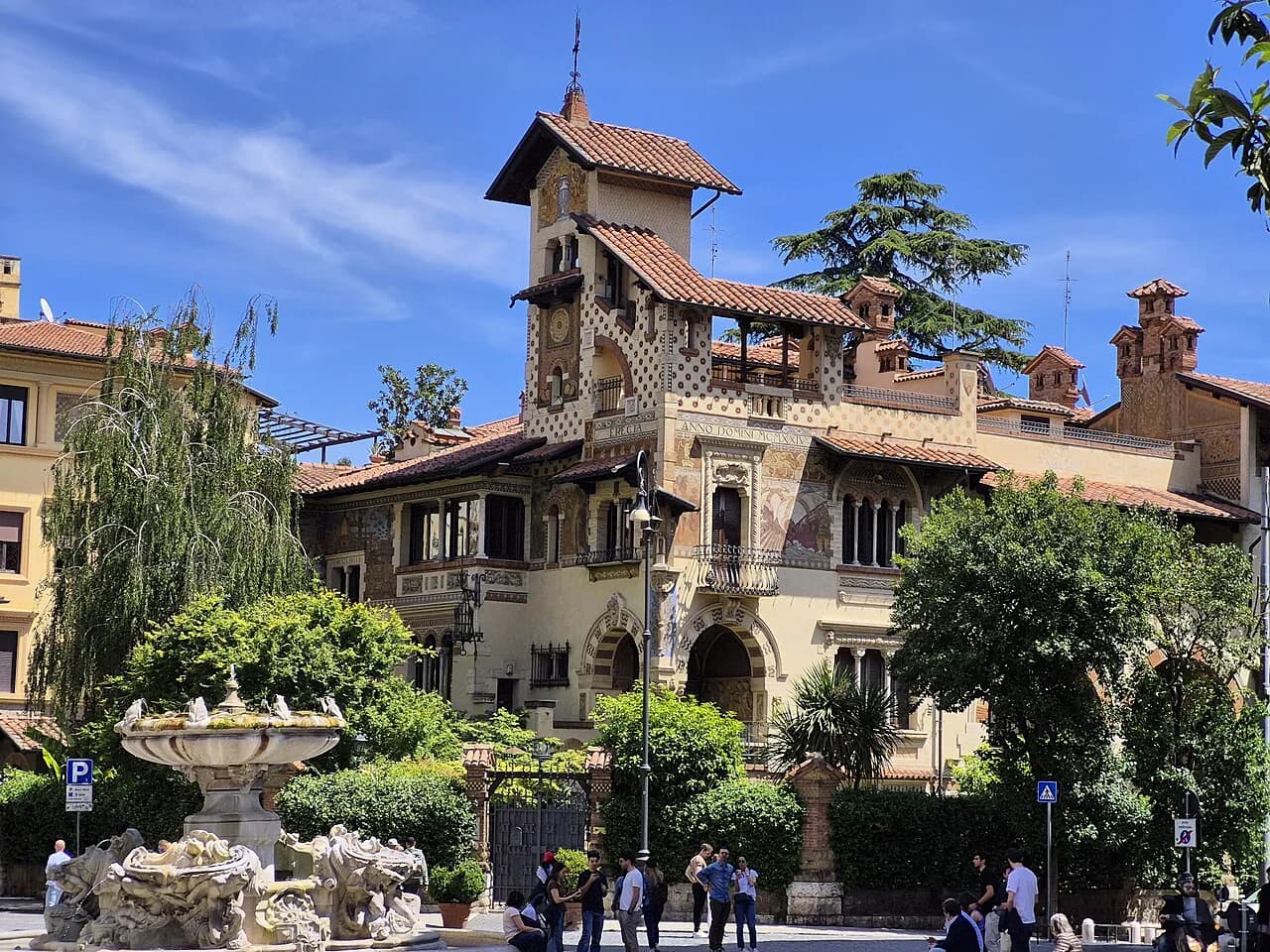
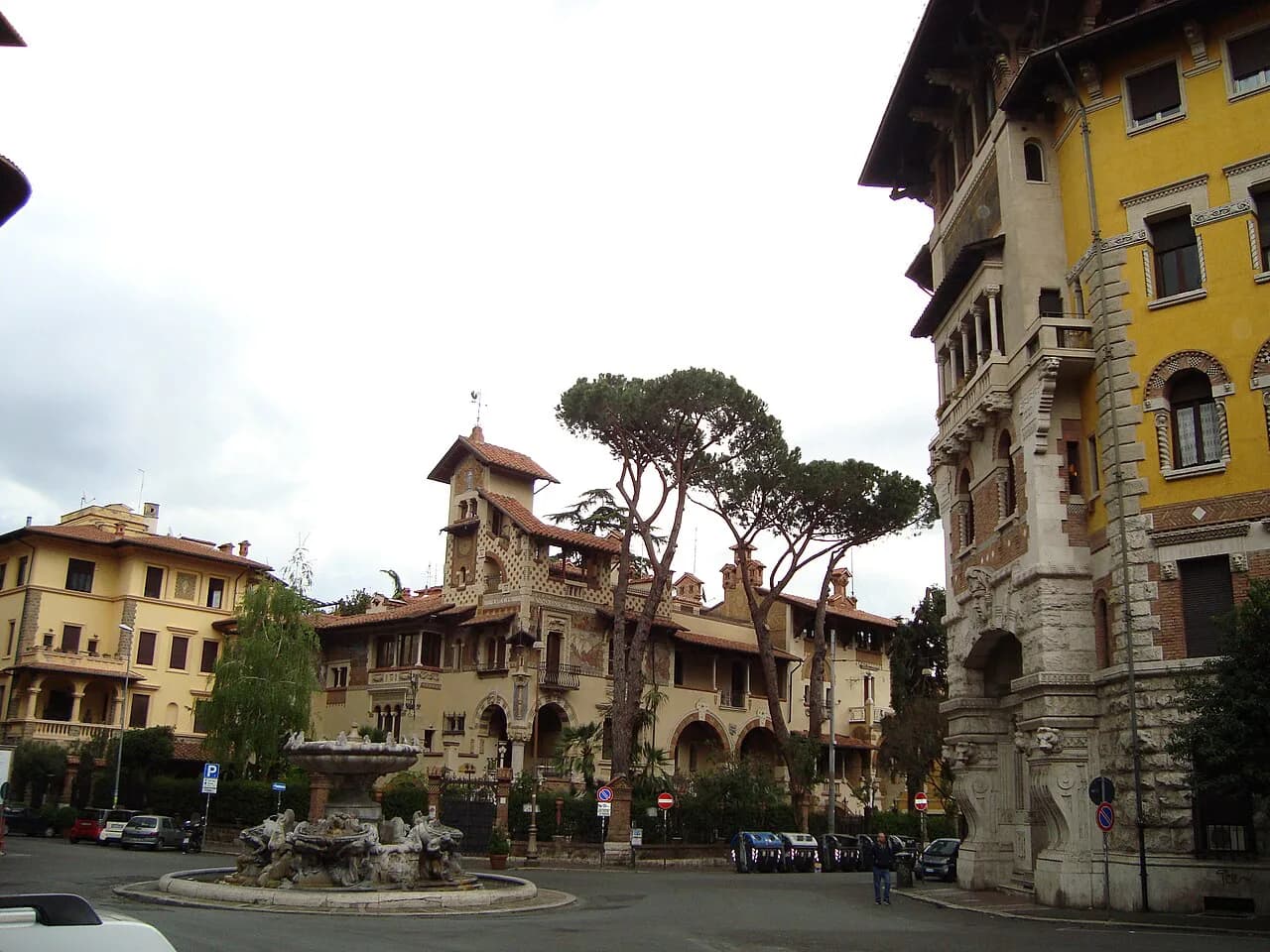
For related deep-dives, see our Garbatella Rome: Garden-City Walking Guide and Half-Day Loop and Quartiere Coppedè Rome: A Guide to Rome's Most Surreal Neighborhood guides.
Frequently Asked Questions
Is cycling the Appian Way safe?
Mostly yes, with caution. Traffic is heaviest near Porta San Sebastiano. Restrictions on cars apply further out. Cross Via Appia Nuova at a red light. Check on-site signs for current rules.
Which bike should I rent for the Appian Way?
An e-bike handles the basoli best. A mountain bike suits Caffarella's dirt paths. Avoid thin-tire road bikes. Child seats and trailers need a city bike at Eco Bike Roma.
How long is the Appian Way ride?
The rideable stretch runs 16 km from Porta San Sebastiano to Santa Maria della Mole. One loop itinerary measures 17 km with about 100 m of climbing. Caffarella alone takes no more than 2 hours.
Can I cycle the Appian Way with children?
Yes, with limits. City bikes are available from age 4. Trailers do not suit the archaeological road because of the bumpy stones. Caffarella Valley is the easier choice for toddlers.
Are the catacombs open when I ride?
Private access runs 9:30 a.m. to 6 p.m. Sources list Thursday or Wednesday closures. Confirm before you ride. Tours last about 45 minutes at roughly 16°C.
Continue exploring
More guides you'll find useful