Kalsa District Guide: A Walk Through Arab Palermo
Walk Palermo's Kalsa quarter from Piazza Marina to the Steri, with Arab origins, Piazza Magione, street art, craft workshops, jazz venues and a slow half-day route.
On this page
The Kalsa occupies the southeastern edge of Palermo's historic centre, a grid of lanes where Arab, Norman, Gothic and Baroque layers sit almost on top of one another. Its name derives from Al-Khalisa, the citadel that Arab emirs chose as their representative seat, and that origin still shapes the street pattern more than any single monument does. Approaching it as a slow walk rather than a checklist is the best way to read those layers, because the quarter's character emerges in the transitions between squares, workshops and waterfront walls.
This route runs roughly from Piazza Marina to the Steri, with optional pauses at Piazza Magione and Santa Maria dello Spasimo. One local operator describes a guided version as a walking route of about 1.5 km taking roughly two hours, so an unhurried self-guided afternoon is a realistic suggestion rather than an official figure. For a broader orientation to the city before you set out, the Palermo Attractions hub collects guides to the sights that frame this quarter.
Start at Piazza Marina and the Giardino Garibaldi
Piazza Marina is the natural orientation point for the Kalsa. At its centre, the Giardino Garibaldi holds a sprawling ficus magnolioides that a local tour operator describes as the largest tree in Europe, its aerial roots spreading across the garden and giving the square a shaded, slightly overgrown atmosphere. Arriving here first lets you get your bearings before the lanes narrow, and the garden itself is a free public space to wander through. Further visitor details appear in Palermo ► A first overview | Sicily • All in one Place.
The square also marks the transition into the quarter proper. From the garden's edge, the streets begin to funnel south and east toward the waterfront and the older palazzi. Guided walks here typically gather at the garden entrance in Piazza Marina before setting off, and independent walkers can use the same starting point and follow the lanes toward the sea.
What 'Arab origins' actually means here
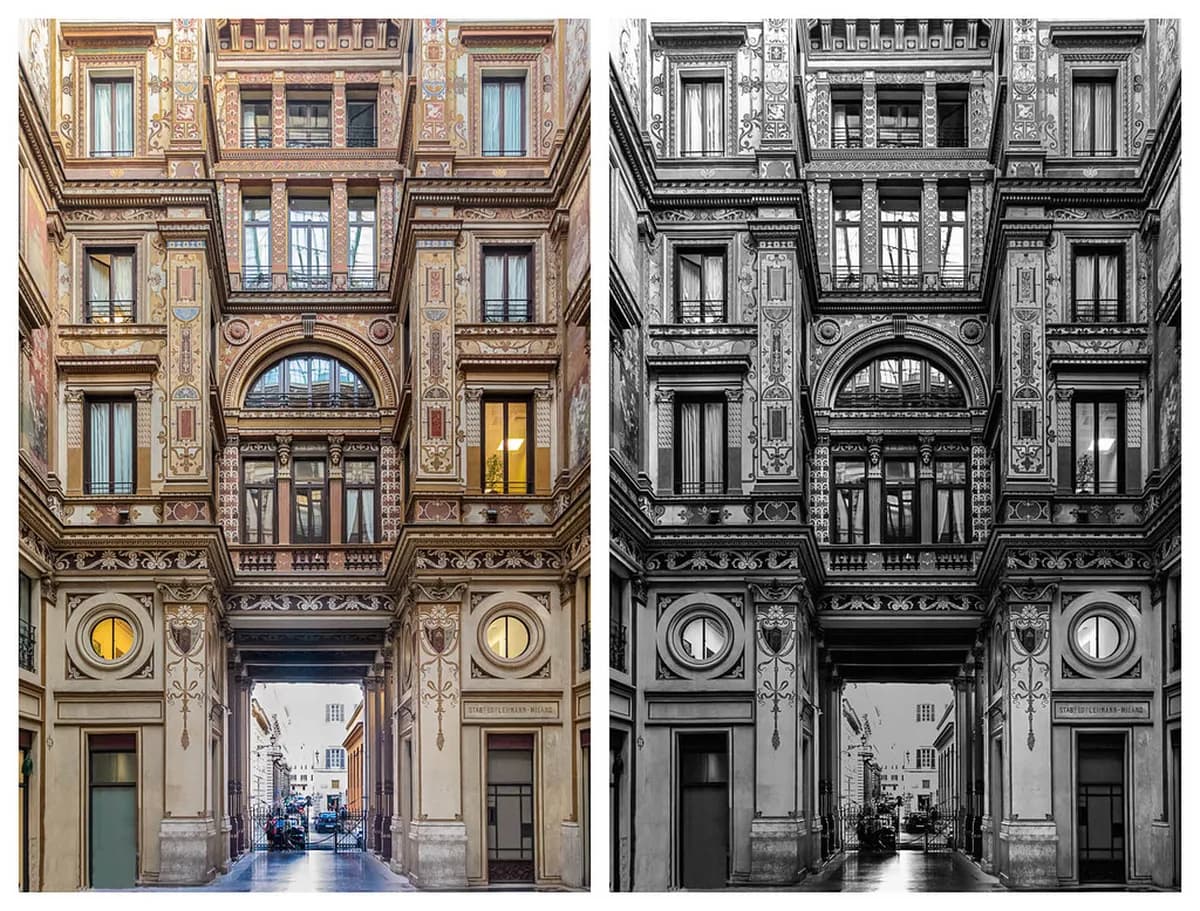
Travellers often arrive expecting a single Arab monument and leave disappointed, because the Kalsa's Islamic past survives less as buildings than as urban structure and cultural memory. The name Al-Khalisa referred to the ancient citadel that the Arab emirs established as their representative seat, and the dense, inward-looking street pattern still carries that logic. What you are reading as you walk is a palimpsest: Arab foundations, Norman and Gothic additions, Baroque rebuildings and modern street art layered into the same blocks.
That layering is why the quarter rewards attention to details rather than a fixed itinerary. A courtyard, a street name or a crumbling wall can tell you more about the Kalsa's long occupation than a museum label, and the absence of a single headline sight keeps the quarter calmer than the areas around Palermo's better-known monuments.
The Passeggiata delle Cattive and the sea-facing walls
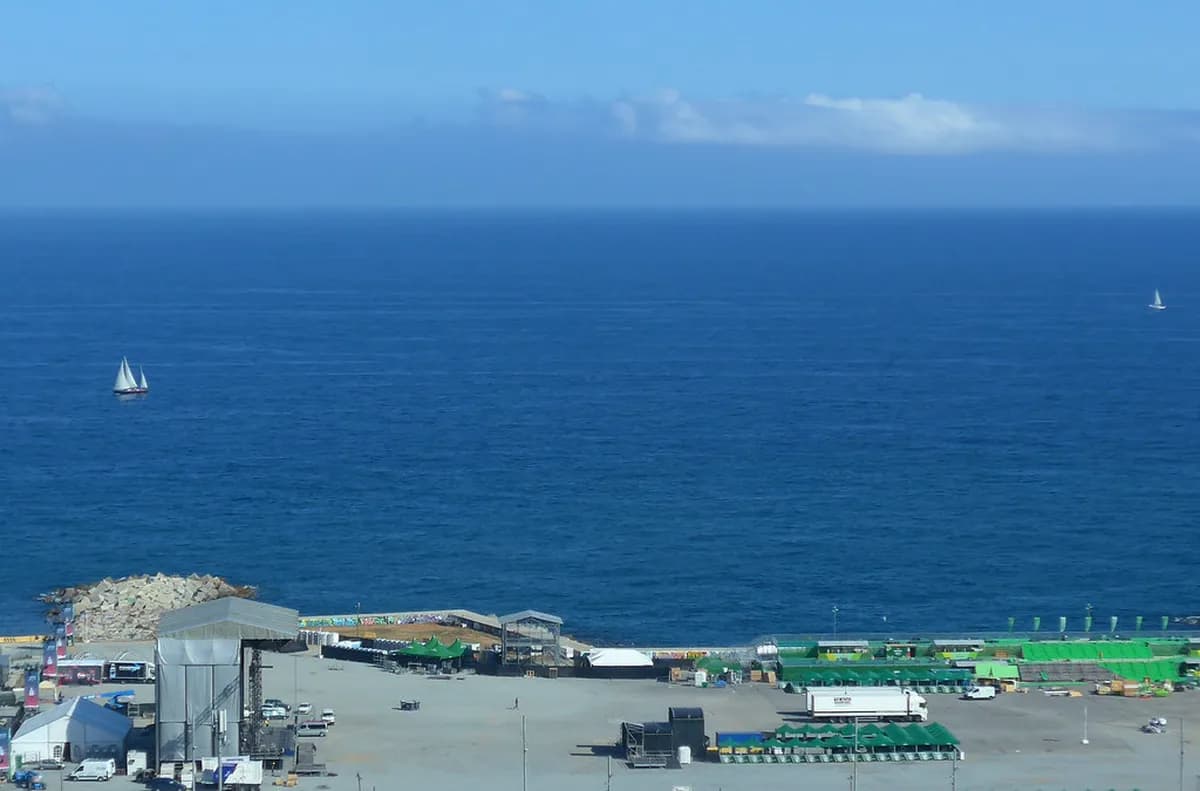
One of the most rewarding stretches of the walk is the Passeggiata delle Cattive, a promenade along the old city walls that opens onto views of the sea and the Gulf of Palermo. The name refers to widows rather than to anything sinister, and the elevated walk gives you a sense of how the city once met the water before later development pushed the shoreline outward. It is an easy, level section of the route and a good place to pause.
Just off this stretch, the Baroque Church of the Pietà adds another layer to the walk. Whether you step inside depends on the time of day and what is open, so treat it as an optional pause rather than a fixed stop; the exterior alone is worth a look as you pass. From here the route turns back inland toward Palazzo Abatellis.
Palazzo Abatellis and the Gothic layer
Palazzo Abatellis is a Gothic palace that now houses the regional art gallery, and it represents the medieval, pre-Baroque stratum of the Kalsa more clearly than almost anything else on the route. The building itself, with its arched windows and stone portal, is worth studying from the street even if you do not go in. Visitors planning to see the collection should consult the Palazzo Abatellis visitor guide for what the museum covers before committing time to it.
The gallery is a ticketed interior, so it belongs in a different category from the free public streets and squares that make up most of this walk. If your time is limited, walking past the palace and continuing toward Piazza Magione keeps the route moving without skipping the Gothic chapter entirely.
Piazza Magione: murals, memory and the war
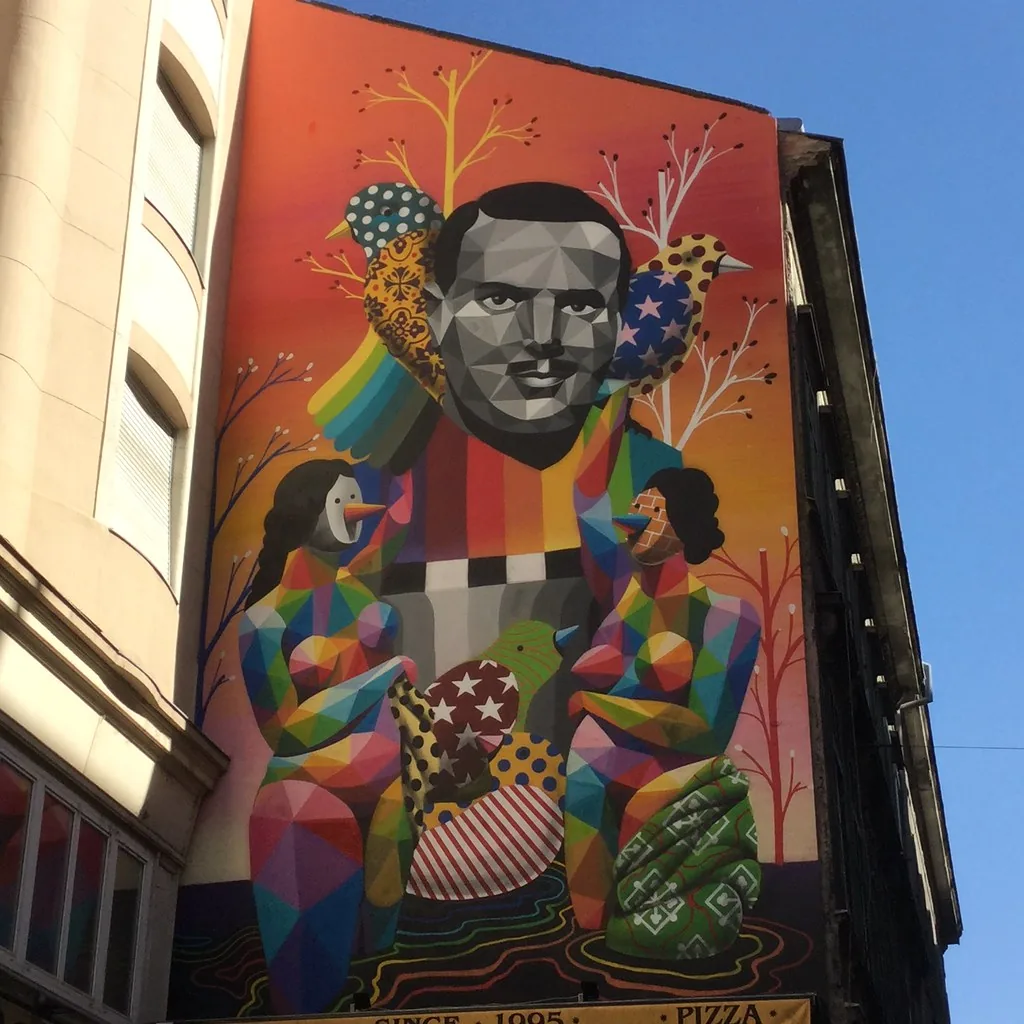
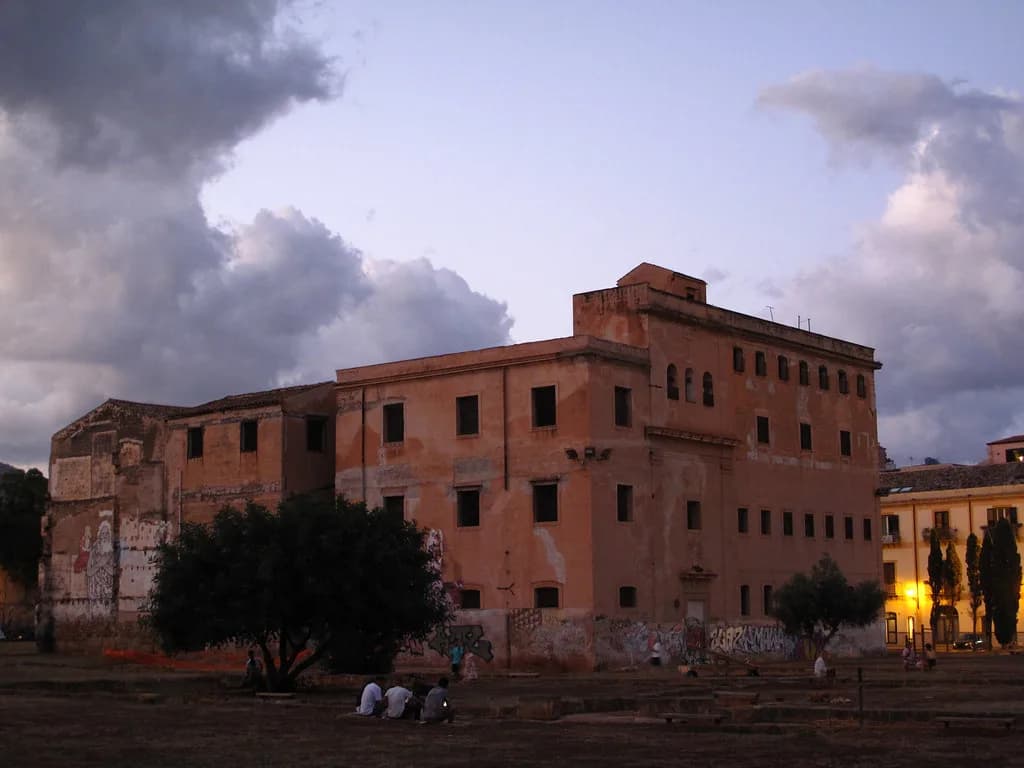
Piazza Magione is one of the Kalsa's larger open spaces and a natural place to slow down. The square and its surrounding lanes carry murals and street art that speak to local identity, and the area also holds the memory of the World War II bombings that damaged much of Palermo's historic centre. Walking through here, the mix of faded grandeur and new paint is part of what makes the quarter feel lived-in rather than preserved.
The square is also a good spot to consider the Kalsa's civic history. Paolo Borsellino was born in this neighbourhood, and the anti-mafia work that he and Giovanni Falcone led is part of the area's contemporary story. Walking these streets with that context in mind, quietly and respectfully, adds a dimension that no single plaque can convey.
Borgo Strafalè and the craft revival
Along Via Alloro and into the lanes around Borgo Strafalè, the Kalsa has seen a revival of local craftsmanship that sits alongside its street art. Small workshops and studios have moved into spaces that were previously abandoned, and the result is a quarter where you can watch traditional skills being practised rather than just displayed. Look for open doors and workbenches; the atmosphere is informal and best appreciated on foot.
This craft revival is one of the reasons the Kalsa feels different from a straightforward open-air museum. The workshops are working spaces, not attractions, so treat them as places to observe from the threshold unless invited in. If you enjoy finding these quieter corners, the hidden gems in Palermo guide covers other overlooked spots across the city.
Street art and Sicilian puppets side by side
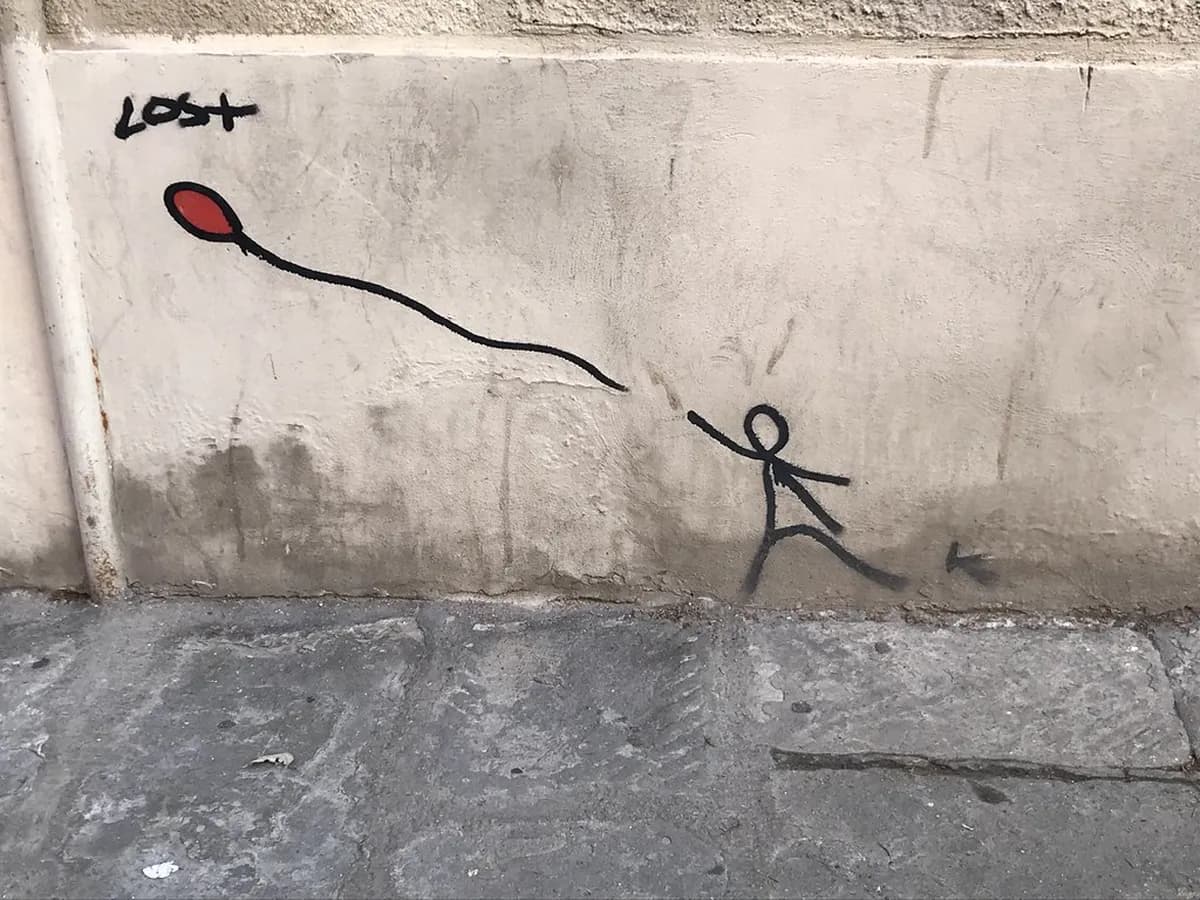
One of the distinctive things about the Kalsa is the way contemporary street art and the tradition of Sicilian puppet theatre occupy the same visual space. Murals bring colour to once-forgotten walls, while the puppet tradition, with its painted carts and marionettes, keeps an older form of storytelling alive nearby. The juxtaposition is not curated; it has grown organically as the neighbourhood has changed.
For walkers, this means keeping your eyes on the upper storeys and side walls as much as on the street level. The art is scattered rather than concentrated in a single open-air gallery, so the pleasure comes from stumbling across it. Allow time to double back when something catches your eye.
Santa Maria dello Spasimo as a pause
Santa Maria dello Spasimo is an unfinished church whose roofless nave has become one of the Kalsa's most atmospheric spaces. Because access can vary with events and exhibitions, treat it as a mood pause rather than a scheduled stop and ask locally on the day before planning around it. Even from the outside, the skeletal structure and its setting give a strong sense of the quarter's layered fortunes.
If it is open when you pass, the interior is often used for events and exhibitions. The safest approach is to fold Spasimo into the walk as an optional detour and to ask at a nearby café or your accommodation for the current situation.
Ending at the Steri
The walk closes at the Steri, the 14th-century feudal residence of the Chiaramonte family that later served as a prison for the Holy Inquisition. Its heavy stone facade and the painted cells inside make it one of the most historically charged buildings in Palermo. The Palazzo Chiaramonte (Steri) visitor guide explains what the site covers and how to approach a visit.
Ending here gives the route a natural conclusion: from the open expanse of Piazza Marina, through the lanes and squares, to a building that encapsulates the Kalsa's mix of power, faith and injustice. From the Steri, it is a short walk back toward the centre or onward to the waterfront.
Day versus evening character
During the day, the Kalsa is a working neighbourhood: markets, workshops and everyday errands give the streets a busy, practical rhythm, and the main sights are easiest to visit while things are open. The light is better for seeing the street art and the architectural details, and the walk itself feels more straightforward when you are not navigating in the dark. A suggested pace for a daytime visit is two to three hours including pauses, though that is a suggestion rather than an official figure.
In the evening, the quarter shifts character. Squares fill with people, and the jazz scene centred on Teatro Santa Cecilia and the Blue Brass club gives the area a different energy. The venues publish their own concert programmes; check them directly on the day if live music is your priority. Treat the evening as a reason to return rather than a fixed programme.
Jazz in the Kalsa: a reason to stay out
The Kalsa's association with jazz runs deep. Teatro Santa Cecilia, a theatre built at the end of the 17th century, was restored and taken over by the Brass Group, an organisation founded in the 1970s with support from international jazz figures, and it now hosts concerts that have become part of the neighbourhood's identity. The nearby Blue Brass club on Via dello Spasimo adds a more informal venue to the mix. Further visitor details appear in Palermo ► A first overview | Sicily • All in one Place.
For visitors, this means the Kalsa is not just a daytime sightseeing district. If you are in Palermo for more than a day, planning an evening around the possibility of live music here is one of the better ways to experience the quarter at its most alive. Confirm the programme with the venue, since schedules change week to week.
Practical notes for walking the Kalsa
Guided versions of this walk exist, but they depend on operator conditions. One local operator describes a roughly two-hour route of about 1.5 km starting at Piazza Marina, with a minimum of ten adult participants and cancellation in bad weather. Those figures belong to that specific tour, not to a self-guided walk, so use them as a rough gauge of distance and time rather than an official standard. Further visitor details appear in Palermo ► A first overview | Sicily • All in one Place.
Independent walkers have more flexibility but also more responsibility for checking what is open. The official tourism site for Sicily, Visit Sicily, is a useful starting point for regional context and events, though it does not list opening hours for individual Kalsa sites.
Plan Your Visit
The Kalsa rewards a half-day of unhurried walking more than a rushed checklist. Start at Piazza Marina, follow the lanes toward the sea, pause where the mood takes you, and finish at the Steri. Bring comfortable shoes, keep some flexibility for opening times, and if you can, return in the evening for the jazz.
For more context on where to base yourself and how the Kalsa fits into the wider city, the Palermo neighbourhoods guide: where to stay is a useful companion. And if you prefer a broader orientation before focusing on this quarter, the self-guided historic centre walk covers the adjoining streets.
Frequently Asked Questions
How long does it take to walk the Kalsa district?
A self-guided walk from Piazza Marina to the Steri can comfortably be done in two to three hours, depending on how often you stop. Guided versions offered by local operators tend to run around two hours over roughly 1.5 km, but that is a specific tour's framing rather than an official standard. Add time if you plan to visit Palazzo Abatellis or other interiors.
What should I see if I only have two hours in the Kalsa?
Prioritise Piazza Marina and the Giardino Garibaldi, the Passeggiata delle Cattive, Piazza Magione and the Steri. Walk past Palazzo Abatellis rather than going inside if time is tight, and treat Santa Maria dello Spasimo as an optional pause. This route keeps you outdoors and moving while still covering the quarter's main layers.
Is the Kalsa worth visiting in the evening?
Yes, if you are interested in the neighbourhood's jazz character. The area around Teatro Santa Cecilia and the Blue Brass club gives the quarter a different mood after dark. The venues publish their own concert programmes, so check directly on the day and treat the evening as a relaxed way to see a different side of the Kalsa.
Do I need a guided tour to see the Kalsa?
No. The route described here works well as a self-guided walk, and most of it is through public streets and squares. Guided tours add context on the Arab origins, street art and civic history, but they depend on minimum participant numbers and can be cancelled in bad weather. If you prefer to go independently, bring a map and allow time to wander.
Sources
Continue exploring
More guides you'll find useful