Catania Seafront and Harbour Guide: A Slow Walk from Piazza del Duomo
Walk Catania's waterfront slowly, from Piazza del Duomo and La Pescheria to the lava coast at San Giovanni Li Cuti, with seafood stops and honest tips.
On this page
Catania rewards travellers who accept it on its own terms. The city was rebuilt after the 1693 earthquake in a distinctive baroque style that pairs dark basalt from Etna with pale limestone, and that black-and-white palette runs right down to the harbour edge. This walk is an editorial suggestion rather than an official route, but it strings together the square, the market, the castle and the coast in a way that makes the waterfront legible on foot.
Plan on a focused half day if you only walk the centre, or a full day if you add a coastal extension. A useful first decision is timing: La Pescheria runs Monday to Saturday from roughly 7:00am to 2:00pm and closes on Sundays, so a market morning shapes everything that follows. Treat those hours as subject to change and confirm locally before a special trip.
What Counts as the Waterfront Here
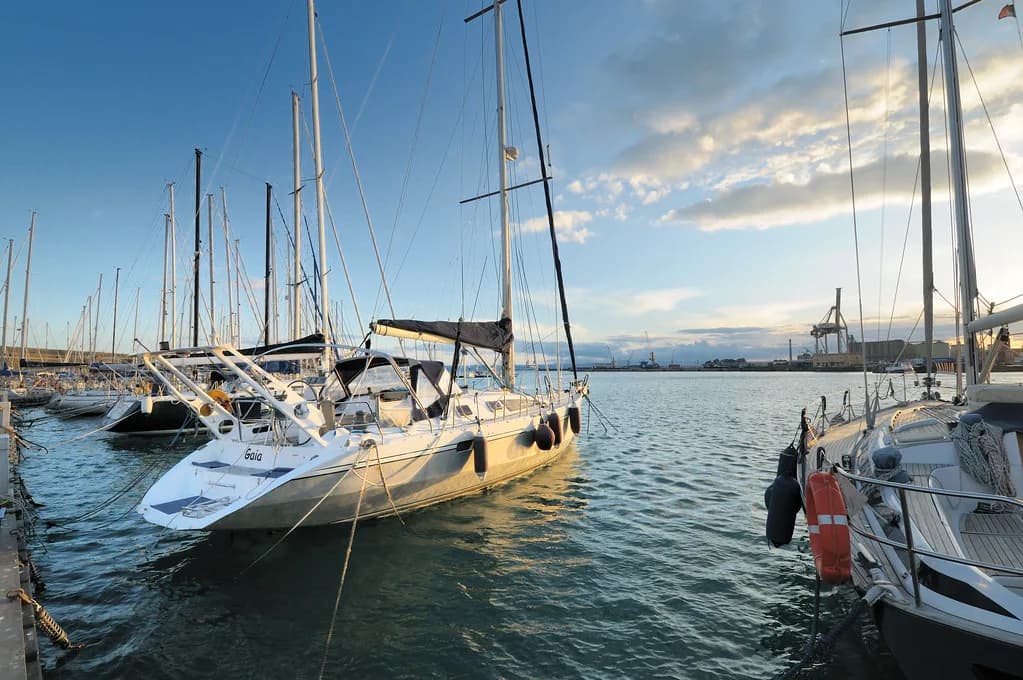
Do not come looking for a long seaside promenade lined with cafés. Sources describe Catania as an industrial port city without the easy romantic lungomare of other Italian coastal towns, and the working port sits behind busy roads rather than opening onto a pleasant stroll. What the city does offer is a compact baroque core a few minutes from the water, with the sea and the volcano framing almost every view.
For practical purposes, treat Piazza del Duomo as kilometre zero. The square is the convergence of the main streets, with Porta Uzeda leading toward the port area, and Via Etnea running straight north toward Etna. Most of the sights sit within about 1.5 km of the piazza, so walking beats any other mode of transport in the centre.
If you want a wider choice of bases before committing to a central hotel, compare the centro storico with Borgo-Sanzio and Ognina in our neighbourhoods guide, then come back to this route on foot.
Start at Piazza del Duomo
Begin at the Elephant Fountain, known locally as u Liotru, a lava-stone elephant carrying an Egyptian obelisk that has served as the city's symbol for centuries. The Cattedrale di Sant'Agata anchors the square, and the whole ensemble was reshaped in the eighteenth century by architects including Giovanni Battista Vaccarini. Entry to the piazza and the fountain costs nothing, which makes it an easy first stop before any paid interiors.
Look for the Fontana dell'Amenano in the corner of the square, where water spills from a marble basin into the darkness below. The Amenano river once ran openly through the city, and today it flows beneath the streets after the 1669 eruption sealed it under lava. This small fountain is the single visible point of a river most visitors never think about.
La Pescheria: The Sunken Fish Market
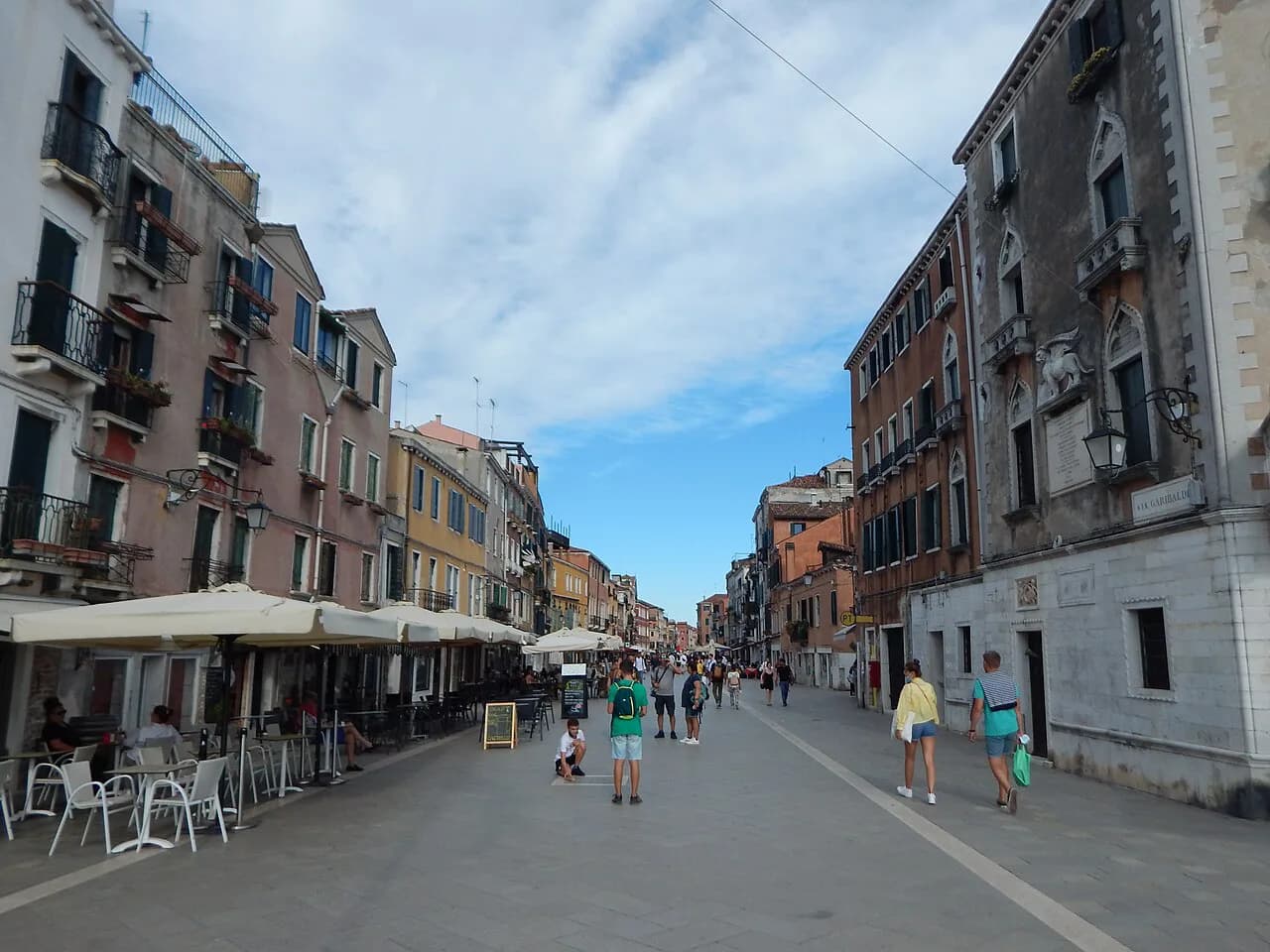
Behind the square, a staircase drops below street level into La Pescheria, the working fish, fruit and vegetable market that has occupied this spot for centuries. Enter from Piazza del Duomo past the Amenano fountain for the theatrical descent, or walk south along Via Garibaldi and turn in at Porta Carlo V for the calmer approach locals use when shopping. The gate itself is small and easy to miss, with the market opening directly beyond it.
Expect the singsong price calls known as l'abbanniata, whole swordfish split along the bone, and a second piazza behind the fish stalls selling produce, cheese and dried goods. The sweet spot is between 9:00 and 11:00, when stalls are full but the alleys remain walkable; arrive after 1pm and half the boards will already be washed down. Peak trading and the freshest fish do not always coincide, so decide whether you want atmosphere or the best selection.
Three scheduling caveats matter. The market may run reduced hours on national holidays such as 25 December, 1 January and Ferragosto, it closes around the 5 February feast of Sant'Agata, and stalls thin out during late July and August when vendors take rolling holidays. None of these change the standard Monday-to-Saturday window, but they do change what you will see.
Market Etiquette That Actually Matters
Most stalls are cash-only, so carry small notes rather than relying on a card. Prices at La Pescheria are not negotiated: you can ask for a smaller cut, never a lower per-kilo rate. Vendors will often hand you a freshly opened sea urchin with a slice of bread in season, which is the closest thing to a discount you are likely to get.
Wear closed shoes. The floor is regularly wet by mid-morning and fish is being cleaned within arm's reach, so sandals are a poor choice regardless of the weather. Wide shots and video of the stalls need no permission, but ask before close-up portraits of vendors, skip the flash entirely, and never photograph other people's children.
A note on the 5 February procession: sources describe a major city feast with devotees carrying a silver fercolo through the streets, and the market closes around it. Plan that day around the procession rather than the stalls.
Seafood Lunch Minutes From the Stalls
There is a clear trade-off between three kinds of lunch near the market. Osteria Antica Marina sits literally inside the Pescheria perimeter and sources list a crudo and sea-urchin pasta repertoire with an indicative spend of roughly 45 to 65 euros per person without wine. That figure comes from a spring 2026 local guide and should be treated as indicative rather than confirmed, so check the restaurant directly before booking.
Scirocco Sicilian Fish Lab is the fast option, two minutes away, built around cones of fried market fish eaten at the counter. Sources indicate a lunch spend of about 15 to 25 euros, again from that spring 2026 guide and subject to change. Choose it if you want to eat within twenty minutes of leaving the stalls.
Trattoria del Cavaliere is the slowest and most local of the three, a narrow family-run room with a handwritten daily menu that follows whatever came up from the market that morning. Expect roughly 25 to 40 euros per person without wine on the same indicative basis. If you only have one meal near the market and want calm over theatre, this is the pick.
For the broader picture of arancini, pasta alla Norma, granita with brioche and Catanese pizza, work through a dedicated Catania local food guide before you commit your appetite to one street.
Underground Water Beneath the Square
The waterfront story continues below street level. The Terme Achilliane, a Roman bathing complex, lies directly beneath Piazza del Duomo; sources describe a combined ticket with the Museo Diocesano at around six euros, with guided visits of roughly twenty minutes on a few fixed slots each day. Treat both the price and the schedule as indicative and confirm at the entrance, since these details shift.
You can also hear the Amenano river at the Fontana dell'Amenano without buying anything, and some bars near Piazza Currò sit inside lava-built spaces where the water runs a few metres away. Keep free public ground and paid interiors separate in your head: the square, the fountain and the market piazza cost nothing, while the underground baths and museum terraces are ticketed.
Castello Ursino and the Coastline That Moved
Walk south to Castello Ursino, the thirteenth-century fortress built by Frederick II. When it was constructed it stood on a promontory surrounded by the sea; the 1669 lava flow pushed the coastline back and left the castle landlocked. That single fact explains more about the city's relationship with water than any plaque on the wall.
The castle now houses the city's civic museum and the Biscari archaeological collection, and it makes a natural pause before you turn toward the coast. Around the backstreets here, the streetscape gets quieter and slightly scruffier, which is part of the honest character of the centre rather than a reason to turn back.
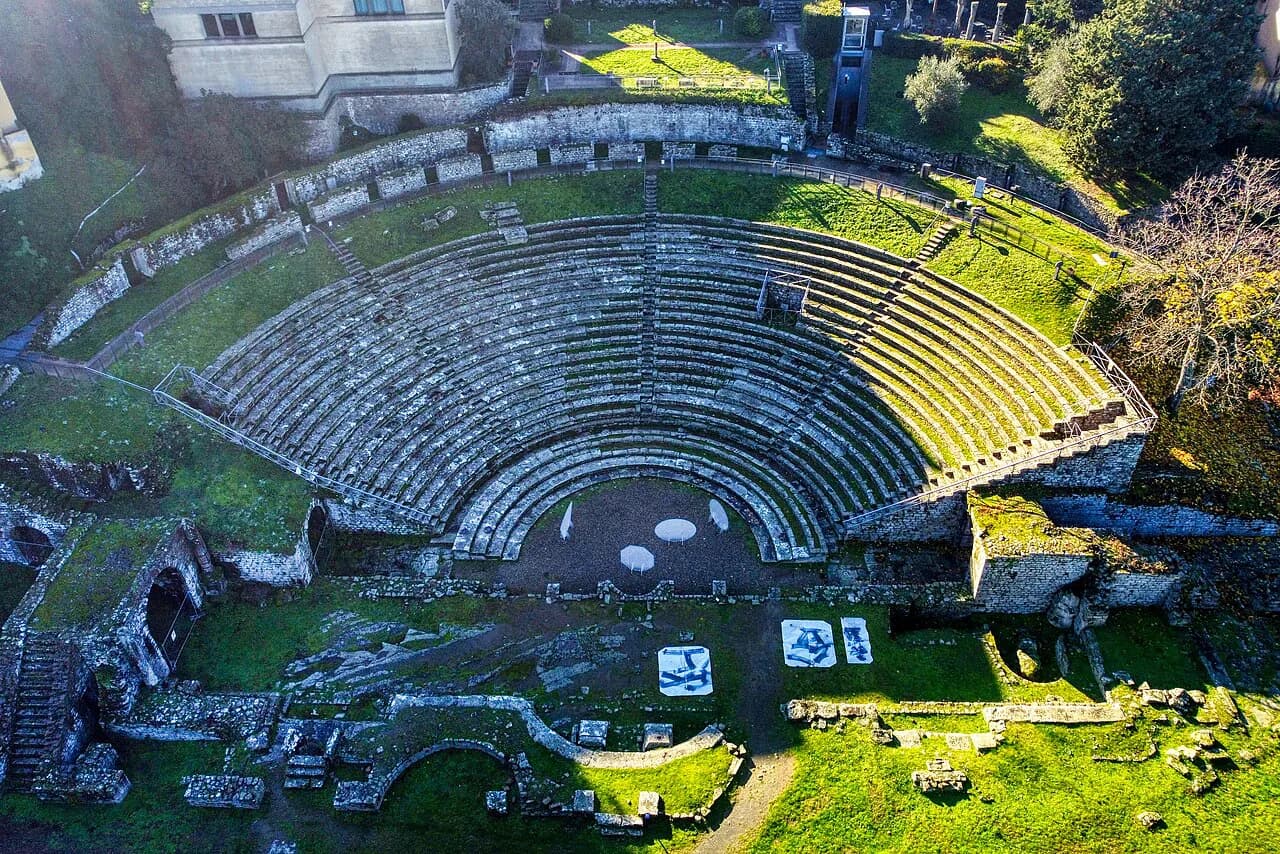
If Roman ruins interest you more than baroque salons, the amphitheatre at Piazza Stesicoro nearby is partly visible below street level and free to look at from the square. It once seated a crowd in the thousands and was largely swallowed by later lava and building.
Toward the Lava Coast at San Giovanni Li Cuti
North-east of the centre, a small cove opens onto a black volcanic beach of basalt pebbles and dark sand, with a tiny harbour where colourful wooden fishing boats are still pulled up on the shore. The contrast between the blue Ionian water and the black rock is the most photogenic thing on this route. It is not a sandy beach, so pack accordingly and wear shoes that cope with pebbles.
For a sandier alternative, sources point to the long beach known as Playa south of the city, reached on foot or by bus. City beaches here do not rival the postcard stretches elsewhere in Sicily, but they work well for a late-afternoon cool-down after the market.
The Riviera dei Ciclopi as a Half-Day Extension
If you want better swimming than the city offers, head north to the Riviera dei Ciclopi, a rocky twelve-kilometre stretch with towns built on volcanic rock. Acicastello has a Norman castle raised on a lava outcrop, and Acitrezza faces the faraglioni, the sea stacks that legend attributes to Polyphemus throwing boulders after Odysseus. In summer wooden platforms are set up on the lava for sunbathing.
This is a half-day rather than an hour. Organised tours and boats operate from the area, but schedules and availability change with the season, so check with operators directly rather than assuming a departure time. If your only spare afternoon falls on a market day, do the market first and the coast second.
You do not need a car for the city route itself; for coastal day trips a rental or an organised tour is the practical choice, since local driving habits and the camera-enforced limited traffic zone make central driving a poor idea.
Practical Walking Notes
Central Catania has an active ZTL enforced by cameras, blue-stripe paid parking that fills quickly, and driving habits that reward caution, so leave the car outside the centre. For longer hops, the AMT bus network covers the city; a single ticket has been reported at one euro with ninety minutes of validity, but treat that as source-reported and subject to change.
From the airport, the Alibus shuttle connects Fontanarossa with Catania Centrale and Piazza Stesicoro; the fare has been reported at four euros with a journey of roughly twenty minutes, again subject to change. A train connection from the airport to the central station is also described, which can be cheaper but involves a short walk or bus ride into the centre.
As a suggested plan, allow a morning for the square, the market and a seafood lunch, an afternoon for Castello Ursino and the underground baths, and a separate half day for the coast. Carry cash, a reusable bag, and shoes that tolerate wet cobbles.
Where This Route Fits a Longer Stay
Catania works best as either a focused city break or a gateway for eastern Sicily. Many travellers give it two nights and use it as a base for Etna, Taormina and Syracuse, while others treat it as a vivid half day before moving on. Both approaches are defensible; the mistake is expecting a polished resort and then judging the city for not being one.
Parts of the centre near the station and the edges of the historic core can feel rundown after dark, and petty theft in crowded markets is the practical risk rather than violent crime. Stick to the brightly lit axis between the Duomo and Via Crociferi in the evening and keep phones out of sight on empty streets.
If you have a spare hour, add the baroque churches and the monastery on the hill above the centre, which is now a university building and offers guided visits. Check the operator's own site for current times and ticket options rather than relying on older figures.
For a fuller list of overlooked corners beyond this waterfront route, from a Byzantine chapel to a rooftop terrace, browse the collection of hidden gems in Catania and build your own second day.
Plan Your Waterfront Day
The honest version of a Catania waterfront day starts in a baroque square, drops below street level into a working fish market, pauses beneath a castle that the sea abandoned, and ends on black rock with the Ionian in front of you. It is a working city rather than a stage set, and the route works best when you let the market's rhythm set the pace.
Before you go, confirm market hours and holiday closures locally, check restaurant prices directly with the venue, and look at transport information from the operator rather than a blog. Those three checks remove most of the friction from a day that otherwise runs entirely on foot.
Frequently Asked Questions
Is the Catania fish market open on Sunday?
No. La Pescheria is closed every Sunday, all year, and sources describe no exceptions for tourist season. If your only morning in Catania is a Sunday, walk the empty market piazza for the architecture and the Amenano fountain instead, or shift your market visit to Monday, when the start of the week is calmer than Saturday and the fish is fresh after the trawlers return.
Can you walk from Catania's cruise port area to Piazza del Duomo?
Sources describe Porta Uzeda as the gate leading from the square toward the port area, which suggests the two lie close together, but published material does not document terminal access rules, security arrangements or a signed route for cruise passengers. Check with your cruise line or the port authority on the day, and treat any walking route as your own judgment rather than an official path.
Is San Giovanni Li Cuti a sandy beach?
No. It is a small cove of black basalt pebbles and dark volcanic sand, with a tiny harbour where wooden fishing boats are pulled up on the shore. That makes it striking to look at but less comfortable underfoot than sand, so bring shoes that cope with pebbles and skip the towel-and-flip-flops setup you would use on a sandy beach.
What should you eat near La Pescheria?
Expect seafood built on whatever came off the stalls that morning, plus the Catanese classics. Pasta alla Norma with fried aubergine, tomato and ricotta salata is the city's signature dish, arancini are the everyday street snack, and granita with brioche is the traditional breakfast. For a slower meal, the family trattorias around the market post a handwritten daily menu that follows the catch.
How long do you need for Catania's waterfront on foot?
As a suggestion rather than an official figure, allow a morning for Piazza del Duomo, La Pescheria and a seafood lunch, then an afternoon for Castello Ursino and the underground Roman baths. Add a separate half day if you want the lava coast at San Giovanni Li Cuti or the Riviera dei Ciclopi, since both involve travel beyond the compact centre.
Is the Riviera dei Ciclopi worth a day trip from Catania?
It is worth a half day if you want better swimming than the city beaches offer. The rocky coast stretches about twelve kilometres north, with Acicastello's Norman castle on a lava outcrop and Acitrezza facing the faraglioni sea stacks. Boat trips and tours operate from the area, but schedules shift with the season, so confirm directly with operators before planning around a departure.
Do you need a car to explore Catania's coast?
Not for the city route, which runs entirely on foot between the square, the market, the castle and the coast. For day trips to the Riviera dei Ciclopi or Etna, a rental car or an organised tour is the practical choice, and driving into the centre is best avoided because of the camera-enforced limited traffic zone and scarce paid parking.
Why is Catania called the black city?
Because its baroque rebuild used dark basalt lava stone from Etna alongside pale limestone, giving the centre its black-and-white character. The material is a direct consequence of the city's history: the 1669 eruption and the 1693 earthquake destroyed much of what stood here, and the reconstruction turned the destructive rock into the fabric of the new streets.
Sources
- Catania Tourism: A Local's Complete Guide
- A Local’s Favorite Things to Do in Catania — Go Ask A Local
- Catania Travel Guide: What to See, Eat, and Do in East Sicily
- Catania Fish Market (La Pescheria): A 2026 Local Guide
- Cathedral Square - Piazza del Duomo
- Roman amphitheatre of Catania
- Monastero dei Benedettini di San Nicolò l'Arena | Catania
- 13 Wonderful Things To Do in Catania | Sicily's Alternative City — ALONG DUSTY ROADS
- Hidden Gems in Catania: 15 Unusual Places Locals Love
- Best Things to do in Catania in 2026 - Withlocals
Continue exploring
More guides you'll find useful