Catania After Dark: An Evening Guide to Bars and Nightlife
Plan a Catania evening with aperitivo, the Via Santa Filomena bar cluster, late-night squares and an attributed note on walking home after midnight.
On this page
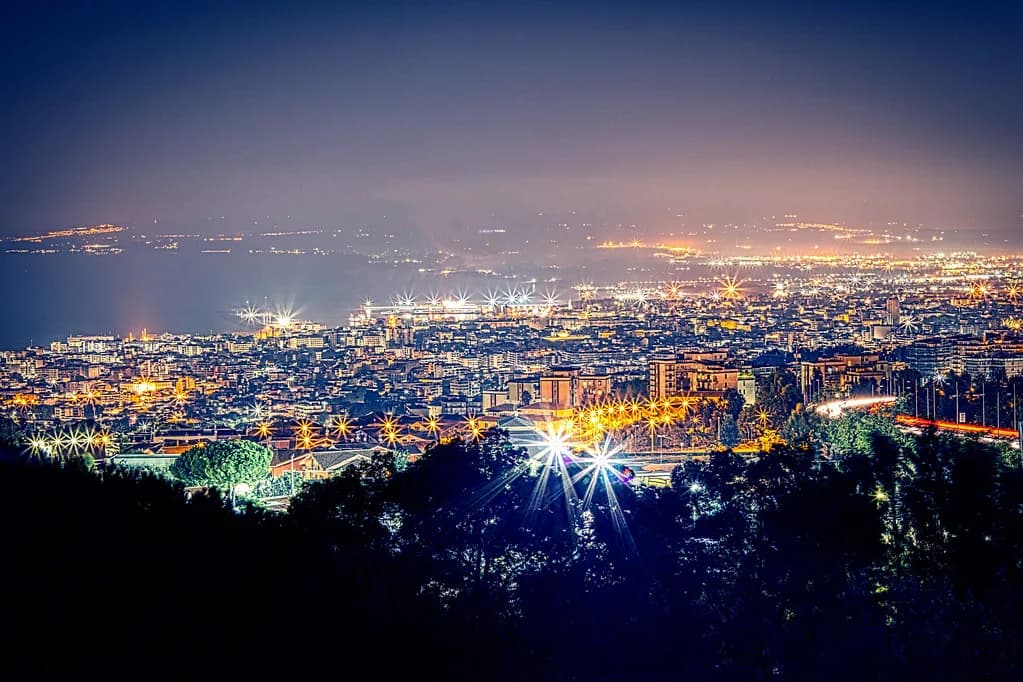
Catania is often billed as the black city, its Baroque core built from lava stone, and daytime visitors tend to work through the same short list of squares, churches and markets before the afternoon thins out. The evening is a different city: bars open near the old centre, crowds drift between squares and side streets, and the pace stays unhurried until quite late. A short walk between clusters is usually enough, but hopping between them repeatedly costs more time than a first-time visitor expects.
This guide treats the night as a sequence of neighbourhoods rather than a ranked list of venues. That matters because Catania's evening geography is compact but uneven: one street may hold most of the dinner-and-drinks traffic, while a neighbouring quarter is mid-redevelopment and reads very differently after dark. You will find suggestions for aperitivo moods, bar streets, late food and atmospheric passes, plus an attributed note on which central pockets deserve caution after midnight. Use the Catania Attractions hub if you want daytime context before deciding where to spend the evening.
One practical rule runs through everything below: nothing is presented as an official schedule or a fixed opening time, because no reliable source is cited for bar or restaurant hours. Confirm a venue's current hours on the day, book where the source suggests it, and treat the night as flexible. If you want the broader map of overlooked corners before planning the evening, start with these hidden gems in Catania.
Why Catania's Evenings Feel Different
Catania is a working port and university city, not a resort, and its nightlife follows that character rather than a tourist calendar. The historic centre between Piazza del Duomo and Via Crociferi is a compact UNESCO-listed Baroque grid, which means the walk from an aperitivo stop to dinner is usually short. What changes after dark is the mood, not the geography: squares that seemed empty in the afternoon fill with people strolling aimlessly.
The evening also drifts easily into the market-to-table thread of the city. La Pescheria, the fish market behind Piazza del Duomo, is a morning to early-afternoon institution, with most fish stalls starting to pack up by around 1:30pm and no trading at all on Sundays, so evening seafood dinners lean on the catch made earlier, not on a night market. Plan the market for a weekday or Saturday morning and keep the evening for eating what it sold. The working rhythms are set out in practical detail in this Catania Street Food Guide, which is easy to adapt to an evening pass.
Set the Rhythm: Aperitivo, Dinner, Then the Walk
A common Catanese shape to the night is a drink near the centre, dinner properly seated, then a slow wander that may or may not end somewhere else. Rather than treating one bar as the event, the passeggiata itself is the event: the evening crowd moves along Via Etnea and through the piazzas, which stay busy late into the night according to a Via Etnea city description. The avenue runs three kilometres in a straight line north from Piazza del Duomo toward Mount Etna, and its first stretch is a Baroque parade of churches and noble palaces paved in lava stone, as described by ZonzoFox. Treat the first drink as a rhythm-setter and the walk as the main thing, and you will spend less time in transit.
Timing is the one thing travellers most often misjudge. Catania's evenings are described as late-starting, and the most useful advice is to eat when the city eats rather than when you are hungry. If you want a slow first night, book accommodation in the historic centre near Piazza Duomo and the surrounding markets, so that the walk home stays short and informal.
Aperitivo With a Point of View: Razmataz and the Light End
Razmataz is described as a casual all-day dining spot with updated versions of Sicilian classics and a strong wine list, which makes it a sensible choice if you want to eat and drink in the same place. Its suggested orders lean local, with regional wines and vegetable dishes featuring Sicilian cheese. Use it as a dinner-and-a-glass base rather than a cocktail stop. To match dishes to the city properly, the Catania Local Food Guide: What to Eat and Where is the companion read.
If your priority is a light, early evening rather than a long table, the same advice holds: pick a spot with actual food, not a drinks-only start. Catania's aperitivo culture overlaps with its street-food culture, and a good snack on the way in can be an evening's opening act. This Street Food Guide: Best Snacks and Where to Find Them covers the daytime and evening snack options that work before a late dinner.
Pamochã and the Champagne-Bar Angle
Pamochã, whose name riffles through pane, mortadella and champagne, is presented as a cocktail and champagne bar with a very large list of labels plus a full spirits selection. The food side matters as much as the drinks: the source lists fried eggs with caviar, truffle or sea urchin, charcuterie and cheese boards, sandwiches, oysters and plenty of raw seafood. In practice, this suits a celebratory or long-aperitivo night where the food is a reason to stay, not a garnish.
The champagne framing tells you what kind of evening to expect: this is a seated, order-properly kind of place, not a quick standing beer. Because labels and availability shift, check the current list and whether a table is needed rather than relying on a reprinted menu. The same publication also points to Via Santa Filomena as the most gourmet street in Catania, which makes Pamochã a natural starting point if you want to eat there afterwards.
Via Santa Filomena: One Street as an Evening Base
Via Santa Filomena is described as the most gourmet street in Catania, busy with restaurants, bars and clubs, which makes it a rare thing in the old centre: an evening concentration you can reach on foot and then stay in. The efficient way to use it is to pick one venue for dinner and one for a drink afterwards, rather than crossing town between courses. It is a daytime food street first, so the atmosphere builds as kitchens get busy.
The trade-off is variety of one kind against variety of another: staying on one street means less sightseeing between venues, but more time actually enjoying the ones you chose. On busy weekends, a booking is the difference between a plan and a queue. For day-to-day dishes and context, the Catania Local Food Guide is the place to check before you commit to a street.
Via Gemmellaro and the Younger, Cheaper End
For a younger, looser version of the evening, the Via Gemmellaro area is worth knowing. A travel account of things to do in Catania describes Vermut as hipster-friendly, serving small plates in tapas style with local wine in the low-price bracket, popular with students and a young crowd. Nearby, Frequenzia is described as a bar with good music taste, simple food and strong drinks, open late.
Because no reliable source in this guide gives current hours, treat the neighbourhood as a zone rather than a timetable: arrive, look at what is busy, and let the evening go from there. This is also where the evening overlaps with the city's cheaper street-food culture, so an early snack and a later sit-down meal is a workable pattern. Check the Catania Street Food Guide: Best Snacks and Where to Find Them for the snack side of that plan.
San Berillo Vecchio After Dark
San Berillo Vecchio, once Catania's red-light district and partly demolished in a mid-twentieth-century redevelopment, is described as oscillating between dilapidation and the desire for change. The same source notes growing street-art activity and community regeneration, including the Gammazita bar and art space anchoring the cultural revival. An apartment guide likewise describes murals covering entire building facades in what survived, now one of Sicily's most vibrant street-art districts. Come at a slower pace: this is a neighbourhood in transition, not a polished nightlife district, and the atmosphere changes block to block.
There is a second, practical side to that honesty. One apartment guide names the quiet pockets of San Berillo Vecchio between Via Pacini and Stesicoro as a place less experienced solo travellers should avoid after midnight. Treat that as a third-party navigation note rather than official guidance, and keep to the brightly lit Via Etnea and Duomo-to-Crociferi axis if you are walking late. For more on the quarter's daytime character, see the hidden gems in Catania.
Piazza Federico II and Castello Ursino at Night
Piazza Federico II of Swabia, the square around Castello Ursino, is worth a slow pass after dark rather than a ticketed night out. The medieval fortress was built between 1239 and 1250 for Emperor Frederick II and now houses a museum; its walls are adorned with a blend of Christian, Arab and Jewish symbols testifying to the coexistence of communities in medieval Catania. When it was built in the thirteenth century the fortress stood on a rocky promontory surrounded by the sea, until the 1669 lava flow pushed the coastline back and landlocked it, as a local guide explains. During the day the square can feel quiet; a travel account notes that the area near the castle walls becomes livelier after dark, with bars spilling into the side streets.
The sensible move is to use the piazza as a link between the centre and the castle district rather than as a destination in itself, and to keep an eye on how far the walk back is getting. If you want the structural context first, Castello Ursino appears among the Catania Attractions covered by dedicated guides.
Late Food: Keeping the Market-to-Table Thread
Because Catania's signature dishes are built on what the morning market brought in, late eating here tends to be seafood, pasta and fried street food rather than a separate late-night cuisine. Near La Pescheria, Osteria Antica Marina and Scirocco Sicilian Fish Lab are two options with a market connection, and Scirocco's cone-style fried fish is a light evening option, albeit weather-dependent. The market itself is not a night market, so plan the evening around the restaurants, not the stalls.
One important caveat applies to any venue recommendation: hours shift with the season and the day, and no reliable timetable is cited here. Verify before you go, especially for a late meal after a long day. If you are travelling with cash and buying anything on the way, a small amount of cash helps; the fish-market guide notes most stalls are cash-only, which sets expectations about payment habits in the same neighbourhood. For a fuller list, use the Catania Local Food Guide: What to Eat and Where.
Seltz Kiosks, Squares and the Passeggiata
You do not need a plan to join the evening in Catania. The Via Etnea description notes that the streets around the street hold around a hundred places to eat and drink and that the avenue stays busy late into the night, which makes it a safe default for a wandering evening. A tour operator listing also describes an evening route from the seltz kiosks toward Piazza Bellini, which is a useful shape for a first walk: start near the centre, drift north, and end among crowds. If you want a green pause before the night begins, Villa Bellini, Catania's oldest park, occupies the upper stretch of the avenue.
If you would rather be led than wander, a short group or private walk is a reasonable option, though some of the listed tours carry per-person prices that you should check directly with the operator. Free options are also part of the picture, with the cathedral square and several churches open to visitors for nothing; the Free Things to Do in Catania guide covers what costs nothing and what needs a ticket. One free viewpoint worth knowing for early evening is the terrace of the Chiesa della Badia di Sant'Agata, reached by stairs up to the dome for a 360-degree sweep over the city and Mount Etna, according to a travel guide to Catania.
A Third-Party Note on Night Navigation
A Catania apartment guide offers a specific caution set: after midnight, less experienced solo travellers should avoid the quiet pockets of San Berillo Vecchio and the far edges of the Librino district, well outside the centre. The guide frames the practical risk as petty theft rather than violence and treats the advice as a navigation note, not official police guidance. The central axis around Via Etnea and the Duomo-to-Crociferi route is described as fine, so the sensible rule is to stay on lit, active streets rather than to treat the whole city as hazardous.
Where to Sleep Near the Evening
If the evening is the point of the trip, staying in the historic centre pays for itself in walking time. Palazzo Scammacca is a renovated nineteenth-century building near Piazza Duomo with apartments and rooms, and Asmundo di Gisira is described as a boutique stay in the heart of the historic district with eclectic rooms and frescoed ceilings. Both put the evening clusters within a short walk, which matters when the return trip is late.
A mid-priced alternative worth checking is Liberty Hotel, an early twentieth-century Art Nouveau villa described as a short walk from the university and a little over a kilometre from the Bellini theatre. It trades some centrality for a quieter setting, so it suits travellers who want their night to end before the city does. Rates and availability shift, so confirm directly rather than relying on any quoted figure.
Practical Evening Planning
Carry cash for snacks and small purchases, wear shoes that cope with uneven lava paving and streets that can be wet after market hours, and keep the evening's route flexible rather than booking every stop. If you are using the market as an evening thread, remember it closes by mid-afternoon and not at all on Sundays, which one fish-market guide spells out. And treat printed prices and hours as prompts to verify rather than fixed facts, because venues and seasons change.
The most efficient plan for most visitors is two nights rather than one: a first evening around Via Santa Filomena and the Duomo, and a second one further out toward Castello Ursino and San Berillo Vecchio during daylight and early evening. Use the Catania Attractions: Visitor Guides to 14 Sights for the daytime hours and reserve the night for walking and eating.
Plan Your Evening in Catania
Catania rewards an evening spent in one or two areas rather than a checklist of bars. Pick an aperitivo mood, commit to one street for dinner, and save the wandering for afterwards. The city's evening life is real but not staged for visitors, which is exactly its appeal.
Check current hours and bookings before you go, keep cash and good shoes handy, and take the third-party caution about late-night central pockets as common sense rather than alarm. Use the daytime guides to orient yourself, then let the evening run at Catanese pace.
Frequently Asked Questions
Is Catania good for nightlife?
Yes, if you want a lived-in, local night rather than a resort strip. The evening centres on the historic core between Piazza Duomo and Via Crociferi, with Via Santa Filomena and Via Gemmellaro as the two main clusters for dinner and drinks. Choose one area per night instead of crossing town repeatedly, and check current hours with each venue.
What time does the evening start in Catania?
Catania starts later than many northern European cities, with aperitivo merging into a late dinner and a long passeggiata afterwards. No reliable timetable for individual venues is available here, so confirm on the day rather than planning to fixed slots.
Is Via Santa Filomena the best street for bars in Catania?
It is the most concentrated evening street for restaurants, bars and clubs in the centre and works well as a single base for dinner and a drink. Whether it suits you depends on your mood: for a younger, cheaper night, the Via Gemmellaro area is the alternative, with small plates and late bars.
Is San Berillo Vecchio safe at night?
It is a neighbourhood in transition with real street life and regeneration, and during daytime hours it is worth exploring. One apartment guide advises less experienced solo travellers to avoid its quiet pockets after midnight and frames the practical risk as petty theft rather than violence. Stay on lit, active streets late at night.
Where can you eat late in Catania?
Late eating is mostly seafood, pasta and fried street food in the market-adjacent streets rather than a dedicated late-night food district. Options near La Pescheria include Osteria Antica Marina and the cone-style fish at Scirocco Sicilian Fish Lab. Check each venue's current hours, since kitchens thin out after peak dinner.
Do Catania bars and restaurants need booking?
Some do at weekends and in busy periods, especially seated dinner spots and anywhere popular with groups. A booking is the difference between a plan and a queue. Confirm directly with the venue, as reservation policies vary and are not fixed across the city.
What should you avoid after midnight in Catania?
Treat the quiet pockets of San Berillo Vecchio between Via Pacini and Stesicoro, and the far edges of Librino, as areas to navigate with care after midnight; that is a third-party travel note, not official guidance. Stick to the lit central axis and keep phones out of sight in deserted streets.
Where should you stay in Catania for the evening?
Staying in the historic centre keeps the evening clusters and the walk home short. Palazzo Scammacca and Asmundo di Gisira are both near Piazza Duomo, while Liberty Hotel is slightly out of the centre. Ask each property about late arrival and confirm rates directly.
Sources
Continue exploring
More guides you'll find useful