10 Non Touristy Things to Do in Prague (2026)
Discover 10 non touristy things to do in Prague. Explore hidden neighborhoods, local food, and quiet parks away from the crowds with our local guide.

On this page
10 Non Touristy Things to Do in Prague: A Local Insider Guide
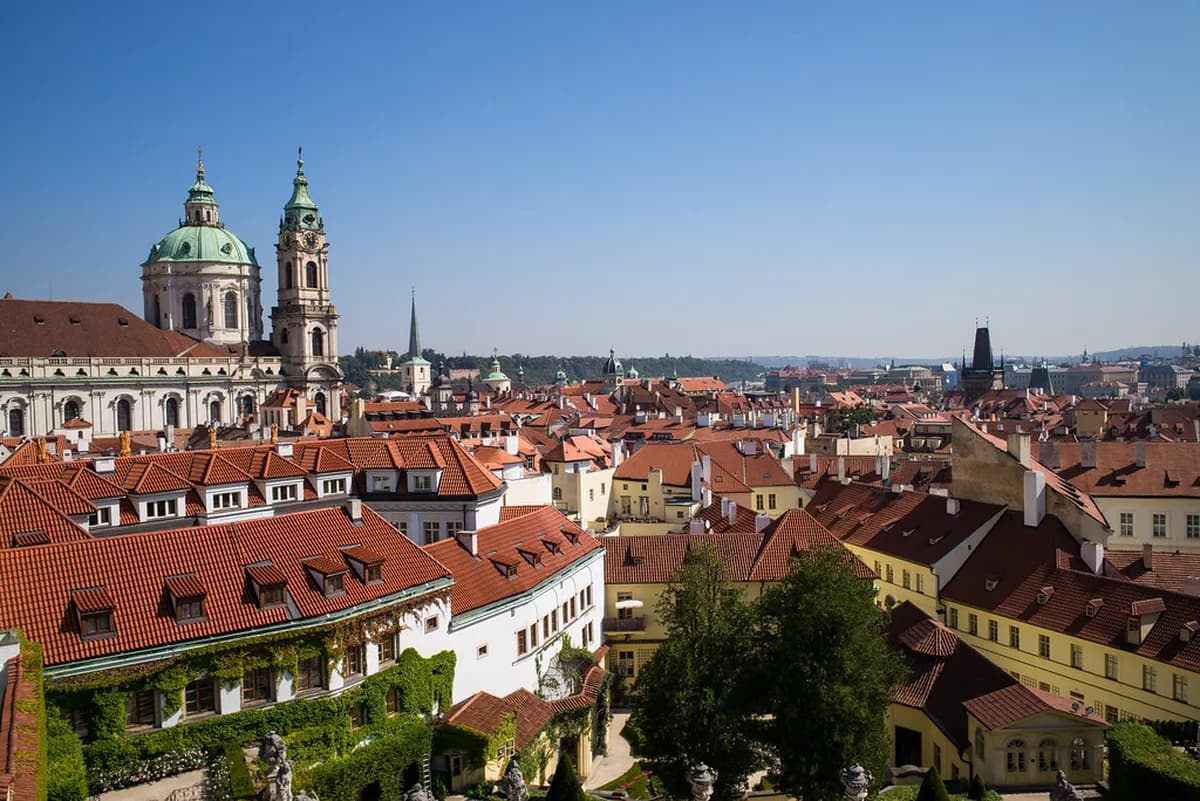
Prague is two cities in one. The tourist Prague — Old Town Square, Charles Bridge, the Astronomical Clock — is stunning but heaving with crowds from April through October. The local Prague, starting roughly fifteen minutes walk from any of those landmarks, is quieter, cheaper, and far more interesting. This guide focuses entirely on that second city.
We refreshed this list in May 2026 with updated prices, transport details, and seasonal notes. Whether you have two days or two weeks, these ten experiences give you a genuine feel for how Prague residents actually spend their time.
Best Things to Do in Prague Beyond the Old Town
Most visitors stick to Prague 1 and 2 and miss three of the city's most rewarding districts entirely. Karlín, Holešovice, and Žižkov each developed a distinct personality after a wave of post-flood regeneration in the early 2000s, and in 2026 they collectively hold the city's best bars, art spaces, food markets, and green parks. You will pay half the price for a beer in any of them compared to the Old Town. For a curated local overview, the VisitCzechia Prague superguide maps neighborhood specifics across each district.
Karlín sits ten minutes east of the centre and attracts a mix of young Czech families, designers, and tech workers. Holešovice, slightly north, has a gritty industrial core that now hosts the DOX Centre for Contemporary Art and the Vnitroblock creative hub. Žižkov, to the east, is the city's most traditionally working-class neighbourhood, still defined by narrow streets, endless pubs, and a television tower that David Černý covered in giant crawling babies. Walking all three in sequence makes for a full and memorable day.
Getting between these districts by tram is straightforward and cheap. A 90-minute transfer ticket costs 40 CZK (roughly €1.60 in 2026). Tram 8 and tram 3 connect Karlín directly to the city centre, while tram 1 and 25 serve Holešovice. None of these trips take more than twenty minutes.
10 Best Non Touristy Things to Do in Prague
These ten spots represent the experiences locals return to repeatedly, not one-time curiosities. They range from free outdoor walks to ticketed art museums, so you can mix and match based on budget and interest.
- Kasárna Karlín Cultural Complex
- Occupying a former military barracks in the Karlín district, this vibrant courtyard hosts outdoor cinema, live music, and a sand-filled summer bar.
- Entry to the courtyard is free; ticketed evening events typically run 200–400 CZK ($9–$18).
- Take tram 3 or 8 to the Florenc stop and walk five minutes. The swimming-pool bar — a converted indoor pool — is the standout detail.
- Jelení Příkop (The Deer Moat)
- Running directly beneath Prague Castle, this forested ravine is almost entirely tourist-free despite being metres from one of Europe's busiest attractions.
- Access is free. Gates open daily from spring through autumn during daylight hours. Tram 22 to Pražský hrad, then walk down.
- Look for the brick pedestrian tunnel designed by architect Josef Pleskot — an understated but genuinely beautiful piece of contemporary architecture.
- Jídelna Světozor Socialist Canteen
- Tucked inside a passage near Wenceslas Square, this weekday canteen has changed almost nothing since the 1970s. Goulash, svíčková, and bread dumplings run 120–180 CZK ($5–$8) per plate.
- Open weekdays 10:00–15:00. Cash only. Arrive before noon to get a full selection before popular dishes sell out.
- DOX Centre for Contemporary Art
- Established in 2008 in a former metal factory in Holešovice, DOX was the catalyst for the neighbourhood's transformation into Prague's creative core. Its permanent installation — the Gulliver Airship, a giant wooden zeppelin — doubles as a quiet reading room. Visit the official DOX visit page for current exhibitions.
- Tickets 220 CZK (adult). Open Wednesday–Sunday. Tram 6 or 12 to Ortenovo náměstí.
- Vyšehrad Fortress and Cemetery
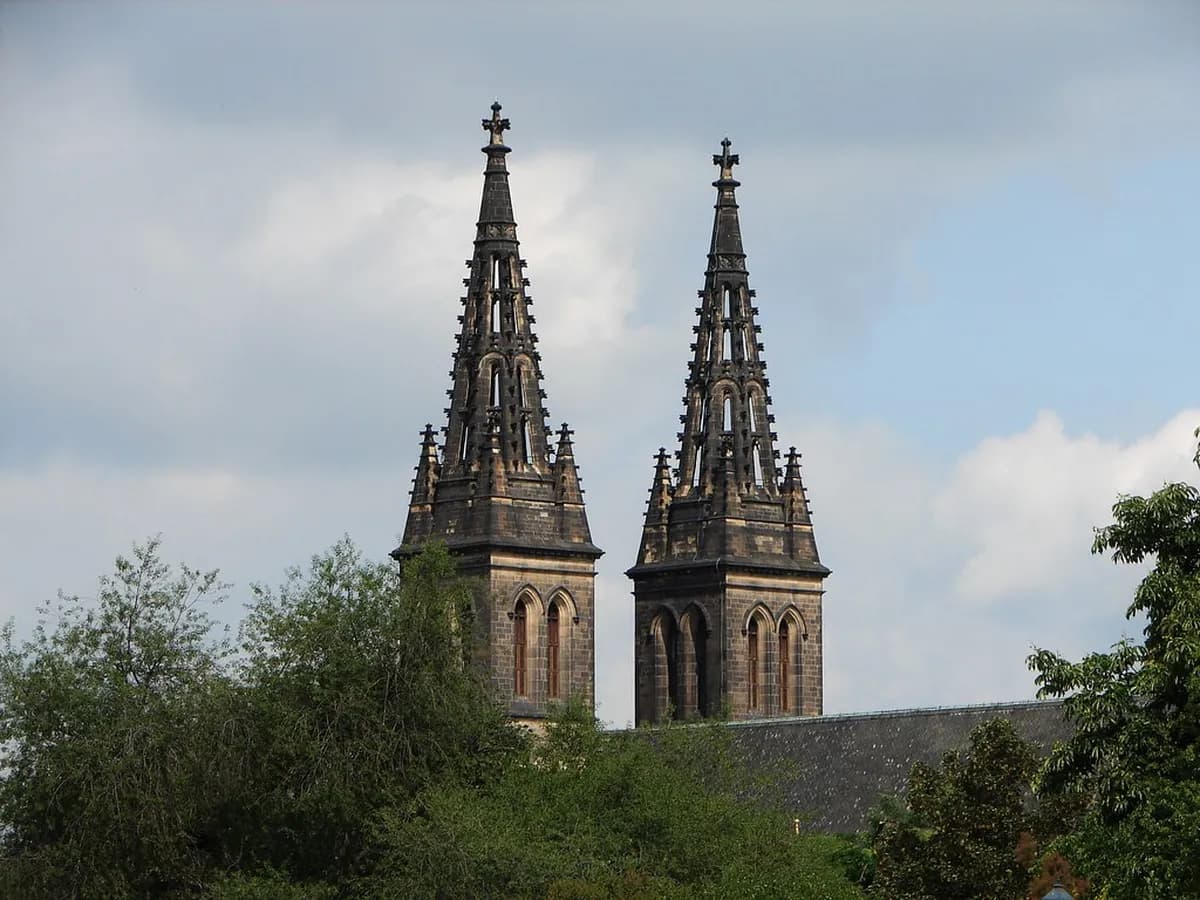
- Perched on a cliff above the Vltava, this tenth-century fortress is where Antonín Dvořák, Bedřich Smetana, and Alphonse Mucha are buried. The Vyšehrad Cemetery is among the most beautifully maintained in Central Europe.
- Grounds free; Basilica of St. Peter and St. Paul around 50–80 CZK. Metro line C to Vyšehrad, then walk ten minutes. Sunset views here are considerably better than anything Charles Bridge offers.
- Vnitroblock Creative Hub
- A converted industrial warehouse in Holešovice with a Signature design store, a good café, and a regular programme of weekend markets. Popular with local designers and freelancers.
- Coffee and food 90–160 CZK. Browsing the design shop is free. Tram 1 or 25 to Dělnická.
- Náplavka Farmers Market
- Every Saturday morning along the Rašín Embankment, locals buy fresh pastries, regional cheeses, Czech wines, and seasonal produce here. Arriving before 09:00 avoids the peak crowd.
- Free entry; budget 200–300 CZK ($9–$14) for food. Walk down from Karlovo náměstí metro station.
- Prague Metronome and Letná Park
- The giant red metronome on Letná Hill occupies the pedestal of a demolished Stalin monument, which gives it a peculiarly Czech sense of humour. The surrounding park is where locals skateboard, drink tank Pilsner at the beer garden, and watch the city below.
- Free entry. Beer garden open seasonally until late. Walk up from the Čechův most tram stop.
- David Černý Sculpture Walk
- Černý's provocative public art is scattered across the city — crawling babies on the Žižkov TV Tower, a man hanging from a pole in the Old Town, an upside-down horse inside the Lucerna Passage, and rotating metallic heads outside the Kafka Museum.
- All outdoor sculptures are free and accessible at any hour. Start at Quadrio shopping centre near Národní třída metro and work outward from there.
- Divoká Šárka Nature Reserve
- A wild rocky valley on the northwestern edge of the city with hiking trails, dramatic cliffs, and a spring-fed outdoor swimming pool. It feels genuinely remote despite being thirty minutes from the centre by tram.
- Reserve entry free; pool around 130 CZK ($6) adult. Tram 20 or 26 to Divoká Šárka terminal stop. Follow the red trail down the gorge.
| Spot | District | Entry | Best For | Transport |
|---|---|---|---|---|
| Kasárna Karlín | Karlín | Free (courtyard) | Families, cinema | Tram 3/8 to Florenc |
| DOX Centre for Contemporary Art | Holešovice | 220 CZK | Art & architecture | Tram 6/12 Ortenovo nám. |
| Vyšehrad Fortress | Vyšehrad | Free (grounds) | History, views | Metro C to Vyšehrad |
| Náplavka Farmers Market | New Town | Free | Local food, Saturdays | Karlovo nám. metro |
| Divoká Šárka | Prague 6 | Free (pool ~130 CZK) | Hiking, swimming | Tram 20/26 terminus |
| Prague Metronome & Letná Park | Letná | Free | Beer garden, views | Walk from Čechův most |
Local Food Culture You Won't Find in the Guidebooks
Prague has a significant Vietnamese community, a legacy of a Communist-era guest worker programme that brought tens of thousands of Vietnamese workers to Czechoslovakia in the 1970s and 1980s. Many stayed. Their children opened restaurants featuring dishes from across Vietnam — not just the North Vietnamese standards the first generation brought over. As a result, Prague now has some of the best Vietnamese food in Central Europe, and most visitors walk right past it.
The biggest concentration is at Sapa Market on the southern edge of the city — sometimes called Little Hanoi — a sprawling complex of Vietnamese shops, restaurants, and food stalls that functions as a self-contained community. It is not a tourist attraction, and you should act accordingly: ask before photographing anyone, and order by looking at what other diners have on their tables. Bus 106 from Budějovická metro station gets you there in about fifteen minutes.
If Sapa feels too far out, look for Vietnamese egg coffee (cà phê trứng) in the inner city. This drink — blended egg yolk, sweetened condensed milk, and espresso — has a consistency close to marshmallow cream and is virtually unknown outside Vietnam and a handful of Czech cafés that cater to locals. It is one of the genuinely unusual things you can drink in Prague that costs under 100 CZK.
Beyond Vietnamese food, Prague's outdoor food festival calendar rewards visitors who time their trip well. In May, the Pivo a Burger festival runs on a Sunday in Karlínské náměstí — exactly the kind of event that never makes international travel roundups. The Prague Ice Cream Festival fills Výstaviště Praha the last weekend of June. In September, Americke Street in Vinohrady turns into an international food and music festival for a full weekend. Check Facebook Events for exact dates in 2026, since venues and weekends shift slightly each year.
Prague's Vietnamese community, present since the 1970s Communist-era guest worker programme, runs some of the best Vietnamese restaurants in Central Europe. Sapa Market (Prague 4, bus 106 from Budějovická metro) serves pho for around 100 CZK — far cheaper than anything in the Old Town.
Unusual Things to Do in Prague for Curious Visitors
Prague rewards people who look slightly sideways at the standard itinerary. The city has working paternosters — open-cage elevators that run on a continuous loop without stopping — and the most accessible one is inside Prague City Hall at Mariánské náměstí. You step on and off a moving platform, which sounds alarming until you watch locals do it without a second thought. Guided paternoster tours run from the same building.
River surfing is another activity that few visitors know about. A surfable wave on the Vltava, similar in concept to Munich's famous Eisbachwelle, runs for most of the year near the centre. Tour operators including Biko Adventures run afternoon group sessions; you only need to be able to swim, not surf.
The Anonymous Bar on a quiet Old Town street runs a two-menu system. You order off the visible menu first. If you stay for a second round, the server produces a black-light menu — invisible under normal light, readable only with the UV key they hand you. The cocktails on the secret menu are consistently better than the first round. It is the kind of thing that turns a Prague night out into an actual story.
For something more athletic, the Únětice day trip involves a bike ride or a forest walk from the edge of the city to a small brewery town (Únětický Pivovar) that serves potato dumplings stuffed with smoked meat alongside fresh lager. The combination of physical effort and a long, unhurried lunch at a Czech brewery is a quintessentially local way to spend a weekend day.
Planning Your Trip: What to Skip and Local Secrets
Trdelník — the spiral pastry sold on every tourist-facing corner — is not historically Czech. It was imported from Slovakia and Hungary and marketed aggressively to tourists in the 2000s. Avoid it and seek out větrník (VYET-er-NEEK) instead: a round choux pastry filled with vanilla and caramel creams, topped with caramel glaze. Gardens Restaurant near Wenceslas Square and Café Savoy both serve excellent versions. Price: around 80–120 CZK.
Golden Lane inside Prague Castle is worth knowing about, but not at peak hours. The lane itself is charming, but it is genuinely difficult to appreciate when packed three-deep with tour groups between 10:00 and 15:00. If you want to visit, go before 09:30 or after 16:00. You can also explore the equally atmospheric — and far quieter — streets of Prague Off The Beaten Path Travel Guide without a castle ticket.
Staying connected while exploring these less-central neighbourhoods matters more than it does in the tourist core, where signposted walking routes keep you oriented. For reliable data without roaming charges, an Holafly eSIM for the Czech Republic works on arrival with no physical SIM swap required. Alternatively, Holafly's Europe eSIM covers the Czech Republic if you are combining Prague with other destinations on the same trip.
How to Plan a Smooth Prague Off-the-Beaten-Path Itinerary
Prague's tram and metro network makes neighbourhood-hopping genuinely easy. A 90-minute transfer ticket costs 40 CZK (about €1.60). A 24-hour pass runs 120 CZK ($5.40) and covers unlimited metro, tram, and bus travel — worth it if you plan to cross more than two districts in a day. Buy tickets via the PID Lítačka app or from yellow ticket machines at metro stations.
The most efficient approach is to cluster activities by district. A morning in Karlín (Náplavka market + Kasárna Karlín) followed by an afternoon in Holešovice (DOX + Vnitroblock) covers an enormous amount of local culture without backtracking. Add Žižkov for dinner and the Palác Akropolis bar, and you have a full Prague day that most tourists never experience. For a structured overview, our 10 Essential Sections for Navigating Prague Neighborhoods guide maps out exactly which trams connect each district.
If your time is short, prioritise Vyšehrad and the Metronome first — both are easy to reach, free to enter, and substantially better at conveying Prague's scale and history than the crowded royal route. Our Prague 3-day itinerary builds these into a logical sequence for first-time visitors who want to balance iconic sights with quiet local spots.
One practical note: many local bars, canteens, and smaller markets are cash-preferred or cash-only. Czech koruna (CZK) is the only accepted currency — despite what some tourist-facing shops imply, the euro is not legal tender in the Czech Republic. ATMs are plentiful throughout Karlín and Holešovice, and withdrawal fees are typically lower at Raiffeisenbank and Komerční banka machines than at exchange-office ATMs near tourist sites.
The euro is not accepted in the Czech Republic despite what some Old Town shops suggest. Always pay in Czech koruna and decline dynamic currency conversion at ATMs and card terminals — it embeds a 10–15% spread.
What Makes Alternative Prague Worth the Extra Walk
The outer districts are not a consolation prize for people who have already seen the centre. They are where the city has the most cultural momentum right now. Holešovice was named one of Europe's coolest neighbourhoods by The Guardian, and Karlín has been compared to Berlin's Prenzlauer Berg — creative but not yet overrun. Prices reflect this: a half-litre of tank Pilsner Urquell at Letná Beer Garden costs around 60–70 CZK, compared to 120–150 CZK in Old Town restaurants.
Exploring these areas also puts money directly into locally-owned businesses rather than the tourist-facing chains that dominate Prague 1. Canteens, wine bars like Veltlin in Karlín (natural wines from Hungary, Slovakia, and Moravia, priced fairly by the glass), and neighbourhood bakeries like Antonínovo Pekařství in Žižkov offer a quality-to-cost ratio that the tourist centre simply cannot match.
For more inspiration on where to go once you step off the standard route, our guide to 10 Unusual Things to Do in Prague covers additional quirky attractions — from the beer spa to ecstatic dance nights on moored riverboats — that round out a trip built around genuine local experience.
For the wider city context, see our complete hidden gems in Prague guide.
For related Prague deep-dives, see our Prague Off The Beaten Path Travel Guide and 10 Unusual Things to Do in Prague guides.
Frequently Asked Questions
Which non touristy things to do in prague options fit first-time visitors?
First-time visitors should start with Vyšehrad Fortress and the Prague Metronome in Letná Park. These spots offer incredible views of the historic center without the overwhelming crowds of Prague Castle. They are easy to reach using the city's efficient tram network.
What should travelers avoid when planning non touristy things to do in prague?
Avoid buying overpriced trdelník pastries in the Old Town, as they are not traditionally Czech. Skip the crowded Golden Lane inside the castle complex during peak afternoon hours. Instead, head to local neighborhood markets for authentic food.
How many days do you need to explore alternative Prague?
We recommend dedicating at least three days to explore Prague's alternative side. This gives you enough time to venture into residential neighborhoods like Karlín and Holešovice. You will also have time for a quiet nature hike.
Collections Away From the Castle Route
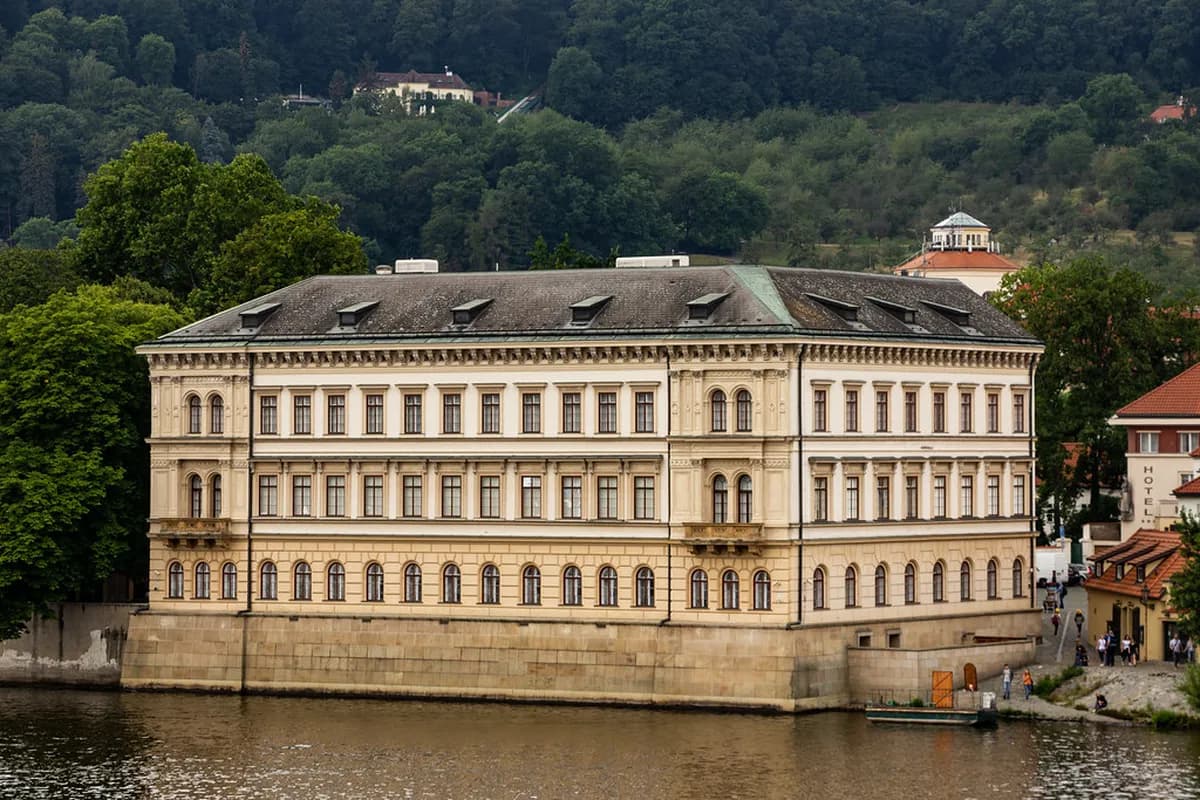
Two collections sit just off the standard walk and are almost always quiet. Museum Kampa occupies a riverside mill and hangs Central European modernism in the grinding rooms. Lobkowicz Palace holds one family's Canalettos and Beethoven manuscripts, returned after two twentieth-century confiscations.
Prague beyond the tourist crowds is a city of creative neighbourhoods, honest food, and genuinely unusual experiences — from Vietnamese egg coffee in a former communist city to river surfing on the Vltava. The best parts cost almost nothing and require only the willingness to take a tram fifteen minutes past where most visitors stop.
Pack comfortable shoes, carry some Czech koruna, and give yourself permission to follow tram lines rather than tour-group flags. The real Prague is right there, waiting.
Continue exploring
More guides you'll find useful