Prague 2 Day Itinerary Travel Guide
Plan your perfect prague 2 day itinerary with expert travel routes, neighborhood guides, and practical booking tips for a seamless European weekend trip.
On this page
The Ultimate Prague 2 Day Itinerary
Prague is one of Europe's most intact medieval cities, and two days gives you just enough time to see its core without rushing. This prague 2 day itinerary routes you logically across both banks of the Vltava, so you spend more time exploring and less time retracing your steps. Day 1 covers the Old Town and Jewish Quarter on the east bank. Day 2 crosses to Prague Castle and Malá Strana on the west.
The itinerary works for first-time visitors and for those returning after a long gap. Every major landmark is covered, but the pace also leaves room to sit at a café, browse a market, or take a boat on the river. Practical notes on tickets, transport, and timing are woven throughout so you can plan with confidence.
How Many Days Do You Need in Prague?
Two days covers Prague's essential sights comfortably if you start each morning by 08:30. You will see Old Town Square, the Astronomical Clock, Charles Bridge, the Jewish Quarter, Prague Castle, St. Vitus Cathedral, Golden Lane, Malá Strana, and the Lennon Wall. That is the version of Prague that appears in every travel guide, and two focused days is genuinely enough to do it justice.
Three days adds breathing room. With an extra day you can visit Wenceslas Square and the National Museum in the New Town, take a half-day trip to Vyšehrad fortress, or join a day trip to Český Krumlov or Kutná Hora by train. If you prefer a slower pace — lingering over lunch, browsing galleries, or spending a full afternoon in a beer hall — three days is the honest answer.
If you have only one day, focus exclusively on Old Town Square, Charles Bridge, and the Jewish Quarter. Save Prague Castle for a return visit; it alone deserves three to four hours. Two days remains the sweet spot for most first-timers on a Central European city break.
Best Things to Do with 2 Days in Prague
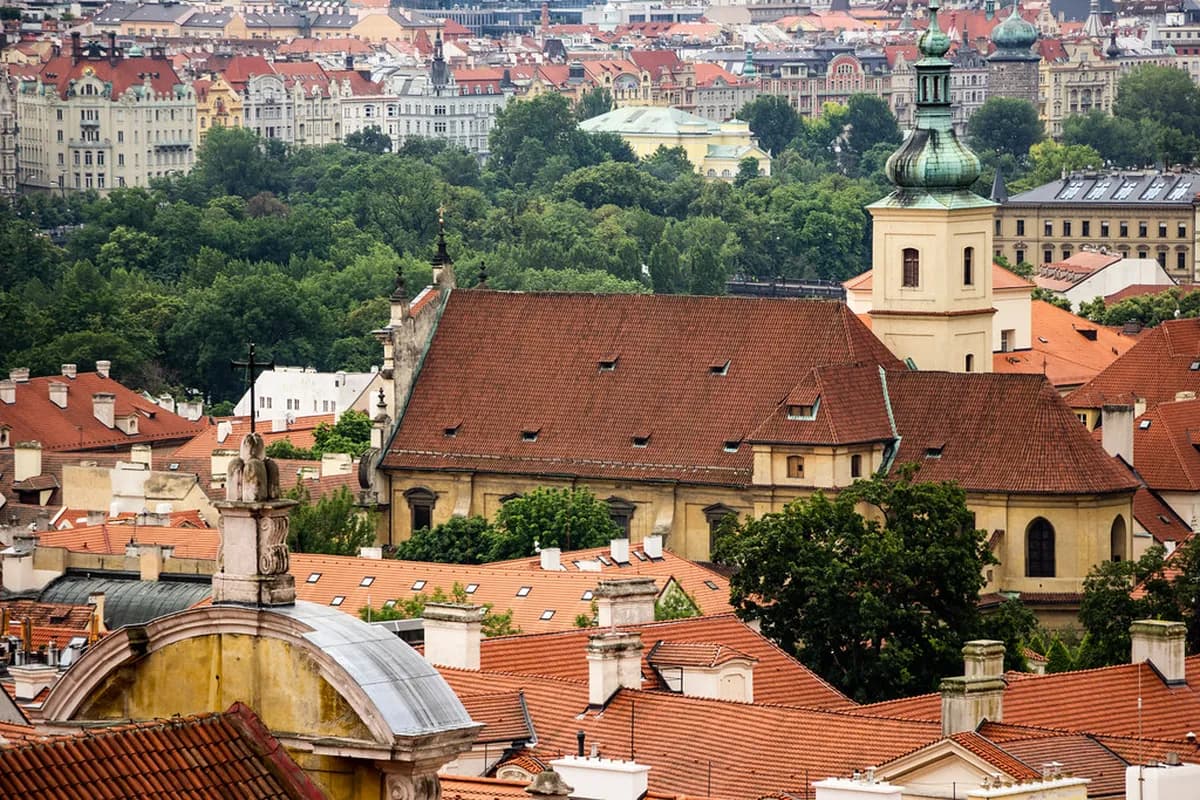
The Astronomical Clock on the south face of the Old Town Hall strikes every hour from 09:00 to 23:00. The show — twelve apostles, a skeleton ringing a bell, a crowing rooster — lasts about 45 seconds and is charming rather than spectacular. More worthwhile is climbing the Old Town Hall Tower (adults around 250 CZK / €10) for the best elevated view over the red rooftops of the Old Town.
Charles Bridge is the city's most photographed landmark, lined with 30 Baroque statues of saints. Cross it early in the morning or late in the evening to avoid the densest crowds. From the bridge, the view of Prague Castle to the west and the Old Town towers to the east is exceptional at any time of day.
The Jewish Quarter (Josefov) holds six synagogues and the Old Jewish Cemetery, one of the most layered burial grounds in Europe. Tombstones are stacked up to 12 layers deep because of the limited space. A combined ticket for the Jewish Museum in Prague covers all synagogues and the cemetery; in 2026 the adult price is around 500 CZK (€20).
Prague Castle is a UNESCO World Heritage Site and according to the Guinness Book of Records the largest castle complex in the world. Inside the grounds you will find St. Vitus Cathedral, the Old Royal Palace, St. George's Basilica, and the Golden Lane — a row of tiny painted houses once inhabited by castle staff. Allow three hours minimum. Book the Explore Prague top sights by foot and boat tour if you want a guide for the full city circuit, or join a Free Walking Tours Prague session in the Old Town.
Prague 2 Day Itinerary: Day 1 — Old Town and Jewish Quarter
Start at Old Town Square by 09:00 to catch the Astronomical Clock at the top of the hour before the crowds arrive. Spend 30 minutes on the square, then climb the Old Town Hall Tower for the panoramic view. From the square, follow Karlova Street west toward the river, stopping at small side alleys along the way — this 15-minute walk reveals some of the best gothic and baroque street facades in the city.
Reach Charles Bridge by 11:00. Walk its full length slowly; each statue has a story that a guided audio app can explain if you are without a tour. Cross to the Malá Strana side briefly for the view back toward the Old Town towers, then return east. Lunch near the Old Town — Restaurant Mlýnec next to the bridge is well regarded for Czech cuisine with river views. Budget around 400–600 CZK (€16–24) per person for a sit-down meal.
Spend the afternoon from 14:00 in Josefov, the Jewish Quarter. The Old Jewish Cemetery and Pinkas Synagogue — which lists the names of over 77,000 Czech Jewish Holocaust victims on its walls — are the two most affecting sites. Plan two hours here. By 16:30 return to Old Town Square for a trdelník (chimney cake cooked over an open flame) from one of the stalls, and browse the market around Havel's Market on Havelská street. Dinner options in the Old Town range from Czech pub food at around 200 CZK (€8) for a goulash and bread to mid-range bistros at 400–700 CZK (€16–28) for two courses.
| Day | Morning | Afternoon | Evening | Est. Cost |
|---|---|---|---|---|
| Day 1 | Old Town Square + Clock Tower (250 CZK) | Charles Bridge → Josefov Jewish Quarter (500 CZK ticket) | Old Town pub dinner (200–400 CZK) | ~1,000 CZK |
| Day 2 | Prague Castle via Tram 22 (350 CZK ticket) | Malá Strana → Lennon Wall → Kampa Park | Malá Strana tavern dinner (300–500 CZK) | ~1,000 CZK |
Prague 2 Day Itinerary: Day 2 — Prague Castle and Malá Strana
Cross Charles Bridge at 08:00 when it is nearly empty. The walk from the Old Town side to Prague Castle takes about 20 minutes on foot, mostly uphill through Malá Strana's cobblestoned lanes. If you prefer, tram line 22 stops directly at Pražský hrad (Prague Castle) and runs from the city centre every few minutes — a single journey ticket costs 30 CZK (€1.20).
Arrive at the castle by 09:00 when the historic buildings open. Buy a Basic Circuit Ticket, which covers St. Vitus Cathedral, the Old Royal Palace, St. George's Basilica, and the Golden Lane. In 2026 this costs around 350 CZK (€14) for adults. Tickets can be purchased through the Prague Castle official website in advance — the online booking system launched in 2024 and covers the Basic Circuit Ticket. However, if you want to climb the South Tower of St. Vitus Cathedral, that add-on ticket must be bought at the ticket booth inside the 2nd Courtyard on the day; it cannot be pre-booked online. Get there by 10:00 when the tower opens to avoid a long queue for that counter specifically.
After the castle, descend south through the castle gardens and into Malá Strana by 13:00. Lunch at one of the taverns on Tomášská or Nerudova streets, or try the medieval tavern U Krále Brabantského at the foot of the New Castle Stairs — the atmosphere is theatrical and the prices are reasonable. Spend 30 minutes at the Lennon Wall on Velkoprevorské namestí; the wall is covered in painted messages and Beatles lyrics and is entirely free to visit. From there it is a five-minute walk to Kampa Park on a small island formed by the Čertovka millrace stream. Sit on the riverbank for a view of Charles Bridge from the west.
End your afternoon back in Malá Strana browsing the antique shops and galleries on Karmelitská street. You can also visit the Discover Prague Royal Walk free tour departure point for a late-afternoon walking loop. Dinner in Malá Strana fits the occasion — U Modré Kachničky on Nebovidská is a strong choice for traditional Czech duck dishes in a restored historic building.
Prague Castle Tickets: What Competitors Do Not Tell You
The official Prague Castle website (hrad.cz) began selling tickets online in 2024, which was a significant change for visitors. Before that, every ticket had to be bought at the castle itself, meaning queues of 30–45 minutes in high season. Now you can pre-book the Basic Circuit Ticket and skip the main ticket line. Do this at least two days before your visit in summer.
There is an important catch: the South Tower of St. Vitus Cathedral — which gives you the highest view inside the castle complex — still requires an in-person ticket purchase at the 2nd Courtyard ticket office. That office does not open until 10:00. If you arrive at 09:00 with your pre-booked Basic Circuit Ticket, use the first hour to explore the cathedral interior and the Old Royal Palace, then join the tower counter queue when it opens. This sequencing lets you see the cathedral at its least crowded and still climb the tower the same morning without wasted waiting time.
Third-party platforms like GetYourGuide also sell entrance bundles, often bundling a guided tour with the Basic Circuit Ticket. These can be worth the premium in summer when the added context from a guide makes the difference. Outside of June–August, the official website tickets are the better value. Free Circuit access (exterior grounds only, no buildings) is always available without any ticket.
Pre-book the Prague Castle Basic Circuit Ticket (350 CZK) on hrad.cz to skip the main ticket queue. The South Tower of St. Vitus Cathedral still requires an in-person purchase at the 2nd Courtyard counter — arrive by 09:00 and buy it when the counter opens at 10:00.
How to Get Around Prague
Walking is the primary way to see central Prague. Old Town Square, Charles Bridge, Josefov, and Malá Strana are all within a 20-minute walk of each other. Prague Castle requires a 20-minute uphill walk from Charles Bridge or a short tram or Uber ride. Wear flat, grippy shoes — the cobblestones are uneven and slippery in wet weather.
The public transport network is fast and cheap. A single journey on tram or metro costs 30 CZK (€1.20); a 24-hour pass costs 120 CZK (€4.80). Validate paper tickets immediately upon boarding — inspectors check frequently. Tram 22 is the most useful for tourists: it connects Wenceslas Square in New Town, Old Town, Malá Strana, and Prague Castle along a single route. The metro has three lines (A, B, C) and reaches the airport (Line A, about 35 minutes to Václav Havel Airport).
Uber and Bolt both operate in Prague and are useful for reaching neighborhoods outside the historic centre or for getting to Prague Castle if walking uphill is a concern. Ride-hailing prices are competitive with Western European standards. Taxis hailed on the street can charge significantly more — always use an app or ask your hotel to arrange a licensed cab with a meter.
Where to Stay in Prague
Staré Město (Old Town) is the most convenient base, putting you within walking distance of every major sight on this itinerary. Hotels here are the most expensive: expect €80–€150 per night for a comfortable mid-range room in 2026. The trade-off is that you step out the door and are immediately in the thick of the city's most atmospheric streets.
Nové Město (New Town) sits just south of the Old Town and shares many streets with it. Hotels here are typically 20–30% cheaper than Old Town equivalents and still within easy walking distance of the main sights. Wenceslas Square is the anchor of this area, with good transport connections and a wide choice of cafés and restaurants. Vinohrady, one district further south on the metro, offers even better prices and a quieter, more residential feel — metro line A connects you to Old Town in under 10 minutes.
Malá Strana is the most romantic choice for couples. The area is quiet at night and full of beautifully restored baroque buildings. It is also perfectly placed for an early start at Prague Castle. The downside is that the restaurant selection is smaller than in the Old Town and prices trend higher. Budget travelers should look at Žižkov or Karlín, both 10–15 minutes by tram from the centre, where hostel beds start around €15 and private rooms around €45.
Best Time to Visit Prague
April, May, September, and October are the best months. Temperatures range from 12°C to 20°C, the city is in full operation, and the crowds are manageable. Spring brings the best light for photography — the pale limestone and terracotta roof tiles of the Old Town look their best on bright but not harsh days. Autumn delivers golden foliage in the castle gardens and along the riverbanks.
June, July, and August are peak tourist season. Prague is one of Europe's most visited cities in summer, and the difference in crowd levels at popular sites is dramatic. The Old Town Bridge Tower can have queues of 40 minutes; Prague Castle queues for the tower occasionally exceed an hour. If you must visit in summer, pre-book everything online, start at 08:00 rather than 09:00, and avoid eating at any restaurant facing Old Town Square — prices are inflated and quality rarely matches the location.
December is special. The Christmas markets on Old Town Square and Wenceslas Square run from late November through 23 December, and the decorated city with mulled wine stalls (svařák) is genuinely magical. Temperatures drop to 0–5°C, so pack layers. January and February are the cheapest months to visit: hotel prices drop sharply, there are no queues at any attraction, and the empty city in snow is arguably the most photogenic version of Prague you will find.
Things to Consider Before a Weekend in Prague
Prague uses the Czech Koruna (CZK), not the Euro. Many tourist-facing restaurants and shops accept card payments or display prices in euros, but you will get a worse exchange rate on card payments that auto-convert. Withdraw CZK from an ATM on arrival and use it for smaller purchases. Avoid exchange kiosks in the Old Town Square area — their commissions are some of the worst in Europe.
The cobblestones in the historic center are beautiful but punishing. Wheeled suitcases are difficult to pull for more than a few hundred meters. Choose accommodation that a taxi can reach by a normal road rather than one that requires dragging luggage across cobbled squares. Pack shoes with thick, cushioned soles if you plan to walk 10–15 km per day, which this itinerary requires.
Book Prague Castle tickets and any major restaurant reservations at least a week in advance in summer (June–August) and at least two days in advance in shoulder season (April–May, September–October). Many popular restaurants have online reservation systems or accept bookings by email in English. Showing up without a reservation at a mid-range restaurant on a Friday or Saturday night often means a 45-minute wait or a table on the least desirable seats.
Avoid currency exchange kiosks near Old Town Square — they advertise zero commission but embed 10–15% into the exchange rate. Use a bank ATM in a side street and always pay in Czech koruna, not euros.
If You Have a Long Weekend in Prague
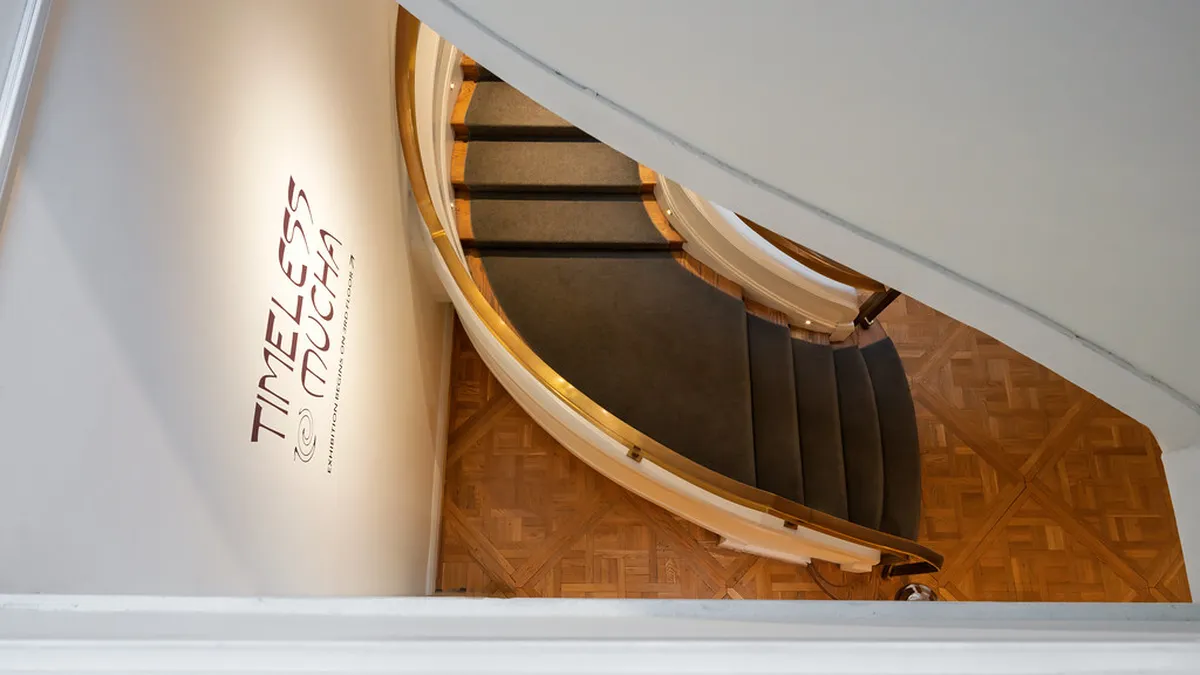
A third day opens Prague's New Town properly. Wenceslas Square is less a square and more a wide boulevard — it is worth a wander for the National Museum (free first Tuesday of the month), the art nouveau facades, and the Lucerna Passage with David Černý's upside-down horse sculpture hanging from the ceiling. The Mucha Museum on Panská street is compact but excellent for art nouveau fans (adult 300 CZK / €12).
Day trips from Prague are straightforward on public transport. Český Krumlov is the most popular destination — a UNESCO-listed medieval town in southern Bohemia with a castle and a river bend that looks like an illustration from a fairy tale. The journey takes 2.5 hours by student agency bus from Florenc bus station. Alternatively, Kutná Hora is 1.5 hours by direct regional train from Praha hlavní nádraží (main station) and combines the Gothic Cathedral of St. Barbara with the eerie Sedlec Ossuary, a small chapel decorated with the bones of 40,000 people.
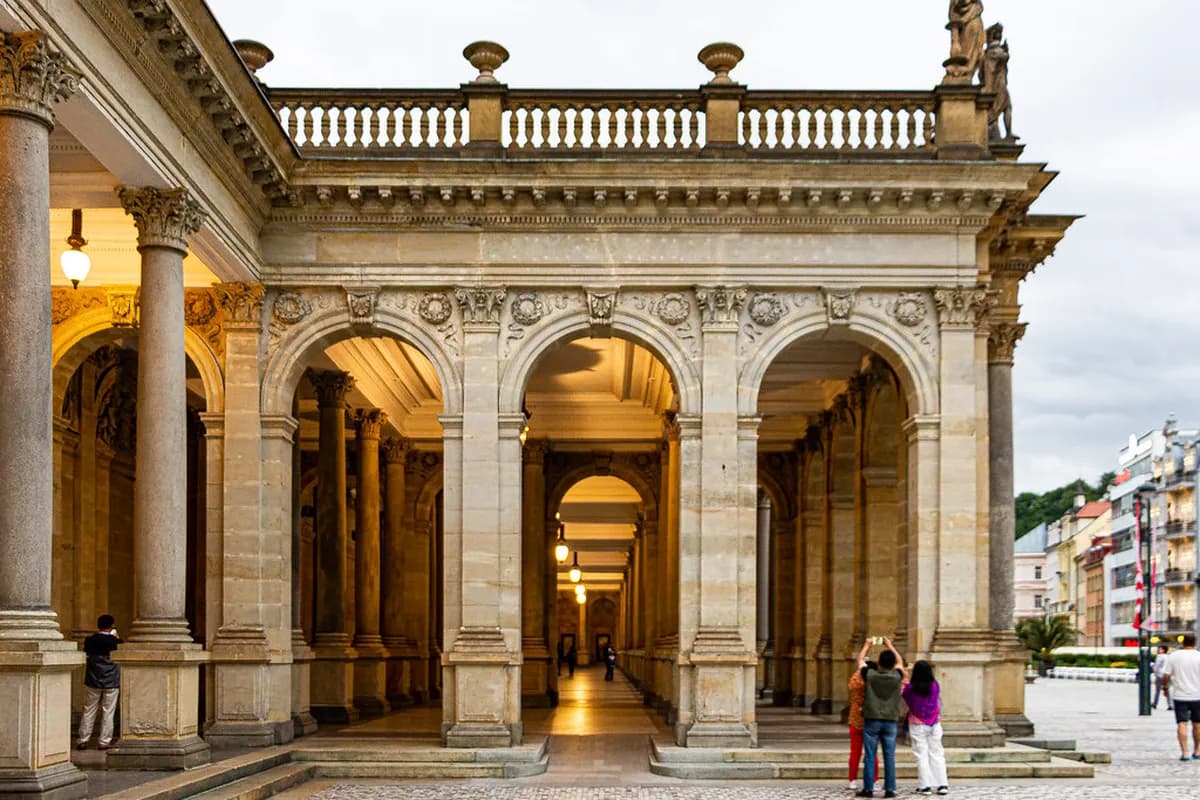
For 12 Best Day Trips from Prague by car, Karlštejn Castle is 45 minutes southwest and requires no advance planning outside of summer weekends. Terezín concentration camp and museum is 1.5 hours north and is one of the most sobering half-days you can spend in Bohemia. If you want a spa town, Karlovy Vary is 2 hours west by bus and is famous for its colonnades and mineral springs.
Pair this with our broader hidden gems in Prague guide for the full city overview.
Frequently Asked Questions
Which prague 2 day itinerary options fit first-time visitors?
First-time visitors should focus on the historic center, including the Old Town Square, Charles Bridge, and Prague Castle. This classic route covers the most famous landmarks within a short time. You can also explore Free Things To Do In Prague Travel Guide to keep your trip budget-friendly.
How much time should you plan for a prague 2 day itinerary?
You should plan for two full days of sightseeing, starting early each morning around eight. This allows you to explore the major historical districts without feeling overly rushed. Dedicate one day to the Old Town and the second day to the Castle area.
What should travelers avoid when planning a prague 2 day itinerary?
Avoid over-scheduling your days with too many museum visits or distant attractions. Stick to the central districts to minimize travel time between sights. Also, avoid dining directly on the main squares, as these restaurants are often overpriced and less authentic.
Is a prague 2 day itinerary worth including on a short European trip?
Yes, a two-day visit is highly rewarding and fits perfectly into a larger European tour. The compact city center makes it easy to experience the main highlights in a weekend. It is an ideal stop for any traveler exploring Central Europe.
Two days in Prague is a tight but thoroughly satisfying window. The city rewards visitors who plan the logical east-bank to west-bank split across the two days, pre-book Prague Castle tickets, and leave a few hours each afternoon unscheduled for wandering. The detours — a back alley in Malá Strana, a beer at a riverside terrace, a slow walk across an empty Charles Bridge at dusk — are often the memories that last longest.
After a busy day of exploring, unwind at some of the Best Bars In Prague Travel Guide for a local Czech lager. A third day or a Prague 3 Day Itinerary Travel Guide is always an option if the city gets under your skin — and it usually does.
Continue exploring
More guides you'll find useful