Barrio de las Letras Madrid: A Walking Route Through the Literary Quarter
Walk the Barrio de las Letras in Madrid from Plaza de Santa Ana to Calle de Cervantes. Get literary context, booking notes, a 45-minute loop and a 3-hour deep dive.
On this page
Barrio de las Letras Madrid: Walking Route Through the Literary Quarter
Last updated October 2026. Barrio de las Letras Madrid is the compact quarter where Cervantes, Lope de Vega, Quevedo and Góngora lived within a few streets of each other. This route starts at Plaza de Santa Ana, follows Calle de las Huertas and Calle de Cervantes, and ends near the art museums. It also flags which stops need booking and which work from the pavement.
Barrio de las Letras Madrid: Boundaries and Why It Is Called Las Letras
Barrio de las Letras sits between Puerta del Sol, Atocha and the Paseo del Prado. It is also called Huertas or the Barrio de las Musas. Guía Turista places it inside the Cortes neighborhood of Madrid's Centro district. Its name comes from the intense literary life of the 16th and 17th centuries, the Siglo de Oro, or Spanish Golden Age.
What gives the quarter its character is rivalry. Quevedo bought a house from a woman who had been renting it to Góngora, and the two poets feuded for years. Góngora later moved to a humbler home on Calle de las Huertas, around 1625. Cervantes died in 1616 in a house on Calle de Cervantes. That street now sits beside Calle de Lope de Vega, named for his contemporary and rival.
Most of what you will see is exterior: plaques, facades, squares and gilded verses set into the pavement. That keeps the walk flexible. You can do it in a short loop or stretch it around two booked visits.
Know Before You Go: The Three Main Literary Sites
Three sites anchor the route, and none is a simple walk-in. Book the two interior visits before you arrive. Verify current details on Madrid's official tourism site or on each venue's own page, since opening days and group rules change.
| Site | Entry fee | Book ahead? | Time needed |
|---|---|---|---|
| Casa-Museo de Lope de Vega (Calle Cervantes 11) | Guided visit is free | Yes. Reserve weeks ahead through the museum's site | Guided visit, then walk on |
| Convento de las Trinitarias Descalzas (Calle Lope de Vega 18) | Free to see the interior and Cervantes' tomb | Yes. Call +34 91 429 56 71 to arrange a slot | Short, guided |
| Casa de Cervantes (Calle Cervantes 9) | Exterior plaque only | No | A few minutes outside |
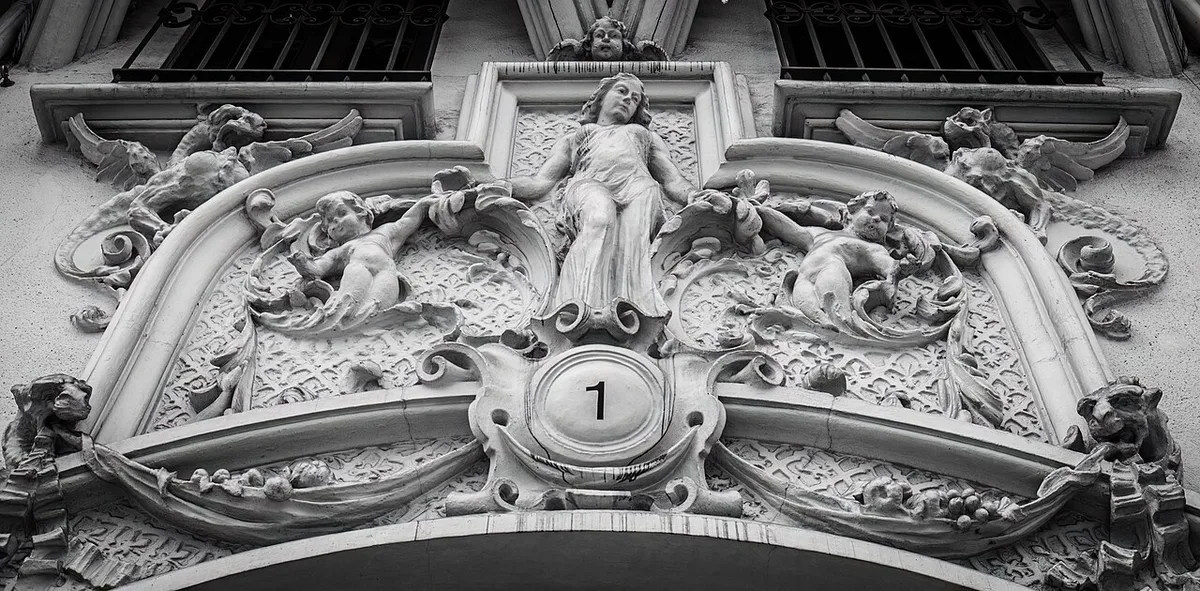
Stop 1: Plaza de Santa Ana and the Teatro Español
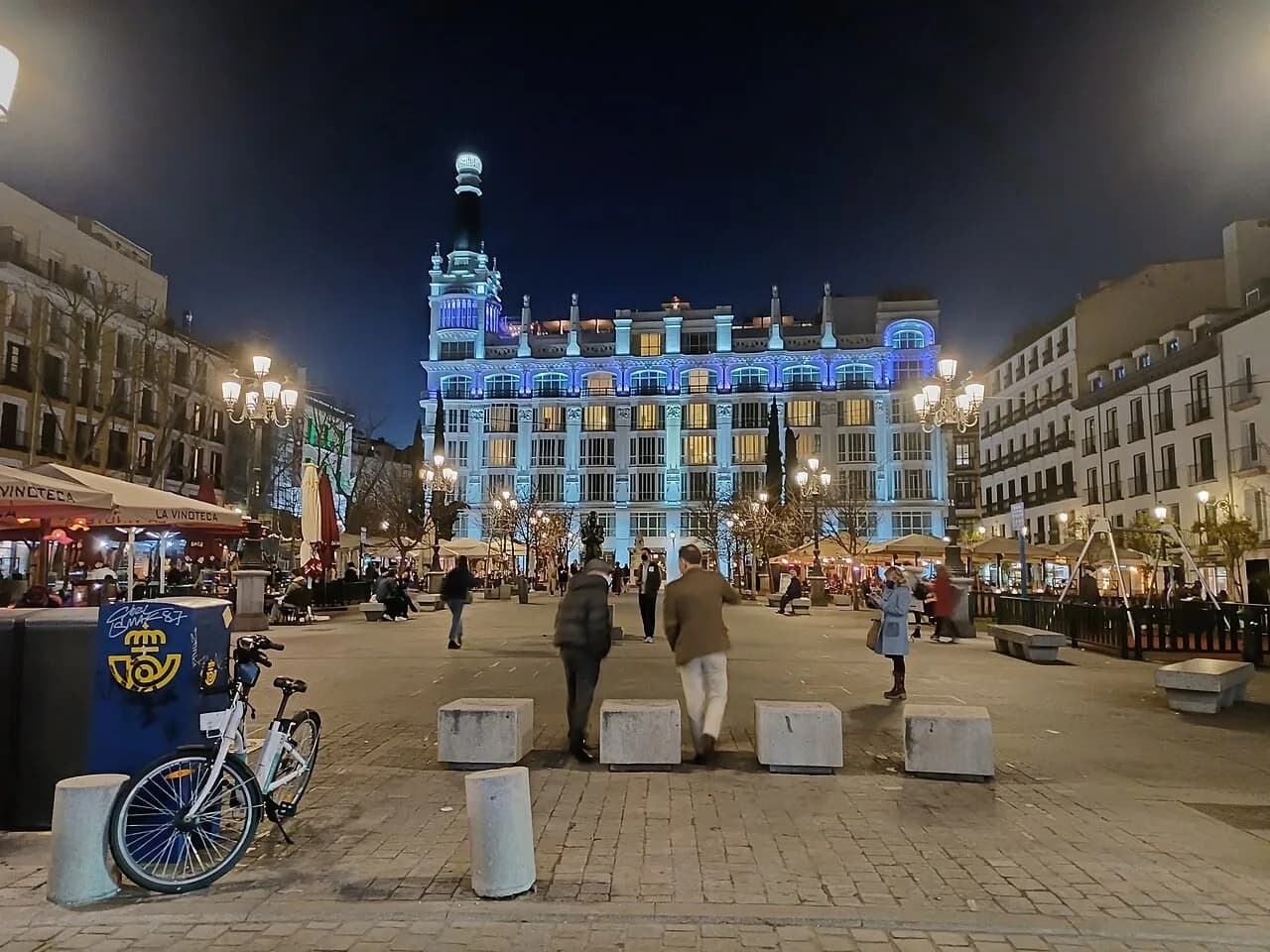
Start at Plaza de Santa Ana, the social hub of the quarter. Terraces and traditional bars line the square. It is a good place to orient yourself before the streets narrow.
The exterior stop at Plaza de Santa Ana 15 belonged to the oldest tablao in Madrid, founded in 1911. It operated as a nightclub for two decades before returning to its roots.
Two statues carry the literary theme. Federico García Lorca stands in front of the Teatro Español. A memorial to Calderón de la Barca, the last great dramatist of the Siglo de Oro, sits further back in the square.
Teatro Español occupies the site of the old Corral de Comedias del Príncipe, founded in 1583. Plays by Lope de Vega were staged there. It still runs a programme, so check the current listings if you want an evening performance.
Tablao Flamenco Villa Rosa is at Plaza de Santa Ana 15. Its tilework facade is a quick exterior stop. We cover its flamenco history in the night section below.
Stop 2: Callejón del Gato
From Villa Rosa, take the side street toward Puerta del Sol. Its formal name is Calle de Álvarez Gato. Locals call it the Callejón del Gato, and Valle-Inclán referenced it in his play Luces de Bohemia.
The play gave the alley its photo-friendly legacy. The restaurant Las Bravas has three distorting mirrors on its facade. They allude to Valle-Inclán's esperpento style, which bends reality the way a funhouse mirror bends a reflection. A wall painted as Valle-Inclán's library and a metal figure of the writer in an armchair add to the theme.
Check on arrival that the mirrors are still in place, as facades get renovated. For other offbeat stops, see our guide to 10 Unusual Things to Do in Madrid (2026).
Stop 3: Calle de las Huertas, the Spine of the Quarter
Calle de las Huertas runs almost the full length of the barrio, from close to the Paseo del Prado to Plaza del Ángel. It has kept its name for four centuries and appears on the Teixeira map completed in 1656.
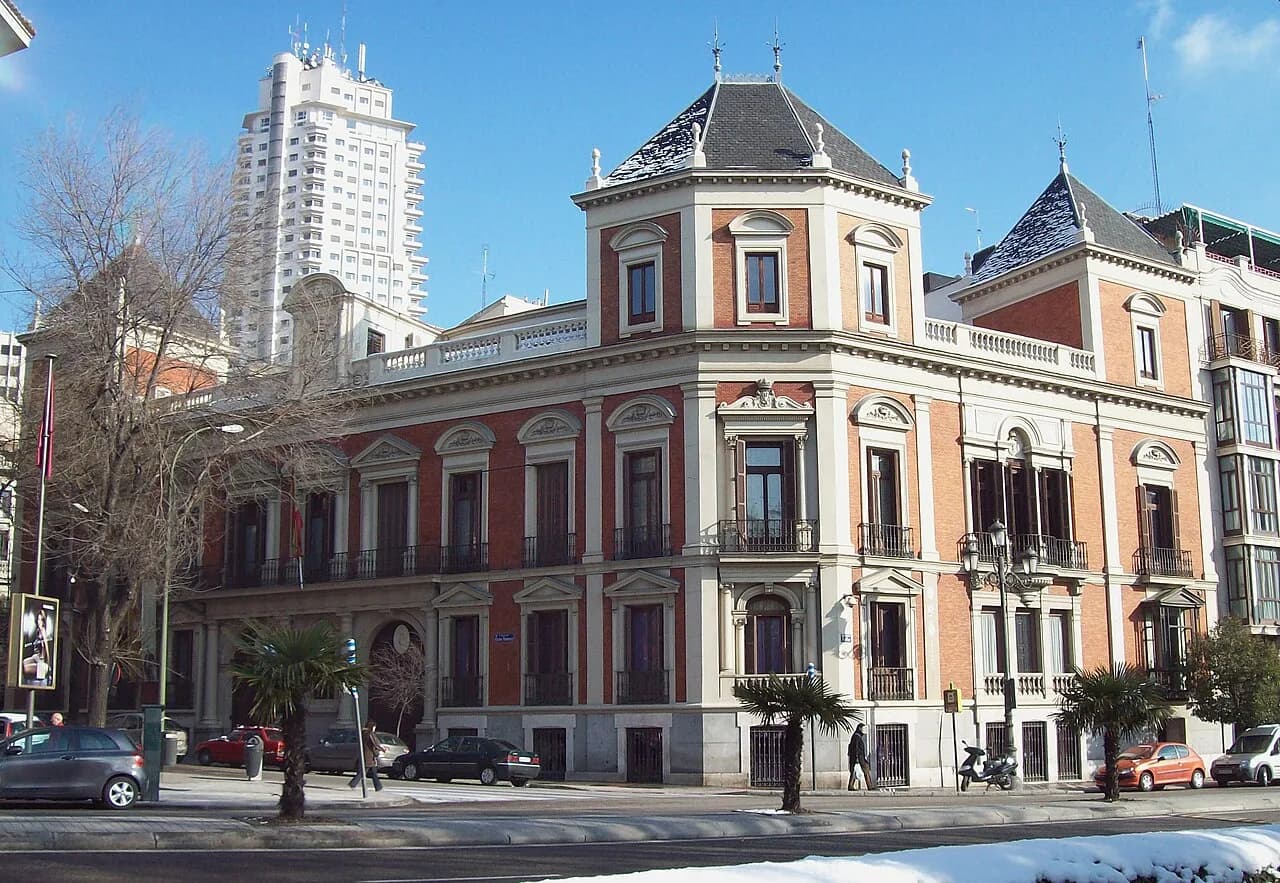
Look down. Verses by Lope and other writers are set into the pavement in gold letters. Look up for the plaques. At number 58 a plaque honors the poet León Felipe, and number 34 was the home of the writer Ricardo Becerro. The Palacio de los Duques de Santoña has its own facade worth a pause.
Near the junction with Calle de Jesús, a statue honors Paco the dog. He lived in the 19th century and appears in writing from the period.
Huertas is also the main eating and drinking street. Bars, cafés and pubs line it. Tapas hunting works best from late afternoon. For after-dark options, see our Madrid Nightlife Guide Travel Guide.
Stop 4: Iglesia de San Sebastián and El Jardín del Ángel
Iglesia de San Sebastián is at Calle Atocha 39. It was built in 1541. Cervantes' funeral rites were held here, and so were Lope de Vega's. Writers including Tirso de Molina were baptized in the church.
Lope was buried in its cemetery, but the exact spot is lost. Charles III banned burials in the city in the 18th century, and Napoleon's forces later dismantled the cemetery. Many remains disappeared in the move, Lope's among them.
The former cemetery grounds are now occupied by the flower shop El Jardín del Ángel. It is a small, free stop and a clear example of a literary site that survives mostly as an address.
Also look for the plaque to the Fonda de San Sebastián at the corner with Plazuela del Ángel. Nicolás Fernández de Moratín founded it in 1771, and it hosted one of Madrid's best-known literary gatherings.
Stop 5: Calle de Cervantes and Calle de Lope de Vega
This is the core of the walk. At Calle de Cervantes 11, the Casa-Museo de Lope de Vega preserves the home where the playwright lived from 1610 until his death in 1635, about 25 years. It keeps roughly the layout of four centuries ago. Guided visits cover his workspaces, private rooms and small garden.
His remains were identified in 2015 at the Convento, while Lope's remains, buried at Iglesia de San Sebastián, were lost when the cemetery was dismantled.
Guided tours are free, but they are not walk-in. Reserve weeks ahead through the museum's website. Turning up without a booking is the most common way to miss it.
Next door at number 9, a plaque marks the last Madrid home of Cervantes before he died in 1616. It once went almost unnoticed. A larger plaque now makes it easier to spot.
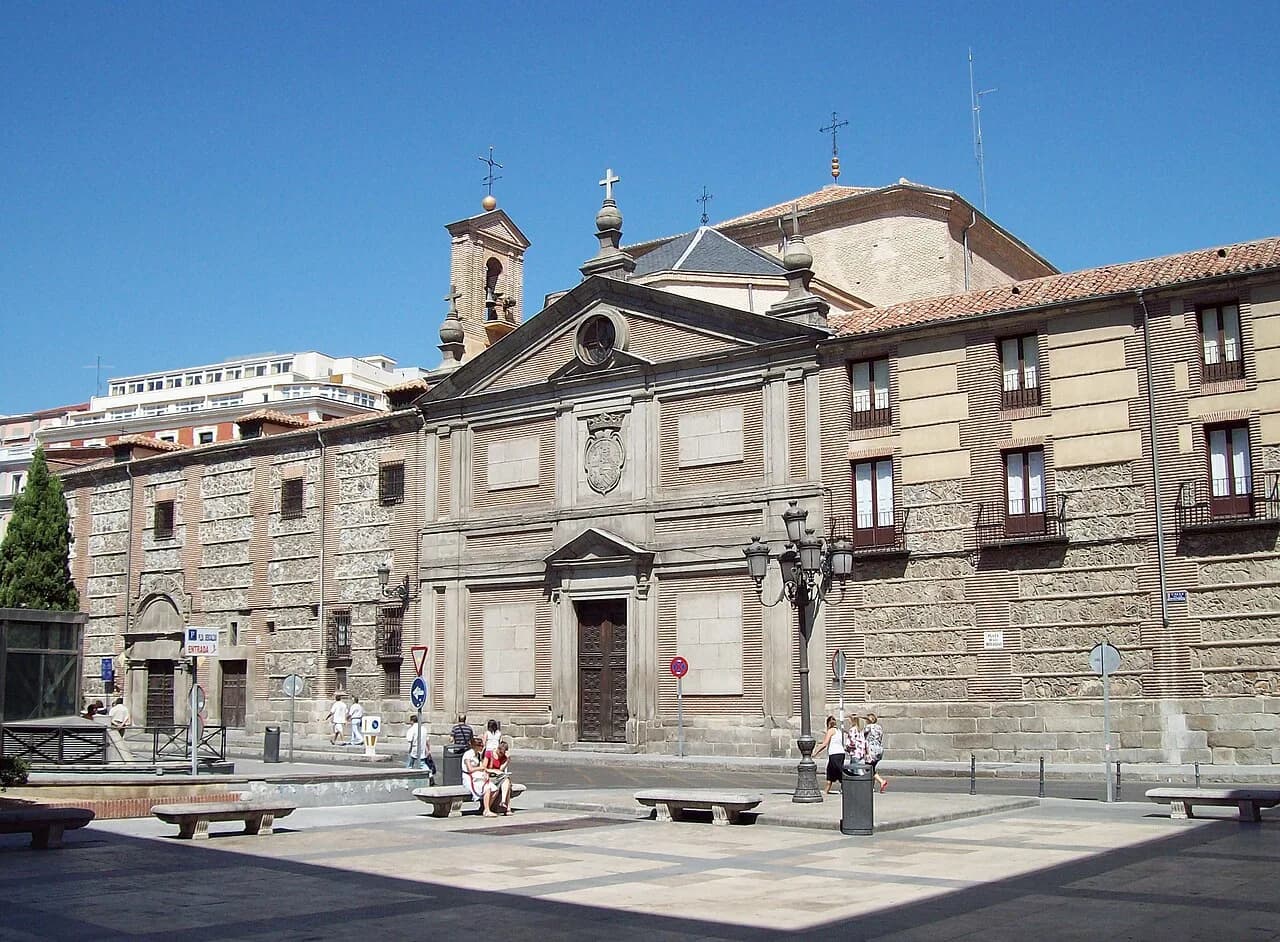
On Calle de Lope de Vega, the Convento de las Trinitarias Descalzas de San Ildefonso opened in 1609 and is still in use. Cervantes asked to be buried there. His remains were identified in 2015, after years of work to confirm the tomb. Access is by appointment with a guide, so call ahead and confirm the current hours.
Across from the convent, on the corner of Calle Quevedo and Calle de Lope de Vega, stands Quevedo's former house. A plaque records that he owned it from 23 August 1620 to 21 August 1634. Góngora's lease on this house is the root of their feud.
For more compact museum stops nearby, see our guide to Small Museums in Madrid: House Museums, Visit Times and Route Pairings.
Stop 6: Ateneo de Madrid and the Art Museums
Finish toward the Paseo del Prado. The Ateneo de Madrid is at Calle del Prado 21. It was founded in 1835 as a private library and club. Past members included Valle-Inclán, Unamuno, Azaña and Emilia Pardo Bazán, its first woman member. Treat it as an exterior stop unless you have arranged access.
Nearby, the Congreso de los Diputados has a large statue of Cervantes. From here you are at the edge of the Prado, Thyssen-Bornemisza and Reina Sofía triangle. For the architecture and views that tie that area together, read our guide to the 12 Most Beautiful Places in Madrid Travel Guide (2026).
If you have more time, continue west on foot. Our Madrid Old Town Walking Guide Travel Guide picks up from Puerta del Sol.
Quick Literary Loop or Deep Dive
Choose the length before you set out. Both versions use the same streets.
- Quick Literary Loop (about 45 minutes): Plaza de Santa Ana, Callejón del Gato, a stretch of Calle de las Huertas, then Calle de Cervantes for the exterior plaques. No bookings needed.
- Deep Dive (about 3 hours): add the booked Casa-Museo de Lope de Vega visit, the Trinitarias appointment, Iglesia de San Sebastián and the Ateneo exterior.
- Route trade-off: the loop gives you the atmosphere, while the deep dive gives you interiors and the Cervantes tomb. Neither works well without a plan for the booked slots.
Flamenco, Tapas and Evenings in Las Letras
Tablao Flamenco Villa Rosa was founded in 1911. A local guide describes it as the oldest tablao in Madrid. It later served as a nightclub from the 1980s until the 2000s, then returned to its roots and also operates as a restaurant. Check current show times and reservation rules before you plan a night around it.
For food, mix old and new. Historic taverns around Plaza de Santa Ana keep traditional decor. Newer venues cluster on Huertas and the side streets. Compare options in our guide to Cool Places To Eat In Madrid Travel Guide.
A workable day is museums and booked tours in the morning. Then walk the pavement verses in the late afternoon. Start a tapas crawl as the bars fill up.
Practical Logistics for Visiting Barrio de las Letras
Three Metro stations work as entry points: Sol, Sevilla and Antón Martín. Sol suits a start at Plaza de Santa Ana, while Antón Martín is handy if you begin near Calle de Atocha. For bus routes in the area, check EMT Madrid's route information.
Morning is best for interiors and booked tours. Late afternoon suits the street and tapas atmosphere. Many sites close on Mondays, so check opening days for each stop.
Where you stay depends on budget. The area offers everything from low-cost hostels to luxury hotels and boutique options, according to local guides. For more routes beyond this quarter, our lesser-known Madrid streets and courtyards guide is a good next step.
Mistakes to Avoid in Las Letras
Skip these common errors and the route runs smoothly.
- Turning up at the Casa-Museo de Lope de Vega without a reservation.
- Assuming the Trinitarias tomb is open to walk-ins. Call first.
- Planning the route on a Monday, when many sites are closed.
- Wearing heels. The cobblestones are uneven and the route involves hills.
- Expecting every plaque to be a museum. Several stops, such as Casa de Cervantes, are exterior only.
Frequently Asked Questions
Where is the Barrio de las Letras in Madrid?
Barrio de las Letras lies between Puerta del Sol, Atocha and the Paseo del Prado. It is also known as Huertas. Its main axes are Calle de las Huertas and Plaza de Santa Ana.
Do I need to book the Casa-Museo de Lope de Vega?
Yes. Guided visits are free but require advance reservation, often weeks ahead. Book through the museum's website before you travel.
Can I visit Cervantes' tomb?
Cervantes is buried at the Convento de las Trinitarias Descalzas on Calle Lope de Vega 18. Entry is free but by appointment with a guide. Call +34 91 429 56 71 and confirm the current hours.
How long does the walking route take?
A quick literary loop takes about 45 minutes and uses only exterior stops. A deep dive takes around 3 hours with the museum and convent visits. Add time for tapas stops.
Which Metro stations serve the Barrio de las Letras?
Sol, Sevilla and Antón Martín are the three useful stations. Sol is the easiest for Plaza de Santa Ana. Antón Martín suits the Calle de Atocha side.
Continue exploring
More guides you'll find useful