Hidden Gems in Sorrento: Quiet Corners and Slow Days
A slower Sorrento guide: a free cloister, artisan lanes, a clifftop park at sunset, mill ruins seen from above and the fishing harbour at Marina Grande.
On this page
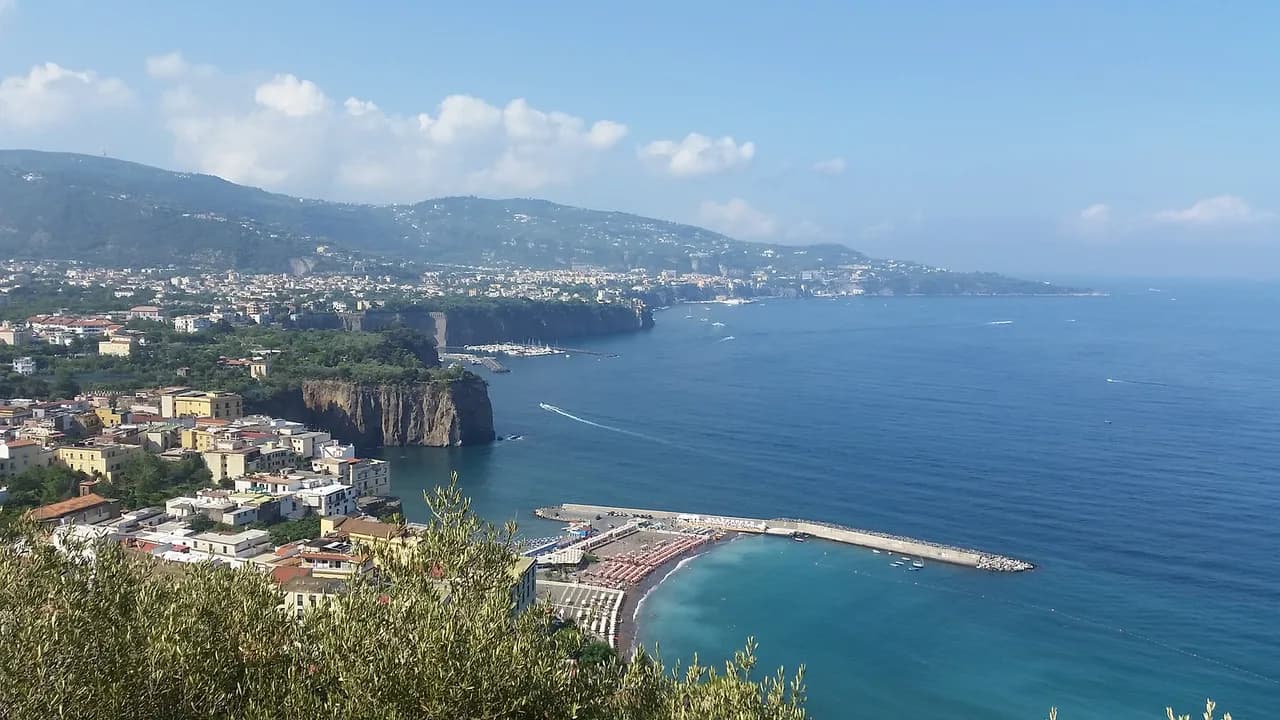
Sorrento sits on the Sorrentine Peninsula facing the Bay of Naples, and it is often mistaken for part of the Amalfi Coast even though the official coastline begins further east. That position makes it a relaxed base rather than a checklist town, with a compact historic centre where most of the quieter corners sit within a short walk of one another.
A useful starting point is this: the cloisters of San Francesco are part of a larger ecclesiastical complex founded in the 8th century, and one travel writer found them almost empty even on a hot August day, noting they are not well signed. What follows is a pillar guide to places worth slowing down for: a cloister, old lanes, a clifftop park, mill remains, a fishing harbour and a small museum, each with a practical note on how to visit.
Why Sorrento rewards slow exploring
Sorrento's old town is small enough that walking is the best way to explore, but the streets are cobbled and many areas are steep, so comfortable shoes matter more than a tight itinerary. The lanes are car-free and pedestrianised by design, which keeps the centre calm and makes a loose half-day loop easier to manage on foot.
Aim for a half-day loop: start at Piazza Tasso, drift through the historic centre, pause in a cloister or a park, and finish at one of the harbours. This is a suggestion rather than an official route, and it keeps the day flexible enough to linger where you actually want to. As one Sorrento write-up puts it, the town works best when you let the sea and the side streets set the pace rather than a fixed schedule.
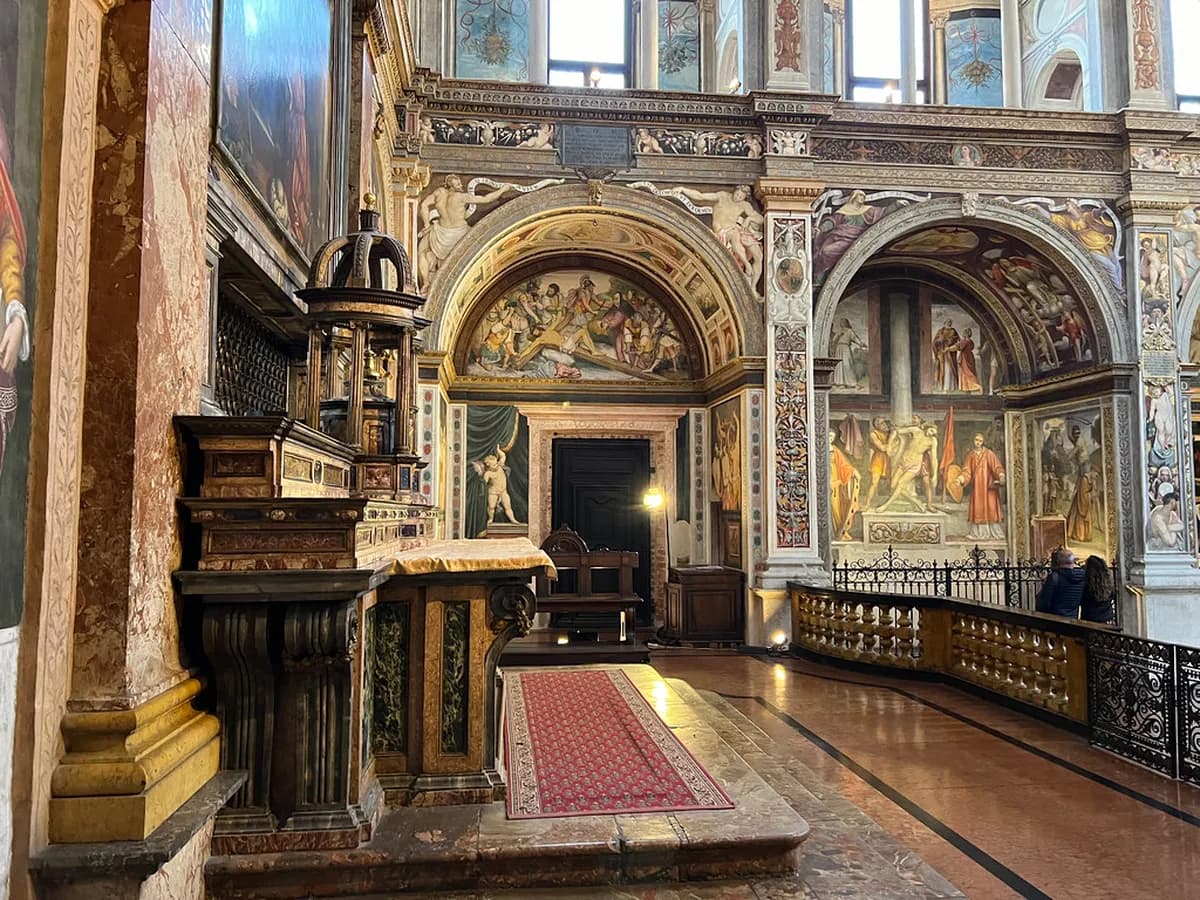
Chiostro di San Francesco: a free, low-key cloister
The cloisters of San Francesco rank among the more understated spots in the centre, and one travel writer describes the complex as one of the more off-the-beaten-path places in town and completely free to visit. The same writer noted the cloisters are not well signed and were almost empty despite the August heat, which makes them a good pause between busier squares.
Entry to the cloisters is free, and the complex is distinct from paid interiors elsewhere in town, so check on arrival whether any adjoining church space has separate conditions. The surrounding lanes also hold Sorrento Cathedral, where one source notes admission is free with donations welcome, and the ornate Basilica di Sant'Antonino, both worth a short visit on the same walk.
Old-town lanes and Via San Cesareo: artisan shopping without the blur
Via San Cesareo and the old-town lanes are where Sorrento's craft identity shows up: lemon products, hand-painted ceramics, intarsio inlaid wood and Positano-style linen clothing. Shopping here rewards a slower pass, because many workshops and smaller shops sit alongside the souvenir stands and the difference is often visible in the work itself.
One traveller recommends browsing the artisan shops along Via San Cesareo and the old-town lanes for exactly these crafts, while a Sorrento guide notes that some shops offer limoncello tastings and that you may pass someone carving wood outside a shop. Corso Italia runs through the centre as a broader shopping street, while the side lanes off Piazza Tasso hold smaller family-run workshops. If you want to compare a shop's claims with the town's food traditions, the local food guide what to eat covers limoncello, gnocchi alla Sorrentina and the seafood dishes worth ordering.
Villa Comunale: the clifftop park and the sunset viewpoint
Villa Comunale is a clifftop public park with sweeping views across the Bay of Naples toward Mount Vesuvius, and it functions as one of the town's most reliable free viewpoints. The park is popular at golden hour, so arriving early in summer is the practical way to secure a spot at the railing rather than jostling for one.
The paths from the park connect toward the coast, which makes it a sensible starting point for an evening walk rather than a single stop. Combined with the cloisters nearby, it forms a natural pair for the last hour of daylight, and both cost nothing to enter.
Valle dei Mulini: the abandoned mill remains seen from above
The Valle dei Mulini, or Valley of the Mills, is an abandoned mill site in a ravine where nature has slowly reclaimed the buildings. A Sorrento guide describes it simply as a place where you peer down into the ravine at the dilapidated building covered in moss, so treat it as a viewpoint rather than a guaranteed walk-through attraction.
Because it sits within the old-town walking area, it can be folded into a morning loop rather than a separate trip, but do not count on entering the ruins themselves, since access and conditions around the site are not consistently documented. Treat the viewpoint as a short pause and put the saved time toward the cloister or the harbour.
Marina Grande: the fishing harbour and a seafood lunch
Marina Grande is Sorrento's traditional fishing harbour, reached by a steep walk down from the centre that one source describes as about fifteen minutes, and it is the place to see pastel houses, boats and the working side of the town. Restaurants along the waterfront serve fresh seafood with views over the bay, and the harbour is small enough to explore in an hour or two.
A small dark-sand patch at Marina Grande draws swimmers on warm days, so it doubles as a place to cool off if you do not want to head to Marina Piccola. The walk back up is the catch: either take the steps through the Greek Gate or use the elevator from the old town, and expect a queue for the elevator in peak season.
Correale di Terranova Museum: a villa and lemon-grove collection
The Correale di Terranova Museum occupies a patrician villa set among lemon groves, with archaeological finds and local artwork among its exhibitions. It is the kind of small, landlocked collection that gives context to everything you see outdoors, particularly the region's ceramics, woodwork and coastal history.
Opening hours, ticket prices and booking availability are not consistently published across sources, so check the museum's own listing before making it the anchor of your day. Treat it as a rainy-hour or late-afternoon option rather than a fixed stop.
Bagni Regina Giovanna and the Punta Campanella coast
Bagni Regina Giovanna is a rocky cove on the Sorrentine Peninsula known for clear water and swimming, and it appears among lists of lesser-known spots along the coast that are easy to miss on a standard itinerary. It is not a secret or locals-only beach, so expect other swimmers on warm days and plan around daylight rather than exclusivity.
The wider Punta Campanella coastline offers walking with views toward Capri, but you should verify current access, trail conditions and swimming safety locally before setting out. A practical approach is to combine a short coastal walk with a swim stop, rather than committing to a long route on unverified information.
Marina Piccola and the port: swapping the centre for the water
Marina Piccola is Sorrento's main port and the place to head when you want to be on the water rather than in the centre, with ferries to Capri, Naples and other coastal destinations leaving from here. Booking ferry tickets in advance in high season is a sensible move, since services can fill up and weather can disrupt sailings.
Most people use Marina Piccola as a transit hub, but there are jetties where you can rent sun loungers and swim instead, and it is reached by a number of steps or by the sea elevator. A blog post last updated in 2026 noted the elevator cost roughly one to two euros for a return trip, an older observation rather than a verified current fare, so check the price on arrival.
What to skip or save for a return trip
Capri, Pompeii and Mount Vesuvius are excellent day trips from Sorrento, but each is a full outing and none belongs to the quieter half-day this guide describes. Capri is reached by ferry from Marina Piccola and is best booked ahead in high season, while Pompeii is an easy train ride from central Sorrento on the Circumvesuviana line.
The practical distinction matters because Sorrento is often associated with the Amalfi Coast, though one source clarifies that it actually faces the Bay of Naples on the Sorrentine Peninsula. If you use the town as a base for Positano and Amalfi, plan those as dedicated day trips and keep at least one full day free for the centre itself.
Practicalities: cobblestones, steps, ZTL fines and seasonal crowds
The historic centre is pedestrianised and forbids driving without special access, so a rental car or scooter taken into the old town can result in a fine arriving months later, according to one Sorrento guide. Leave the vehicle behind and walk, which also solves the cobblestone and steep-step problem, though comfortable shoes and water in summer remain essential.
Spring, from April to June, and early autumn, particularly September and October, are recommended over July and August for fewer crowds and milder temperatures, and one writer who visited in early October found the weather ideal for walking. Winter brings reduced hours and some seasonal closures, so confirm that your chosen sights are open before booking a cold-month trip.
Plan Your Visit
The most rewarding approach in Sorrento is to leave room for the quiet things: the cloister, the lanes, the park at sunset and the harbour at lunch, with the sea elevator or the steep steps doing the hard work. Use the Sorrento Attractions hub to check individual openings and pair this guide with a walking route and a food plan so the day stays flexible rather than packed.
If you have more than a day, keep Capri, Pompeii and Vesuvius as separate outings and use the centre's free stretches for recovery time. The free things to do in Sorrento page covers the cost-free options in more depth, which is useful when a slow, budget-conscious stay is the goal. For related planning, see Sorrento Fish Market Guide: Marina Grande Seafood Walk.
More Sorrento guides
- A Self-Guided Walking Tour of Sorrento's Historic Center
- Free Things to Do in Sorrento
- Sorrento Neighborhoods Guide
- Sorrento One Day Itinerary
- Sorrento Three Day Itinerary
- What to Eat in Sorrento
- Bagni della Regina Giovanna in Sorrento
- Basilica di Sant'Antonino in Sorrento
- Chiostro di San Francesco in Sorrento
- Marina Grande Sorrento
- Museo Correale di Terranova
- Villa Comunale Sorrento
Frequently Asked Questions
What are the best hidden gems in Sorrento for a first visit?
Start with the Chiostro di San Francesco, which is free and often calm even in August, then walk the old-town lanes via Via San Cesareo for ceramics, inlaid wood and lemon products. Villa Comunale is the easiest clifftop viewpoint at sunset, and Marina Grande gives you a fishing harbour and a seafood lunch without leaving town. Valle dei Mulini is a short detour seen from above, and the Correale di Terranova Museum is a good rainy-hour option once you confirm its opening times.
Are Sorrento's lesser-known sights free to visit?
Several are free: the cloisters of San Francesco, Sorrento Cathedral (donations welcome) and Villa Comunale park. Marina Grande and the old-town lanes cost nothing to walk, though food and shopping add up. Others are paid, including the Correale di Terranova Museum, and the sea elevator at Marina Piccola carries a small charge, so check prices on site and keep free and paid sights separate in your plan.
How long do you need to see Sorrento's quieter corners?
A suggested half-day walk covers the cloister, the old-town lanes and Villa Comunale comfortably, with Marina Grande as a stop if you have lunch there. A full day lets you add the mill viewpoint, a museum and time on the water. If you also want Capri or Pompeii, plan those as separate days and keep one day for the town itself.
When is the best time to avoid crowds in Sorrento?
Spring from April to June and early autumn in September and October are recommended for fewer crowds, milder temperatures and easier walking, and an early-October visit was described as ideal weather for sightseeing. July and August bring peak summer heat and crowds, while November to February sees reduced hours and some seasonal closures.
Is Sorrento part of the Amalfi Coast?
No, Sorrento sits on the Sorrentine Peninsula facing the Bay of Naples and is not officially part of the Amalfi Coast, which begins at towns such as Positano and Amalfi to the east. It acts as a gateway for those day trips, so plan Positano and Amalfi as separate outings and leave time for Sorrento's own centre.
Sources
Continue exploring
More guides you'll find useful