Padua on a Budget: Free Things to Do and Cheap Add-Ons
Plan a low-cost day in Padua with free churches, squares and walks, plus small-fee interiors worth paying for and the planning mistakes to avoid.
On this page
Padua packs a dense historic centre into a walkable footprint, which is the single biggest reason it works well on a tight budget. You can move between a huge public square, a monastery church and arcaded streets without paying for transport or entry. The trade-off is that some of the city's best interiors are ticketed, so a little sorting saves both money and disappointment.
This guide separates genuinely free stops from small-fee add-ons and tells you what to confirm before you go. Prices and hours here come from city tourism and operator pages and should be rechecked the week you travel, since Italian church and museum schedules shift.
Why Padua Suits a Low-Cost Day
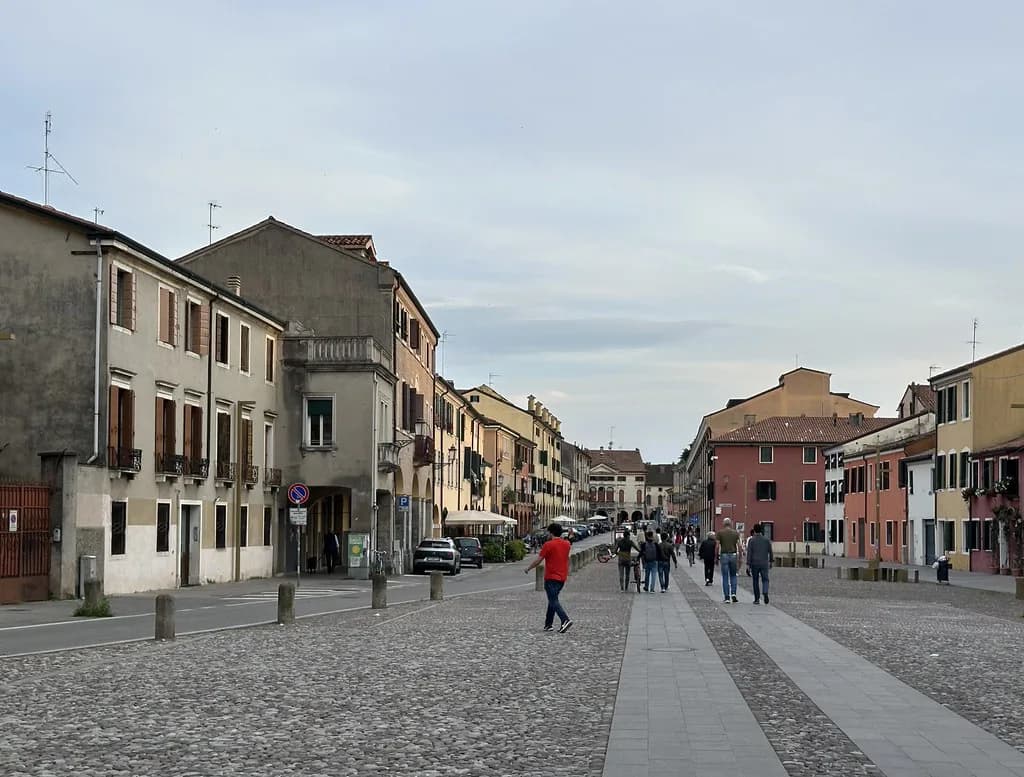
Padua's core is compact and largely pedestrian, so the cost of a day out is mostly what you choose to enter rather than what you pay to get around. Public squares and church exteriors are open to anyone, and the porticoes give you shade or shelter while you walk between them. That combination makes a half day genuinely cheap without feeling like a compromise.
The main budget trap is assuming all churches behave the same way. Some buildings are free to enter, others charge for specific chapels or museums, and separate ticketed collections inside one complex do not automatically share a ticket. Treat each site as its own decision rather than budgeting for 'churches' as a category.
If you want to go beyond the obvious stops, the city's quieter corners reward slow wandering more than rushing between ticketed sights. A curated list of lesser-visited places helps you plan a route that costs nothing but time. For wider planning, see Hidden Gems in Padua.
Start at Prato della Valle: A Free Orientation Point
Prato della Valle is a public square, which means no ticket and no opening time to plan around. It sits on the southern edge of the centre and works as a natural starting point before you head north into the streets. Arriving here first gives you a sense of the city's scale before you commit to any paid interiors.
The square's layout, with its central island and surrounding water channel, makes it a good place to sit, eat something you brought and decide how to spend the rest of the day. Because it is open public space, it costs nothing to linger. Pair it with the guide to the square's history and market days if you want more context before you arrive.
Santa Giustina Abbey: Free Entry and Split Daily Hours
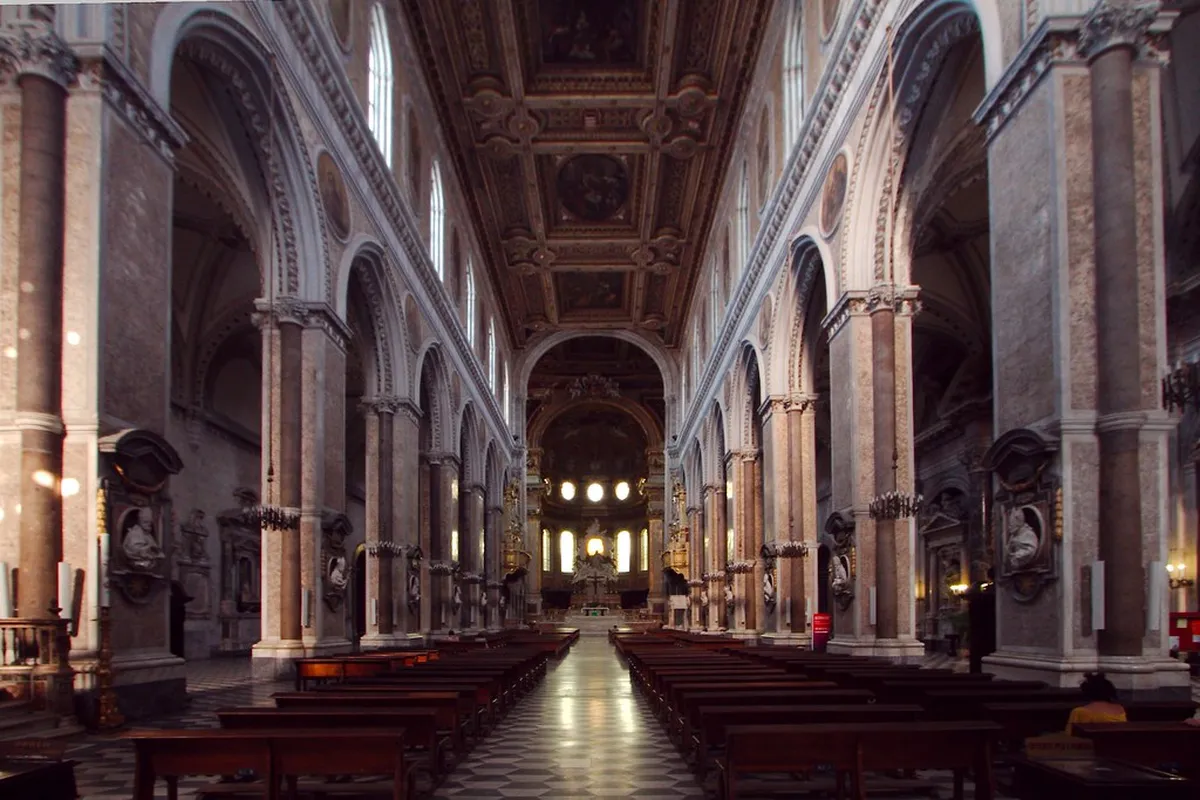
The Abbey of Santa Giustina sits right at the edge of Prato della Valle, and Padua's tourism office lists entry as free. That makes it the strongest free stop in the city for anyone interested in architecture or religious history. The current basilica dates from the sixteenth century and is 122 metres long, with a Latin-cross plan. Related guide: Hidden Gems in Padua.
The same tourism office page gives daily opening as 7.30 am to 12 noon and 3 pm to 7 pm, so the long midday gap is the detail most likely to wreck an afternoon plan. Build your visit into a morning or late-afternoon slot rather than assuming you can drop in whenever you pass. Confirm the times on the abbey's own site before you travel, since church schedules can change.
Free entry covers the church itself, and inside you can see the apse's fifteenth-century carved wooden choir and Paolo Veronese's altarpiece of the Martyrdom of St. Giustina, painted in 1575. Be aware that some areas, including the fourteenth-century Chapel of St. Luke, the wooden choir and the Antesacristy, require an authorised guide. Do not assume the free visit includes every corner.
The site's history is unusually deep: a first basilica was built here in the sixth century over the burial place of the martyr Giustina, and Benedictine monks arrived in the tenth century. The monastery was suppressed under Napoleonic rule in 1810 and served as a military barracks until the Benedictines returned in 1919. Knowing that helps you read the building rather than simply photographing it.
A Free Walk Past the Basilica of Sant'Antonio and Piazza del Santo
The Basilica of Sant'Antonio is Padua's most visited religious site, and the square in front of it, Piazza del Santo, is free public space. Walking the exterior and the square costs nothing and gives you the city's busiest devotional scene without a ticket. Use it as a waypoint rather than a destination if your budget is tight. For wider planning, see Basilica di Sant'Antonio in Padua.
Be careful about budgeting on interior details you cannot confirm. Opening hours, dress requirements and whether specific parts of the basilica charge admission are exactly the kind of thing that changes, and they should be checked directly with the basilica or the city tourism office before you rely on them. If a source does not state it clearly, treat it as unverified rather than planning around it.
Free Versus Paid: A Simple Decision Rule
Use one rule: pay only when the interior is the reason you came to Padua. Public squares, church naves and portico walks are free or open, while guided tours of historic buildings and small decorated complexes usually carry a fee. If you are unsure, ask at the door what the ticket covers, because a single ticket rarely unlocks an entire complex.
The Scrovegni Chapel is the clearest example of a site where entry is regulated and the number of visitors per time slot is limited, which means booking online in advance is generally advised rather than turning up. Prices vary by the type of visit, so check the current figures on the official site before you commit.
Cheap Paid Add-Ons That Earn Their Place
Palazzo Bo, the historic seat of the University of Padua, can be visited on a guided tour, and the city tourism office lists a full ticket at 16.50 euros with reduced tiers at 14.50 euros and 12.50 euros. Treat those as the published tiers rather than guaranteed current prices and confirm on the university's own pages. The draw is the Cortile Antico with its family crests and the first permanent Anatomical Theatre, which the university dates to 1595.
Access is the catch: some rooms may be unavailable depending on events or academic activity, so the tour content can vary from one week to the next. Booking through the university is more reliable than assuming a walk-up slot, and you should check what the tour includes on the day. The university's own visiting page is the place to confirm schedules and combined ticket options.
The Loggia and Odeo Cornaro is the better value add-on for a budget day. Padua's tourism office lists a full ticket at 5 euros, reduced at 4 euros and a young and students rate of 3 euros, with free entry for children up to five and for people with disabilities and their companions. Opening is split by season, with mornings Tuesday to Friday and longer weekend hours, and the site closes on non-holiday Mondays and on 1 May, 25 and 26 December and 1 January. For wider planning, see Hidden Gems in Padua.
The complex was begun by Alvise Cornaro, with the Loggia built in 1524 as a fixed theatrical backdrop and the Odeo added for music and intellectual gatherings. Its octagonal central room carries grotesque decoration that the city describes as the first example of the motif in Padua, and the adjoining rooms hold idealised landscapes attributed to Lambert Sustris. It is a compact visit that rewards attention rather than time.
The Quiet Stop: Why the Cornaro Complex Suits Budget Travellers
Small sites like the Cornaro complex give you substance for a small fee and rarely the jostle of the headline attractions. One visitor who wrote up a Saturday visit reported very few people inside and a visit lasting around half an hour, which fits neatly into a low-cost day. Do not expect spectacle on the scale of a major fresco cycle, and do not treat any single account as a guarantee of how busy it will be.
One practical caution: the same account notes steps at the site, which limit access for visitors with mobility impairments. If that affects your group, ask before buying. Photography inside is also restricted to the exterior according to another visitor account, so check the rules at the ticket desk rather than assuming.
The Botanical Garden as Context, Not a Budget Stop
The University of Padua's Botanical Garden was founded in 1545 and is the oldest university botanical garden still on its original site, recognised by UNESCO since 1997. It sits between Prato della Valle and the Basilica of Sant'Antonio, so it is easy to pass on a free walking route. Entry is ticketed, so treat it as a paid choice rather than a free stop.
Current ticket prices and the booking process are not confirmed here, so check the university's pages before you decide. If your budget is tight, walking past the garden and reading about its Renaissance layout costs nothing and still adds context to the southern end of the centre.
Two Sample Low-Cost Plans
For a half day, start at Prato della Valle, walk the perimeter for free, then cross to Santa Giustina Abbey in a morning or late-afternoon window that avoids the midday break. Finish with the porticoed stroll toward Piazza del Santo and the basilica exterior. Suggested duration is around three hours, which is a planning estimate rather than an official figure.
For a full day, add one small-fee interior in the afternoon, such as the Loggia and Odeo Cornaro on a day it is open. Keep the paid element to a single site so the day stays cheap, and leave slack for the seasonal afternoon opening times. If you want fewer crowds overall, check the city's historic centre walk for a route that links the main squares without doubling back.
Budget Mistakes to Avoid
The most common error is assuming every church interior is free or that one ticket covers a whole religious complex. Check at the entrance what the free visit includes, and expect guided-only areas in larger sites such as Santa Giustina. A second error is ignoring the midday closure pattern that many Italian churches follow, which can leave you waiting for hours.
A third mistake is buying passes or tours on the spot without comparing what they cover. Campus and city combined tickets exist, for example a discounted ticket for several University of Padua cultural sites, but only save money if you actually plan to visit two or three of them. Work out your list first, then buy.
Plan Your Visit
A cheap day in Padua comes down to sequencing: free squares and church exteriors in the morning or late afternoon, one small-fee interior if it genuinely interests you, and a midday break built into the plan. Recheck the abbey's hours and the Cornaro opening days on the city tourism site the week you travel, since both are seasonal or split.
If you want to spread your budget across more of the city, browse the wider collection of Padua Attractions guides and pick two or three sites rather than trying to tick everything. Fewer stops, checked in advance, almost always cost less and feel better than a rushed circuit.
Frequently Asked Questions
What can you do for free in Padua?
Prato della Valle is open public space, and the Abbey of Santa Giustina is listed by the city tourism office as free to enter. Walking the porticoed streets and the exterior of the Basilica of Sant'Antonio on Piazza del Santo also costs nothing. Check current opening times before you go, since churches usually close over midday.
Is Santa Giustina Abbey free to enter?
Padua's tourism office lists entry as free, with daily hours of 7.30 am to 12 noon and 3 pm to 7 pm. Some areas, including the Chapel of St. Luke and the wooden choir, need an authorised guide. Confirm the times on the abbey's own site before travelling.
Is the Basilica of Sant'Antonio free?
The square in front of the basilica is free public space, and walking the exterior costs nothing. Interior hours, dress requirements and any charges for specific parts should be confirmed directly with the basilica or the city tourism office, because published details change.
Are Padua's squares free to visit?
Yes. Prato della Valle and Piazza del Santo are public spaces with no entry fee or opening time. They work well as free orientation points at the start or end of a walking route through the centre.
Is the Loggia and Odeo Cornaro worth the small ticket?
If you want substance without crowds, it is a good use of a modest fee. The city tourism office publishes the full and reduced ticket tiers on its own page, and the visit is short, so it suits a budget day. Check seasonal opening days first, as it closes on non-holiday Mondays.
Do you need to book Palazzo Bo in advance?
Palazzo Bo can only be visited on a guided tour, so booking ahead is sensible. Some rooms may be unavailable during academic events, which means the tour content can vary. Check the university's visiting page for current schedules and ticket options.
How long do you need in Padua on a budget?
A half day covers Prato della Valle, Santa Giustina Abbey and a walk to Piazza del Santo. A full day adds one small-fee interior. These are planning suggestions rather than official durations, so adjust for your own pace and for midday church closures.
What should you skip on a budget trip to Padua?
Skip any interior you cannot confirm the entry terms for, and avoid stacking several paid tours in one day. The Botanical Garden and the Scrovegni Chapel are both ticketed, so check current prices before deciding whether either fits your budget.
Sources
Continue exploring
More guides you'll find useful