Mantua Local Food Guide: What to Eat and How to Plan
Plan a Mantua food visit around tortelli di zucca, mostarda, sbrisolona and Lambrusco Mantovano, with honest tips for checking menus and hours on the day.
On this page
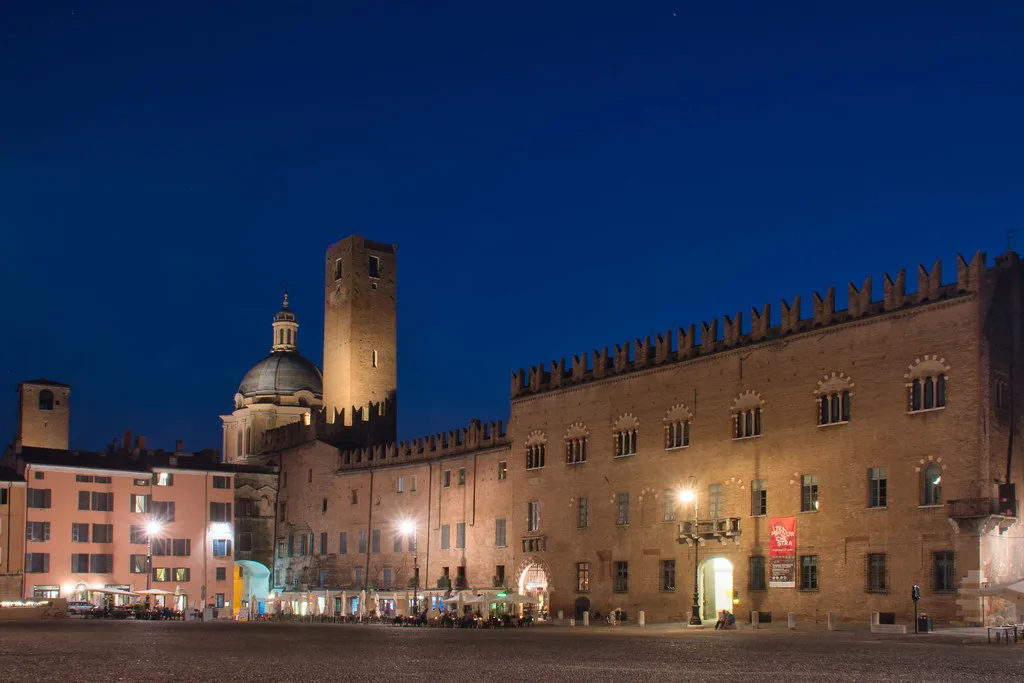
Mantua rewards a slow eater. The historic centre is compact and flat, ringed by the three lakes of the Mincio, so a morning of churches and a long lunch can happen within the same few streets without a bus ride in between. The Gonzaga court turned the city into a Renaissance showpiece, and the table tradition that grew around it is one of the strongest reasons to give Mantova more than an afternoon.
What follows sticks to food traditions that published sources actually describe: pumpkin, mostarda, sbrisolona, local charcuterie and Lambrusco Mantovano. It deliberately does not quote per-dish prices, because no current menu data is available to verify them. Instead, it explains which dishes to prioritise, where in the centre to look, and what to check on the day so your budget is your own calculation rather than someone else's outdated figure.
Why Mantua's Cuisine Rewards Slow Eating
Lombardy's regional tourism board describes Mantua as a compact provincial capital that is easily navigable on foot, with a culinary offering it ranks among the richest in Italy. That combination matters for a food-focused visit: you can move between a palace interior, a piazza table and a pastry counter without losing half the day to transport. The same page frames the cooking as rooted in old traditions but refined over time, which is a fair way to describe dishes built on pumpkin, mustard fruit and almonds rather than on spectacle.
A useful planning rule is to build the day around two proper meals and one sweet stop rather than grazing constantly. Mantuan cooking leans on rich fillings, cured pork and almond cake, so a heavy mid-morning snack tends to ruin lunch. If you only have one day, choose either a long lunch or a long dinner as the anchor and keep the other meal light.
Note that one of the most detailed English-language sources on Mantuan specialities is an older autumn-weekend feature that still lists 2022 festival dates. Treat its product descriptions as reliable context and its calendar entries as history, not as a 2026 programme. Check the city's own events listings if you want to know what is running during your stay.
The Dishes That Define Mantua
Pumpkin is the ingredient most associated with the Mantuan table, and it appears in the region's list of signature products alongside white truffles, charcuterie and Parmigiano Reggiano from the Oltrepò Mantovano. In practice this means tortelli di zucca, pasta parcels filled with sweet squash and usually balanced with amaretti and mustard fruit. Order them as a first course and expect a sweet-savoury register that surprises first-time visitors.
Mostarda is the second pillar and the one most often misunderstood. It is a fruit preserve spiked with mustard essence, served in small quantities alongside boiled meats, cheese or cured pork rather than eaten as a dessert. A guided gastronomic tour operator in the area builds its pitch around explaining exactly this difference, along with the local salami, pumpkin-filled pasta and a pork-and-risotto pairing.
Salumi mantovani deserve their own pause. The province's charcuterie is listed among the area's quality products, and a plate of local cured meats with mostarda and bread is an efficient way to taste several things at once without committing to a full menu. Ask what is produced locally rather than accepting a generic national selection.
White truffle from the Mantuan plains appears on the same regional list, but truffle is seasonal by nature. If a menu advertises it, ask which truffle and where it comes from before ordering, since the price difference between local and imported truffle is significant and should be reflected on the bill.
Sbrisolona: The Cake You Break, Not Slice
Sbrisolona is Mantua's almond crumble cake, a hard, rugged disc that shatters into irregular pieces rather than cutting into neat wedges. It is made with almonds, flour, sugar and butter or lard, and it is traditionally eaten by hand or broken over a glass of sweet wine. The regional tourism board lists torta sbrisolona among the province's flagship products, which is a reliable signal that it is the city's default sweet.
Because it keeps well, sbrisolona is also the sensible edible souvenir. Buy it from a bakery or pastry shop rather than a tourist-oriented gift store, and ask for it whole if you are travelling home with it, since it crumbles readily. A vacuum-sealed or well-wrapped slab survives a train journey far better than a soft cake.
Pastry shops in the centre also sell small versions and sbrisolona-based desserts, which is a lower-commitment way to try it if you are eating alone. Note that recipes vary: some are heavier on almonds, some sweeter. There is no single authorised version, so tasting two is a legitimate use of an afternoon.
The Wine to Order: Lambrusco Mantovano
Lambrusco Mantovano DOC is the local sparkling wine, produced in the lower Mantuan plain rather than in the hills. The regional tourism board describes it as a sparkling wine from the Bassa Mantovana and mentions a Mantua Wines and Flavours Route stretching across roughly 300 kilometres of the province. That makes a winery stop a genuine half-day excursion if you have a car or join an organised visit.
In restaurants, order it by the glass with the first course rather than treating it as a celebration bottle. It is a food wine, and its acidity handles the sweetness of pumpkin tortelli and the fat of cured pork better than a heavy red would. If the list only offers Lambrusco from neighbouring provinces, that is not a failure, but the Mantovano bottling is the one that belongs to the city.
Cellar and vineyard visits require booking with individual producers, and schedules change with the season. Confirm directly with the estate before building a day around a tasting, and check whether transport back to Mantua is arranged, since the wine zone sits outside the city and the return leg is the part people forget to plan.
Where to Look in the Centre
Three linked squares form the eating heart of the city. Piazza Sordello sits beside the Ducal Palace and the cathedral, Piazza delle Erbe carries the medieval core with its clock tower and rotunda, and Piazza Broletto continues the sequence, with shops and eateries in the arcades. A published attraction list puts tortelli di zucca among the local delicacies to sample in exactly this area, which makes the squares a sensible starting point for a food walk.
Porticoed streets are your friend in wet or hot weather, and the arcades around Piazza delle Erbe let you compare several menus without committing. Menus displayed outside are the fastest honest signal of price level and whether the kitchen serves Mantuan dishes at all. A place listing only national pasta standards is telling you something.
For a food-focused half day, a practical approach is to start at Piazza Sordello, walk through Piazza Broletto into Piazza delle Erbe, sample something small, then commit to lunch nearby. Pale, hunger and tired feet all argue against trekking to the far edge of the centre just to chase a listicle entry. If you want quieter corners to walk off lunch, the city's lakeside and less-visited lanes are worth an hour.
How to Budget Honestly
No current, verifiable per-dish price data exists for Mantuan restaurants, so treat any specific euro figure you find online, including in this guide, as unverified. Restaurant prices shift with the cost of ingredients, the season and the room; a number captured last year tells you little. The safe method is to read the displayed menu before sitting down, confirm whether the price includes cover and service, and note that a first course of tortelli and a shared second will typically land lower than two full courses each.
Set your own ceiling before you order rather than after. Decide what a comfortable lunch means to you, check the menu against it, and choose wine by the glass if the bottle list is unmarked. If a restaurant does not display prices at all, that is a reason to ask before ordering, not after. Keep a small cash reserve for bakeries and market stalls, which are the cheapest places to try sbrisolona and mostarda without committing to a seated meal.
If budgeting tightly, treat the big food spend as one meal and use the rest of the day on bread, cheese and pastry from shops. This is not a compromise: mostarda with a piece of local cheese or a slice of sbrisolona with coffee is a legitimate taste of the city. It also keeps the total controllable when you cannot verify prices in advance.
A Suggested Food-Focused Half Day
This route is our suggestion, not an official itinerary or a guided programme. Begin mid-morning at Piazza Sordello, where the Ducal Palace and cathedral give the setting context, then walk through Piazza Broletto into Piazza delle Erbe. Browse the menus and the shops, buy a small pastry or a piece of sbrisolona to test the bakeries, and choose your lunch venue based on the displayed prices rather than on a preconceived plan.
After lunch, use the early afternoon for one substantial indoor stop. Palazzo Ducale and Palazzo Te each take a couple of hours and sit roughly a kilometre apart, so visiting both on the same day is possible but leaves little room for a leisurely meal. Choose one and give it proper attention, especially since Mantegna's frescoed Bridal Chamber is a timed, capacity-limited space that should be reserved when you buy the palace ticket.
Close the day with an aperitivo in the centre and a light dinner, or with a second visit to a bakery for provisions. If you would rather keep eating, a focused half day on food followed by a shorter palace visit works well; the trade-off is the risk of arriving at a timed slot already full from lunch. Book the timed entry for a time you can meet comfortably.
Common Mistakes to Avoid
The first mistake is treating Mantua as a quick stop between Verona and Lake Garda. One source describes it as a walking-friendly city where the main sights cluster together, which encourages rushing; but the food rewards time, and a two-hour lunch plus a palace will fill a day on its own. Give the city at least an overnight if food is a priority.
The second is skipping the pumpkin pasta in favour of a familiar dish seen everywhere else in Italy. The tortelli are the local signature for a reason, and they are the item that most reliably tells you whether a kitchen is cooking Mantuan food. The third is ordering cured meats and mostarda without asking which are local, since a generic platter can hide the very products you came for.
Finally, do not assume a restaurant's hours from a guide. Kitchen and closing times in Italy vary by day, season and holiday, so confirm directly or check the restaurant's own page the same day. The same applies to the city's museums: the official site publishes service notices, limited-opening alerts and other practical interruptions that are worth a look before you travel.
If you are extending your eating research to other Italian cities, our Bologna local food guide takes a similar evidence-first approach to Emilia-Romagna's signature dishes.
Eat Well in Mantua Without Guessing
Mantua's food identity is genuinely distinctive: pumpkin tortelli, mustard fruit, almond sbrisolona, local charcuterie and Lambrusco Mantovano, all set in a centre small enough to cross on foot between courses. Build your day around one proper meal, check menus before you commit, and book any timed palace entry for a slot you can actually reach without bolting your lunch.
Prices and opening times are yours to verify on the day; that is normal in Italy and not a sign that a place is hiding something. Read the menu, ask about cover charges, confirm the hours on the restaurant's own page, and keep a bakery fallback for the moments when the kitchen is closed between services. Done that way, Mantua is a satisfying place in Lombardy to eat slowly.
Frequently Asked Questions
What food is Mantua famous for?
Mantua is best known for pumpkin-filled tortelli di zucca, mostarda fruit preserve with mustard essence, torta sbrisolona almond cake, local salumi and Lambrusco Mantovano sparkling wine. White truffle from the surrounding province and Parmigiano Reggiano from the Oltrepò Mantovano are also listed among the area's quality products.
What is tortelli di zucca and why is it associated with Mantua?
Tortelli di zucca are pasta parcels filled with pumpkin, usually balanced with amaretti and mostarda for a sweet-savoury flavour. Pumpkin is one of the province's recognised signature products, which is why the dish appears on menus across the city and is treated as a marker of whether a kitchen is cooking locally.
What is sbrisolona and how is it eaten?
Sbrisolona is a hard almond crumble cake that shatters into pieces rather than slicing cleanly. It is eaten broken by hand, often with a glass of sweet wine, and it keeps well enough to serve as a food souvenir. Because recipes vary between bakeries, tasting more than one is a reasonable plan.
Is Lambrusco Mantovano sweet or dry?
Lambrusco Mantovano DOC is a sparkling wine from the lower Mantuan plain, and the style on the label determines whether a bottling is dry, off-dry or sweeter. It is usually served by the glass with food rather than as a celebration bottle, and its acidity pairs well with pumpkin tortelli and cured pork.
How much should I budget for food in Mantua?
Keep your own budget plan rather than relying on published per-dish figures, which go out of date quickly. Read the displayed menu before sitting down, ask whether cover and service are included, choose wine by the glass, and use bakeries for a cheaper taste of sbrisolona and mostarda. A single proper meal plus shop food is the most controllable approach.
Can I eat well in Mantua in one day?
Yes, if you anchor the day around one long lunch or dinner and keep the other meal light. A half day of eating in the centre and a couple of hours in Palazzo Ducale or Palazzo Te is a realistic plan; trying to fit both palaces and two full restaurant meals into one day is not.
Where in the historic centre should I start a food walk?
Start at Piazza Sordello beside the Ducal Palace, walk through Piazza Broletto into Piazza delle Erbe, and compare displayed menus along the arcades. This sequence keeps the main sights and the food options within a short walk of each other. If you want quieter streets after lunch, wander toward the lakes and less-visited lanes.
Sources
- Comune di Mantova
- Gourmet Tours: Food, Wine And More - VISITMANTUA
- Mantua and the flavours of tradition | in-Lombardia: Sito Ufficiale del Turismo della Regione Lombardia
- 29 Crazy and offbeat roadside attractions in Mantua
- Top Attractions In Mantua, A Renaissance Marvel In Northern Italy - The Geographical Cure
- Visit Mantua Italy ⭐️ Best Things to Do and See in 2026
Continue exploring
More guides you'll find useful