Brescia Viewpoints Guide: Castle, Cidneo Hill and Old Town Views
Compare Brescia's viewpoints, from the castle on Cidneo hill to Roman remains and cathedral squares, with free grounds, ticketed museums and light tips.
On this page
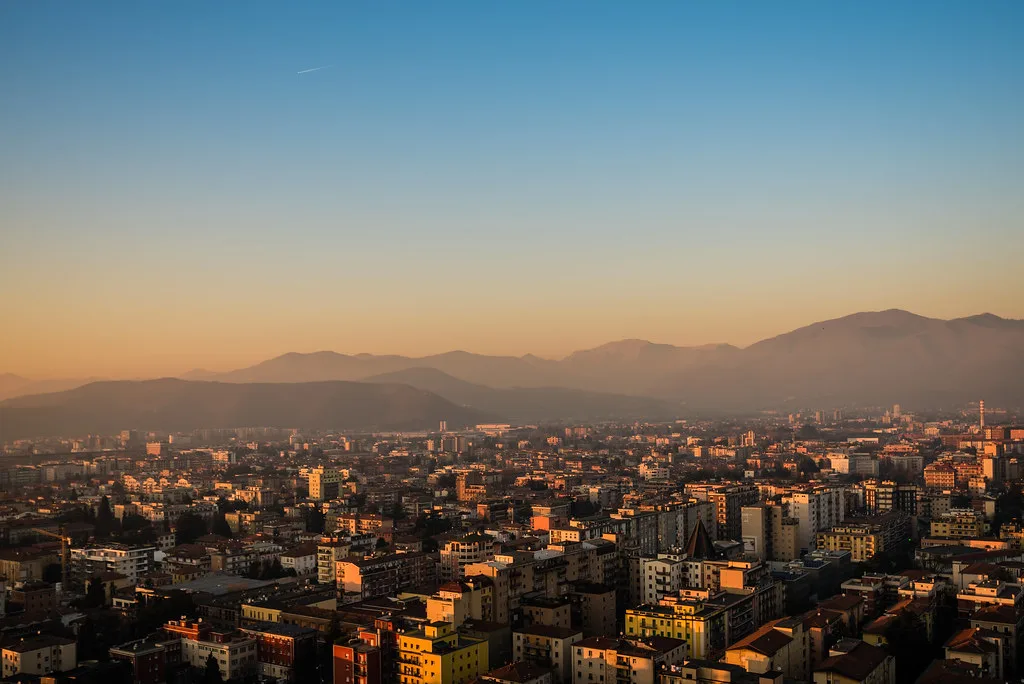
Brescia's best views are not all in the same place, and they are not all the same kind of view. The castle on Cidneo hill gives you rooftops and mountains from above, while Piazza del Foro and the cathedral squares give you history at eye level. Deciding which one to walk to first saves you a needless climb.
This comparison is built around a simple question: do you want elevation, or do you want layers of architecture close up? The castle sits on the hill above the historic centre and is reachable on foot, while the Roman remains and church squares sit in the flat core. Trip listings suggest a one-to-three-hour window for the castle visit, a planning figure rather than an official rule. Treat the walk as the plan and the viewpoints as the reward.
Quick Answer: Which Brescia Viewpoint Suits You?
If you have half a day and want one broad panorama, head for the Castle of Brescia on Cidneo hill and treat the walk up as part of the outing. If you have a short stop or hate stairs, stay in the centre and use Piazza del Foro and Piazza Paolo VI instead, where the views come from columns, domes and facades rather than height.
Travellers who want a mixed day can chain both: climb to the castle in the morning, then descend for the Roman forum and the two cathedrals. That order puts the effort first and leaves the flatter, shaded, architecture-heavy stops for when your legs are tired.
Start With the Geography: How Cidneo Hill Relates to the Historic Centre
Cidneo hill rises immediately beside the historic centre, and the castle complex sits on top of it. Sources describe the hill as standing near the old core, which is why the climb is short in distance even if it feels long in stairs and slopes. The practical consequence is that you do not need transport to reach the main elevated viewpoint.
The rest of the classic Brescia route stays low. Piazza del Foro, Piazza Paolo VI, Piazza della Loggia and Piazza Vittoria are all in the compact centre, and the Santa Giulia Museum sits on Via Musei in the restricted-traffic zone. Think of the day as a loop from the hill down into the squares rather than a series of separate trips. For other overlooked corners between these stops, the guide to hidden gems in Brescia covers quieter streets worth folding into the same walk.
The Castle of Brescia: Grounds, Ramparts and What You Actually See
The castle's appeal is straightforward: you walk through old stone gates, climb to the ramparts, and the city spreads below with mountains behind it. Because the stronghold occupies the top of Cidneo hill, the panorama is wide rather than framed, so bring a camera that handles bright sky.
Getting there on foot is the norm, and the site is described as accessible by walking uphill from the centre. Wear shoes with grip, because the approach and the castle paths involve uneven stone, and allow more time than the map suggests if you stop for photos. Trip listings give a suggested sightseeing window of one to three hours for the castle, which is a sensible planning figure rather than an official rule.
Opening hours and admission arrangements for the castle change, and the city does not publish them in this guide. Before you commit to a late-afternoon climb, check the Comune di Brescia pages and the Fondazione Brescia Musei site for the current status rather than trusting an old listing.
Inside the Castle Complex: Arms Museum, Risorgimento Collections and Separate Tickets
The castle holds more than a terrace. Inside its walls you find the Luigi Marzoli Museum of Arms in the Visconti keep, and travel guides also list a Risorgimento museum, a model railway exhibit and an astronomical observatory among the attractions on the hill. Treat these as separate interiors with their own access arrangements.
A common mistake is assuming one ticket covers the hill, the ramparts and every collection. The operator does not advertise a single combined ticket for the whole hill, so budget time and money per collection and decide which interiors genuinely interest you. If weapons and military history are not your thing, the outdoor walls may be enough.
Cidneo Hill Beyond the Walls: Quiet Climbs and Churches on the Way
The climb is more than a transfer. On the ascent from the centre you pass small churches and lanes, including Santa Maria delle Consolazioni on the rise toward the castle, which gives the walk a stop-by-stop rhythm rather than one long slog.
Higher up, San Pietro in Oliveto sits at the end of the climb near the castle area, so it can serve as a rest point before or after the ramparts. These are working religious buildings, so keep voices low, dress respectfully and check locally whether the doors are open when you arrive.
If the uphill walk sounds like too much on a hot day, split the visit: climb early, descend for a long lunch, and return to the centre's squares in the afternoon. That structure keeps the hill as a highlight rather than an endurance test.
Piazza del Foro and the Capitolium: Low Viewpoints With Roman Layers
The Roman forum area gives Brescia its most distinctive low view: a Capitoline temple, columns and the remains of a square that once stretched far wider than what you see today. Lonely Planet notes surviving fragments including Corinthian columns on the east side of the piazza, which is exactly the kind of detail to look for rather than expecting a complete reconstruction. Further visitor details appear in Piazza del Foro | Brescia, Italy | Attractions - Lonely Planet.
The Capitolium itself was built in AD 73 under Vespasian and dedicated to Jupiter, Juno and Minerva, and its three cellae still define the site. The bronze Winged Victory found during nineteenth-century excavation is now displayed in the associated museum, so the archaeological area and the collection are related but distinct stops.
The adjacent Roman theatre and the Republican sanctuary complete the cluster, and the new UNESCO corridor links this area with the Santa Giulia Museum along a single pedestrian route. That corridor is described as open freely and free of charge, which makes it the cheapest way to connect the Roman viewpoints with the museum quarter.
Cathedral Square and Piazza della Loggia: Architectural Views at Eye Level
Piazza Paolo VI is Brescia's signature eye-level view because two cathedrals share one square: the circular Romanesque Duomo Vecchio and the Baroque Duomo Nuovo with its dome. The New Cathedral's dome is described as the third tallest in Italy, and its facade is in Botticino marble, so the square rewards looking up as well as across.
The cathedral interiors are generally visitable free of charge, with the sensible caveat that special functions and events can restrict access. That makes the square a low-risk stop if your time is tight, though you should still verify current opening times through the Diocese of Brescia before planning around a specific interior.
A few minutes away, Piazza della Loggia offers another architectural composition: the Renaissance town hall, the astronomical clock tower and the arcaded facades around it. It works well as a coffee stop between the cathedral square and the Roman forum rather than a destination in itself, and the Piazza della Loggia section of the hidden gems guide adds nearby corners to fold in.
Best Light and Timing: Suggestions, Not Guarantees
Nobody can promise a clear sky or a perfect sunset, so treat light advice as a planning preference. As a rule of thumb, late afternoon suits the castle ramparts, when low sun rakes across the rooftops and the stone warms up; mornings tend to flatter the cathedral square as facades catch softer light.
Summer heat is the more reliable constraint. Walking guides suggest visiting Roman ruins in spring or autumn for more comfortable temperatures, and the same logic applies to the unshaded climb to Cidneo hill. Carry water and start early if you are travelling in high summer.
For events and temporary exhibitions that might change what you see from a given terrace, check the city's events calendar close to your dates rather than assuming a seasonal programme. The Comune publishes current notices and a dated events list.
Comparing the Options: A Decision Table by Time, Effort and Interest
For a two-hour window with limited energy, choose the cathedral square and Piazza della Loggia: flat, close together and full of architectural detail. For a half day with a head for hills, choose the castle and Cidneo climb, then descend through the Roman forum for the contrast between panorama and street-level archaeology.
If you are travelling with people who prefer museums to heights, the Santa Giulia Museum and the Capitolium collections give depth without the climb, though they are ticketed and should be checked individually. Visit Brescia stresses that tickets and opening hours belong to each site's official channels, not to a single city pass.
Solo walkers and photographers often get more from combining two short stops than from chasing every viewpoint. Pick one elevated view and two eye-level ones, and leave the rest for a return trip. The Brescia Attractions hub is a sensible next read if you want to expand the shortlist beyond viewpoints.
Practical Pitfalls: Traffic Zone, Parking and Footwear
Cars and the centre do not mix well. Visit Brescia notes that the cathedral area is restricted to car traffic, and the Santa Giulia Museum sits in a restricted zone where visitors are advised to park at Parcheggio Arnaldo and continue on foot, or arrive by metro at Vittoria. Bus lines 2, 10, 11, 17 and 18 also serve the cathedral area.
Footwear matters more than any gadget. The climb to the castle and the lanes around it are paved but uneven, and historic church floors add polished stone steps. Choose shoes you could walk in for three hours and skip anything new on the day you plan the hill.
Finally, resist the urge to bundle every interior into one day. Each museum, church and archaeological area keeps its own arrangements, and assuming otherwise is how travellers waste an afternoon at a closed door.
Plan Your Viewpoint Day
Brescia is generous with views precisely because they come in different forms. Climb to the castle for the wide picture, then come down for the close-up history of the forum and the cathedral square. That pairing gives you the city from above and from within on the same day.
Check current access details for the castle interiors and any museum you plan to enter before you set out, because hours and ticketing are managed site by site. Then build the walk around your own energy: hill first if you are fresh, squares first if you are not.
Frequently Asked Questions
Is the Castle of Brescia free to visit?
The outdoor castle grounds and the climb to the ramparts are the part most visitors come for, while the collections inside, such as the Museum of Arms, are separate interiors. The Comune and the museum operator do not publish one combined arrangement for the hill in this guide, so check the Comune di Brescia and museum pages before you go rather than assuming one ticket covers everything.
How long do you need at Brescia Castle?
Trip listings suggest a window of roughly one to three hours for the castle, which is a reasonable planning figure for the walk up, the ramparts and a museum. Add more if you want to see several collections, and remember the climb itself takes time on a hot day.
Can you walk up to Cidneo hill from the historic centre?
Yes. The hill sits directly beside the old core and the castle is described as reachable on foot, so no transport is needed for the main elevated viewpoint. Expect paved but uneven surfaces and a steady climb, and wear shoes with grip.
Which Brescia viewpoint is best for photos?
For wide city-and-mountain shots, the castle ramparts are the obvious choice, and late afternoon light tends to flatter the rooftops. For architectural detail, Piazza Paolo VI and Piazza del Foro give stronger close-up images of domes, columns and facades.
Do you need tickets for the Capitolium and Santa Giulia Museum?
These are managed separately, and the Capitolium archaeological area sits alongside a museum collection rather than being one open square. Check each site's official channel for current tickets and hours, and note that the connecting UNESCO corridor is described as open freely and free of charge.
Is Brescia walkable for a day of sightseeing?
The historic centre is compact, and the main squares, the Roman forum and the cathedral area sit within easy walking distance of each other. The climb to the castle is the one demanding segment, so plan it early and keep the flatter stops for later in the day.
Sources
- Comune di Brescia
- Self-guided Sightseeing Tour #4 in Brescia, Italy | Visit Sights
- Piazza del Foro | Brescia, Italy | Attractions - Lonely Planet
- Visit Capitolium of Brixia, Brescia in Brescia | Live the World
- Brescia’s Duomo Nuovo and Duomo Vecchio – Jubilee Church | Visit Brescia
- Santa Giulia Museum | Visit Brescia
- Brescia Castle Tickets [2026] - Promos, Prices, Reviews & Opening Hours | Trip.com
Continue exploring
More guides you'll find useful