Brescia Two-Day Itinerary: Roman Ruins, Museums and Quiet Corners
A slow two-day Brescia itinerary: Roman Brixia and the castle on day one, museums, Mille Miglia cars and Borgo Trento on day two, with food stops and evening ideas.
On this page
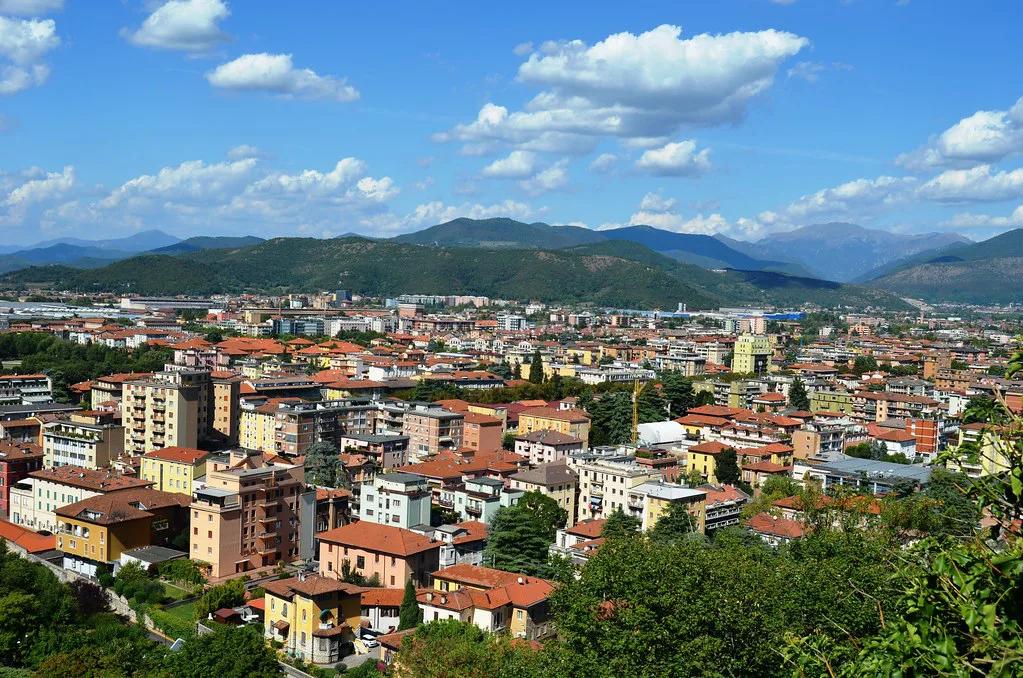
Brescia rewards travellers who give it two days rather than an afternoon. The historic centre is compact enough to walk, so the first day can stay outdoors with the old town squares, the Brixia Roman Archaeological Park and the castle on Colle Cidneo.
The split below is an editorial suggestion, not an official schedule: keep day one outdoors for Roman and medieval Brescia, then spend day two indoors with the Santa Giulia museum, the city's Mille Miglia heritage and the small Borgo Trento neighbourhood. Order the parts around your own energy.
Why Brescia Suits a Two-Day Visit
A useful starting point is that the city's old town is generous and walkable. One visitor guide describes it as large and well maintained, with the train station on its southern edge and the castle on the north-eastern corner, which gives you a natural frame for a day on foot.
The same guide suggests the highlights can be squeezed into a single day, but recommends three days to add museums and a lake trip. For a two-day plan, that points to keeping both days in the city and treating the lakes as a separate trip rather than a midday detour.
Brescia carries an industrial reputation, though the source notes you will not notice it in the old town. What you get instead is a well-kept historic centre with Roman layers, a castle hill and a museum scene that justifies the second day.
Before You Go: Arrival, Season and Base
Brescia sits between Milan and Verona, and the source guide notes it is easy to reach by train from either direction. It also advises that a car is unnecessary for seeing the city itself, so choose accommodation for walking distance or metro access rather than for parking.
On season, that guide describes four distinct seasons: summer is the busiest for lake days, winter suits the mountains, and spring or autumn bring fewer crowds with a real chance of rain; the author visited in mid-October and enjoyed it despite wet weather. Pack for showers rather than assuming sunshine.
For orientation before you decide the order of your days, browse the guide to hidden gems in Brescia, which covers the corners of the centre that are easy to walk past. It pairs well with this two-day structure rather than replacing it.
Day One, Morning: Old Town and the Three Squares
Begin by wandering rather than ticking off sights. The Torre della Pallata is a good first anchor; the same visitor guide singles out its corner as especially worth circling from every side, so take the time to see it from more than one angle.
The centre's three main squares structure the rest of the morning. Piazza della Vittoria feels the most modern; Piazza della Loggia is described as the heart of the historic centre, with a sixteenth-century clock tower and narrow restaurant lanes leading off it; and Piazza Paolo VI holds the Duomo Vecchio and Duomo Nuovo side by side, so you can compare the Romanesque old cathedral and the later dome in one stop.
If the weather is wet, Corso Giuseppe Zanardelli is a pedestrian-only shopping street, wider than the surrounding lanes, with a mix of local shops and international brands. It is a pleasant connector, not a destination.
Day One, Midday: Brixia Roman Archaeological Park
Brescia was inhabited before Rome took it over in 200 BC, and the Brixia park in the centre is where that depth becomes visible. The source guide walks you through a Republican Sanctuary with surviving Roman paintings, the Capitoline Temple from 73 AD and a Roman theatre that developed over centuries.
Treat the park and the neighbouring Santa Giulia museum as two separate visits that are convenient to pair geographically, but do not assume a single combined ticket covers both. Check the official Brescia museum site for current admission terms before you rely on any combination.
Because the park sits in the city centre rather than on a peripheral site, it folds naturally into a self-guided walk. Allow time to read the panels; this is the historical foundation of the trip.
Day One, Afternoon: Colle Cidneo and Brescia Castle
Above the Roman park, the castle sits on its hill and gives you the city from above. According to the source guide, the hill and grounds are open to the public without a ticket, while entering the fortress interiors requires a museum ticket. That distinction is the decision point for the afternoon.
Inside the castle are the Luigi Marzoli Arms and Armor Museum and the Risorgimento Museum, which the source presents as two distinct collections. Verify each museum's current opening days and ticket terms on the official site rather than assuming one admission covers both.
If you would rather keep the afternoon outdoors, skip the interiors and save them for a return visit. The climb and the panorama are a legitimate half-day in themselves, and the walk down leads you straight back into the centre.
Day One, Evening: Aperitivo or a Brescian Dinner
For a more affordable aperitivo, the source guide points to the university-area streets between Via Silvio Pellico and Via Fratelli Bandiera, where graffiti and cocktail bars give the evening a younger feel. For dinner, it names I Du Dela Contrada for local Brescian cooking, with casoncelli alla Bresciana as the pasta to try.
The same guide also flags the city's international food scene, including a Palestinian restaurant it recommends, so the evening need not be purely traditional. Confirm hours and availability directly with any restaurant; schedules are not fixed by an itinerary.
Day Two, Morning: Santa Giulia Museum
Day two is the museum day. The Santa Giulia Museum occupies a former Lombard Benedictine monastery in the centre and covers the city's archaeology, art and religious life. Because it stands next to the Roman park, it pairs naturally with day one's outdoor archaeology, but it deserves an unhurried morning of its own.
This is where Brescia's UNESCO layers become clearest. A local hospitality guide describes the city as a sequence of layers, from the Capitolium and the Winged Victory to Santa Giulia and Colle Cidneo, which is a helpful way to frame what you are looking at.
Check the official Brescia museum site for current opening days and ticket terms before committing your morning, since museum schedules vary and should not be guessed.
Day Two, Midday: Brescia and the Mille Miglia
Brescia is closely tied to the Mille Miglia road race, and the city's historic car museum focuses on vintage racing machines. The source guide briefly explains this as a separate collection from the castle museums, so plan it as its own stop rather than an add-on to the castle visit.
The local guide treats the Mille Miglia as part of Brescia's identity alongside its churches and squares, describing the city as holding both UNESCO heritage and a mechanical myth. That framing helps if you are travelling with someone who prefers engines to archaeology.
Two collections in one day is realistic; three is not. If the morning overruns, keep the car museum and drop the neighbourhood wander rather than rushing both.
Day Two, Afternoon: Borgo Trento on Foot
Borgo Trento lies just outside the historic centre and is described as a small, quiet neighbourhood where the architecture and feel recall how Brescia looked in decades past. You can walk there from the old town or take the metro to the Marconi stop, making it an easy add-on without a car.
The neighbourhood begins around Megan Bar and follows Via Trento north for a few blocks, so the wander is short by design. The same guide notes it holds some of the city's best restaurants, including a long-running trattoria, which suits a slow afternoon meal; verify current opening days yourself.
Day Two, Evening: Franciacorta in the City
The hills around Lake Iseo and Lake Garda produce Franciacorta, a sparkling white wine made in the Champagne style. Many Brescia restaurants pour local wines, so a glass with dinner is the simplest way to fit a tasting into a two-day trip.
If you want a full vineyard visit, treat it as a third-day activity. The Paolo VI site lists Franciacorta as its own itinerary beyond the city, which confirms it deserves more time than a squeezed evening allows.
If You Have a Third Day: Lakes and Wine Country
Lake Iseo is the quieter option reached by direct train from Brescia's station according to the source guide, while Lake Garda is the more famous alternative with easier connections to southern towns such as Desenzano del Garda and Peschiera del Garda.
The same guide notes that the northern end of Lake Garda has the more dramatic landscape but is harder to reach for a day trip, while the south is convenient. That is the trade-off to weigh: scenery versus time.
For the wider province, the Paolo VI site lists Lake Iseo, Lake Garda, Franciacorta and the Camonica Valley as separate itineraries. Pick one for a third day rather than attempting several.
Practical Tips: Walking, Metro and When a Car Hurts
Within the centre, walking is the whole point. The metro is useful for Borgo Trento and for reaching accommodation outside the old town, and the source guide recommends booking a stay in the centre or along the metro line so you are not dependent on a car.
A car becomes a liability in the centre, where the source describes parking as potentially tough if your accommodation is right in the middle. Keep the car only if you are continuing to the lakes or the wine country; otherwise rely on trains and your feet.
For specific sights, opening details and ticket terms, the Brescia Attractions hub gathers visitor guides to the city's main sites. Check official museum pages before each day rather than relying on any second-hand schedule.
What to Skip and What to Save
The two-day plan stays slow only if you resist stacking every museum. The castle's two interior collections and the car museum are easy to combine, but doing all three plus Santa Giulia in one day would flatten the experience.
Save the lake day and the Franciacorta vineyard visit for a return trip. Both are better with a full day, and the source guide's three-day recommendation exists precisely because the city plus a day trip is a comfortable pace.
Plan Your Visit
Two days in Brescia work best when day one stays outdoors and day two goes indoors, with the Roman park and the castle hill giving the first day its shape. Check current museum opening days and ticket terms on official sources before you travel, since these are the details most likely to change.
Build the rest around walking, keep one evening free for a local dinner with casoncelli and a glass of Franciacorta, and leave the lakes for a third day if your schedule allows. That way the two-day version stays a real itinerary rather than a checklist.
Frequently Asked Questions
Is two days in Brescia enough?
Two days cover the historic centre, the Roman archaeological park, the castle hill and one or two museums at a comfortable pace. The source guide suggests three days if you also want a lake day trip, so treat a third day as a bonus rather than a requirement.
What should I do on day one in Brescia?
Walk the old town squares and the Torre della Pallata corner in the morning, visit the Brixia Roman Archaeological Park around midday, and climb to the castle on Colle Cidneo in the afternoon. Finish with an aperitivo in the university-area streets or a Brescian dinner.
Do I need a ticket for Brescia Castle?
According to the source guide, the hill and grounds are open to the public without a ticket, while entering the fortress museum interiors requires a museum ticket. Check the official Brescia museum site for current terms rather than assuming a combined ticket covers every collection.
Is the Brixia Roman Archaeological Park worth visiting?
Yes, if you want the historical foundation of the city. It holds a Republican Sanctuary with Roman paintings, the Capitoline Temple and a Roman theatre, all in the centre. Treat it as a separate visit from the neighbouring Santa Giulia museum and check ticket terms before you go.
Should I stay in central Brescia or by the lakes?
Stay in central Brescia for a two-day city itinerary, ideally in the old town or along the metro line, so you can walk to the main sights. The lakes work better as a third-day trip than as a base, since you would spend time commuting back and forth.
Sources
Continue exploring
More guides you'll find useful