Castello di Brescia Visitor Guide: Hilltop Views and Fortress Walks
A practical Castello di Brescia guide: the walk up from the historic centre, open grounds versus ticketed spaces, city views, and how to check current hours.
On this page
Castello di Brescia crowns the hill above the historic centre, and one third-party listing gives a suggested sightseeing time of one to three hours, with the castle reachable on foot. That range is a useful planning cue rather than an official schedule: a brisk look at the ramparts can fit into an hour, while a slower wander with rest stops and a museum visit easily fills a half-day. This guide covers the climb, the views, what is open to roam, and which nearby sights pair naturally with the fortress.
Where the castle sits and how to pace it
The fortress occupies a small hill above the city, and one third-party listing describes it as accessible on foot. That shapes the whole visit: you climb to reach the walls, then wander rather than follow a fixed circuit. Use the one-to-three-hour suggestion as a range and decide on the day how much of it you want to spend sitting on a wall looking out.
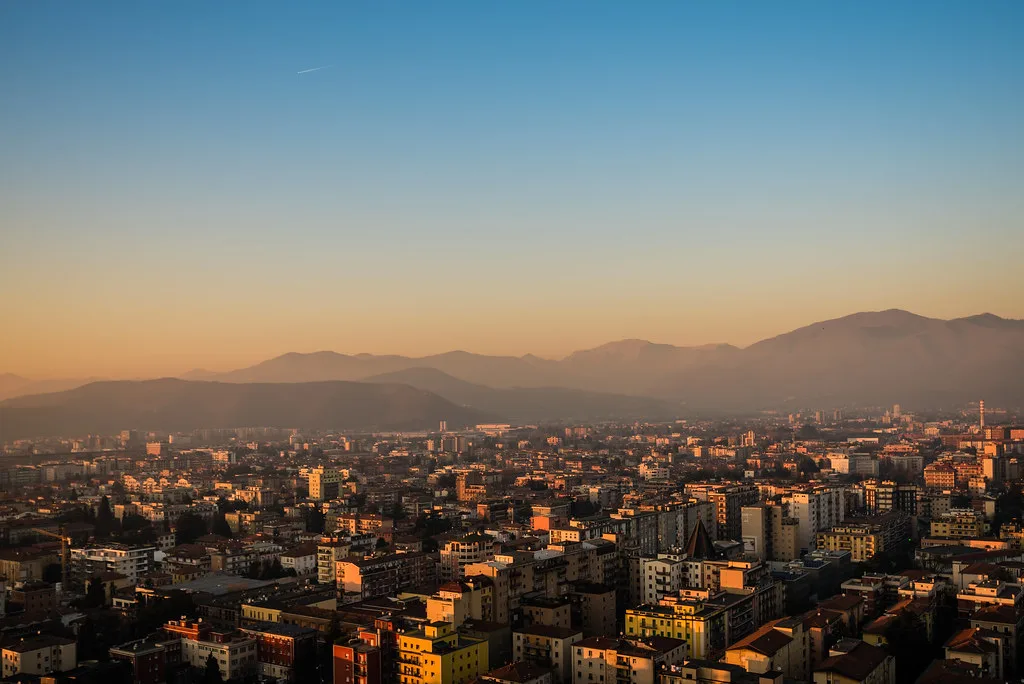
A city guide to Brescia treats the castle as the spot for the best view in town, with old stone gates, ramparts and the city spread below backed by mountains, and recommends it for wandering, photos and a break in the shade. That is the honest shape of a visit: the fortress is a place to be rather than a checklist of rooms. If you are mapping your time across the city's sights, it is a natural anchor for an afternoon rather than a rushed add-on.
The hill's layers, briefly
The hill has a very long story: the same third-party listing reports habitation from roughly 1200 BC, gradual development into a defensive castle, an opening to the public in 1900, and a role as a tribunal for fascist crimes in 1945. These are background dates from a booking and listings site rather than a verified official chronology, so enjoy the layering without treating every detail as settled history.
Brescia's heritage is unusually dense, and the castle sits within a city that also holds Roman remains and a UNESCO-listed Longobard site. Visit Brescia notes that UNESCO added Brescia to the World Heritage List in 2011 as part of the Longobards in Italy serial site. Seeing the fortress as one layer in that longer story helps the walk up feel like a vantage point over the city's whole past rather than an isolated stop.
The climb from the historic centre
The walk up is the main practical decision, because it sets how much energy you have once you reach the walls. Treat it as a steady climb rather than a race: start from the centre, keep a comfortable pace, and allow for a pause or two on the way. Comfortable shoes and a bottle of water do more for the visit than any other preparation.
Lifts, parking and accessibility arrangements at the castle are not described by the sources consulted here, so if any of them matter to your visit, ask before you go rather than assume. Visit Brescia publishes practical sections on getting around and on tourist offices in the city and its province, which is the sensible starting point for that question. Fit the climb to your own fitness and to the day's heat. Further visitor details appear in Visit Brescia, discover the beauty of the Lombard city.
At the top: open ground and separate ticketed spaces
At the summit you find ramparts to walk, walls to look over and, according to the third-party listing, a museum at the top of the castle. The distinction that matters is between open ground and any separately ticketed interior. Nothing here confirms one ticket covering everything, so ask at the entrance which spaces are free to wander and which require a ticket.
Brescia Musei is the official reference point for the city's museums and is where to look for current information about ticketing and what is open. The scope of any museum ticket inside the castle is not confirmed here, so verify it directly before you commit your budget or your timing. Treat the ramparts as the core of the visit and the museum as a decision you make once you understand what is included.
The view over the city and hills
The view is the payoff: the city below, mountains in the distance, and ramparts that reward you for lingering rather than for one quick photograph. Moving along the walls changes the scene, so give the top some time and let the rooftops and light do the work.
Late afternoon and early evening usually bring softer light and cooler temperatures for the climb and the walls, though exactly when depends on the season and the day's weather. The same city guide suggests using the castle to wander, take photos and rest in the shade before heading down. Building in a pause at the top turns the fortress into a genuinely restful part of the day.
Grounds hours: what is listed and how to check
One third-party listing gives opening hours of 06:00 to 23:00, but that comes from a booking site rather than an official confirmation, and hours can change with seasons or events. Check the official Brescia Musei site and Visit Brescia's pages before you climb, especially if your visit depends on arriving at a particular time. When sources disagree, trust the official one.
Visit Brescia keeps an events calendar, and it is worth a glance because city events sometimes coincide with special openings or access arrangements at sites. The official museum site is the second check, particularly if any interior collection is part of your plan. Two quick lookups prevent the worst outcome: trudging up the hill to a closed gate.
Pairing the castle with nearby sights
The Santa Giulia Museum and the Capitolium of Brixia sit close to the centre and make natural companions to a fortress morning. The museum occupies a former Benedictine monastery and is part of the UNESCO-listed Longobard site, with Roman remains and mosaic floors inside. Let the fortress and one museum form the spine of the day rather than attempting everything.
Piazza della Loggia, with its arcades, clock tower and café tables, is the obvious place to finish, and it lies in the same compact centre you cross on the way up or down. If you want to go beyond the headline sights, save the city's hidden gems for a separate wander rather than crowding them into a fortress afternoon. The castle works best as one part of a slow day.
Slow-travel tactics and common mistakes
The first mistake is assuming a single ticket covers the whole castle; nothing in these sources says that, so ask at the entrance what is included before paying for anything. The second is underestimating the climb and reaching the top too tired to enjoy the ramparts. Start earlier than you think, carry water, and leave room for shade and rest.
The third is treating the fortress as a ten-minute photo stop when the one-to-three-hour range and the walk up suggest something slower. The city's wider rewards also favour wandering over rushing. Give the hill real time and it tends to become the calm centre of a Brescia visit.
Plan Your Visit
Castello di Brescia is at its best when the climb, the ramparts and the view are one continuous slow experience rather than three errands. Check the official museum site and Visit Brescia for current hours, confirm at the entrance what is ticketed, and build the day around the fortress plus one nearby sight. Done that way, the hilltop becomes the calm centre of a Brescia visit rather than a box to tick.
Frequently Asked Questions
How long does a visit to Castello di Brescia take?
A third-party listing suggests one to three hours for sightseeing, and that range is a useful planning cue rather than an official figure. A quick pass over the ramparts fits into the shorter end; a slower wander with rest stops and time at the top needs the longer end.
Is the walk up to Castello di Brescia difficult?
It is a genuine climb on foot rather than a flat approach, so pace yourself and wear comfortable shoes. Lifts and accessibility arrangements are not described by the sources consulted, so ask the castle or the city tourist office before setting out if they matter to you.
What are the opening hours for Castello di Brescia?
One third-party listing gives 06:00 to 23:00, but that is not an official confirmation and hours can vary. Check the official Brescia Musei site and Visit Brescia before you climb, particularly if your visit depends on a particular time.
Is there a museum inside Castello di Brescia?
A third-party listing mentions a museum at the top of the castle, but the sources do not confirm what any museum ticket covers or which spaces require one. Ask at the entrance and check the official Brescia Musei site before you plan around it.
What can you see from the top of Castello di Brescia?
The city spreads out below with mountains in the distance, and the ramparts are the place to take it in. Late afternoon and early evening usually bring softer light and cooler temperatures, though conditions depend on the season and weather.
Is Castello di Brescia worth visiting on a one-day trip to Brescia?
Yes, if you pair it with one nearby sight such as the Santa Giulia Museum and keep the rest of the day light. The climb and the views make a strong anchor for a short visit, provided you check hours and ticketing beforehand.
Sources
Continue exploring
More guides you'll find useful