Where to Stay in Brescia: Neighbourhoods for First Visits
Choosing where to stay in Brescia means weighing a central piazza base against quieter quarters nearby. This guide compares the trade-offs for each area.
On this page
Brescia rewards a carefully chosen base because the historic centre is small: the Duomo Vecchio and Duomo Nuovo sit on one piazza, Piazza della Loggia is a short stroll away, and Piazza Vittoria closes the triangle. Pick a bed inside that cluster and most of your daytime sightseeing happens without a bus. Pick one just outside it and you gain quieter evenings at the cost of a daily walk.
The city also sits on the rail corridor between Milan and Venice, with Lake Garda close enough to shape a split stay. Travel accounts describe Brescia as an easy add-on to a northern Italy route rather than a destination you rush, which is exactly why the base decision matters more here than in a bigger city.
Why Brescia Rewards a Carefully Chosen Base
Brescia's centre is walkable in a way that few Italian cities of its size are, and the official city site treats the historic piazzas, the theatre and the museum quarter as a connected whole rather than separate trips. That compactness changes the hotel maths: you are not choosing between neighbourhoods an hour apart, but between a base inside the piazza cluster and one a pleasant walk outside it.
The second reason to think about the base is that Brescia keeps a busy cultural calendar. The Comune di Brescia lists exhibitions, theatre seasons and one-off events across its events pages, from recurring shows to seasonal festivals, so a week when the centre is lively is a very different stay from a quiet one. Checking that calendar before you book tells you whether you want to be in the middle of things or a short walk away.
If your priority is the overlooked corners rather than the headline squares, read our guide to the hidden gems in Brescia before deciding, because several of those places sit outside the tightest central ring and may pull your preferred base outward.
Centro Storico: The Default Base for First Visits
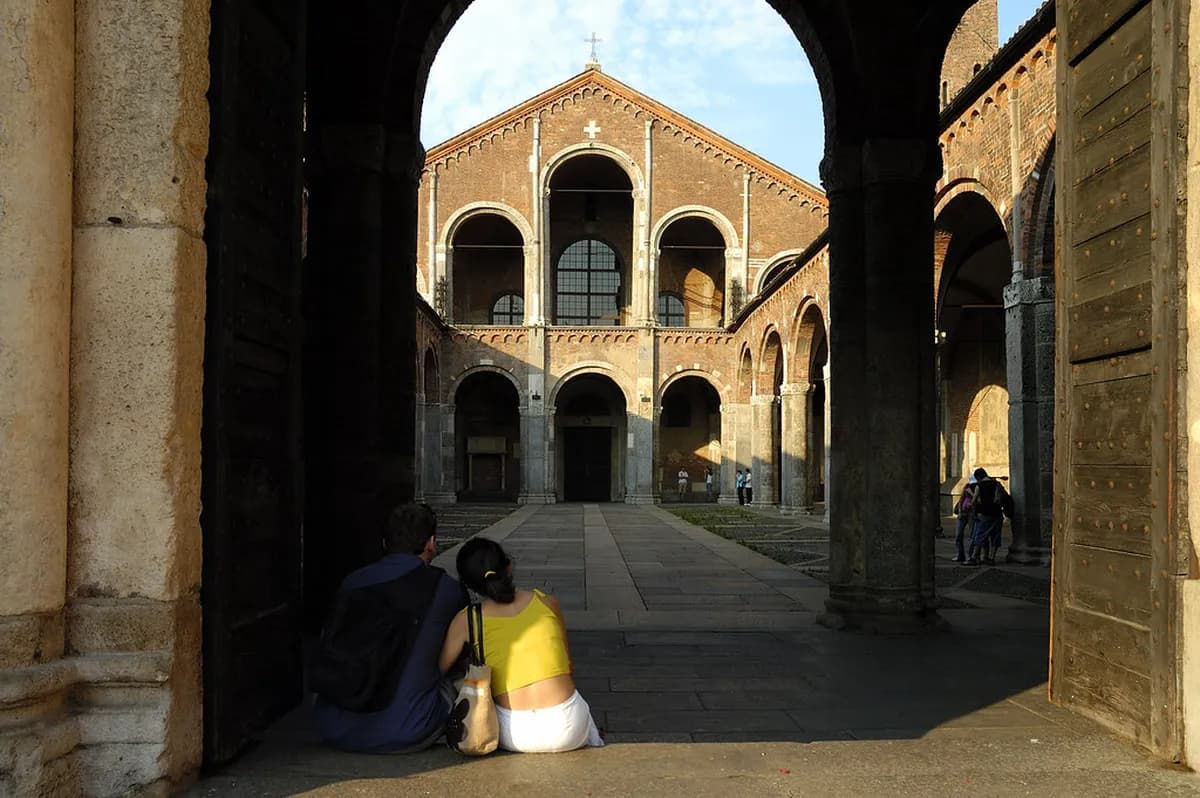
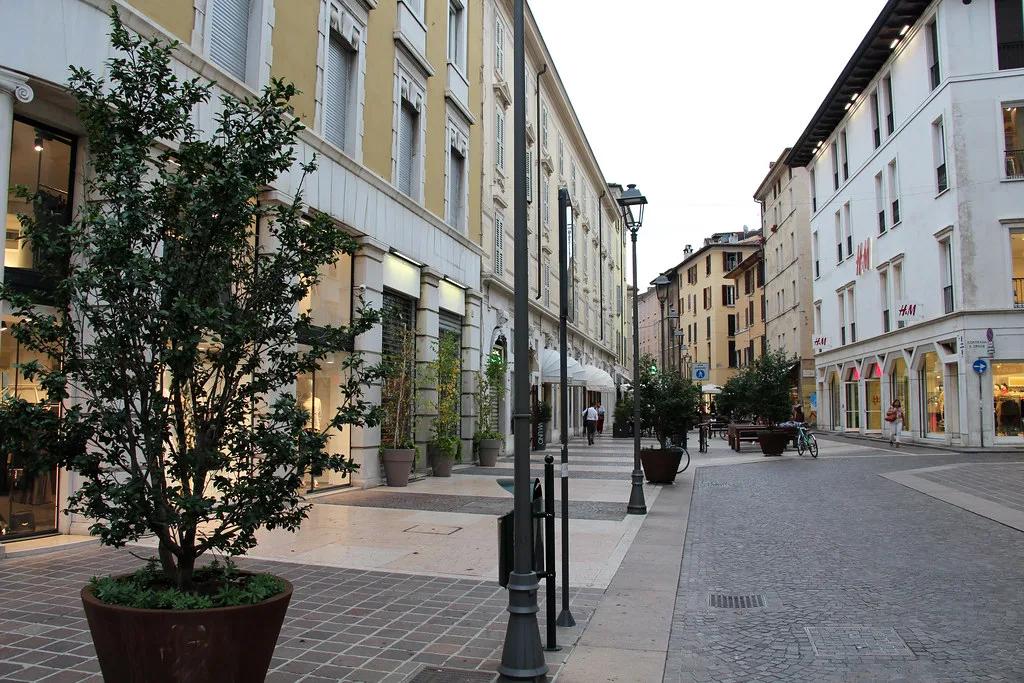
For a first trip, the Centro Storico is the obvious choice because it puts Piazza della Loggia, Piazza del Duomo and Piazza Vittoria within a single walk. The two cathedrals face each other across the same square, the Teatro Grande is nearby, and the Roman monuments of the UNESCO area are close enough to visit in the morning and return to in the evening light.
Staying central also solves the practical problem of a short trip: you spend your time looking at the city rather than crossing it. Visitor accounts of Brescia consistently place the piazzas, the theatre and the cathedral square at the heart of a two- or three-day visit, and none of those require a bus from a central hotel.
The trade-off is atmosphere in the evenings. A piazza-facing room can be noisy in summer, and the centre empties of everyday life once the shops close, so light sleepers should ask about courtyard or rear-facing rooms rather than assuming a central address is peaceful.
What a Central Stay Costs You
Central Brescia is not an expensive city by northern Italian standards, but the premium is real, and it is paid for convenience rather than luxury. Booking platforms group Brescia's central and peripheral properties together, so compare like with like: filter by the quarter you actually want rather than by star rating, and check how far a listing really is from the piazzas on the map before you commit.
The other cost is flexibility. Central properties fill up around big cultural weekends, so if the city's event calendar shows something on your dates, book earlier than you otherwise would and accept that your first-choice room type may not be available. Outside those peaks, the same central rooms are often easier to secure at short notice.
Carmine and the Southern Fringe
South of the historic core, the Carmine area and the streets toward the southern edge offer a more everyday version of Brescia while remaining walkable to the centre. This suits travellers who want to eat where the neighbourhood eats and return to a quieter street at night, without giving up the option of walking to the piazzas.
The compromise is distance at the end of a long day. After an evening at the theatre or a late dinner in the centre, a southern base means a walk back rather than a short hop, so consider how much you value that final stroll before choosing. Travellers with limited mobility or heavy luggage should weigh this more carefully than the room rate.
Borgo Trento and the Northern Quarters
North of the centre, Borgo Trento and the surrounding quarters are a lower-key option that rewards repeat visitors and longer stays. You get residential streets, local bakeries and a sense of how Brescia lives outside its showcase squares, while still being able to walk into the historic core when you want it.
This is the base to consider if you are staying a week rather than a weekend. A longer stay makes the extra walking worthwhile because you are not trying to compress every sight into two days, and a calmer street helps you actually rest between excursions.
Sant'Eufemia and the Castle Slopes
The lanes below Brescia Castle, around Sant'Eufemia, give you atmosphere and views in exchange for some uphill walking. If you want to wake up above the rooftops and do not mind climbing back to your room, this is the most characterful option in the city; if stairs are a problem, it is not the right base.
Bear in mind that the castle area is a sight in its own right and attracts daytime visitors, so the streets nearest it can be busier than the ones a few turns further away. Look at a map, choose a street a little removed from the main approach, and you keep the views without the foot traffic.
Getting Your Bearings Before You Book
Brescia's event listings on the Comune di Brescia site are the best way to see what is happening during your dates. In autumn 2026 the calendar included a first edition of Festival Orizzonti, talks and exhibitions at Mo.Ca, a season at Teatro Grande and recurring museum shows, which tells you the city's cultural life is spread across the centre rather than concentrated in one venue.
Use the calendar together with a paper or digital map and mark three things: your shortlisted accommodation, the sights you care about most, and the venues for anything you have booked. If all three sit within the historic core, stay central; if your evenings are anchored in one quarter, base yourself there and walk in during the day.
Arrival Logistics and a Possible Split Stay
Brescia sits on the Milan to Venice corridor, and Lake Garda towns such as Desenzano del Garda and Sirmione appear on the same northern Italy routes described in visitor itineraries of the area. That makes a split stay realistic: a few nights in Brescia's centre and a few by the lake, rather than a single base you commute from.
Check current train times, lines and airport transfers with Trenitalia or the relevant operator before you commit, because these change by season and are not something a hotel listing will tell you accurately. For your arrival day, confirm directly with your accommodation whether late check-in is possible, and plan your first evening around that answer.
Choosing by Traveller Type
First-timers should default to the Centro Storico, because the piazzas, cathedrals and theatre are all there and you will not waste daylight getting to them. Couples who want evenings out will find the same base works, as long as they ask for a quiet room. Families and drivers may prefer the southern fringe or the northern quarters, where streets are calmer and parking is less of a puzzle.
Museum and opera visitors have a specific case for staying central: the Teatro Grande and the main museum collections are within the historic core, and an evening performance is far more enjoyable when your bed is a short walk away. Slow travellers and repeat visitors can reverse the logic and choose the quieter quarters, walking in when it suits them.
Budget Trade-offs Without Guessing Prices
Brescia's lodging listings run from central hotels to apartments and B&Bs in the surrounding quarters, and the spread is wide enough that position matters as much as category. Rather than trusting a headline rate, run two identical searches with the same dates, one filtered to the centre and one to the southern fringe or northern quarters, and compare what each buys you in room size and quiet.
Add the costs a nightly rate hides: a cheaper peripheral room may mean more taxis or a longer walk with luggage, while a central room may charge more for the same standard. The honest comparison is total spend for the trip, not the nightly figure, and only your own searches on your own dates can give you that.
Suggested Duration: A Labelled Suggestion
This is our suggestion, not an official recommendation: allow three nights in Brescia for a first visit, with two full days. That is enough for the piazzas and cathedral square, the Roman monuments and one museum, plus an evening out, without turning the trip into a checklist. Add a night if you want a Lake Garda day or a slower pace.
Stay four or five nights and you can sensibly choose a quieter quarter and enjoy the walk in, because you no longer need to be efficient with every hour. The longer you stay, the more the neighbourhood matters and the less the exact distance to Piazza della Loggia does.
Mistakes to Avoid
The commonest error is booking a cheap room on the edge of the city without checking the map, then discovering the walk into the centre is longer than expected. Measure the distance on a map, not in the listing's prose, and decide whether you would happily make that walk twice a day.
Equally, do not treat a hotel name as a ranking or assume one quarter is entirely touristy or entirely residential; Brescia's central and outer areas mix homes, shops and lodging. Treat any list, including this one, as a set of trade-offs rather than a verdict.
Practical Note: Verify Before You Travel
Opening hours, tickets and temporary closures change, so confirm them with the Comune di Brescia or the individual venue before you rely on them, especially for the Duomo Vecchio, the castle and the museum collections. Do the same for transport times on your dates, and keep your plans flexible enough to absorb a closure.
Plan Your Brescia Base
Start with where you will spend your evenings, then work backwards: if you want theatre, restaurants and piazzas on your doorstep, the Centro Storico earns its price; if you want quiet streets and do not mind a walk, Carmine, Borgo Trento or the castle slopes suit better. Check the city's event calendar for your dates, confirm the details that matter with official sources, and book a room you can happily walk home to. For related planning, see Quartiere Carmine Brescia Guide: A Walk Through the Historic Center. For related planning, see Brescia Two-Day Itinerary: Roman Ruins, Museums and Quiet Corners.
Frequently Asked Questions
Is the Centro Storico the best base for a first visit to Brescia?
For most first visits, yes, because the Duomo Vecchio and Duomo Nuovo, Piazza della Loggia, Piazza Vittoria and the Teatro Grande are all within easy walking distance. If you prioritise quiet evenings, the quarters just outside the centre trade some convenience for calm.
How many nights should I spend in Brescia?
Our suggestion, not an official recommendation, is three nights with two full days of sightseeing. That covers the historic piazzas, the Roman monuments and one museum at a relaxed pace, with room for an evening out. Add a night if you want a Lake Garda day.
Is Brescia worth more than a day trip from Milan?
Yes, if you want the historic core without rushing. Brescia sits on the Milan to Venice corridor, which makes it easy to reach, but its piazzas, museums and theatre seasons reward a proper overnight stay rather than a few hours between trains.
Should I check the city's event calendar before booking?
Do. The Comune di Brescia lists exhibitions, festivals and seasonal theatre programming, and a busy cultural weekend can change both availability and the atmosphere in the centre. Pick your dates with that calendar in mind.
Do I need to confirm opening hours and tickets myself?
Yes. Hours, ticket arrangements and temporary closures change, so check the Comune di Brescia site or the venue directly before you travel, and confirm transport times with the operator rather than relying on a hotel description.
Sources
Continue exploring
More guides you'll find useful