Catacombs of San Giovanni, Syracuse: Visitor Guide
Plan a visit to Syracuse's Catacombs of San Giovanni: what lies beneath the basilica, how guided tours work, and how to fit it in near the Paolo Orsi museum.
On this page
The Catacombs of San Giovanni sit under and beside the Basilica di San Giovanni on Via San Sebastiano in Syracuse, Sicily, and they are reached through guided tours rather than an open, self-guided walk. That single constraint shapes everything about planning a visit: you build the day around a departure from the ticket office, not around your own pace. This guide covers what the site is, how the tour format works, and which details are worth confirming directly before you set out.
Treat the catacombs as a cemetery with a layered history rather than a dark-tunnel attraction. The underground passages, burial niches and round chambers tell a story that continues above ground in the church and later at the archaeological museum across town. Allow roughly an hour on site as an editorial suggestion covering orientation, the tour and a look at the church, then add whichever nearby stop you choose.
Why Put the Catacombs on Your Syracuse Itinerary
Syracuse rewards travellers who look past the Greek Theatre, and the catacombs make a strong companion to the city's better-known ruins. They suit visitors interested in early Christian burial practice, in the reuse of older infrastructure, and in seeing how a sacred site evolves across centuries. They are less suited to anyone who wants to roam freely on their own schedule.
The visit pairs naturally with the Paolo Orsi archaeological museum, which lies near the catacombs and the Vigna Cassia complex. Because the underground route is guided, plan it as a fixed appointment in the day rather than an open-ended stroll. If your time in the city is short, the catacombs and the museum together make a coherent half-day that balances underground context with the objects that came out of it.
Above Ground: The Basilica di San Giovanni
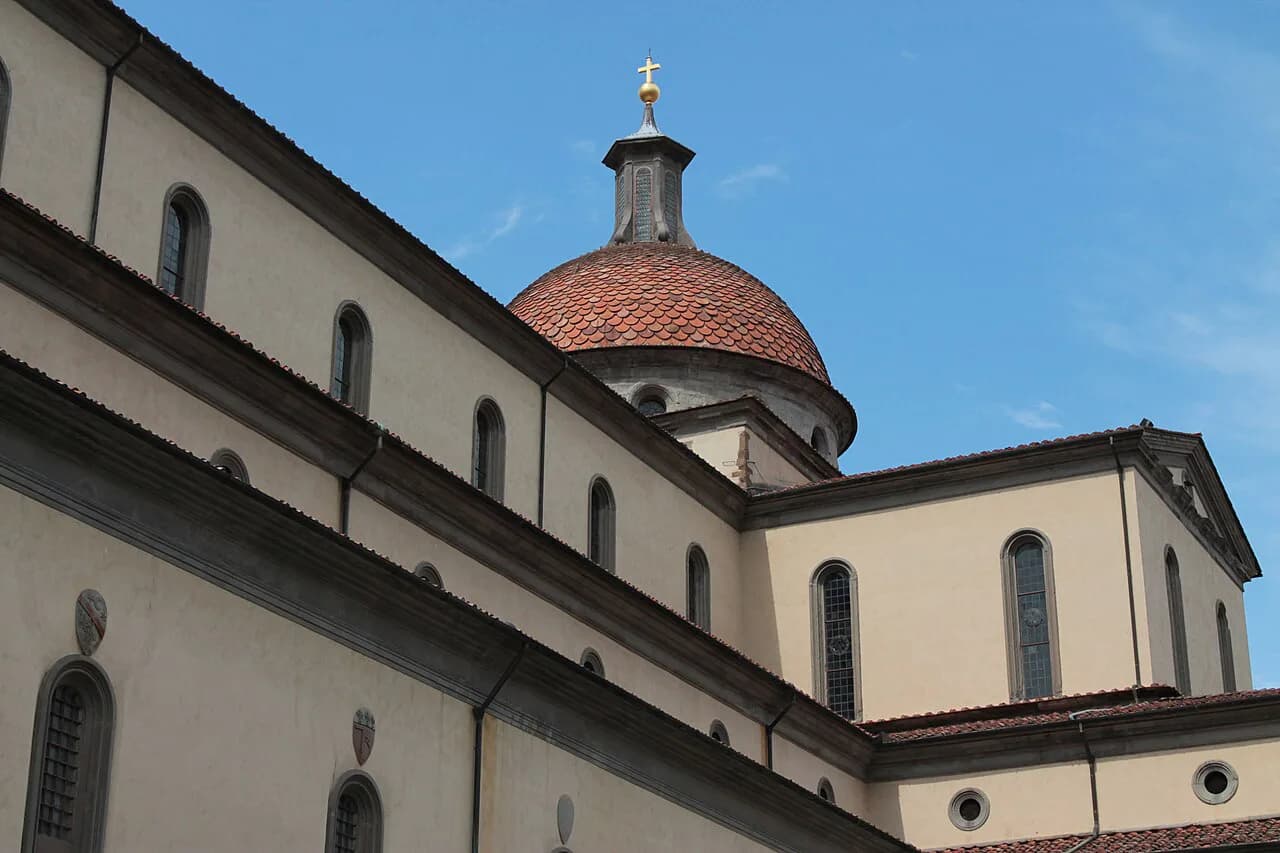
The basilica itself is a truncated church that once served as Syracuse's cathedral, and it is dedicated to the city's first bishop, St Marcian, who according to tradition was tied to one of its pillars and flogged to death in 254. The building is not a grand intact monument but a fragmentary shell, which is part of what makes the site feel archaeological rather than merely devotional. Lingering in the church before descending gives the catacombs their context.
The Lonely Planet listing places the site at Via San Sebastiano and records a contact number for the attraction, which is a practical starting point if you want to ask about tour times before travelling. For anything binding, however, the operator's own channels are the ones that matter, since third-party listings can lag behind reality. Read the church as the visible tip of the complex and the catacombs as its buried continuation.
What Lies Beneath: A Cemetery, Not a Tunnel Attraction
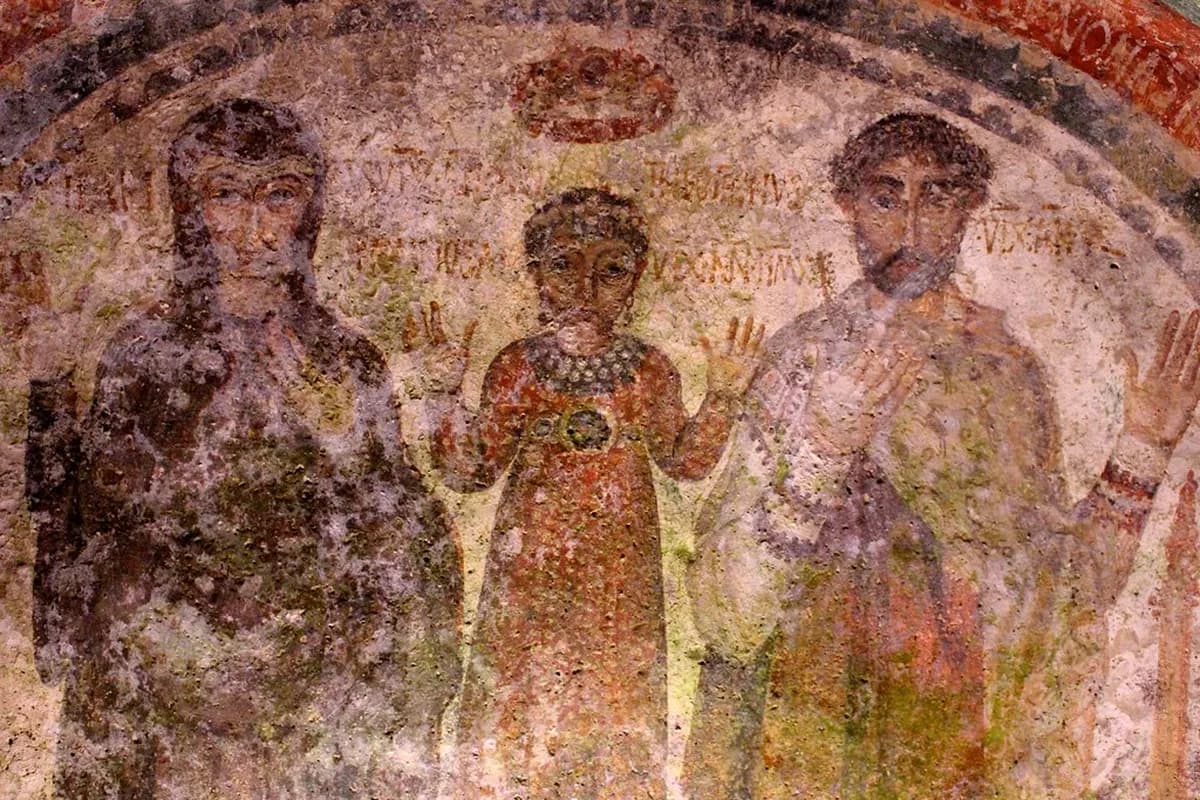
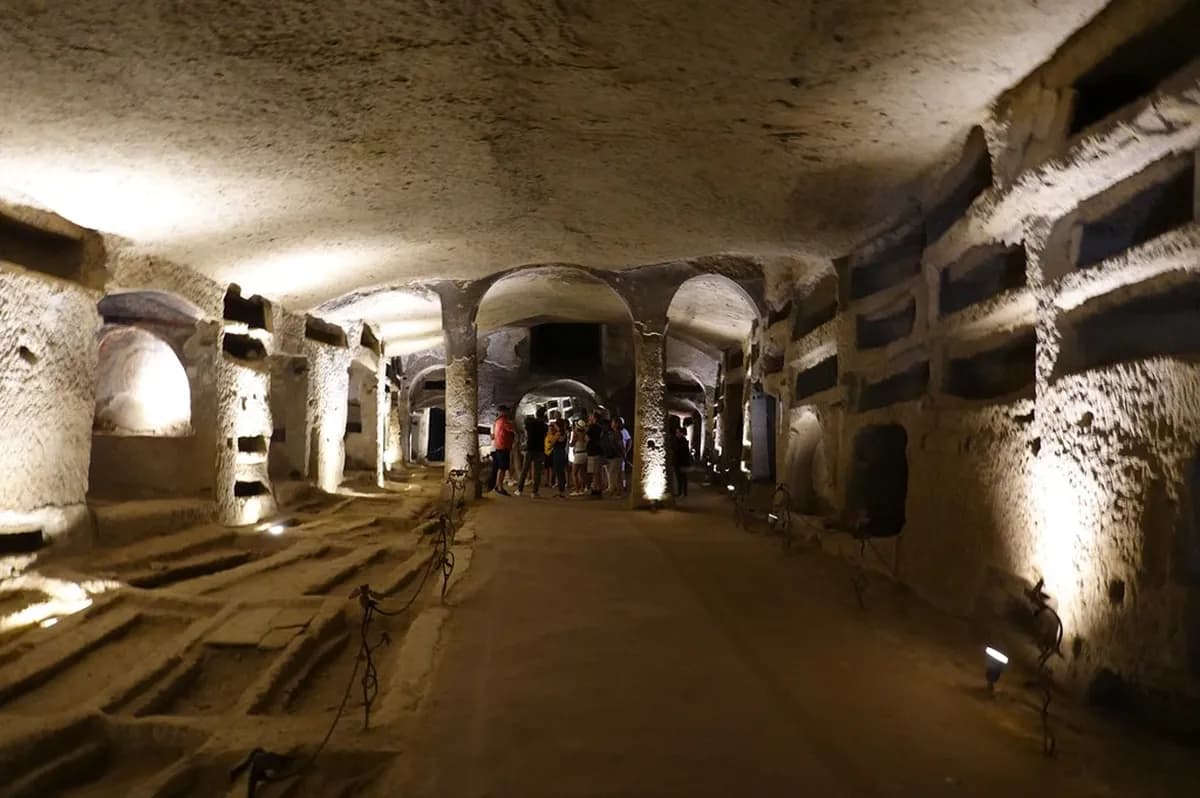
The catacombs were created as an early Christian burial ground, laid out around a main passage with secondary tunnels running off it and round chambers where the faithful gathered to pray. Thousands of small niches line the walls, each once holding a burial, and that repetition is what gives the underground route its distinctive rhythm. Knowing this in advance helps you read the space as organised architecture rather than a random cave.
Almost none of the grave goods that once accompanied the dead survive, because tomb robbers emptied the site over the centuries. The exception is the sarcophagus of Adelphia, unearthed in 1872 and now displayed at the Museo Archeologico Paolo Orsi rather than in the catacombs. That split between the underground setting and the museum object is the thread to follow after your tour.
The round chambers, or rotonde, were prayer spaces rather than burial rooms, which explains why they feel different from the niche-lined corridors. Look for the change in ceiling height and width as you pass from the main axis into the side passages. The overall effect is intimate rather than monumental, so scale your expectations to a modest underground complex rather than a vast labyrinth.
How a Visit Works: The Guided-Tour Format
Access to the church and catacombs is by guided tour only, with departures from the site's ticket office. That means your day should be arranged around a scheduled start, and the tour you join becomes the container for everything you see underground. Arriving and expecting to walk through alone is the most common planning error, so confirm the format before you build your itinerary around it.
Tour frequency, tour length and the languages on offer are operational details that change with the season, so check them with the operator before you commit to a day. The official site for the site is the place to look for current arrangements, and a phone call to the listed contact number can settle anything unclear. If you are travelling for a specific language, ask rather than assume.
Because the format is fixed, a little flexibility is protective. Keep a backup plan nearby in case your preferred departure is full, and avoid stacking a tight museum booking directly against a catacombs tour. Treat the tour as the anchor and let the rest of the day flex around it, especially in the hotter months when walking between sites saps energy.
Practicalities to Verify Before You Travel
Opening hours, ticket prices and any reductions are exactly the details that go stale in older write-ups, and this guide deliberately does not carry figures. Check the official site for the current schedule and admission, or ask at the ticket office when you arrive. If a combined ticket with the Paolo Orsi museum exists at the time of your visit, the operator will confirm it; do not assume one.
Underground passages involve uneven ground, steps and low light, so sturdy shoes matter more here than on a city stroll. Bring a light layer even in summer, since the temperature below ground stays cooler than the street. Visitors who dislike enclosed spaces should judge their own comfort honestly before booking, and parents with small children may want to gauge how a guided group tour suits them.
Closures and last-entry times are worth confirming on the day, particularly around public holidays when Italian sites often adjust their hours. A quick check on the official site or a call ahead costs little and prevents a wasted trip across town. Build arrival margin into your plan rather than treating the listed schedule as guaranteed.
If you want to slow down and see the quieter side of the city after your tour, the wider neighbourhood rewards a loose wander without a checklist. Our guide to hidden gems in Syracuse covers corners that suit exactly that kind of unhurried afternoon. Treat it as optional enrichment rather than a required stop.
The Adelphia Sarcophagus and the Paolo Orsi Museum
The sarcophagus unearthed at the site in 1872, long associated with Adelphia, sits today in the Museo Archeologico Paolo Orsi, where it is displayed as a museum piece rather than in its original setting. Seeing it after the tour closes the loop: the empty chamber underground and the carved box in the museum belong to the same story. Plan the museum as the second half of the visit rather than an unrelated stop.
The Paolo Orsi museum holds the finds from the catacombs and from sites across eastern Sicily, so it rewards a slower visit than the catacombs themselves. Full details on galleries, layout and current arrangements are in our dedicated guide. Because the museum sits close to the catacombs complex, combining the two on one outing makes practical sense.
Museum schedules and ticket terms are exactly what travellers should confirm rather than trust from secondary sources, and the museum's own information is the authority. If you want the sarcophagus to be the closing note of the day, visit the catacombs first and the museum second. Leave enough time that the museum is not rushed.
Pairing the Catacombs With Neapolis
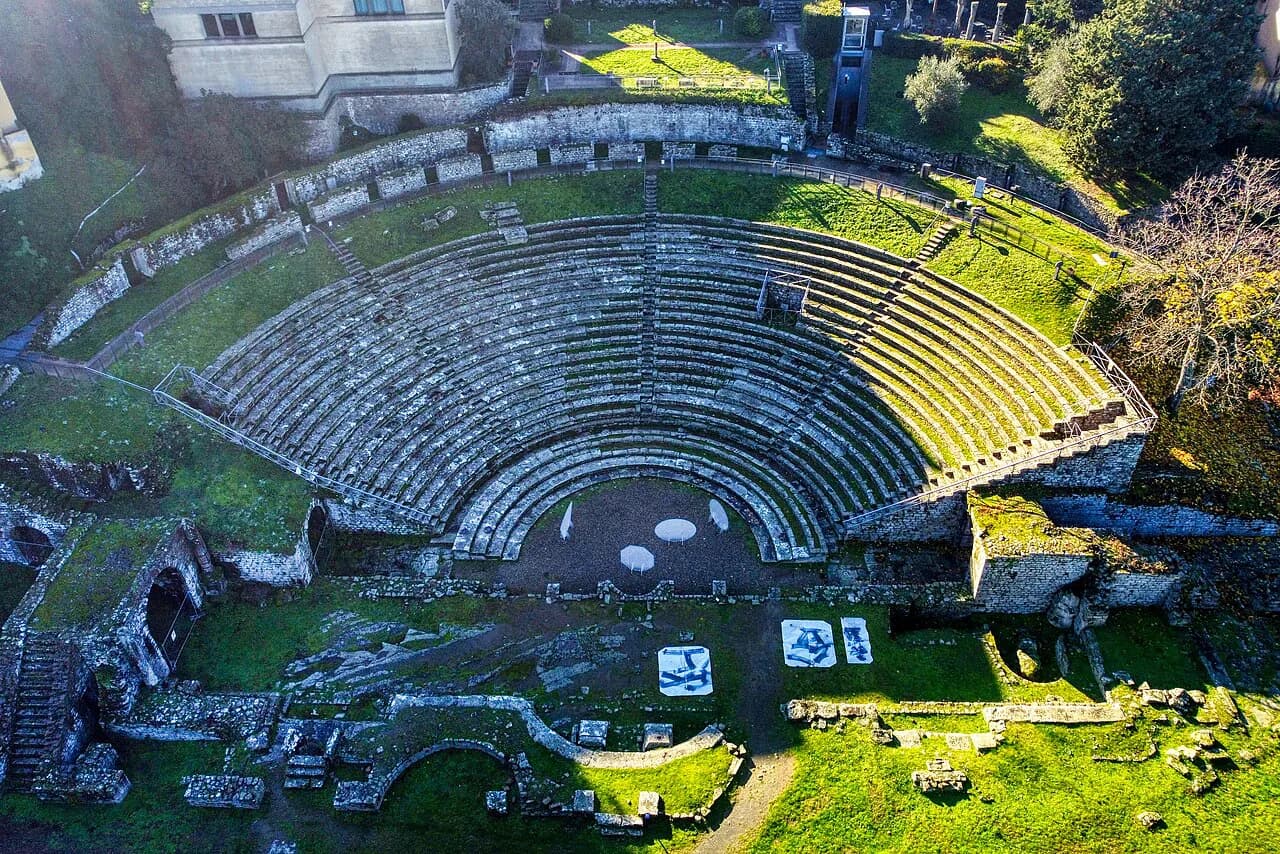
The Neapolis archaeological park, with its Greek Theatre, Roman amphitheatre and the Ear of Dionysius, sits within reasonable walking distance of the catacombs area by Syracuse standards, making a combined day plausible. The park is large, exposed and hot in the middle of the day, so an early start followed by the catacombs tour is the more comfortable order. Our Neapolis Archaeological Park Visitor Guide sets out what to see inside.
The Ear of Dionysius, a limestone cave inside the park's Latomia del Paradiso quarry, is named for its fancied resemblance to an ear and is famous for its acoustics and the legends attached to it. The name is credited to Caravaggio, who saw the cave in 1608, which is a useful reminder that some of Syracuse's most vivid stories are later inventions. Pair this visit with a firm grasp of what is legend and what is archaeology.
If you are buying park admission separately from the catacombs tour, check current ticketing terms with the operator rather than assuming combined access. The park and the catacombs are distinct sites with distinct arrangements, and the day works best when you treat them as two appointments. Sequence the park first while it is cooler, then retreat underground.
Mistakes That Waste a Visit
The first mistake is assuming you can wander the catacombs alone; access is via guided tour, so an unscheduled arrival may simply not work. The second is failing to confirm tour times before travelling, which can leave a whole morning with nothing to fill it. The third is dressing for a beach day when the route involves steps, uneven floors and cool, dim passages.
A fourth, quieter mistake is treating the church as a passing doorway. The truncated basilica, with its history as a former cathedral and its link to St Marcian, sets up the cemetery below. Arrive a little early, read the interpretive material, and let the underground route land as a continuation rather than a separate spectacle. That small change in order makes the whole visit more coherent.
Plan Your Visit
The Catacombs of San Giovanni reward a little preparation: confirm the tour format, check current hours and admission with the operator, wear sensible shoes and keep the museum in reserve for the Adelphia sarcophagus. With those settled, the underground visit becomes a calm, well-punctuated stop rather than a logistical gamble. Use our Syracuse Attractions hub to slot it alongside the Greek Theatre, the Ear of Dionysius and the rest of the city.
Frequently Asked Questions
Are the Catacombs of San Giovanni only visitable with a guide?
According to Lonely Planet, the church and catacombs are accessible only on guided tours, which depart from the site's ticket office. That means you cannot plan on a self-guided wander. Confirm the current tour arrangements with the operator before you travel.
How long do you need at the Catacombs of San Giovanni?
Allow roughly an hour on site as an editorial suggestion covering orientation, the guided tour and a look at the basilica above ground, then add time for the Paolo Orsi museum if you want to see the Adelphia sarcophagus. Tour length itself is set by the operator, so check the current format rather than relying on a fixed figure.
Is the catacomb visit suitable for claustrophobic visitors or young children?
The route runs through underground passages with uneven ground and low light, and visitors who dislike enclosed spaces should judge their own comfort honestly. Ask the operator about the route in advance if you have specific concerns, especially with small children, since the visit runs as a fixed guided group.
What is the link between the catacombs and the Paolo Orsi museum?
Most grave goods at the site were lost to tomb robbers over the centuries, but the sarcophagus unearthed in 1872 is displayed at the Museo Archeologico Paolo Orsi. Visiting the museum after the catacombs closes the loop between the empty chambers and the surviving object.
Sources
Continue exploring
More guides you'll find useful