Ear of Dionysius in Syracuse: Legend, Acoustics & Visit Tips
Plan a visit to the Ear of Dionysius in Syracuse's Neapolis Park: the S-shaped cave, the tyrant legend, what the acoustics really do, and how to prepare.
On this page
The Ear of Dionysius, or Orecchio di Dionisio, is the tall, curved cave that most visitors remember longest from a trip to Syracuse. Its shape funnels sound along the rock in a way that makes whispers carry, and that acoustic trick is the reason the cave earned its name and its stories. It sits inside the Archaeological Park of Neapolis, not in the baroque heart of Ortigia, so plan it as part of a park visit rather than a quick city-centre stop. One traveller's account describes hearing a piece of paper being torn from across the cave, roughly 65 metres away, which gives a sense of how far the acoustics carry.
This guide separates what visitors can actually see from what legend has attached to the site. It covers the cave's setting in the Latomia del Paradiso quarry, the tyrant Dionysius I story, the quarrying explanation for its odd shape, and the film connection that now draws extra foot traffic. Practical details such as tickets, hours and entry rules are best confirmed with the park operator before you go, because those change and should never be taken from an old blog post. The cave's reported dimensions vary between sources, so treat any figures as approximations rather than official measurements.
What the Ear of Dionysius Actually Is
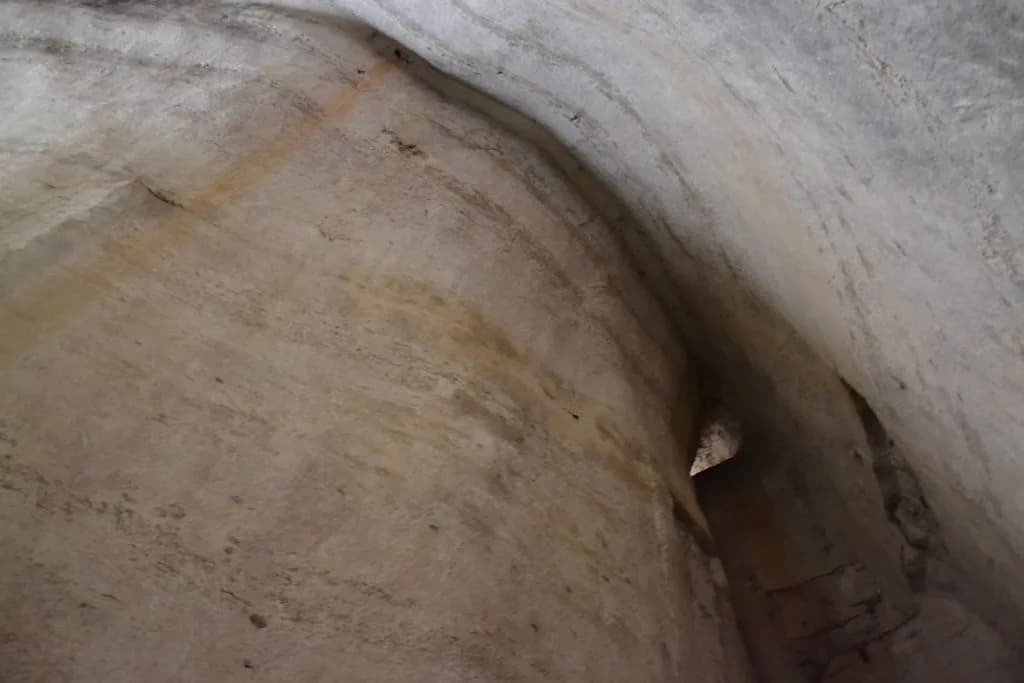
The Ear of Dionysius is a large artificial cave cut into the limestone of an ancient quarry, the Latomia del Paradiso, within the Neapolis park. Visitors walk into a chamber with a tall, narrow profile and an S-shaped plan, and the walls reflect sound in a way that surprises almost everyone the first time they speak inside. The cave is man-made, carved from the rock, and its scale is part of what makes the acoustic effect so noticeable.
Reported dimensions differ. One source gives the cave as almost 23 metres high, about 65 metres deep and 5 to 11 metres wide, while another describes a 75 foot high opening, a 213 foot depth and a 25 foot width. Treat these figures as reported approximations rather than official survey measurements. What matters for a visit is the scale: the space is big enough to feel like a hall, yet narrow enough that sound bounces back at you quickly.
Where the Cave Sits Inside Neapolis Park
The cave is one stop within a much larger archaeological park. The Neapolis complex holds Syracuse's greatest concentration of ancient monuments, and the Ear sits in the quarry area alongside other cut-stone spaces rather than beside the main theatre. If you are mapping the visit, read a Neapolis Archaeological Park Visitor Guide: Greek Theatre, Tickets & Tips before you arrive so you know how the grounds are laid out and which parts are ticketed.
The park's best-known monument is the Greek Theatre of Syracuse, a short walk from the quarry zone. Because the theatre draws the biggest share of attention, many visitors arrive focused on it and only discover the cave afterwards. Knowing that the Ear is a quarry feature, not a theatre annexe, helps you sequence the walk and gives you a reason to slow down in the section most people hurry through.
The Dionysius I Legend: Spies, Prisoners and Screams
The popular story ties the cave to Dionysius I, the tyrant who ruled Syracuse in the fourth century BC. According to the legend, he used the acoustics to eavesdrop on political prisoners held in the chamber, listening from a high point while they discussed plots below. Among the prisoners named in retellings are the poet Philoxenus, who criticised the tyrant's verses, and the philosopher Plato. A darker version claims the cave amplified the screams of prisoners being tortured.
None of this is confirmed by the archaeology of the site, and the story should be enjoyed as legend rather than history. The tyrant's reputation for suspicion and cruelty is what gave the tale its staying power, not physical evidence of a prison. When you stand inside, it is worth remembering that the sound effect is real while the spying plot is a story layered on top of it centuries later.
Why the Legend Is Doubted
The likeliest explanation for the S-shape is quarrying. One source notes that an ancient aqueduct ran above the cavity, and that the excavation followed the line of that water channel, which would naturally produce a curved, elongated void rather than a designed chamber. In other words, the shape that makes the acoustics so striking may be a by-product of how stone was removed, not a feat of acoustic engineering.
That leaves the cave's true purpose open. It may have been purely a quarry, or the sound may have been exploited for some purpose once the space existed. The honest answer is that nobody has settled the question, and guides who state one version as fact are overreaching. Treat the acoustic effect as a genuine phenomenon and the tyrant narrative as an interpretation.
Naming and the Caravaggio Story
Before it was called the Ear of Dionysius, the cave was known as the Crypta loquens, or talking cave, a name that reflects the acoustic reputation rather than any tyrant. One source credits the painter Caravaggio with coining the modern name in 1608, struck by the ear-like curve of the rock and by the stories circulating about Dionysius. That attribution is repeated in visitor writing but should be treated as one account's version rather than documented fact.
Whatever its origin, the name stuck and shaped how people experience the space. Expect to hear the prisoner story from guides and fellow visitors, and treat the naming history as part of the folklore rather than a settled point of scholarship.
Screen Fame and What It Means for Crowds
The cave appeared in the most recent Indiana Jones film, which used the Neapolis park as a location, and that exposure has added a new kind of visitor to the site. One film-location source notes that the park featured in the movie and that the Ear of Dionysius is its most famous cave. Film tourism tends to arrive in waves, so expect more company than a purely archaeological site might attract.
The same park also contains the Grotta dei Cordari, a long, humid cave once used by rope makers, which appeared in the same film. If you want to see both, allow room in your schedule, since they sit within the same grounds. There is no evidence the site is undiscovered or quiet, so plan around the possibility of groups rather than assuming solitude.
What Else to See in the Park
Beyond the cave and the theatre, the Neapolis park contains a Roman amphitheatre and other monuments that reward a slow circuit. The landscape itself is part of the appeal, with lush vegetation framing the ruins and the quarried rock faces giving the grounds their character. Give yourself time to walk the quarry area rather than treating it as a corridor between headline sights.
For a broader sense of how the park fits into the city, the Syracuse Attractions hub collects guides to the main sights and helps you decide what to prioritise. If you have a free afternoon, the hidden gems in Syracuse are worth folding into the same day, since several sit close to the archaeological zone.
Planning the Visit: Tickets, Hours and Entry Rules
Tickets, opening hours, closure days and any guided-tour schedules should be confirmed with the official park operator before you travel. The operator's Neapolis park page is the place to check current admission arrangements, since these are exactly the details that change between seasons and cannot be relied on from older write-ups. Do not assume a single ticket covers every museum or monument in the city; check what each admission includes.
Plan to arrive with time to spare, since parking, queues and the walk between monuments all eat into a visit. If you are coming from Catania, one source describes the drive as roughly an hour, which makes the park feasible as a day trip. Confirm transport arrangements yourself, as timetables and routes are outside the scope of what the site's visitor sources document.
A Suggested Half-Day Shape
A relaxed half day works well: start with the Greek Theatre while energy is high, walk down through the quarry to the Ear of Dionysius, and finish with the amphitheatre and the surrounding grounds. This is a suggestion, not an official itinerary, and it assumes you want to see the park's highlights without rushing. Allow extra time if you plan to linger in the cave or wait for a quieter moment to test the acoustics.
Pair the park with an afternoon in Ortigia, where the baroque streets and waterfront make an easy contrast to the ruins. If you want a museum stop, the Paolo Orsi Archaeological Museum holds finds that help make sense of what you have just seen. Keep the day flexible and let the heat and crowds decide how much you add.
Common Mistakes to Avoid
The most common mistake is treating the acoustic effect as designed. The cave's shape may well be a quarrying by-product, and presenting it as an engineered listening chamber repeats a legend as fact. The second mistake is arriving without checking park logistics, only to find a closure or a different ticket arrangement than expected. The third is skipping the rest of the quarry area on the way to the theatre, which means missing the setting that makes the cave interesting.
Plan Your Visit
The Ear of Dionysius rewards visitors who arrive curious rather than credulous. The sound is real, the shape is strange, and the story of Dionysius and his prisoners is one of the most memorable legends in Sicily. Go in knowing that the acoustics are genuine while the spy plot remains unproven, and you will get more from the space than those who simply photograph it and move on.
Before you travel, check tickets, hours and entry rules with the park operator and confirm how you will get to the Neapolis area. Then build the cave into a wider circuit that includes the theatre, the amphitheatre and the grounds. For more on the city beyond the ruins, see the Greek Theatre of Syracuse: Visitor Guide to the Ancient Amphitheatre for a companion stop, and browse the wider Syracuse Attractions collection to round out the trip.
Frequently Asked Questions
Is the Ear of Dionysius a natural cave or man-made?
It is a man-made cavity cut into the limestone of the Latomia del Paradiso quarry. The S-shape may reflect quarrying that followed an ancient aqueduct above the chamber, though the exact purpose of the excavation is still debated.
Why is it called the Ear of Dionysius?
The name comes from the legend that the tyrant Dionysius I used the cave's acoustics to eavesdrop on prisoners, and from the ear-like curve of the rock. One source credits the painter Caravaggio with coining the name in the early seventeenth century, but that attribution is not firmly documented.
How tall and deep is the Ear of Dionysius?
Reported figures vary, with one account giving a height of about 23 metres, a depth of roughly 65 metres and a width of around 7.6 metres. Treat these as approximations rather than official measurements, since the chamber narrows and widens along its curve.
Did Dionysius really spy on prisoners there?
There is no archaeological confirmation that the cave served as a prison or listening chamber. The story is a legend attached to a tyrant with a reputation for suspicion, and historians doubt the cave's origin had anything to do with eavesdropping.
Where is the Ear of Dionysius inside Neapolis Park?
It sits in the quarry area known as the Latomia del Paradiso, within the Archaeological Park of Neapolis in Syracuse. It is a short walk from the Greek Theatre, so most visitors see it as part of a wider circuit through the grounds.
Do you need a ticket to see the cave?
Admission arrangements are set by the park operator and can change, so check the current ticket scope before you go. Do not assume one ticket covers every monument in the city, and confirm which areas of the Neapolis park are included.
Was the Ear of Dionysius in an Indiana Jones film?
Yes, the cave and the Neapolis park appeared in the most recent Indiana Jones film, which has added film tourists to the site. The nearby Grotta dei Cordari also featured, so expect company rather than solitude.
Sources
Continue exploring
More guides you'll find useful