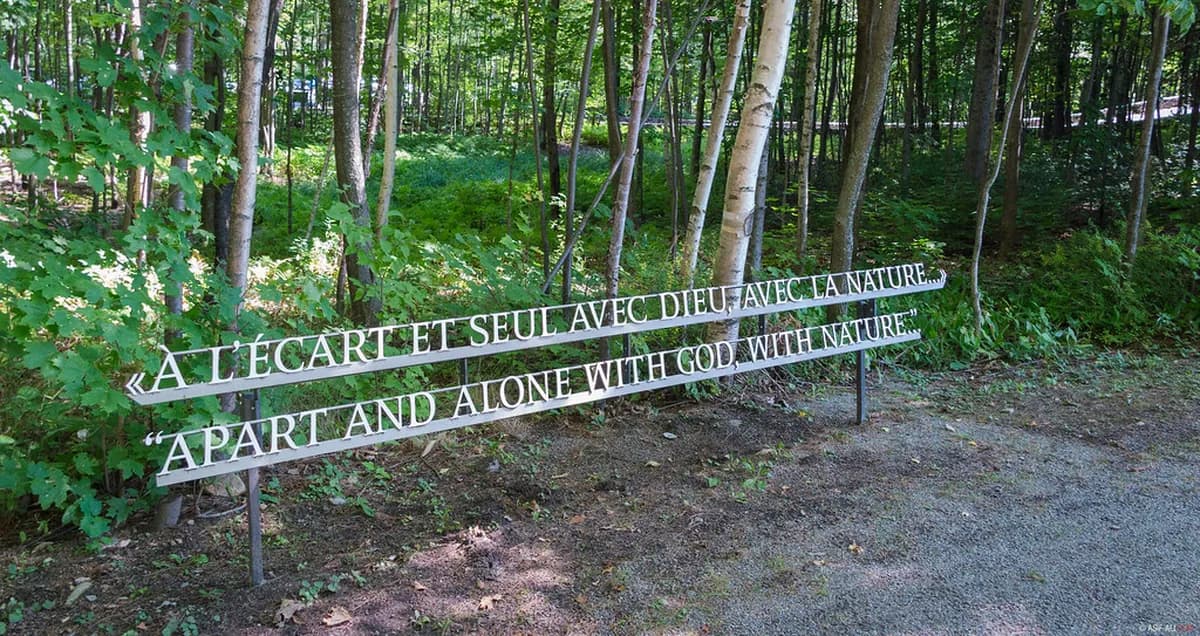
Forte di Santa Barbara Siena: A Visitor Guide to the Medici Fortress
Plan a visit to Siena's Fortezza di Santa Barbara: Medici history, a public park on the walls, panoramic views, events, and how to reach it on foot.
On this page
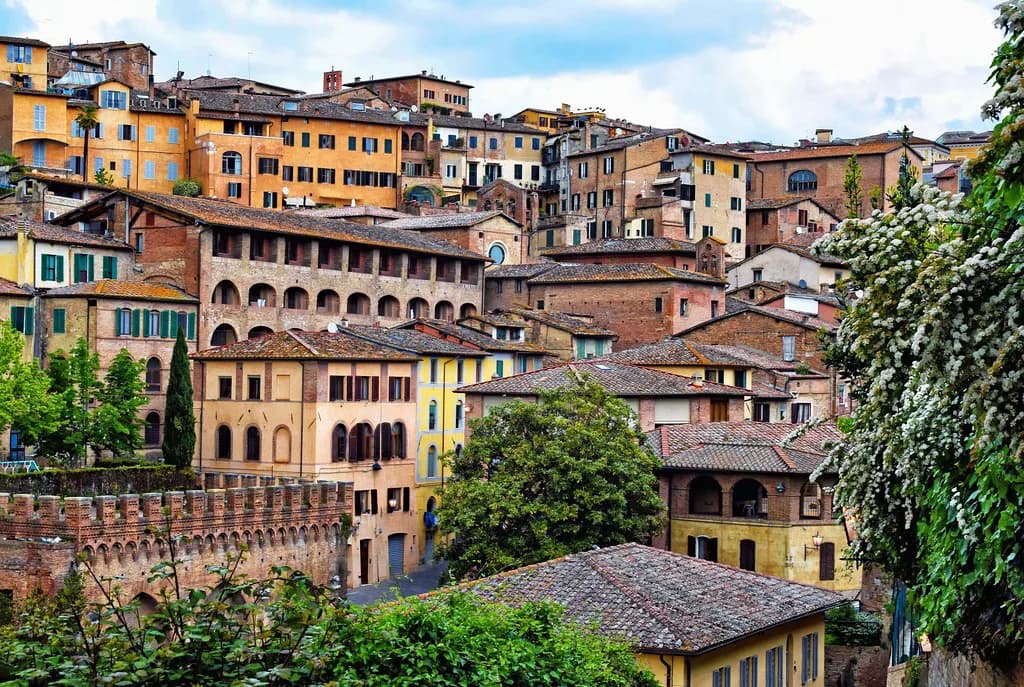
Most Siena itineraries run between Piazza del Campo and the Duomo, a tight circuit of marble and brick. The Fortezza di Santa Barbara sits at the edge of that circuit, on the northwestern side of the historic centre, and rewards anyone willing to add a short detour. There is no ticket desk and no gallery to file through: it is a green, open place built on top of sixteenth-century fortifications.
This guide keeps the documented history separate from reports by people who have walked the grounds. Historical dates are treated as background; practical details such as access and facilities are described as visitor impressions that you should confirm with the Comune di Siena before relying on them. That distinction matters, because a park can close a gate, host a fair or reshape a lawn with little notice.
What the Fortezza di Santa Barbara Actually Is
The name Fortezza di Santa Barbara and the alternative Fortezza Medicea refer to the same structure, and both are in common use. It was commissioned by Cosimo I de' Medici and designed by Baldassarre Lanci in 1560, according to an account of the site's history. The Medici name is the giveaway: this was a piece of Florentine control imposed on a city that had only recently lost its independence.
That history explains the shape. An earlier fortress on the spot, commissioned by Charles V, had been partly levelled by the Sienese in 1552, and Lanci's commission replaced it with a square plan ringed by angular bastions rather than the earlier L-shaped layout. The result is a perimeter you can walk, which is precisely why the site works so well as a park today.
Expect a grassy stronghold, not a museum. The fortifications were demilitarised at the end of the eighteenth century and turned into a public garden known as the Giardini della Lizza, which the same account describes as popular with runners and walkers. Plan your time around a loop of the walls and a pause on the grass, not around exhibits.
Getting There on Foot from the Centre
The fortress lies within easy walking distance of the old town, though exact times depend on where you start and how often you stop. Keep the general direction in mind rather than a fixed route: from the historic centre, head toward the northwestern edge of the walls, near Viale Vittorio Veneto, where the fortress address is listed. Komoot also lists a loop route described as exploring Siena from the station, which passes the fortress area.
One visitor tip on that same page suggests parking for free at the Stadio and strolling along the Fortezza into the historic centre, mostly in the shade. If you are arriving by car, that is a sensible way to combine parking with the visit rather than hunting for space closer in. Treat the tip as a visitor suggestion, not an official parking arrangement, and check current signage on arrival.
Walking there is the point. The fortress sits at the seam between the dense medieval city and its greener edge, so the approach doubles as a way to see how Siena's walls and gates organise the town. If you enjoy piecing the city together on foot, a Siena Self-Guided Walk Through the Old Town pairs naturally with a fortress detour.
The Walk on the Walls and What You See
Visitors consistently describe a wide circular path running along the top of the fortifications, with fitness equipment placed along it and views back over the city centre and out toward the surrounding countryside. There is also a large open square and an amphitheatre-style space within the grounds, which explains why the site works as an events venue as well as a park.
Because the walk follows the bastions rather than a museum corridor, footwear and timing matter more than ticketing. The surface is outdoors and exposed in places, so a hat and water in warm months make more difference than any guidebook. Komoot's route listings give a sense of scale: the Siena Inside the Walls Loop runs about six kilometres and the station loop about seven, both rated easy, so the fortress fits comfortably into a half-day on foot.
For a wider survey of elevated spots in the city, including the Torre del Mangia, our guide to viewpoints in Siena helps you decide which climbs are worth your legs. The fortress offers its panorama without a staircase, which makes it a useful alternative when you want the view without the queue.
Free Access and What to Verify
Visitor reports describe the fortress as free to enter, with one hiker noting there is no entrance fee and calling it well worth seeing. That is a visitor's account rather than an official tariff, and the grounds function as a public park rather than a ticketed monument. Confirm current arrangements with the Comune di Siena before you build a day around it, especially if you are travelling with a group.
The Comune's site is also the right place to check city notices and event programmes, since it publishes news, exhibitions and seasonal initiatives for Siena alongside practical municipal information. A quick look before you go tells you whether something is scheduled on the grounds during your dates.
Because the fortress is an open public space, treat it as one: paths, lawns and walls that belong to the city's daily life, not a staged attraction. Plan for minimal facilities, and check the Comune's website for any published services, accessible routes or toilets inside the grounds. If you need step-free access or specific services, ask the Comune directly rather than assuming.
Events, Fairs and the Risk of a Crowded Visit
The grounds host events, and the site's history as a garden includes fairs: one visitor account describes arriving to find a travelling fair on top of the fort. The Comune's homepage carries a rolling events calendar covering exhibitions, theatre seasons and cultural programming across the city, so check it against your dates if you want a quiet loop or, conversely, if a fair would be a bonus.
Even when nothing is scheduled, the fortress is a working park with runners and dog walkers, so do not expect solitude. The payoff is a lived-in place rather than a preserved monument. Go early or late in the day if you want the wall walk mostly to yourself, and accept that a fair or installation may occupy part of the grounds.
Pairing the Fortress with Other Siena Stops
The fortress makes most sense as a breather between heavier sights. Spend the morning on Piazza del Campo and in the Duomo complex, then walk out to the green edge of town in the afternoon. If you are choosing between climbs, the tower and dome reward advance planning, while the fortress rewards spontaneity.
The Opera del Duomo describes a single OPA SI Pass covering the cathedral, crypt, Piccolomini Library, museum and the Panorama with the Duomo Nuovo and Facciatone, and it states that the Museum, Crypt and Baptistery currently lack facilities for disabled visitors while the Duomo is reached by a dedicated ramp on the left side of the building. Ticket prices, hours and floor-opening seasons change, so check the Opera del Duomo site itself rather than any third-party summary before booking.
If your time in Siena is short, pair the fortress with one nearby church rather than adding a museum. The Basilica of San Domenico in Siena sits on the same side of the centre and makes a natural stop on the way back into town; our hidden gems in Siena guide covers quieter corners that fit the same unhurried mood.
A Sensible Half-Hour Detour
A suggested visit of roughly thirty minutes is enough for the wall loop and a look at the views, and it is a suggestion rather than an official duration. Add time if you plan to sit on the grass, use the fitness equipment or wait out a shower. The fortress is close enough to the centre that you can leave and return without sacrificing another sight.
Bring water, wear shoes that handle gravel and grass, and keep an eye on the sky, since there is little shelter on the exposed bastions. If the weather turns, the Duomo complex and its covered interiors are a reasonable fallback, though you will need to check current access details on the Opera del Duomo site.
Plan Your Visit
The Fortezza di Santa Barbara is best understood as Siena's green edge rather than a sight to tick off. Its Medici origins explain the bastions, its demilitarisation explains the garden, and the wall walk explains why walkers keep returning. Arrive with modest expectations and a little time to spare, and it delivers.
Before you go, check the Comune di Siena for events on the grounds and for any current notices, and confirm access details directly if accessibility or facilities matter to you. Then fold the fortress into a longer walk and let the city's quieter edges do the rest.
Frequently Asked Questions
Is the Fortezza di Santa Barbara free to enter?
Visitors report free access, describing it as a public park with no entrance fee. The grounds are municipally managed, so check with the Comune di Siena before your visit in case of events or temporary arrangements.
How long should you spend at the Medici Fortress in Siena?
About thirty minutes covers the wall loop and the main views, though that is a suggested duration rather than an official one. Add time if you want to sit on the lawns or use the fitness equipment along the path.
Can you walk to the fortress from Piazza del Campo?
Yes, the fortress sits within walking distance on the northwestern edge of the historic centre, near Viale Vittorio Veneto. Keep to a general direction rather than a fixed route, since the best approach depends on where you start.
What can you see from the fortress walls?
Visitors describe views over the city centre and the surrounding countryside from the wide circular path on top of the fortifications, along with an open square and amphitheatre-style space inside the grounds.
Is the Fortezza di Santa Barbara the same as the Fortezza Medicea?
Yes, both names refer to the same structure. The Medici name reflects its commission by Cosimo I de' Medici, with a design by Baldassarre Lanci dating to 1560.
Are there events at the fortress?
The grounds have hosted fairs and events, and the Comune di Siena publishes a city events calendar covering exhibitions and cultural programming. Check it against your dates if you want a quiet visit or would welcome a fair.
Is the fortress accessible for wheelchair users?
Accessibility details for the fortress grounds are not confirmed in available sources. Contact the Comune di Siena directly if you need step-free routes or specific facilities before you go.
Sources
Continue exploring
More guides you'll find useful