Basilica di Sant'Abbondio Como: A Visitor Guide
Plan a visit to Como's Romanesque Basilica di Sant'Abbondio: what to see, the stated daily opening hours and winter closing, plus how guided tours work.
On this page
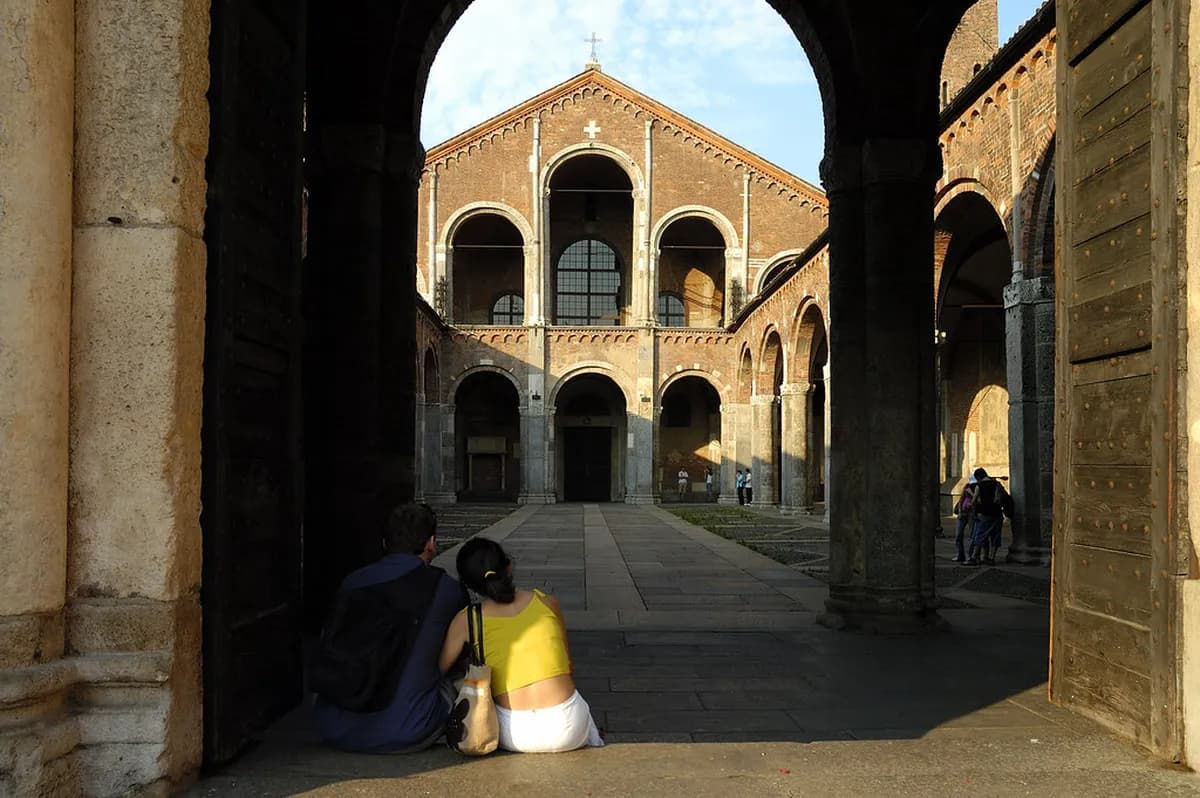
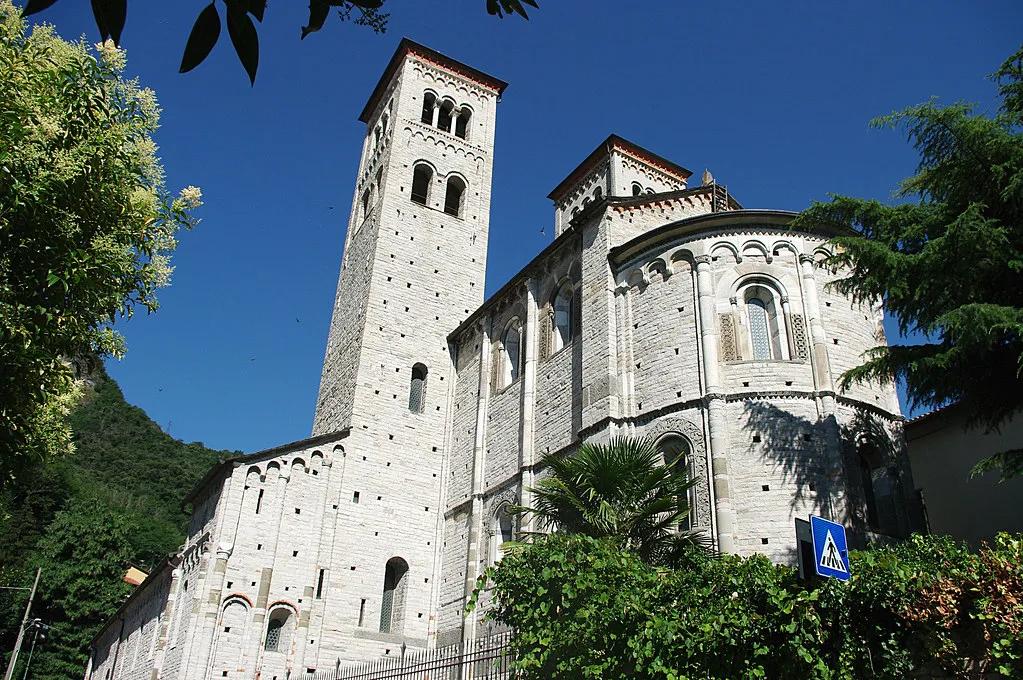
Sant'Abbondio is the building to choose when you want Como's Romanesque inheritance without the lakeside crowds: an austere facade crowned by twin bell towers, five naves inside, and a small cloister beside it. It sits on Via Regina Teodolinda, at the edge of the centre rather than in the middle of the shopping streets. This guide sticks to what the church's city and diocesan sources actually publish, so you know which facts to check again before you set out.
The single most useful planning detail is the opening schedule: the city trade district lists daily opening from 8 a.m. to 6 p.m., with a winter closing at 4:30 p.m. That early winter cut-off is the likeliest reason a late-afternoon visitor finds the doors shut, so build your day around a morning or early-afternoon arrival. Anything beyond that, such as special closures around feast days, needs confirming directly before you travel.
Why Sant'Abbondio matters: Lombard Romanesque outside the centre
The church is described as a masterpiece of Lombard Romanesque, built in the 11th century under Benedictine monks, and that combination of date and monastic origin explains its character. Earlier origins reach back further, since the site was already a cathedral in the 9th century before being rebuilt in the 11th. Treat it as a piece of architectural history first and a photo stop second, and the visit rewards you accordingly.
For travellers weighing up which churches to prioritise, Sant'Abbondio offers something the lakeside sights do not: a coherent medieval ensemble where facade, interior and cloister belong to the same story. If your interests lean toward Romanesque stonework and fresco cycles rather than lake views, this is the stop that justifies the detour. If you only have time for one religious building, the cathedral in the centre is the easier default; Sant'Abbondio is the choice for architecture.
Readers building a slower day around overlooked corners will find that this church pairs naturally with the city's quieter sights; the wider selection of hidden gems in Como helps you assemble a route that avoids back-tracking.
Where it is: Via Regina Teodolinda 35
The address published for the church is Via Regina Teodolinda 35, 22100 Como. The surrounding area is described as having cafes and artisan shops nearby, which makes it easy to combine the visit with a coffee rather than treating it as a standalone excursion. Set your map to the street address rather than the church name, since name searches can pull up other Abbondio references in the region.
Because the church sits just beyond the dense historic core, the approach is part of the experience: the austere facade with its twin towers comes into view as a single composition rather than piecemeal. Plan to arrive on foot or by taxi and to walk the last stretch, and confirm your route locally on the day rather than relying on fixed transport advice. No bus or train line is specified in the published material, so ask at your accommodation if you would rather not walk.
Andüma records the same address and describes the basilica as one of the notable Romanesque monuments of the lake area, which is a useful cross-check if you are assembling an itinerary from several sources.
What to see: twin bell towers, the facade and five naves
Start outside. The twin bell towers above an unadorned facade are the building's signature, and the plainness is deliberate rather than neglect: this is Lombard Romanesque restraint in stone. Look at how the towers frame the entrance and how little decoration competes with the mass of the walls. Photograph it in the morning if you can, when the light is more forgiving on a west- or south-facing wall.
Inside, the nave structure is the main event: five naves create a broad, low interior that feels quite different from a single-aisle parish church. Walk the full width before settling on a seat, because the proportions read differently from the aisles than from the centre. Allow time to simply stand and look rather than moving straight to the altar end.
The plan published for a walking tour describes the basilica as one of the masterpieces of European Romanesque, founded from the 5th century, made a cathedral in the 9th, and rebuilt in the 11th when it became home to a Cluniac Benedictine community. That sequence explains why the fabric looks the way it does.
Inside the church: medieval frescoes and the apse
The interior holds medieval frescoes, and the apse is decorated in a Gothic style dated in the published description to 1341. That date matters: it tells you the decoration is a later layer over an older Romanesque shell, so read the walls as a palimpsest rather than a single period. Bring small binoculars or use your phone's zoom to study the upper zones where the paint survives.
Light levels inside historic churches are usually modest, and the published material does not describe any special lighting provision. If seeing the frescoes closely is a priority, visit earlier in the day and give your eyes time to adjust instead of rushing in from bright sunlight. Be prepared to accept that some details simply will not be visible on a given day.
The city listing also notes valuable medieval frescoes and architectural details that carry the story of devotion and sacred art, so the art is not confined to one chapel. Move slowly along the side walls before returning to the apse.
The small cloister: arches, capitals and a quiet pause
The chiostrino beside the church is a distinct element rather than an extension of the nave: a small cloister of elegant arches and finely carved capitals with symbolic and natural motifs. The city source describes it as a peaceful corner surrounded by silence, which is the one place where calling the experience quiet is supported. Use it as a pause at the end of the visit rather than the beginning.
Read the capitals up close; the carving is where medieval artisans show their hand, and the motifs often reward a second circuit. If the cloister is roped off or in use, accept it and return another time rather than pushing past barriers. Published material does not guarantee separate access, so treat the cloister as a bonus rather than a certainty.
Pairing the cloister with the church interior also gives you a natural structure: architecture outside, art inside, silence last. That sequence suits a short stop of roughly an hour if you read slowly, and it leaves the rest of the day free for a lakeside walk.
Opening hours: the stated daily schedule and the winter cut-off
The published opening hours are daily from 8 a.m. to 6 p.m., with a winter closing at 4:30 p.m. That is a long window by Italian church standards and gives you flexibility, but the seasonal change is the detail that catches people out. Confirm the current schedule on the day, since religious buildings can close for services or maintenance without notice.
A practical rule: if your trip falls in the colder months, schedule Sant'Abbondio before mid-afternoon and put anything with longer opening hours afterward. The published material does not specify exact start and end dates for winter timing, so ask your hotel or the diocese rather than assuming a date. Build ten minutes of slack so a closed door does not derail a tight itinerary.
The Diocese of Como, which the church is connected with, publishes news and an agenda for the area and is a reasonable place to check for notices that might affect a church visit.
Tickets and tours: church visit versus guided itinerary
The published material does not establish that entry to the basilica is free, and it gives no admission price or ticket scope for the interior. Do not budget on an assumption either way; check the notice at the entrance or ask the diocese before you arrive. If there is a charge, it is normally posted at the door rather than online.
The guided tour is a separate product and is priced separately: a July 2026 walk started at 10 a.m. outside the church on Via Regina Teodolinda 35, ran about an hour and a half, and cost 15 euros for adults and 5 euros for children aged 6 to 14, with under-fives free, booking required online. That edition has already taken place, so treat the figures as a record of how such tours are structured, not as a current price. Check with the organiser for any upcoming dates.
What the tour adds is the second church: the small Romanesque church of Santi Cosma e Damiano, which holds a 14th-century fresco and an early 16th-century cycle by the Renaissance master who takes its name from the church. Crucially, that church was opened exceptionally for the tour, so do not count on finding it open on your own. That distinction is the real reason to choose the guided format.
A suggested half-day pairing back toward the centre
Begin at Sant'Abbondio when doors open to see the interior in relative calm, then spend time in the cloister before walking back toward the historic core. The published nearby amenities, cafes and artisan shops, make a mid-morning stop natural, and you can then continue to the cathedral and the lake front. This is a suggested shape for the day, not a fixed schedule.
If you prefer art before architecture, reverse the order: start in the centre and finish at the church, but only in summer when the later closing time gives you room. In winter the 4:30 p.m. end makes a late-afternoon finish risky. Choose based on when you actually walk through the door, not on your ideal plan.
Readers who want more options around the lake can browse the Como Attractions hub for other sights, and the hidden gems guide is the place to look for quieter stops beyond the headline list.
Practical points to confirm before you travel
Confirm three things before setting out: that the church is open on your chosen day, whether any admission applies to the interior, and whether the cloister is accessible. Only the second and third are unpredictable; the published daily hours give you a baseline but not a guarantee. A quick message to the diocese or a call to your accommodation covers all three.
If you book a tour, note that the meeting point is on the street in front of the church rather than inside it, and that the format includes a second building. Wear shoes suitable for stone floors and allow the stated hour and a half if the format follows the published model. Groups may move faster than you would like, so arrive early if you want photographs.
Finally, no accessibility or security rules are published for this church, so raise any specific needs with the organiser in advance rather than discovering a barrier on arrival. Stepped entrances and uneven medieval flooring are common in buildings of this age, and planning ahead is the only reliable approach.
Plan Your Visit
Sant'Abbondio rewards a deliberately timed visit: the twin bell towers and austere facade outside, five naves and medieval frescoes within, and a small cloister for a final pause. Check the published daily hours and the earlier winter closing, confirm admission and cloister access directly, and decide whether the guided option, with its exceptionally opened second church, is worth it to you.
Build the rest of the day around a morning slot here, a coffee nearby and a walk back toward the lake. That structure keeps the pressure off the opening hours and leaves room for the quieter corners of Como that make a short trip memorable.
Frequently Asked Questions
Is the Basilica di Sant'Abbondio free to visit?
The published material does not state that entry to the basilica is free, and no admission price or ticket scope for the interior is given. Check the notice at the door or ask the Diocese of Como before you travel rather than assuming either way. If a charge applies, it is normally posted locally.
What are the opening hours of Sant'Abbondio in Como?
The city trade district lists daily opening from 8 a.m. to 6 p.m., with a winter closing time of 4:30 p.m. The source does not specify which dates count as winter, and churches can close for services or maintenance, so reconfirm locally before a late-afternoon visit.
How long should I allow for a visit to Sant'Abbondio?
Most visitors can see the interior, the frescoes and the small cloister in about an hour if they read slowly and sit for a while. Add time if you plan to examine the carved capitals in detail. The cloister is best treated as a final pause rather than a separate stop; this is a suggestion, not an official duration.
How do you get to Sant'Abbondio from central Como?
The church is at Via Regina Teodolinda 35, just beyond the dense historic core, and the published material does not specify walking distance, journey times or bus lines. Set your map to the street address and confirm the best route with your accommodation on the day.
Do you need to book a guided tour of Sant'Abbondio?
Book in advance if you want the guided format, because the July 2026 edition required online booking and covered both Sant'Abbondio and Santi Cosma e Damiano. That date has passed, so ask the organiser about current dates, prices and meeting details before relying on any earlier information.
Is the small church of Santi Cosma e Damiano open to visitors?
Do not assume it is. The published tour describes it as opened exceptionally for that itinerary, which implies it is not normally accessible to casual visitors. If seeing its frescoes matters to you, the guided tour is the reliable way to arrange it.
Is the cloister always open?
The published material describes the cloister and its carved capitals but does not guarantee separate access at all times. Treat it as a bonus rather than a certainty, and do not enter roped-off areas. Ask on arrival whether it is open that day.
Sources
Continue exploring
More guides you'll find useful