Palermo Viewpoints Guide: Rooftops, Hills and Sea Views
Plan Palermo's views by trade-off: free squares and promenades, paid cathedral and church terraces, or hill walks above the city and the sea.
On this page
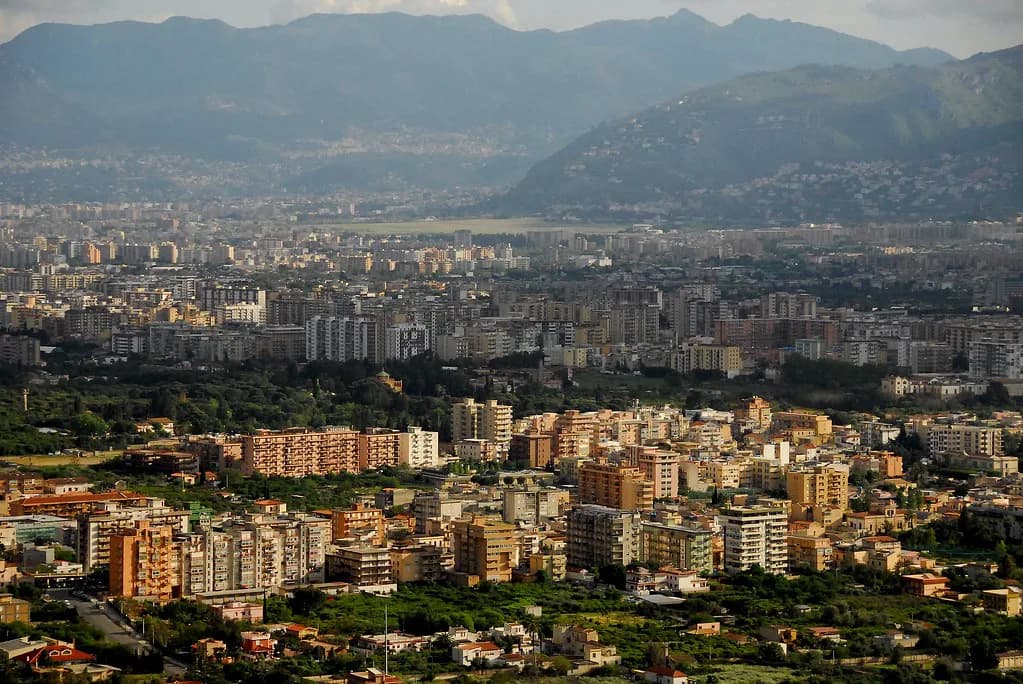
Palermo spreads between the Tyrrhenian Sea and a ring of mountains, which means the view you get depends less on luck than on how you plan to reach it. A corner in the old centre costs nothing and takes a minute, a cathedral or church terrace costs a ticket and offers a different angle on the same rooftops, and the hills above the city ask for time and effort instead of money.
At the Cattedrale di Palermo, the main body of the church and the rooftop terrace, crypt and royal tombs are not the same purchase. Visitor accounts describe the nave as free to enter while an all-areas ticket covers the terrace and the deeper interiors, so decide which experience you want before you queue.
Below, the viewpoints are grouped by what they ask of you rather than by height. Prices, opening times, transport routes and access details change, so treat every figure here as something to confirm with the site or the city before you commit a day to it.
How to Choose a Viewpoint in Palermo
The simplest framework is to sort your options into three groups. Free ground-level views come from squares, fountains and long straight streets; paid views come from terraces and rooftops where a ticket or a purchase is part of the deal; effort-based views come from hillside walks and day trips where the cost is time and legwork.
Ground-level sightseeing suits a first morning when you are still learning the city's geography. The Quattro Canti, officially Piazza Vigliena, sits where Via Maqueda meets Via Vittorio Emanuele and divides the old city into its historic districts, with four curving facades carrying fountains, seasonal allegories, kings and patron saints. It is a crossing point rather than an attraction, so you look up, take it in and move on.
Paid terraces and effort-based climbs are better saved for a second outing or a clear day. Both are viewpoint decisions with a cost attached — one financial, one physical — and both can be undermined by haze or cloud, so avoid scheduling them as the fixed highlight of a short trip.
Free Ground-Level Views: Quattro Canti, Fountains and the Straight Street
The most rewarding free viewing in Palermo is done by walking and looking up. Start at the Quattro Canti, which is called the Theatre of the Sun because at least one of its facades catches the light through the day, then drift to the nearby Piazza Pretoria for the Fontana Pretoria, a tiered sixteenth-century fountain with an unusually large cast of nude mythological figures.
Then commit to Via Vittorio Emanuele, the arrow-straight spine of the old city. Following it gives you an almost two-mile view corridor between the sea gate of Porta Felice and Porta Nuova near the Norman Palace, with the cathedral, the Quattro Canti crossing and countless side alleys strung along the way. It costs nothing and needs no booking, which makes it the easiest good view in the city.
Expect company rather than solitude. The Quattro Canti is popular with tour groups and buskers, and the advice from experienced visitors is to glance at all four facades and keep moving rather than linger waiting for an empty frame. For background, the free list of things that cost nothing to see is worth keeping open as you plan.
Free Water and City Edges: Foro Italico and Villa Bonanno
For a view that combines city and sea at no cost, walk out along the Foro Italico promenade. It runs along land created from rubble after the Second World War and opens up quiet views across the bay towards Monte Pellegrino, which makes it a good late-afternoon alternative to a paid rooftop.
Inland, Villa Bonanno sits between the cathedral and the Royal Palace, a palm-filled garden that offers shade and a breather from the traffic on the surrounding streets. It is not a panorama, but it is a genuinely calm corner in the busiest part of the historic centre.
Both are public spaces with no entry fee, so they fit neatly into a day where you have already paid for one interior or terrace. They also depend on weather and light, which is worth remembering before you build an itinerary around them.
Paid Terraces and Rooftops: Cathedral, Santa Caterina and a Department Store
The cathedral terrace is the best-known paid rooftop in Palermo. It sits above the church's mix of Norman, Gothic and Baroque fabric and looks out over the old town, but it belongs to a combined all-areas ticket rather than the ordinary church visit, so check what the ticket includes and what it costs at the ticket desk or on the official site before you join the line.
The roof terrace of Chiesa di Santa Caterina d'Alessandria, beside Piazza Bellini, is regularly named among the best views in the city, partly because it looks straight down onto the Fontana Pretoria and across to nearby churches. Treat it as a separate paying decision from the church interior and confirm current access at the door rather than relying on older write-ups.
Rooftop bars and department-store terraces are a purchase rather than a ticket. The roof of La Rinascente on Piazza San Domenico has been used as a sunny break spot with an elevated view over the piazza, but service, opening and what you can order change, so treat it as a pleasant possibility and not a guaranteed free viewpoint.
Paid Interiors That Give the Views Context
Some of Palermo's most rewarding paid visits do not offer a panorama at all, but they explain what you are looking at from the rooftops. The Palatine Chapel inside the Norman Palace is covered in Byzantine mosaics with Islamic-influenced ceiling work, and the palace complex sits at the historic heart of the city near Porta Nuova and the cathedral.
Admission to the palace, chapel and gardens is ticketed, and sources give different figures depending on what they include and when they were checked. Rather than trust a number in a blog post, look at the official ticket information on the day and decide whether the chapel alone justifies the visit for you.
In the Kalsa, Palazzo Abatellis holds the regional gallery, with Antonello da Messina's Annunciation and the Triumph of Death fresco among the highlights, displayed in a Catalan Gothic palace reworked by Carlo Scarpa. It is an interior rather than a viewpoint, but the palace courtyard and the surrounding streets give a strong sense of the quarter you will later see from above.
Effort-Based Views: Monte Pellegrino and the Sanctuary
Monte Pellegrino is the mountain you see from the bay and the promenade, and it is the most direct way to look back down on Palermo and the sea. It has walking trails and overlooks, plus the Sanctuary of Santa Rosalia built into the rock, so the visit mixes a climb or a ride with a church stop rather than a single viewing platform.
How you get up there matters more than any ticket. Public transport is said to connect the city with the mountain, but routes and schedules change, so check with the local transport operator or your accommodation before setting out, and keep the effort of the climb in mind in hot weather.
The payoff is the sense of the whole city — the bay, the harbour edges and the dense old town — in one look. It is worth being honest about your own fitness and the day's conditions before choosing this over an easier terrace.
Beyond the City: Monreale and Mondello
Monreale sits in the hills above Palermo and offers an elevation view plus one of Sicily's great church interiors. The cathedral is celebrated for its gold mosaics and its cloister, and a combined visit is regularly suggested as an easy day trip from the city, though the practicalities of getting there are worth checking rather than assuming.
Mondello, by contrast, is not a panorama. It is a white-sand beach within the city limits, reached on public transport and popular with Palermitans in summer, so the payoff is sea level and swimming rather than height. The beach is busiest in the high season, and it is worth confirming transport at the time of travel.
If you want both coast and city in one view, combine Mondello with Monte Pellegrino on separate outings. They answer different questions: one is a beach day, the other a lookout.
Mistakes and Trade-offs
The most common misstep is assuming one ticket covers everything inside a complex. At the cathedral, the church, the terrace and the crypt are sold differently, and at Santa Caterina the rooftop is not the same experience as a quick look inside. Read the ticket options before you pay rather than after.
The second mistake is timing. Paid terraces and hill viewpoints reward clear days and cooler hours, while midday heat makes both the climb and the crowded squares harder work than they need to be. Plan the free walking first and put the paid or physical view where it fits the weather.
The third is expecting a guaranteed sunset. No viewpoint comes with a weather promise, and the sea haze or cloud can flatten a view you paid to reach, so treat any panorama as a bonus rather than a certainty.
A Suggested Half-Day That Keeps Free and Paid Views Separate
Begin with a free walk along Via Vittorio Emanuele, taking in the Quattro Canti and the Fontana Pretoria at street level. This is the cheapest way to understand the city's layout, and the Oratorio del SS Rosario in Santa Cita, with its white stucco tableaux by Giacomo Serpotta, is a worthwhile detour if you want a quieter interior afterwards.
Then choose exactly one paid elevation. The cathedral terrace or the Santa Caterina rooftop will each give you a different angle for a defined time and ticket, so pick one, confirm the current price and access at the desk, and leave the rest for another visit.
Finish at Foro Italico or Villa Bonanno to decompress. A walk back through the Kalsa, with its food stalls and crumbling facades, makes a natural end to the day without needing another ticket.
Practicalities to Check on Arrival
Ticket prices, opening hours, holiday closures and whether a terrace is currently open all change, and older write-ups are not a reliable guide. Check the official pages for the cathedral, the individual churches and the palace, and ask at the ticket desk when you arrive rather than budgeting from a blog post.
Transport is the other variable. Bus routes to Mondello, the mountain and Monreale are not fixed facts to plan around from an article, so confirm them with the local operator on the day and allow extra time for traffic.
Accessibility is a separate question for each site. Terraces, hill paths and historic courtyards all have their own constraints, and it is best to ask the site directly if you have specific needs rather than assume a lift or a ramp exists.
Plan Your View Before You Climb
Palermo rewards a little planning about how you will look at it. Free squares and promenades give you the city's bones, a paid rooftop or terrace gives you altitude and a fresh angle, and a hill or a day trip gives you distance.
Choose one of each per day rather than trying to sprint between them, and confirm prices and access at the source before you go. The reward is a view you actually earned, rather than one you paid for twice.
Frequently Asked Questions
What are the best free viewpoints in Palermo?
The Quattro Canti crossing on Via Vittorio Emanuele, the Fontana Pretoria on nearby Piazza Pretoria, the straight walk between Porta Felice and Porta Nuova, and the Foro Italico promenade all cost nothing and give a strong sense of the city. Villa Bonanno, between the cathedral and the Norman Palace, is a calmer free stop with palms and shade.
Can you go up Palermo Cathedral's roof, and do you need a ticket?
Yes, there is a terrace, but it is not part of the ordinary free church visit. An all-areas ticket covers the terrace, the crypt and the royal tombs, while the main body of the church has been described as free to enter. Confirm the current ticket options and rooftop access at the cathedral or on its official site before you visit.
Is the Santa Caterina rooftop worth it for the view?
The roof terrace of Chiesa di Santa Caterina d'Alessandria is regularly singled out for its view over Piazza Bellini and the Fontana Pretoria, which makes it a strong choice if you want one paid elevation rather than several. Access and price can change, so ask at the church rather than relying on older guides.
How hard is Monte Pellegrino to visit?
Monte Pellegrino involves a climb or a ride rather than a lift, with trails and the Sanctuary of Santa Rosalia built into the rock. Public transport has been described as connecting the city with the mountain, but routes and schedules change, so check with the local operator and judge the effort against the day's heat before committing.
Where can you see the sea from in Palermo?
Foro Italico and the harbour-side promenade give free sea views towards Monte Pellegrino, while Mondello offers a beach rather than a height. A hill or terrace gives you the bay and the city together, but the view depends on weather and haze, so treat a clear panorama as a bonus.
What day are Palermo's markets busiest?
Ballarò, the Capo and Vucciria are the main outdoor markets, and mornings are generally livelier, with Vucciria shifting towards evening and nightlife. Opening times and days vary by stall and season, so check with vendors or the market area on arrival rather than planning around a fixed schedule.
What are good day trips from Palermo?
Monreale, in the hills above the city, offers a cathedral of gold mosaics and a cloister with an elevated setting, and it is regularly suggested as an easy trip. Mondello within the city limits is a beach rather than a viewpoint. Check train and bus details locally, since routes and times are not fixed.
Sources
- Palermo: Things to do & Tourist Attractions - Italia.it
- 23 Fabulous Things to do in Palermo Italy, Sizzling Sicilian Capital
- 13 Wonderful Things to Do in Palermo, Italy | A City Break Guide — ALONG DUSTY ROADS
- Palermo City Guide: 17 Brilliant Things to Do in Palermo, Sicily - JAMIECHANCETRAVELS
- Palazzo Abatellis Palermo | Klat
- Palermo - Visit Sicily
Continue exploring
More guides you'll find useful