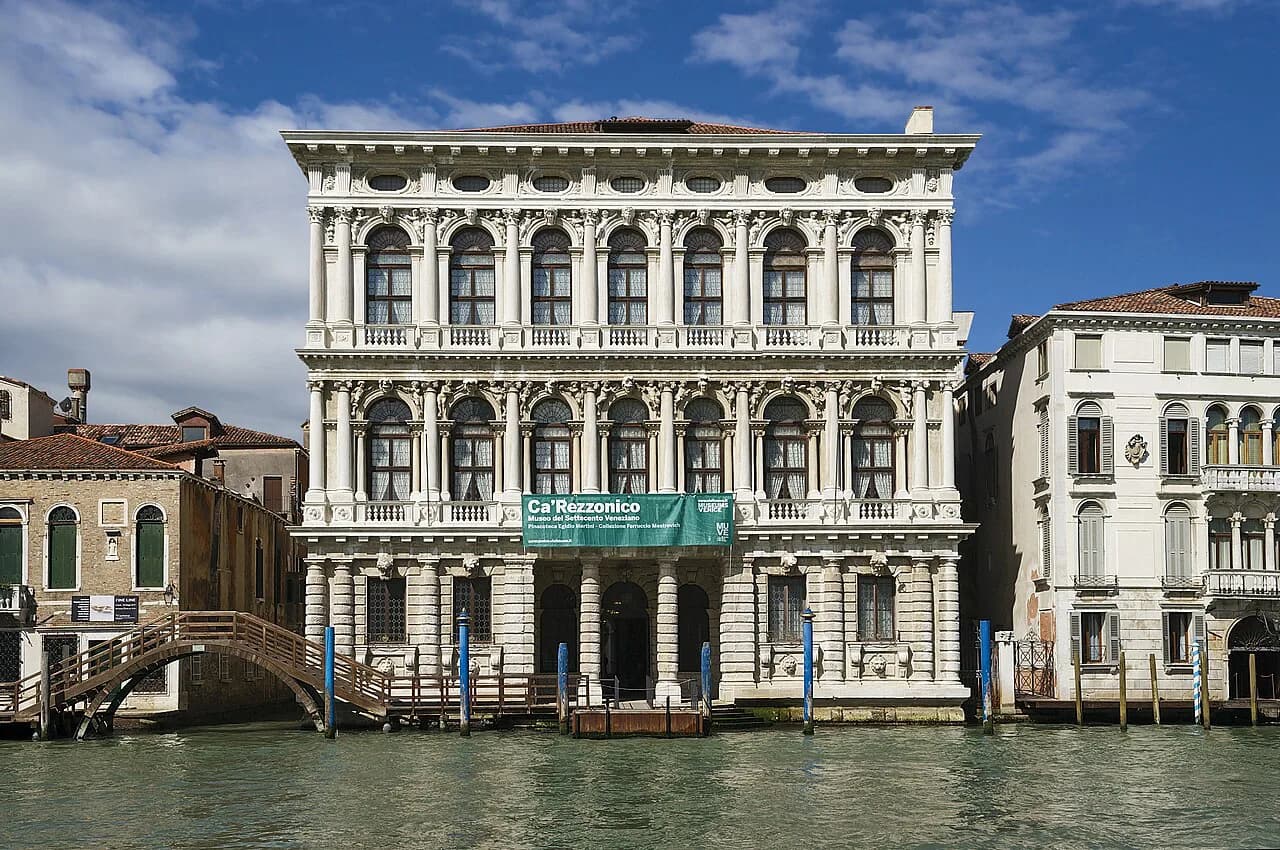
Norman Palace and Palatine Chapel: A Practical Visitor Guide
Plan a visit to Palermo's Norman Palace and Palatine Chapel. This guide covers the Byzantine mosaics, published opening windows and ticket scope.
On this page
The Norman Palace, known locally as Palazzo dei Normanni, and the Palatine Chapel inside it are the pair that justifies an early start in central Palermo. The chapel, begun in 1130 and completed within about thirteen years, is the reason many travelers build a morning around this corner of the city. What follows separates the chapel's art from the palace's government function, so you know what you are actually visiting before you decide how to organize the day.
Two practical facts shape the visit. First, the palace still serves as the seat of the Sicilian Regional Assembly, so it is a working venue rather than a pure museum. Second, the foundation that runs the site publishes two separate time windows, weekday and Sunday, rather than one blanket schedule. Both details should come before any booking decision.
Why the Norman Palace and Palatine Chapel Belong on a Palermo Itinerary
Few single buildings in Sicily condense the island's layered history as tightly as this complex. The palace's foundations show several phases of settlement, and the chapel above them fuses European, Byzantine and Islamic traditions in one room. For a first visit to Palermo, that makes the site an efficient way to understand why the city looks and feels the way it does.
The palace sits at the edge of the historic center, close enough to other major sights that it fits naturally into a half-day. If you are choosing between several churches and palaces, this is the one that combines royal architecture with a still-functioning political role. The chapel is the highlight, but the setting around it matters too.
What the Palatine Chapel Is: Byzantine Mosaics Inside a Norman Royal Chapel
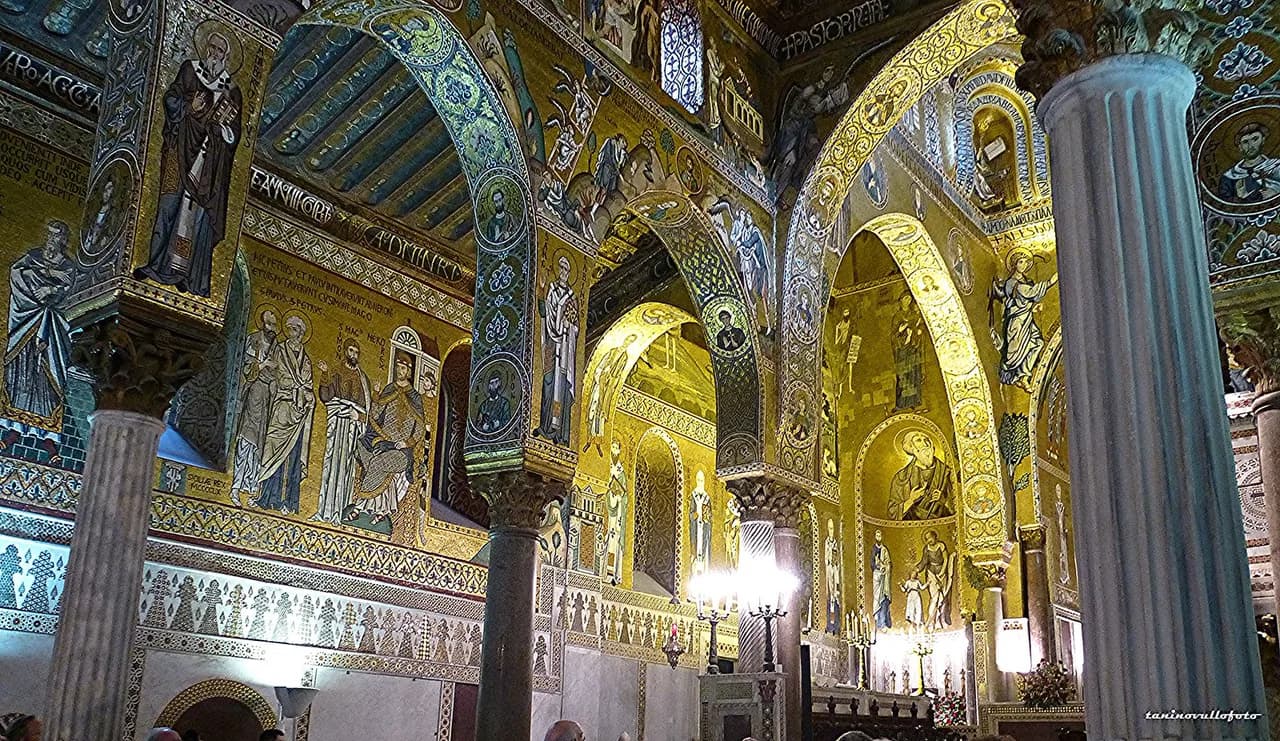
The chapel is a royal chapel built under Roger II, the first Norman king of Sicily, and consecrated in the 1140s according to the inscription in its dome. Its mosaics are considered among the finest products of Byzantine art, with the Christ Pantocrator in the dome and the surrounding angels and Evangelists among the most striking passages. Visitors who plan only for the palace rooms often rush the chapel, which is a mistake.
The architecture is a western basilica plan with a nave and two aisles, granite columns and gilded Corinthian capitals, so the building feels familiar before you look up. What is not familiar is the combination: Norman patronage, Byzantine mosaic work and Islamic decorative craft sharing one interior. That layering is the reason the chapel is worth more than a quick photo stop.
The Cultural Fusion to Look For: Norman, Byzantine and Islamic Elements
The chapel's most discussed feature after the mosaics is the wooden muqarnas ceiling, a stalactite form more commonly associated with Islamic architecture. Unusually, its decoration includes human figures, a detail that rewards a slow look upward. The inlaid floors, the pulpit and the Easter candelabrum add further layers from different craft traditions.
If you want to see how this visual language continues elsewhere in Palermo, the Martorana Church visitor guide is a useful companion for a later stop, since it shares the Byzantine mosaic tradition in a smaller setting. Seeing two interiors rather than one helps you understand what is distinctive about the chapel at the palace. Plan them on separate visits so neither feels like a box to tick.
UNESCO Status and the Palace's Dual Role as a Government Seat
The complex is recognized as a UNESCO World Heritage Site, and the palace is described as the oldest royal residence in Europe. That status explains part of the crowds, but the palace's current use is just as visible: it houses the Sicilian Regional Assembly, the island's parliament. You are not walking through a preserved ruin but through a building that still has official business.
That dual role has a practical consequence. Tour operators note that official events or meetings can affect whether tours run or which rooms are open, so a day at the palace is not always identical to the last. The foundation publishes news and press releases on its site that may mention closures or special openings. Check those before you lock in a time slot, especially for a short trip.
Opening Hours: Weekday Versus Sunday and Holiday Windows
The official site lists separate windows rather than a single daily schedule. Monday to Saturday, last entry is at 16:30 for a visit that begins at 08:30. On Sundays and public holidays, last entry is at 12:30 for a window that opens at 08:30. These are the hours as published by the Fondazione Federico II, and they are worth confirming again close to your travel date.
The Sunday and holiday window is much shorter, so a weekend visit needs to be planned around a morning arrival. On weekdays you have more slack, but arriving after the last-entry cutoff is not negotiable. Treat the published last-entry times as hard stops and build your day around them, not around how long you personally want to stay.
Tickets and Entry Scope: What to Confirm on the Official Site
Do not assume that one purchase covers every room in the complex. The palace, the gardens and the chapel sit within one site, but ticket scope and validity are exactly the kind of detail that changes, and tour operator pages cannot establish official rules. Before you go, use the foundation's online ticketing and visitor information pages to confirm current prices, what each ticket includes and whether any combination exists.
This guide deliberately does not quote entry fees because the official source should be the reference for current pricing. Treat third-party listings as commercial context, not as confirmation of entry policy. If you need a single source of truth for what your ticket covers, the foundation's own site is the one to check.
Guided Tour or Independent Visit: A Decision Framework
Choose a guided tour if you want the chapel's iconography explained in sequence and you value having a fixed meeting point and a group size you can plan around. Choose an independent visit if you prefer to linger in front of the mosaics, move at your own pace and avoid committing to a start time. Both are reasonable; they just trade flexibility for context.
Tour products are not all the same, so read what is included rather than assuming. One small-group option advertised for the palace and chapel sells two formats, a join-in tour and a private visit, with free cancellation up to a stated cutoff before the date of use. Those are commercial terms from that operator, not official palace rules, so treat them as a booking consideration rather than a guarantee about the site itself.
Meeting Points and What a Small-Group Tour Typically Covers
A typical small-group tour meets at the main entrance of the palace on Piazza del Parlamento and includes a licensed English-speaking guide plus admission covering the palace complex and the chapel. Some products specify a group size and a duration for the guided portion; those are the operator's descriptions, not official visit length. Check the specific listing for what is included on the day you plan to go.
Because the palace is a government venue, tour operators themselves warn that official events may affect access to certain rooms, and some days may include additional areas. That is another reason to confirm with the foundation before relying on a tour description. If a particular room matters to you, ask the operator directly whether it is included in the current itinerary.
How Long to Allow: A Suggested Visit Duration
As a suggestion rather than an official figure, allow around ninety minutes to two hours for the chapel and the main palace spaces, plus buffer for security and entry. The chapel rewards slow looking, and the mosaics are dense enough that a rushed pass leaves most of the detail unseen. Add time if you plan to read the labels or listen through an audio guide.
If you are combining the palace with other sights, this is a natural half-day anchor. Keep the chapel for when your attention is freshest, ideally early in the window, and leave the palace rooms for afterward. That sequencing keeps the highlight from being the thing you see last and remember least.
Practical Tips: Timing the Chapel, Photography and Busy Periods
Arrive near opening rather than near last entry. The published last-entry time on weekdays gives you the most room to move, while the shorter Sunday window means you should prioritize the chapel first. If photography matters to you, check current rules at the entrance rather than relying on older visitor reports, since site policies can shift.
Wear shoes you can stand in and expect to look up for long stretches. Carry water in warm months, since Palermo's afternoons can be hot even in a short visit window. These are small preparations that make a dense interior easier to absorb without fatigue.
What to Combine Nearby for a Half-Day in Central Palermo
The palace sits within easy reach of the cathedral and the historic center, so a half-day can pair the chapel with one nearby interior. The Palermo Cathedral visitor guide covers the Cattedrale di Palermo and helps you decide whether to add it the same morning. Two major interiors in one outing is realistic if you keep the chapel time protected.
If you would rather balance the monumental with something smaller, the hidden gems in Palermo guide suggests quieter corners such as the Oratorio del SS Rosario in Santa Cita for another day. Keeping the palace and chapel as the anchor of one morning and saving decorative oratories for later prevents a rushed, checklist-style visit.
Access and Visit-Day Checks: Official Events That Can Affect Opening
Because the palace remains a government venue, official events and meetings can affect whether tours run or which rooms are accessible. The foundation's news section is where such announcements tend to appear, so a quick check the day before your visit is sensible. Do not assume that a tour operator's schedule guarantees access to a specific room on a specific date.
For a longer stay, La Zisa visitor guide is a useful complement: it covers another Norman palace in the city and helps you compare how royal architecture evolved. Keep the two visits on separate days so each building gets proper attention. The Norman Palace and chapel are the more central pair, and they deserve to be the priority.
Plan Your Visit
The Norman Palace and Palatine Chapel reward a visit built on two checks: current opening windows on the foundation's site and current ticket scope before you book. The art is the draw, but the working government role is the practical reality. Plan around the weekday or Sunday window, keep the chapel early in your time slot, and decide on a guide based on how much context you want.
Frequently Asked Questions
What is significant about the Palatine Chapel?
The chapel is a 12th-century royal chapel whose Byzantine mosaics are considered among the finest of their kind, set within a building that also shows Norman and Islamic craftsmanship. The Christ Pantocrator in the dome and the muqarnas wooden ceiling are the two details most often singled out. It is part of the Norman Palace complex, which remains a working government venue.
Do I need a separate ticket for the Palatine Chapel?
Ticket scope is not something to assume. The chapel sits within the wider palace complex, but what a ticket includes and how long it is valid should be confirmed on the official Fondazione Federico II site before you go. Tour operator listings describe their own packages, not official entry rules.
What are the opening hours of the Norman Palace?
The official site publishes two windows: Monday to Saturday with last entry at 16:30, and Sunday and holidays with last entry at 12:30. Both open at 08:30. Check the site again close to your date, since the palace is a government venue and announcements can affect access.
Is a guided tour of the Norman Palace worth it?
A guided tour helps if you want the chapel's mosaics and iconography explained in sequence and you value a fixed meeting point. An independent visit suits travelers who prefer to linger at their own pace. Either way, confirm current entry rules with the foundation rather than relying on a tour description alone.
How long does a visit to the Palatine Chapel take?
As a suggestion rather than an official figure, allow ninety minutes to two hours for the chapel and the main palace spaces. The mosaics reward slow viewing, so a rushed pass wastes the highlight. Add buffer for entry and for any queue.
Can the palace close for official events?
Yes, because the palace houses the Sicilian Regional Assembly, official events or meetings can affect tours and which rooms are open. Tour operators themselves warn about this. Check the foundation's news page shortly before visiting and treat a tour description as commercial context, not a guarantee of access.
Sources
Continue exploring
More guides you'll find useful