Vieux Nice Old Town Guide: What to See, Eat, and Skip in 2026
A vieux nice old town guide covering entry routes, Cours Saleya market days, top sights, food picks, and timing tips to dodge cruise-day crowds in 2026.
On this page
Vieux Nice Old Town Guide: Navigating the Heart of Nice
Last updated July 2026, this vieux nice old town guide covers the medieval core wedged between Colline du Château and Place Masséna. Vieux Nice packs ochre tenements, the daily Cours Saleya market, and a Baroque cathedral into a walkable grid a few hundred yards wide. Knowing which entrance to use, and when cruise-day crowds fill the lanes, turns a maze of alleys into an easy two-hour walk or a full afternoon.
Vieux Nice Old Town Guide: Where the Neighborhood Begins and Ends
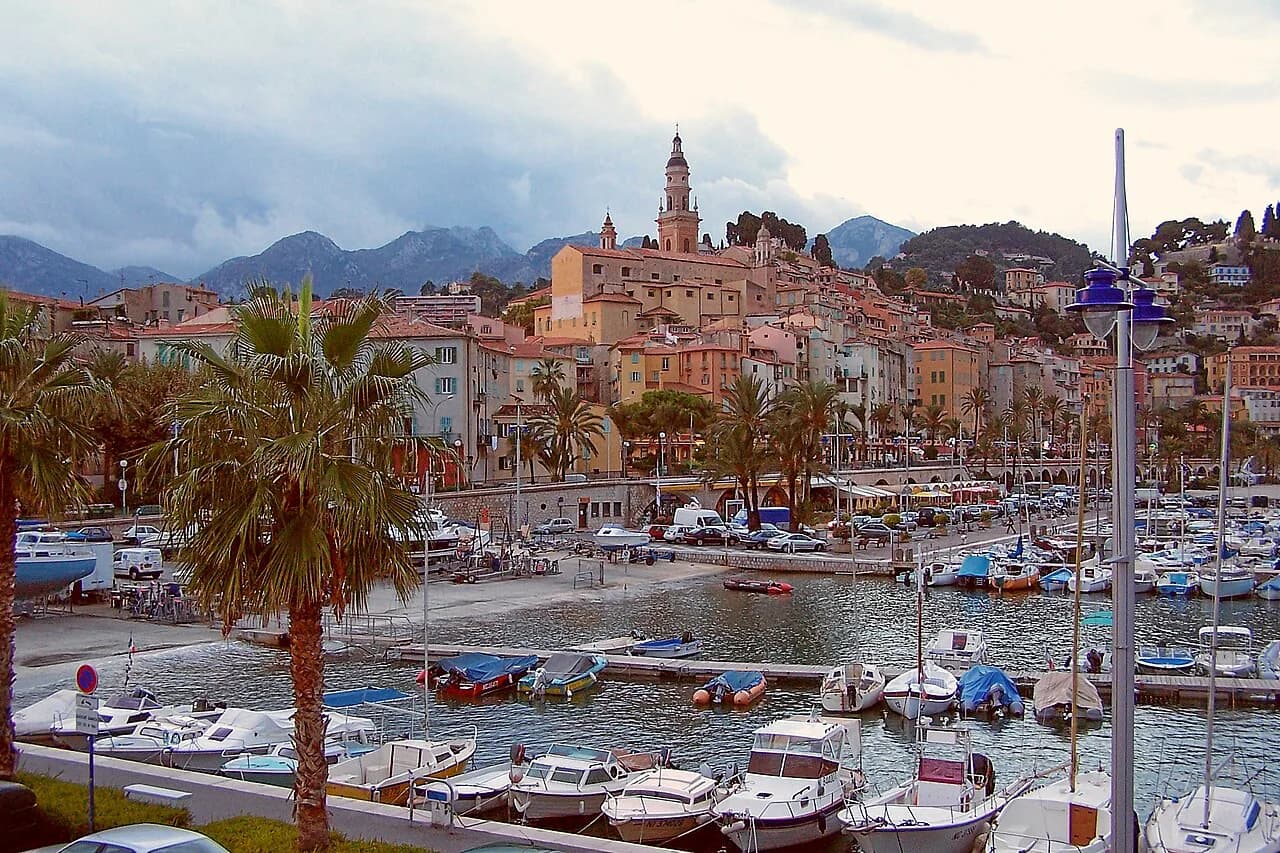
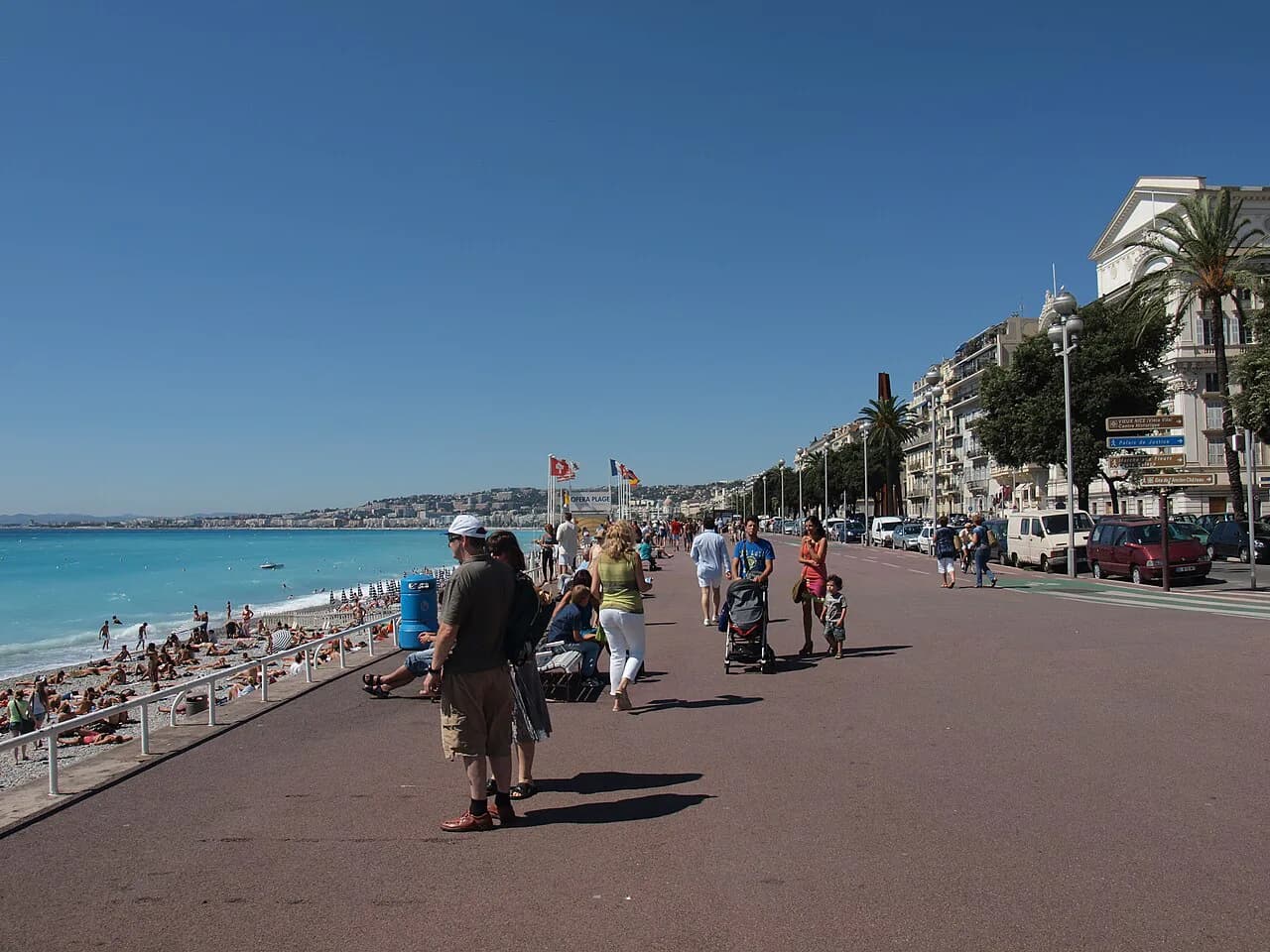
Vieux Nice sits directly below Colline du Château, the hill marking the old town's eastern edge. The Promenade des Anglais and the seafront form its southern border. To the north, the Paillon promenade traces the route of the Paillon River, which has run through an underground channel since 1972. Street signs throughout the quarter appear in both French and Niçard, the local dialect, a trace of the area's identity before Nice joined France in 1860. The neighborhood draws more foot traffic than most of the rest of the city. Restaurants, market stalls, churches, and small museums sit within a few minutes' walk of the seafront. This guide is part of a broader look at hidden corners of Nice, focused specifically on walking the medieval core start to finish. For how Vieux Nice fits alongside the city's other districts, see the guide to Nice's neighborhoods.
Two Ways to Start Your Walk
Vieux Nice has two natural entry points, and the choice mostly changes what you see first, though both loop through the same core streets eventually.
- Masséna entry: start at Place Masséna, cross toward the sea, then cut onto rue Saint-François de Paule, passing the Nice Opera House and Patisserie Auer, trading chocolate and candied fruit since 1820.
- Seafront entry: enter from the Promenade des Anglais near the Ponchettes, passing the Venet sculpture on the Esplanade Georges Pompidou before heading north into the alleys.
- Dual signage: look for street names posted in both French and Niçard throughout the quarter, a visible trace of the area's pre-1860 identity.
Cours Saleya: Reading the Market's Weekly Rhythm
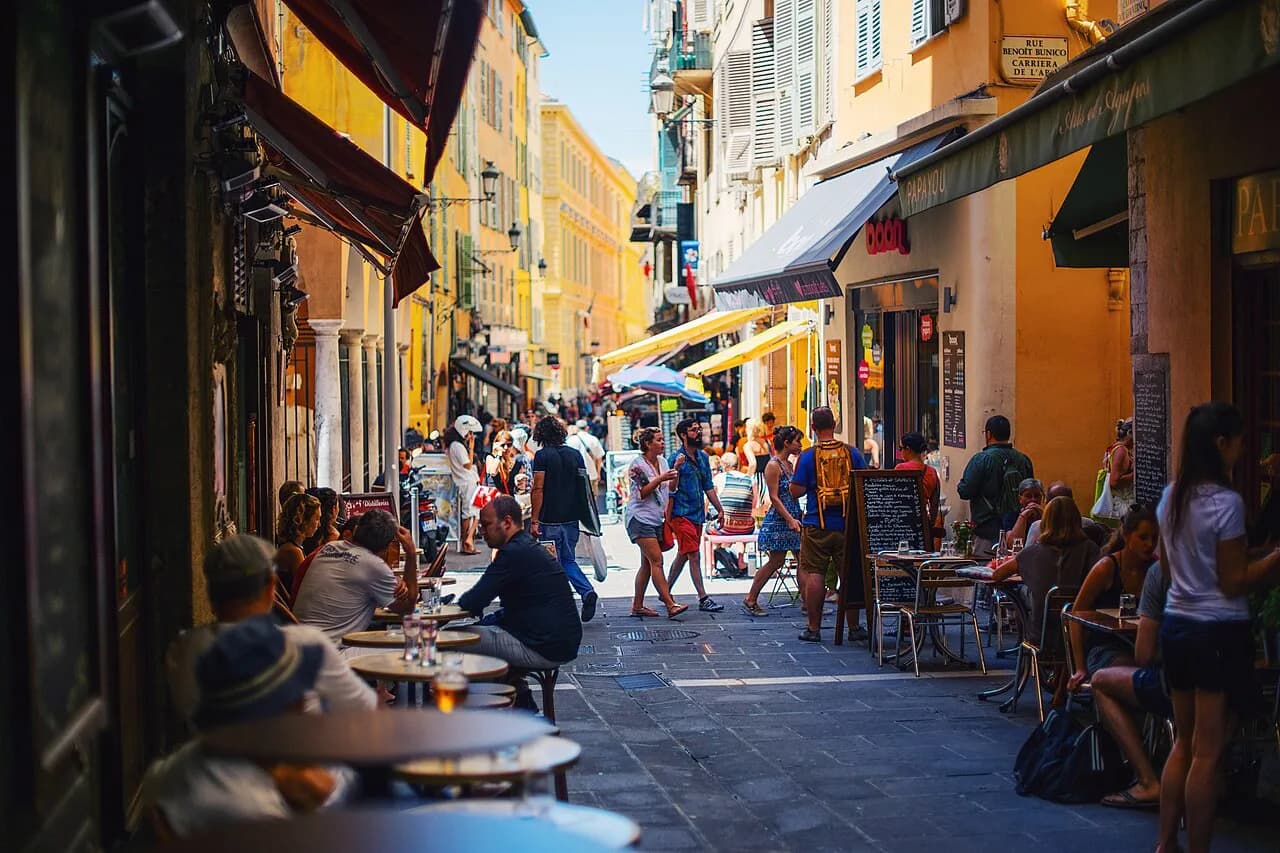
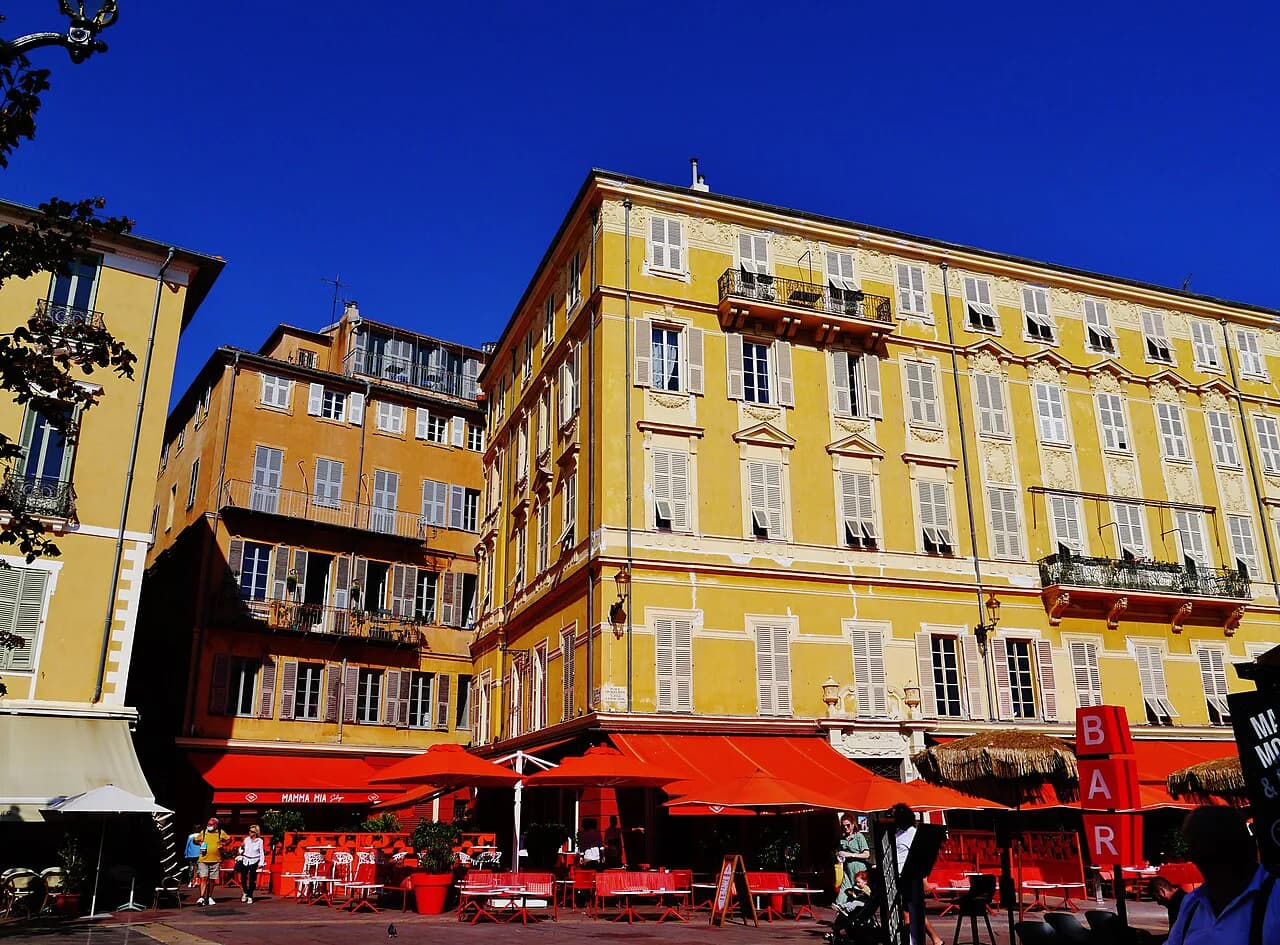
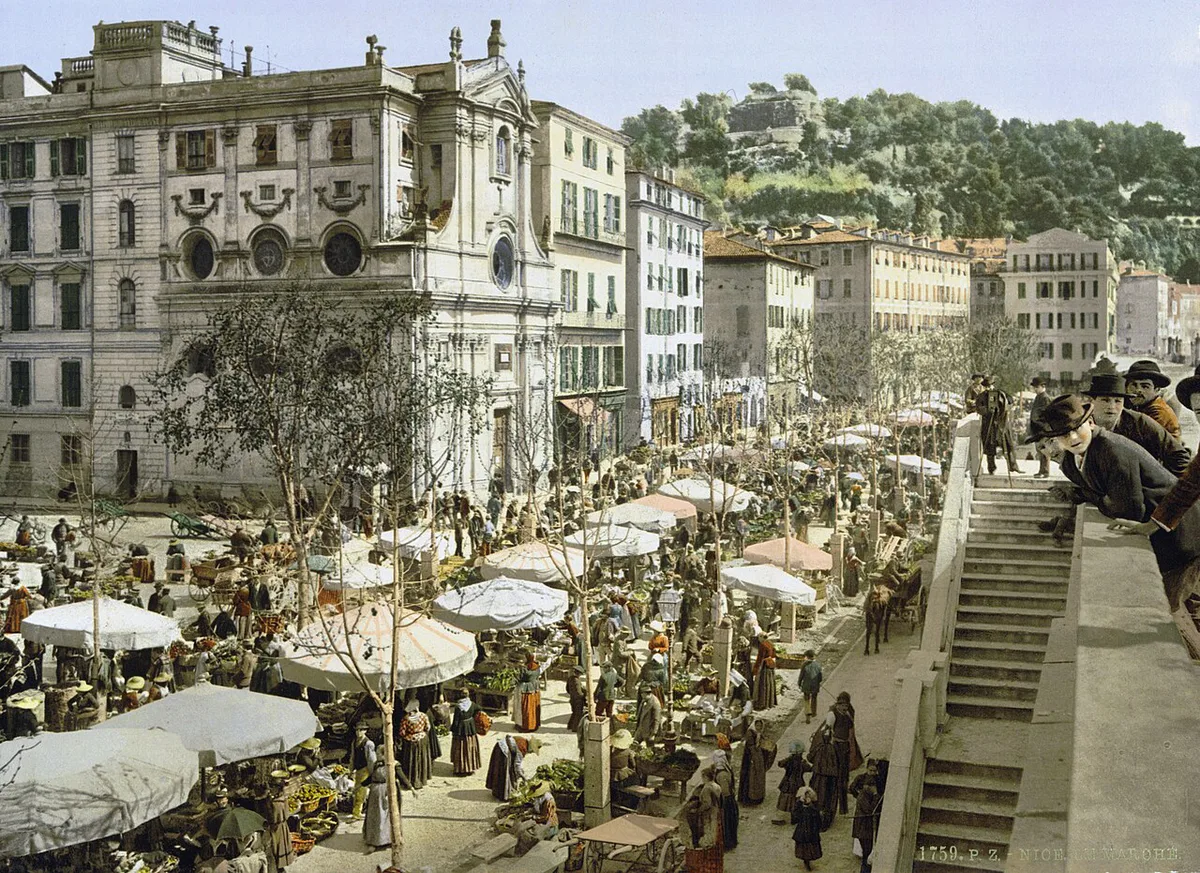
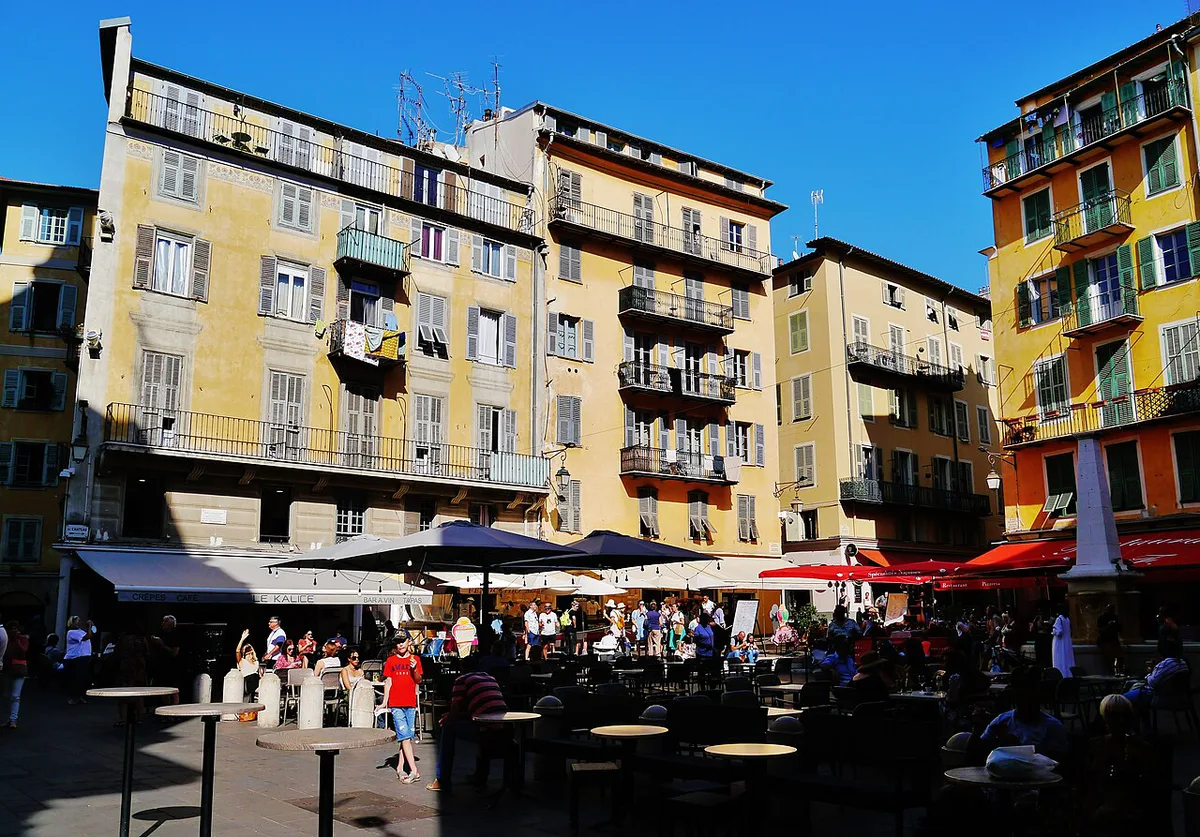
Cours Saleya runs as a flower and food market Tuesday through Sunday, with stalls packed until roughly midday. After that, the same square resets as an open-air dining terrace for lunch and dinner service. Monday flips the pattern entirely. Flowers and produce give way to an antiques market, and the regular flea-market stalls move over to Nice's old port on other days. Confirm the day before visiting, since market schedules can shift around holidays and local events. Socca, the market's signature chickpea-flour pancake, is worth trying straight from a vendor here rather than from a sit-down menu.
Monday shifts Cours Saleya from the flower and food market to antiques, while flea-market stalls move to Nice's old port instead—an easy miss for travelers planning around the famous daily market.
Sights Inside the Old Town
Beyond the market, a short list of sights covers most of what the old town has to offer within its compact grid.
- Cathédrale Sainte-Réparate, Place Rossetti: a 17th-century Baroque cathedral with a colorful dome visible from Colline du Château. A reliquary holding the remains of Saint Reparata, the city's patron saint, sits on the main altar. Entry is free.
- Palais Lascaris, rue Droite: a former aristocratic villa turned museum, housing a collection of historic musical instruments inside Baroque interiors. It is traditionally closed on Tuesdays; confirm current hours before visiting.
- La Porte Fausse, the False Gate: a marble-lined passage connecting the old town to the newer city, its ceiling detailed to look gilded.
- Place Saint-François: a small morning fish market, quieter and more local than Cours Saleya.
- Église Saint-Jacques-le-Majeur: a Baroque church along the narrow streets near rue Pairolière, worth a stop on the same walk.
Which Corner of Vieux Nice Fits Your Interest
Vieux Nice rewards a plan built around what matters most on a given visit. Use this as a quick reference before setting out. Rue Pairolière, one street over from rue Droite, adds a quieter, more residential stretch worth a short detour for anyone chasing fewer crowds.
| Interest | Best Spot in Vieux Nice | Why It Works |
|---|---|---|
| History | Palais Lascaris | Best-preserved Baroque interior in the quarter |
| Photography | Place Rossetti | Colorful cathedral dome and the square's fountains |
| Shopping | Rue Droite | Local galleries and artisan boutiques |
| Food | Cours Saleya | Center of Niçois market food and open-air dining |
Vieux Nice for Food: Socca, Pissaladière, and Where to Eat
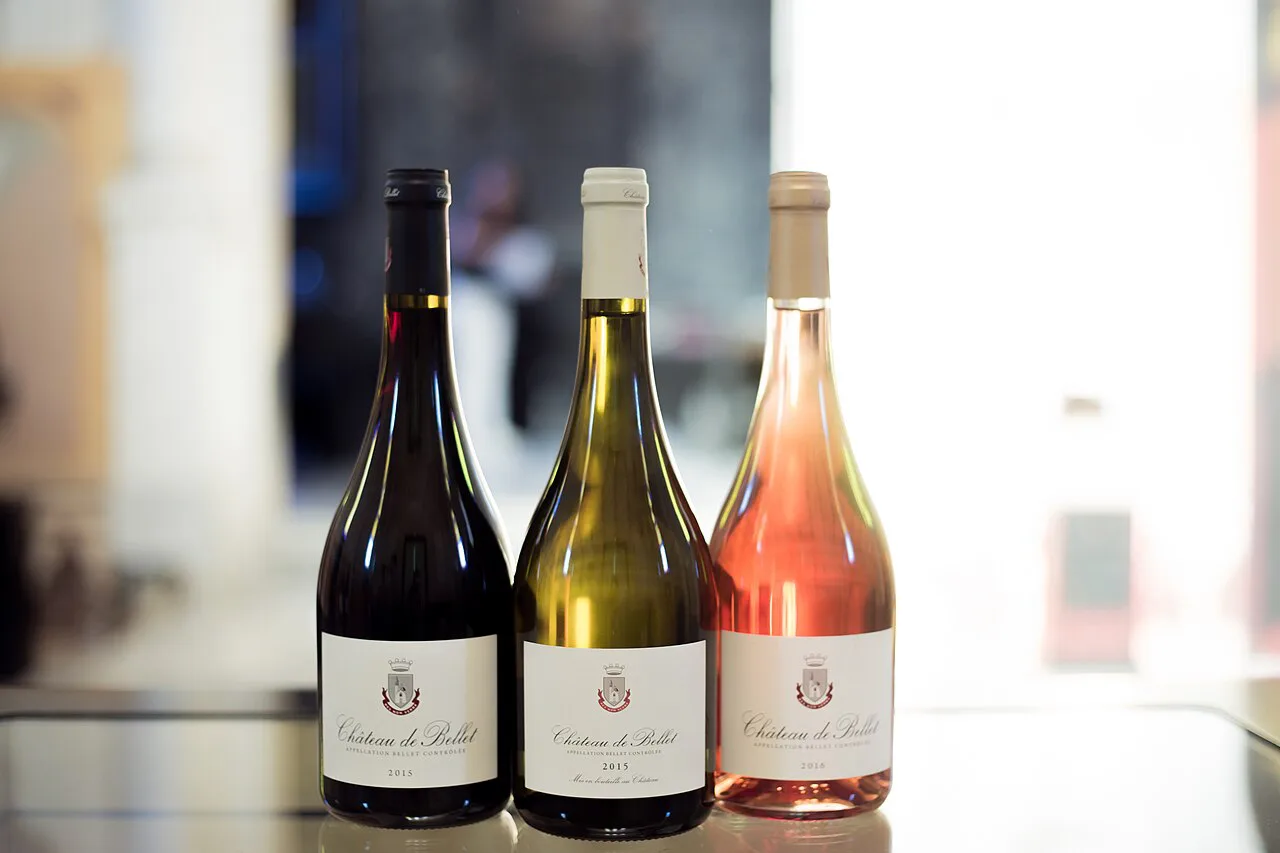
Socca anchors the old town's food identity: a thin, savory pancake made from chickpea flour, cooked on wide round griddles and served hot in wedges. Look for it around Cours Saleya and the surrounding lanes, where vendors have made it for generations. Pissaladière, a caramelized onion tart topped with olives and anchovies, and petits farcis, stuffed vegetables served as a shared plate, round out the classic Niçois spread. Skip the photo-menu terraces lining the busiest stretches of rue Saint-François de Paule and Cours Saleya's outer edge, where prices run higher for average food. Walking one street back from the main thoroughfares usually turns up smaller, less crowded kitchens. For a deeper list of where to eat well, pair this walk with the local food scene in Nice and the well-reviewed local restaurants guide. To drink, a glass of local Bellet wine makes a regional match for socca or a plate of petits farcis.
Practical Logistics: Time, Access, and Cost
Most of what matters in Vieux Nice costs nothing beyond a coffee or lunch, in line with the wider list of free activities across Nice.
Vieux Nice is almost entirely pedestrian—driving in isn't practical, large luggage won't fit easily, and comfortable flat shoes are essential for the narrow cobblestone streets.
- Time needed: a brisk walk covers the highlights in 2 to 3 hours. A deeper visit with lunch and the Palais Lascaris museum runs 5 to 6 hours.
- Access: Vieux Nice is almost entirely pedestrian, with narrow, uneven cobblestone streets. Flat, comfortable shoes matter more here than elsewhere in the city.
- Transit: the Nice tram stops at Opéra-Vieille Ville and Cathédrale-Vieille Ville, both within a short walk of Cours Saleya.
- Cost: churches, squares, and market browsing are free. Palais Lascaris charges a modest entry fee, well under the price of Nice's larger art museums. Check the current rate on the museum's own listing before visiting.
- Guided option: independent walking tours of the old town run regularly. Compare a few operators for the current schedule and price if added context matters more than a self-guided route.
The Crowd-Flow Map: Timing Around Cruise Groups
Cruise excursion groups tend to fill Vieux Nice's lanes between roughly 11 a.m. and 3 p.m., clustering near the market and the cathedral. Arriving before 10 a.m. catches the market at its fullest, with stalls stocked and the square still open. Coming back after 4 p.m. trades market activity for a calmer walk and the start of dinner service on Cours Saleya. In July and August, the narrow streets also work in your favor: their shade and height keep the old town noticeably cooler than the open Promenade des Anglais at midday. That shade advantage is one reason the quarter stays comfortable to walk even during the hottest stretch of summer. When the lanes feel too full, stepping into lesser-known spots in Nice or the off-the-beaten-path corners of the city gives the crowds time to thin out before heading back in.
Morning Market or Evening Dining: Picking Your Time of Day
Morning suits anyone prioritizing the market, when flower stalls, produce, and socca vendors are all at their best before midday. Evening suits anyone prioritizing atmosphere, when Cours Saleya's restaurant tables fill and the day-trip crowds thin out. Neither time is wrong; it depends on whether the goal is the market or the meal. Shoulder-season mornings tend to combine both advantages, with market stalls still fully stocked and fewer visitors competing for space. For a season-by-season look at when Nice overall sees fewer visitors, see the best time to visit Nice guide.
Common Mistakes to Avoid in Vieux Nice
A handful of avoidable missteps account for most disappointing visits to the old town.
- Ordering from a tourist-menu terrace on rue Saint-François de Paule or Cours Saleya's outer edge, where photo-menus in several languages usually signal higher prices.
- Showing up on a Monday expecting the flower and food market. That day belongs to the antiques market instead.
- Assuming every shop stays open through the afternoon. Many small boutiques and galleries close for a few hours around midday.
- Skipping flat shoes. Cobblestones and occasional steps make sandals and heels impractical for a multi-hour walk.
- Trying to drive into the quarter. Vieux Nice is largely pedestrian-only, so plan to park at the edges and walk in.
Beyond the Alleys: Where Vieux Nice Connects Next
Vieux Nice sits directly beneath Colline du Château, and climbing it is the natural next step after the old town, with views back over the rooftops and the sea. North of the center, the Cimiez district offers a quieter pace away from the old town's density. The Liberation neighborhood offers a more local, less touristed stretch nearby. The Le Piol area gives another quiet, residential contrast to the old town's crowds. East along the water, Coco Beach gives swimmers another spot to extend the day once the old town has been covered. Travelers with extra time can also work in one of the day trips from Nice reachable from the city center. For more ideas beyond this route, the unique experiences in Nice list rounds out options across the rest of the city.
A Simple Self-Guided Walking Route Through Vieux Nice
For an efficient first visit, begin at Place Masséna and follow rue Saint-François de Paule past the Opéra de Nice. Continue east into Cours Saleya, leaving time to browse the market before entering the narrower lanes.
- Turn north from Cours Saleya through rue de la Poissonnerie, then continue toward Place Rossetti and Cathédrale Sainte-Réparate.
- Leave the square by rue Mascoinat and join rue Droite, where galleries and Palais Lascaris provide the route’s main indoor stop.
- Continue toward rue Pairolière and Place Saint-François, then exit through La Porte Fausse beside boulevard Jean Jaurès.
This route covers the market, cathedral, Baroque museum, shopping streets, and northern edge without unnecessary backtracking. Allow two to three hours, including short stops. Reverse the route when arriving from the Cathédrale-Vieille Ville tram stop. From Cours Saleya, walkers can also finish at the eastern end and continue directly toward the stairs or lift serving Colline du Château.
Further reading: Nice on Wikivoyage · Nice on Wikipedia
Frequently Asked Questions
How much time do you need for Nice Old Town?
Plan on 2 to 3 hours for a brisk walk covering Cours Saleya, the cathedral, and Place Rossetti. Add a meal and the Palais Lascaris museum, and a visit stretches to 5 or 6 hours.
Is Vieux Nice safe at night?
Yes. The old town stays busy well into the evening, with restaurant terraces on Cours Saleya and Place Rossetti keeping the streets active and well lit long after dark.
What is the best street in Old Nice?
Rue Droite draws the most interest for its local galleries, artisan boutiques, and the Palais Lascaris museum. Rue de la Préfecture is worth a walk for its dining terraces and evening atmosphere.
Is Cours Saleya market open every day?
The flower and food market runs Tuesday through Sunday, mostly wrapping by midday. Monday switches the square to an antiques market instead, with flea-market stalls moving to Nice's old port on other days.
Does it cost anything to enter the cathedral or Palais Lascaris?
Entry to Cathédrale Sainte-Réparate on Place Rossetti is free. Palais Lascaris charges a modest fee, less than Nice's larger art museums; confirm the current rate on the museum's own listing before visiting.
Is Vieux Nice wheelchair or stroller friendly?
Not especially. Streets are pedestrian-only cobblestone, often narrow and occasionally stepped, which makes wheels and uneven ground a real factor to plan around.
Can you drive or bring luggage into Vieux Nice?
Driving into the quarter itself isn't practical, since it's largely pedestrian-only; park at the edges and walk in. Leave large luggage at accommodation first, since the narrow, uneven streets are hard on wheeled suitcases.
Continue exploring
More guides you'll find useful