Cimiez Nice Guide: Museums, Roman Ruins & Belle Époque Sights
Plan a Cimiez, Nice visit for 2026: Musée Matisse, the Cemenelum Roman ruins, the Monastery of Cimiez, and honest walking-vs-bus transport tips for the hilltop quarter.
On this page
Cimiez Nice Guide: Exploring the Hilltop Heart of Culture
Last updated July 2026, this Cimiez Nice guide maps the hilltop quarter's Roman ruins, the Musée Matisse, and the Belle Époque streets above central Nice. Cimiez sits roughly 1.2 miles uphill from Place Masséna, a quieter pace than the crowded Promenade below. Expect a steep 20 to 30 minute climb or a short bus ride, garden views instead of souvenir shops, and two major museums worth sequencing in the right order.
Cimiez Nice Guide: Why the Hilltop Quarter Feels Different
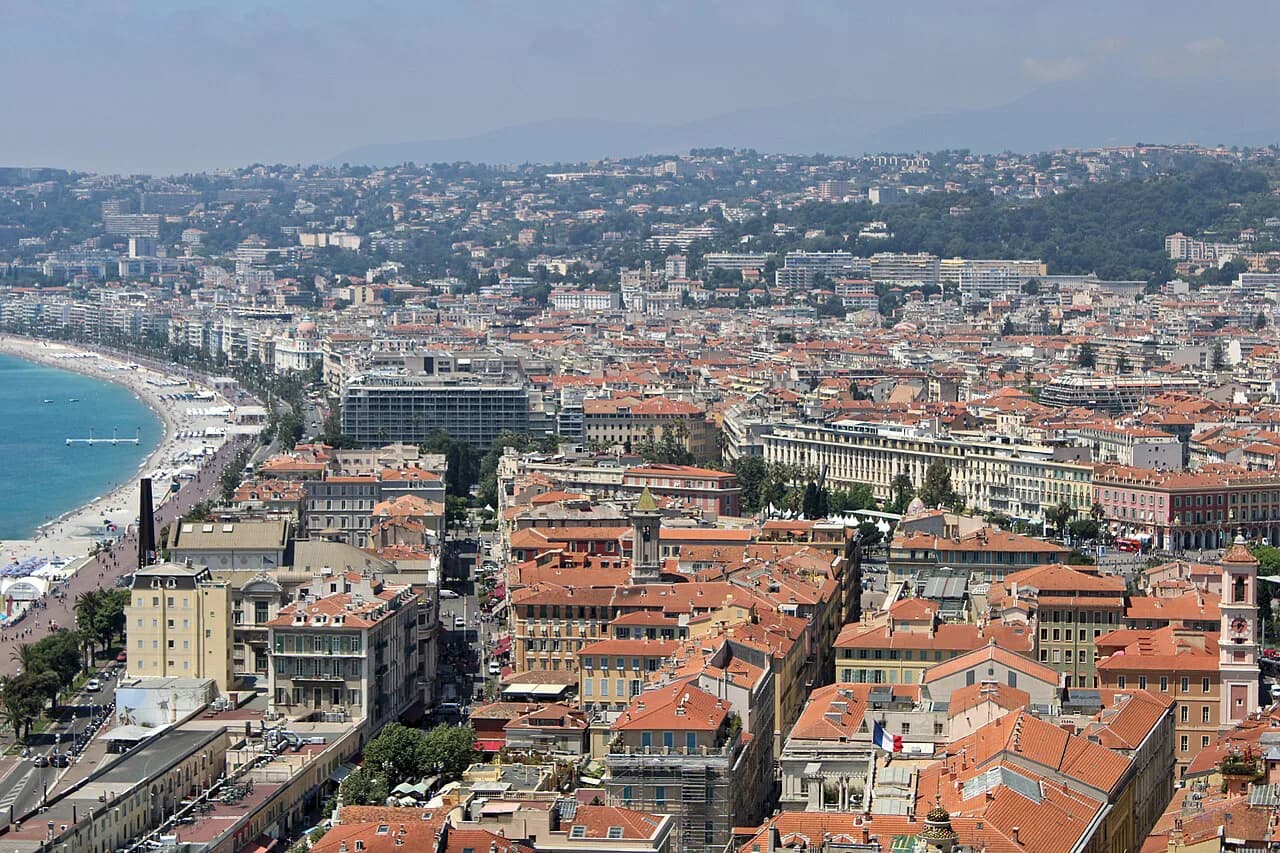
Cimiez rises on a hill above central Nice, once the separate Roman town of Cemenelum before it became a 19th-century retreat for European aristocrats. Today the quarter mixes Roman ruins, Belle Époque villas, and a public olive grove into one walkable district. The Parc des Arènes de Cimiez itself is a century-old public olive grove, doubling as green space around the ruins and museums. It skips the beach bars and souvenir stalls that define the coast below. Cimiez is residential first, so the pace runs slower than downtown Nice, and the crowds thin out fast past midday. That contrast suits travelers already exploring lesser-known corners of Nice or planning an off-the-beaten-path afternoon away from the Promenade. Compare it with the market stalls and tight lanes of Vieux Nice, or the marina at Le Port, and Cimiez reads as the quiet, elevated counterpoint to both.
Top Things to Do in Cimiez
Three sites anchor a Cimiez visit: a Roman settlement, a Belle Époque-era art museum, and a working monastery. Group them into one outing instead of crossing the hill twice. Pairing the ruins with the monastery gardens ranks among the more unique things to do around Nice. Since the ruins' exterior and the monastery grounds cost nothing to see, they also belong on any Nice free activities list. A Nice Museums Pass may cover several of these sites together; check its current terms and price before assuming it beats visiting the already-free museums directly.
French national museums close one weekday each; the free Musée Matisse and Roman ruins are no exception. Check closure days before scheduling a visit—arriving on the wrong day derails a museum morning entirely.
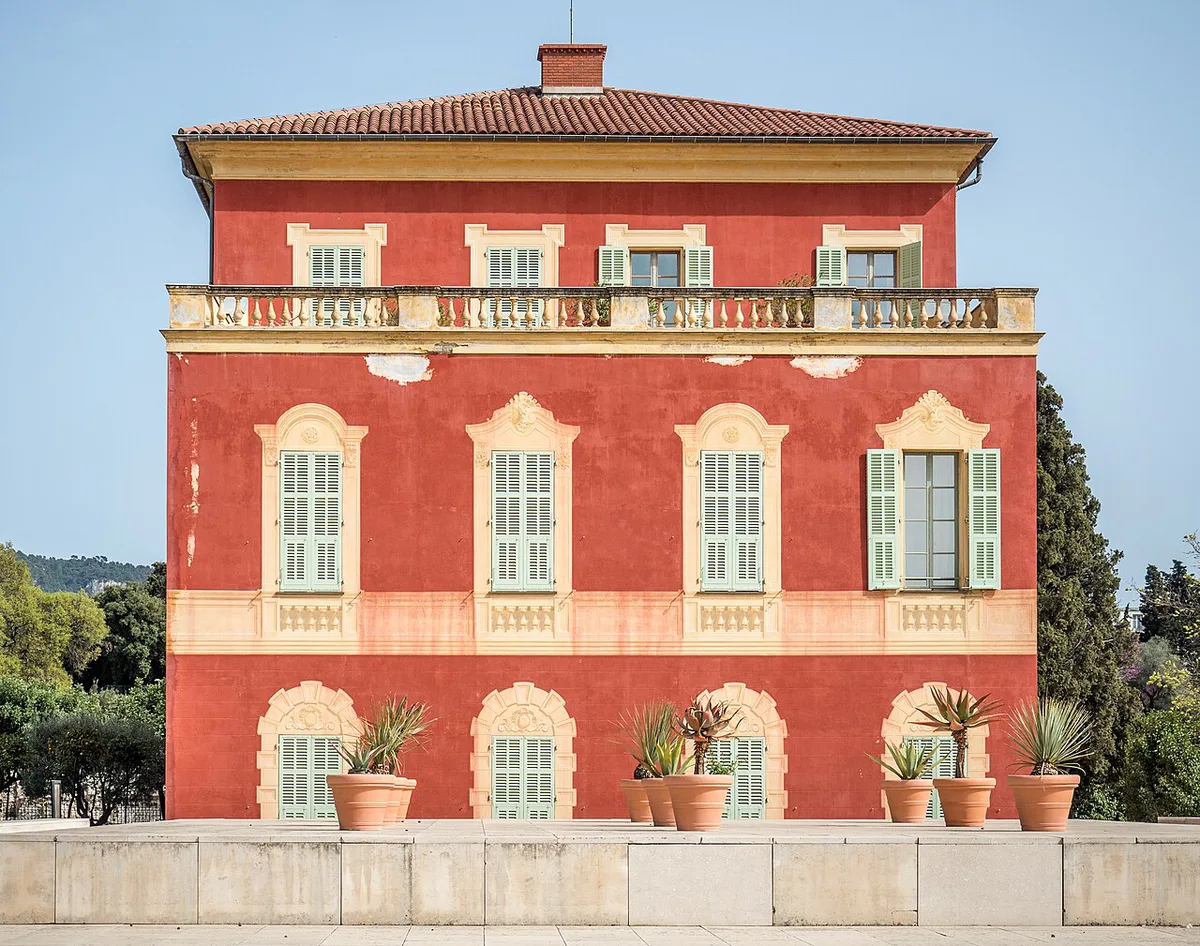
- Musée Matisse: a 17th-century mansion where Henri Matisse lived and worked for years; per current listings the museum is free to enter and displays many of his major works.
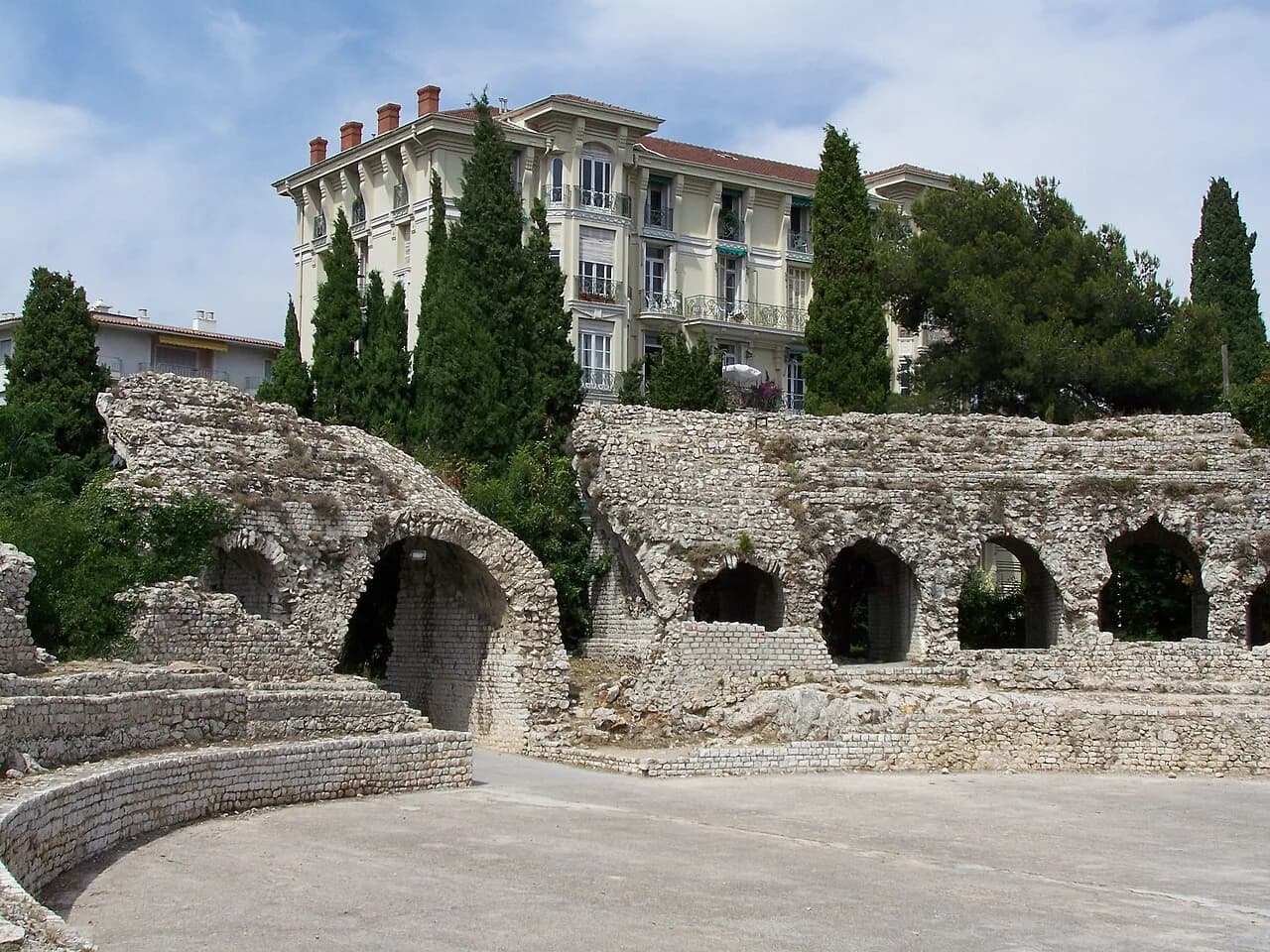
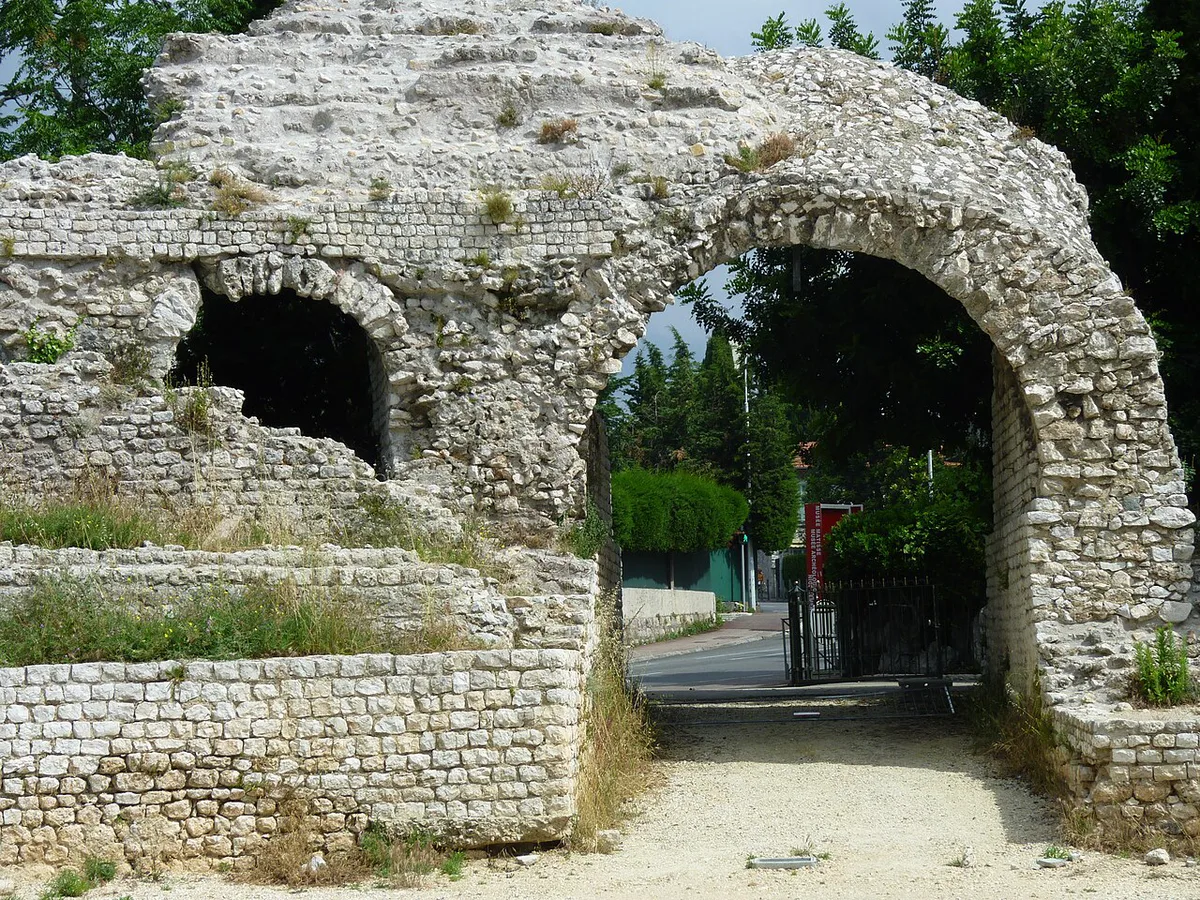
- Cemenelum Roman ruins: the Arènes de Cimiez amphitheater, Roman baths, and a paleochristian basilica sit inside the archaeological museum grounds, which is also free to enter.
- Monastery of Cimiez: a Franciscan site since the 16th century, with a small museum holding Renaissance-era works, including pieces attributed to Ludovico Brea, and gardens overlooking Nice.
- Henri Matisse's tomb: set in the monastery cemetery, a detail visitors who only tour the museum often miss entirely.
- Musée Chagall: the Marc Chagall national museum sits lower on the hill, worth adding if art is the main focus of the day.
The Belle Époque Legacy: Architecture and Queen Victoria
Cimiez's aristocratic reputation dates to the late 19th century, when European nobility wintered on the hill. The grandest facades line Boulevard de Cimiez and Avenue des Arènes de Cimiez. Queen Victoria stayed at the Hotel Regina during her visits to Nice. A statue of her still stands at the entrance, even though the building is no longer a hotel. Walking these two streets, rather than driving past them, is the way to see the wrought-iron balconies and cupolas up close.
How to Get to Cimiez from Central Nice
Cimiez sits roughly 1.2 miles (2km) uphill from Place Masséna, and the elevation gain is the detail most trip plans skip. Some guides call this a lovely stroll and downplay the grade. Treat that description with caution, since the route climbs steadily rather than gently. It runs uphill for about 20 to 30 minutes, passing Belle Époque buildings and garden walls the whole way. A Lignes d'Azur bus covers the same route with far less effort. Local routes are renumbered periodically, so confirm the current line before departure rather than relying on an older bus number. A rideshare or taxi is the fastest option for anyone short on time or mobility.
| Option | Time | Cost | Effort |
|---|---|---|---|
| Walking from Place Masséna | 20-30 minutes | Free | Steep climb the entire way |
| Lignes d'Azur bus | Faster than walking | One standard local fare; confirm the current route number first | Low |
| Taxi or rideshare | Quickest option | Several times the bus fare | Lowest |
Planning a Cimiez Itinerary: Order, Timing, and Trade-offs
Musée Chagall sits lower on the hill, while Musée Matisse and the monastery sit near the top. Visit Chagall first, then continue uphill to the Roman ruins, the Matisse museum, and the monastery gardens. That order avoids backtracking down and up the same streets. Adding the Chagall stop extends the day meaningfully, so travelers with limited time might skip it and focus on the ruins, Matisse museum, and monastery instead. Many French national museums close one weekday. Confirm the current closing days for both Chagall and Matisse directly before building a schedule around them in 2026. Budget at least three to four hours if all three main sites are on the list, longer if the monastery gardens invite lingering. Visiting outside peak season lines up with broader advice on the quietest time to visit Nice, when the gardens are close to empty.
- Start at Musée Chagall, near the base of the hill.
- Continue uphill to the Cemenelum Roman ruins and archaeological museum.
- Visit Musée Matisse, next to the ruins.
- Finish at the Monastery of Cimiez, ending with the gardens and Henri Matisse's tomb in the cemetery.
Where to Eat Near Cimiez
Cimiez is residential, not a dining district, so grab-and-go options are scarce compared with the center. Cafés near the Arènes de Cimiez park serve the surrounding apartments at lunchtime, but the choice narrows fast once tables fill. Don't arrive at 2:00pm expecting a wide range of open bistros. Plan lunch either before the climb or after descending back toward downtown. For a broader spread of kitchens, the Libération district keeps more tables open through the afternoon. Confirm hours for any specific address in advance, since neighborhood spots keep tighter, more variable schedules than restaurants in the center. For wider research on where to eat across the city, see well-reviewed restaurants in Nice and what and where to eat in Nice.
Cimiez vs. Vieux Nice: Which Fits the Trip
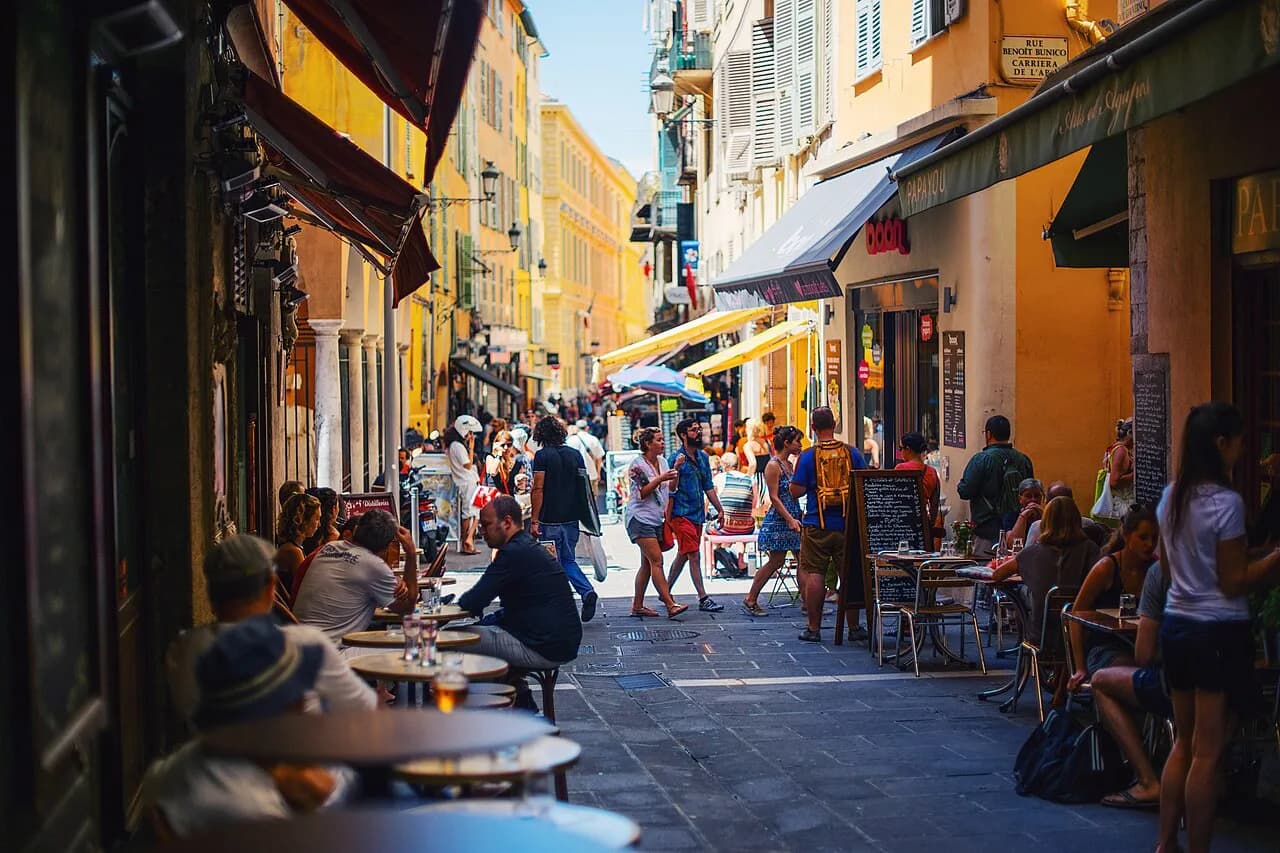
Vieux Nice sits at sea level and stays walkable from the Promenade in minutes. Cimiez requires the climb, or a bus ride, described above before the first museum door opens. Vieux Nice is dense with market stalls, restaurants, and street life at ground level. Cimiez is elevated, residential, and organized around museums and gardens rather than shopping streets. Pick Cimiez for a morning of Roman history and Matisse's work without crowds. Pick Vieux Nice for food markets and nightlife instead. Many visitors pair a Cimiez morning with a Vieux Nice evening, since the crowd and mood shift completely between the two. For a wider comparison of the city's districts, how Nice's districts compare breaks down which quarter fits which trip style.
Mistakes to Avoid When Visiting Cimiez
A few planning missteps come up often enough to flag directly:
- Arriving on the wrong day: many French national museums close one weekday each. Confirm current closing days for Musée Chagall and Musée Matisse before setting the schedule.
- Dressing for the beach: Cimiez is an upscale, residential, and partly religious area. Pack slightly more modest clothing for the Monastery than for the Promenade.
- Expecting lunch on demand: dining options thin out fast outside standard meal windows, especially compared with Libération.
- Assuming Cimiez is a beach base: the coast sits well below the hill, several miles away by distance, not a walkable add-on to a museum morning.
- Skipping hours checks for the monastery church: religious sites sometimes adjust visiting hours for services, so confirm current hours directly rather than assuming a standard museum schedule.
Beyond the Hill: Nearby Highlights and Day Trips
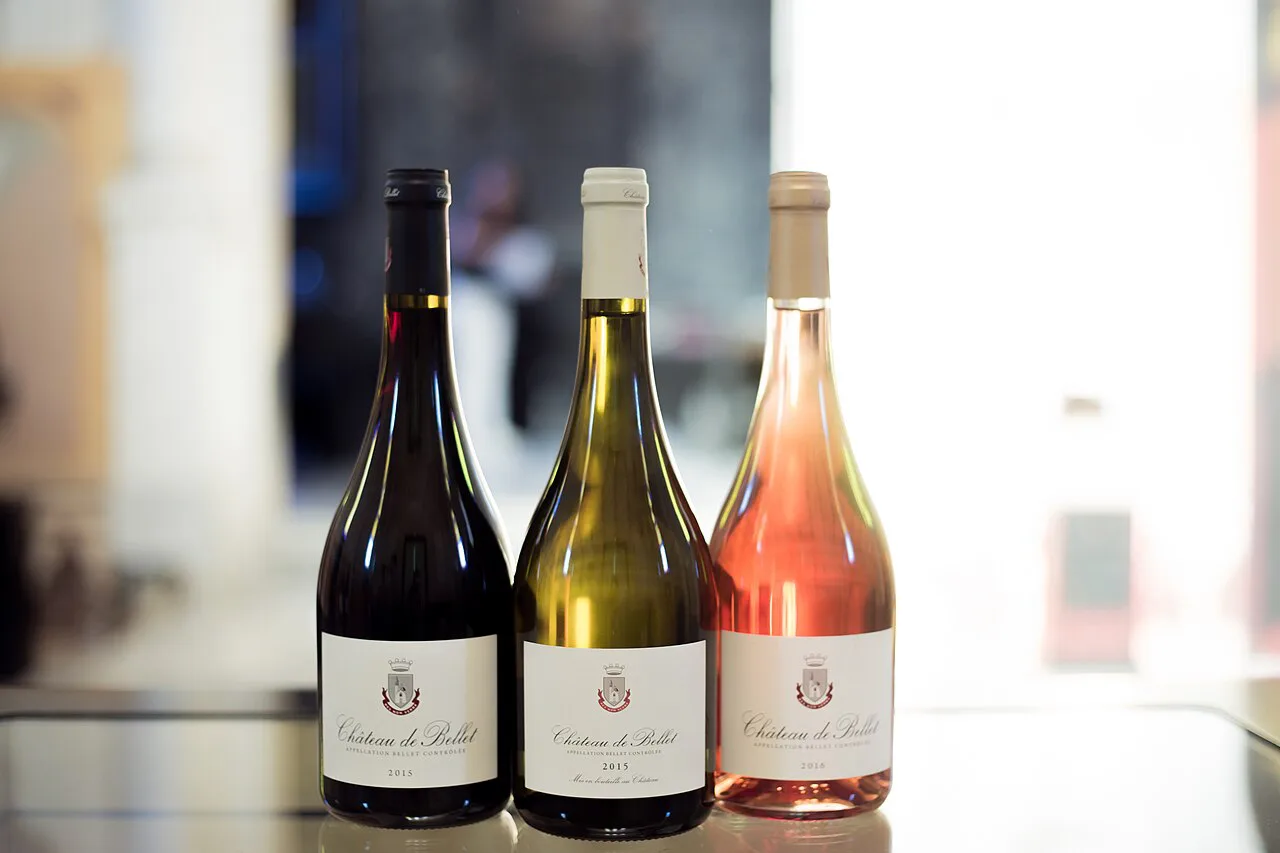
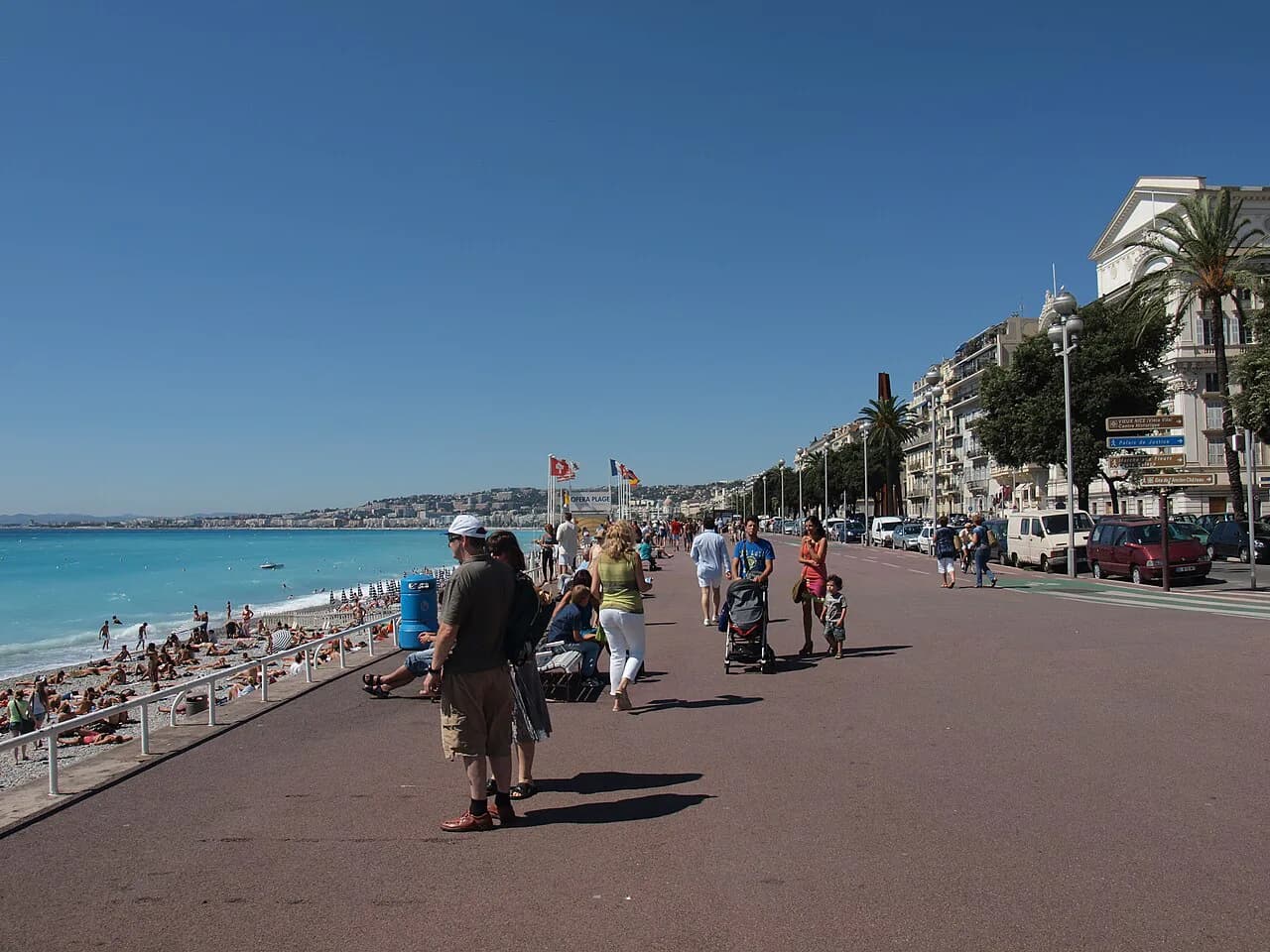
Cimiez isn't a beach neighborhood, even though some guides list the coast as nearby. Coco Beach sits roughly 2 miles from the hill, at a much lower elevation. The Promenade des Anglais beach sits about 1.7 miles away, and Lenval beach about 2.5 miles away, both considerably lower than Cimiez. Treat the coast as a separate outing rather than a stop on the same day as the museums. Travelers who want another hill for the view can compare Cimiez with the Château hill viewpoint. Those chasing another low-key residential pocket can check Le Piol. The Bellet wine country lies in the hills outside central Nice, a different kind of day trip from a coastal beach run, and it pairs well with the wider day-trip options from Nice guide.
The hilltop elevation that makes Cimiez special—quiet gardens, museums, Roman ruins—places beaches 1.7–2.5 miles downhill. Budget beach time as a separate outing, not a supplement to a museum morning.
Where to Stay in Cimiez
Cimiez suits travelers seeking quiet evenings, historic surroundings, and easy access to museums. It is less convenient for beaches, nightlife, or spontaneous restaurant choices.
Accommodation is limited compared with Vieux Nice and the city center. Many local options are apartment rentals inside residential buildings rather than full-service hotels. Check whether a property has air conditioning, an elevator, and nearby bus access before booking.
The former Hotel Regina is a prominent Belle Époque landmark, but it now contains private residences. Do not mistake its historic name for a bookable hotel.
Staying near Boulevard de Cimiez provides the simplest route toward the Musée Matisse, Roman ruins, and monastery. Properties lower on the hill offer easier access to Musée Chagall and central Nice.
Visitors without a car should prioritize accommodation near a current Lignes d’Azur stop. Walking home from the center involves a sustained uphill climb. Confirm late-evening transport schedules if dinner or nightlife in Vieux Nice forms part of the plan.
Further reading: Nice on Wikivoyage · Nice on Wikipedia
Frequently Asked Questions
How far is Cimiez from central Nice, and how long does it take to get there?
Cimiez sits roughly 1.2 miles (2km) uphill from Place Masséna. Walking takes about 20 to 30 minutes on a steady climb, while a Lignes d'Azur bus covers the same route with far less effort. Check the current route number before setting off, since local bus lines are renumbered periodically.
Are the Musée Matisse and the Roman ruins free to visit?
Per current listings, yes. Both the Musée Matisse and the archaeological museum on the Cemenelum ruins site are free to enter. The Musée national Marc Chagall is a separate, ticketed national museum, so check its official site for current pricing before visiting.
Which day should visitors avoid when planning a Cimiez museum day?
Many French national museums close one weekday. Confirm the current closing days for the Chagall and Matisse museums directly before building an itinerary around them, since specific closure days can change.
Is Cimiez a good base for beach time in Nice?
No. Cimiez sits well above sea level, and the nearest beaches, including Coco Beach, are roughly 1.7 to 2.5 miles away and sit at a much lower elevation. Plan it as a museum-and-history morning, then head down separately for the coast.
How much time should visitors plan for a half day in Cimiez?
Budget at least three to four hours for the Roman ruins, the Musée Matisse, and the Monastery of Cimiez together, plus more if the monastery gardens invite lingering or the Musée Chagall is added at the bottom of the hill.
Continue exploring
More guides you'll find useful