Nice Neighborhoods Guide: Where to Stay & Explore in Nice, France
A neighborhoods guide to Nice, France, covering Vieux Nice, Le Port, Cimiez, and Liberation, so you can pick the right district to stay.
On this page
Nice Neighborhoods Guide: Best Districts for Every Traveler
Last updated July 2026, this nice neighborhoods guide breaks down where to stay in Nice, France, district by district. Vieux Nice suits first-time visitors who want cafes and the sea within walking distance, while Cimiez and Le Piol trade nightlife noise for quiet, hillside streets. Use the breakdown below to match your travel style to the right district, from market mornings in Liberation to sea-view balconies on the Promenade des Anglais.
Overview: How to Use This Nice Neighborhoods Guide
Nice divides into distinct districts shaped by two things: elevation and distance from the Mediterranean Sea. Flat, central areas like Vieux Nice and the Promenade des Anglais sit within walking distance of the water and the tram network. Hillside districts like Cimiez and Le Piol trade that convenience for quieter streets and lower foot traffic. Decide first whether nightlife should be within walking distance or a short bus ride away. The companion guides on 16 Hidden Gems in Nice: Local Secrets and Quiet Spots (2026 Guide) and Secret Spots in Nice: A 2026 Guide to the City's Quiet Corners cover spots beyond the districts below.
Vieux Nice appeals to first-time visitors for beach and nightlife proximity, but its pedestrian-only medieval core prevents curbside hotel drop-off and its late-night terrace crowds require specific room placement for any hope of sleep.
- Best for first-timers: Vieux Nice
- Best for foodie mornings: Liberation
- Best for museums and quiet: Cimiez
- Best for budget, residential stays: Le Piol and Gambetta
- Best for sea views and shopping: Carré d'Or and the Promenade des Anglais
- Best for coastal walks: Mont Boron and Coco Beach

Vieux Nice (The Old Town): History, Markets, and Late-Night Noise
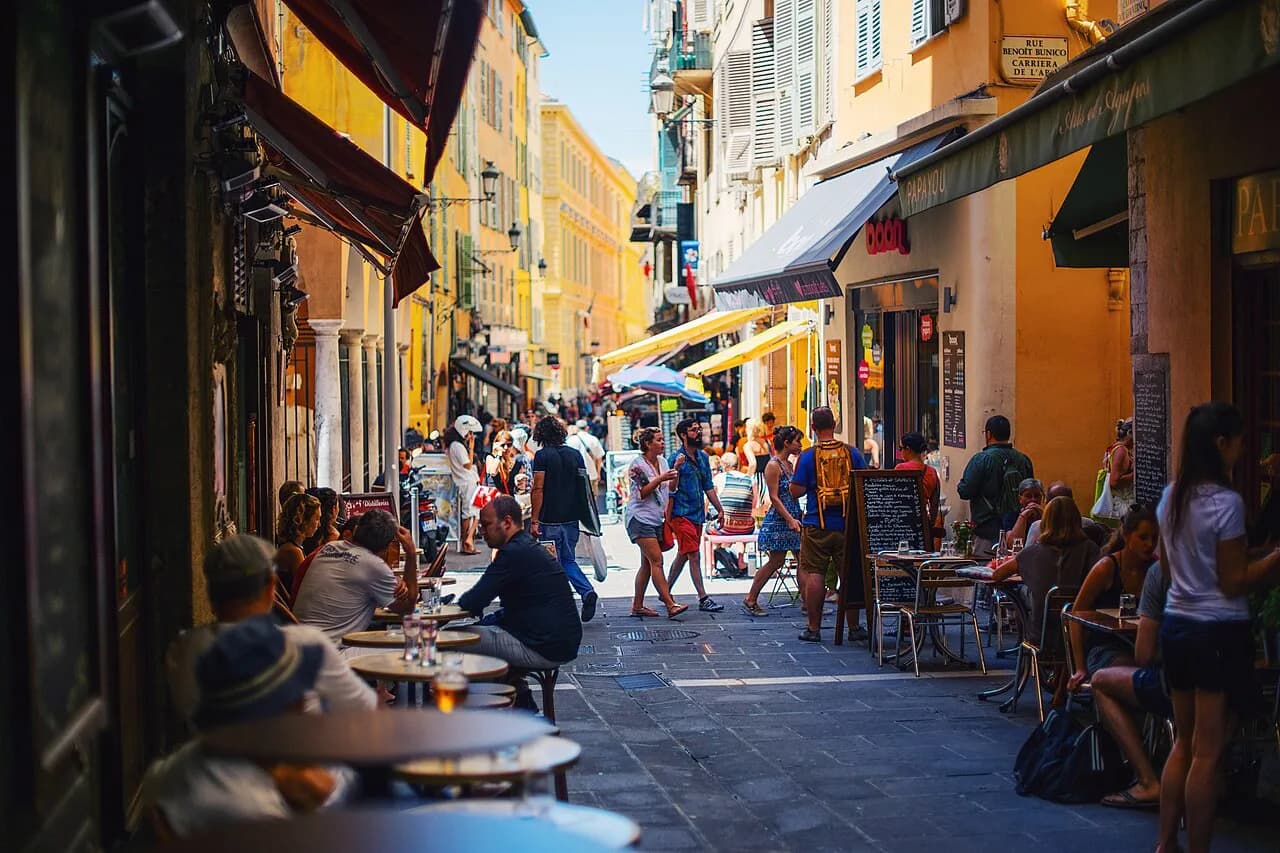
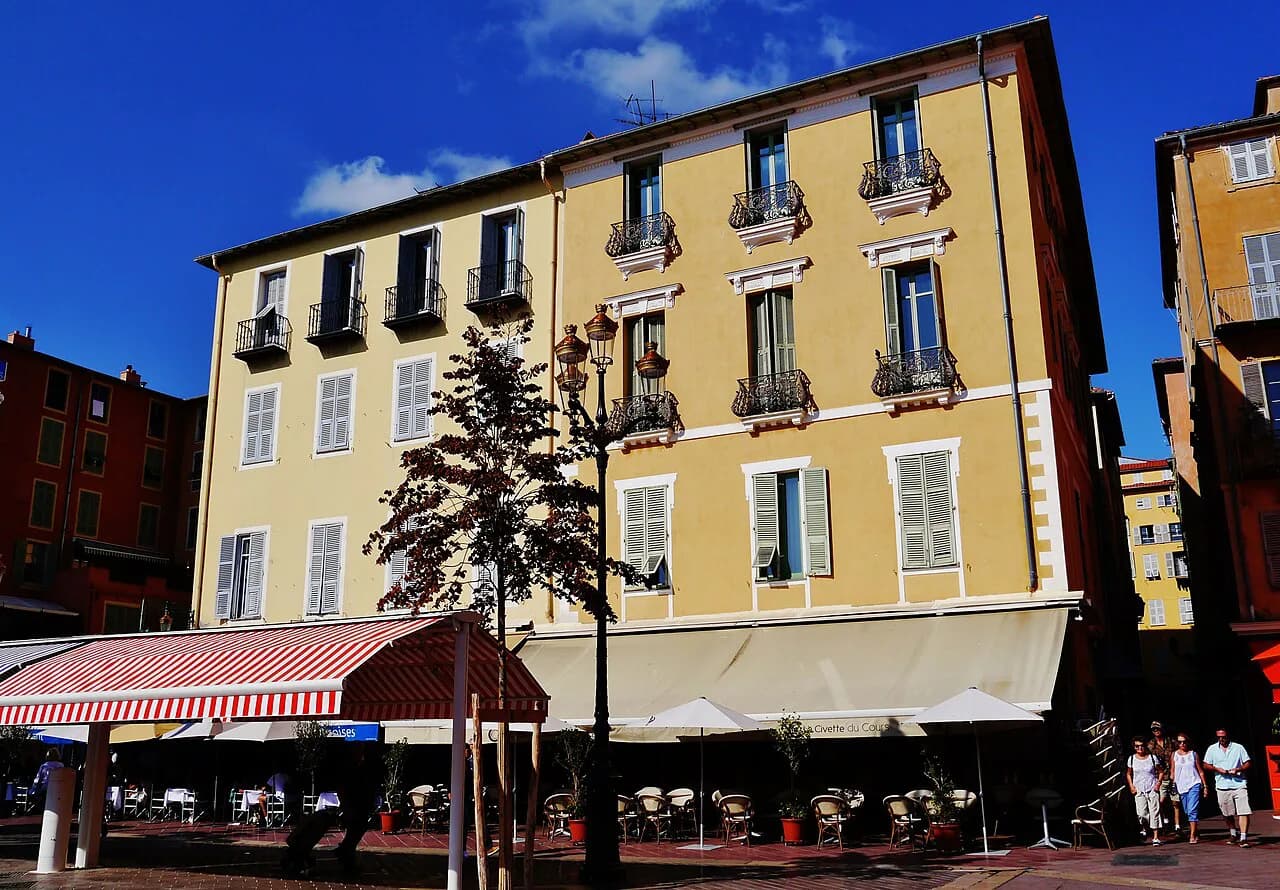
Vieux Nice is the city's medieval old town, a grid of pastel buildings and narrow pedestrian lanes between the Promenade des Anglais and Castle Hill. Cours Saleya hosts a flower and produce market on most mornings, Tuesday through Sunday, then fills with restaurant terraces by evening. Nightlife runs late near Rue de la Préfecture and Place Rossetti, so light sleepers should ask for a room away from the main squares. Much of the core is pedestrian-only, which rules out curbside luggage drop-off at your hotel door. For a street-by-street breakdown, see the Vieux Nice neighborhood guide, and pair a market morning with the climb up Castle Hill for views over the bay.
- Pro: walking distance to the beach and the Promenade des Anglais
- Pro: Cours Saleya market runs mornings, Tuesday to Sunday
- Con: pedestrian lanes mean no direct vehicle drop-off
- Con: cafe and bar noise carries late into the squares
Le Port (Port Lympia): Colorful Quays and Local Dining
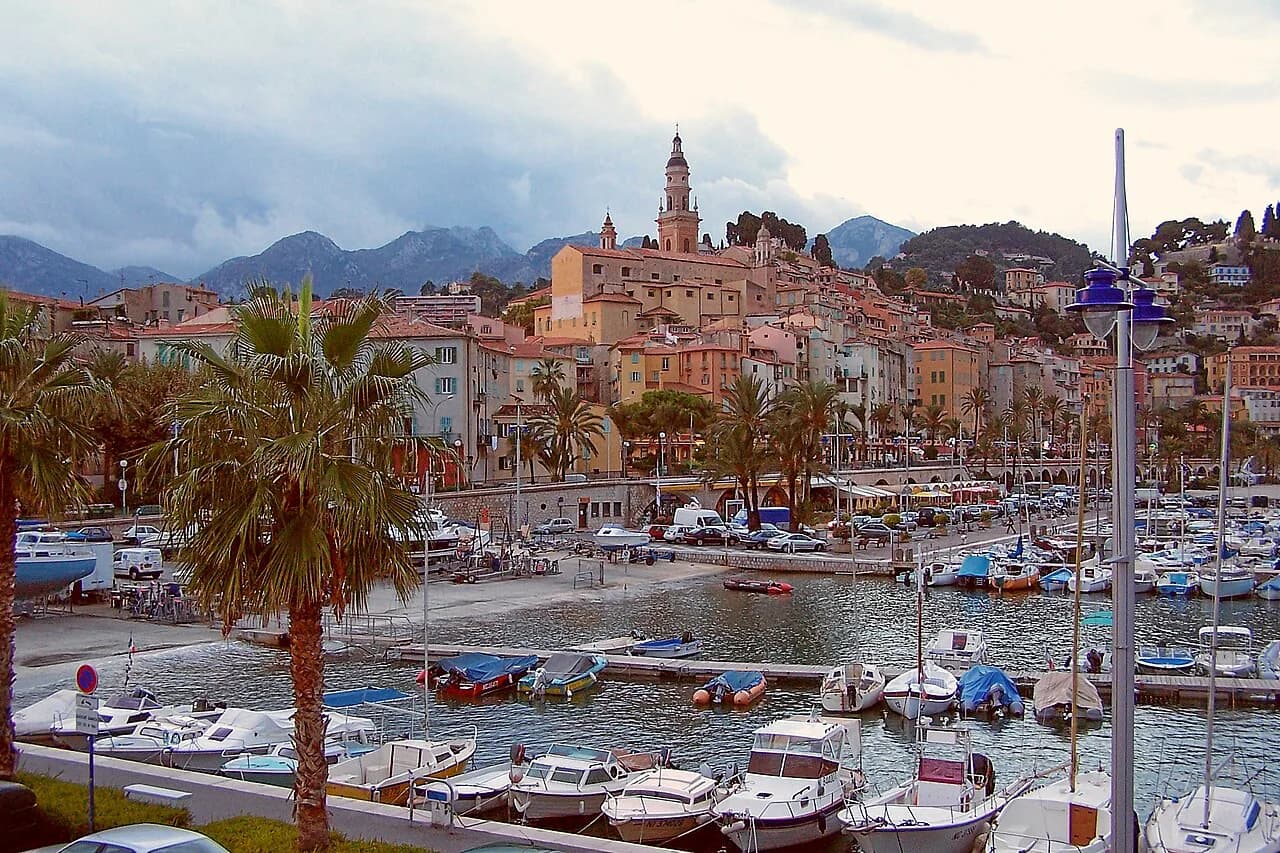
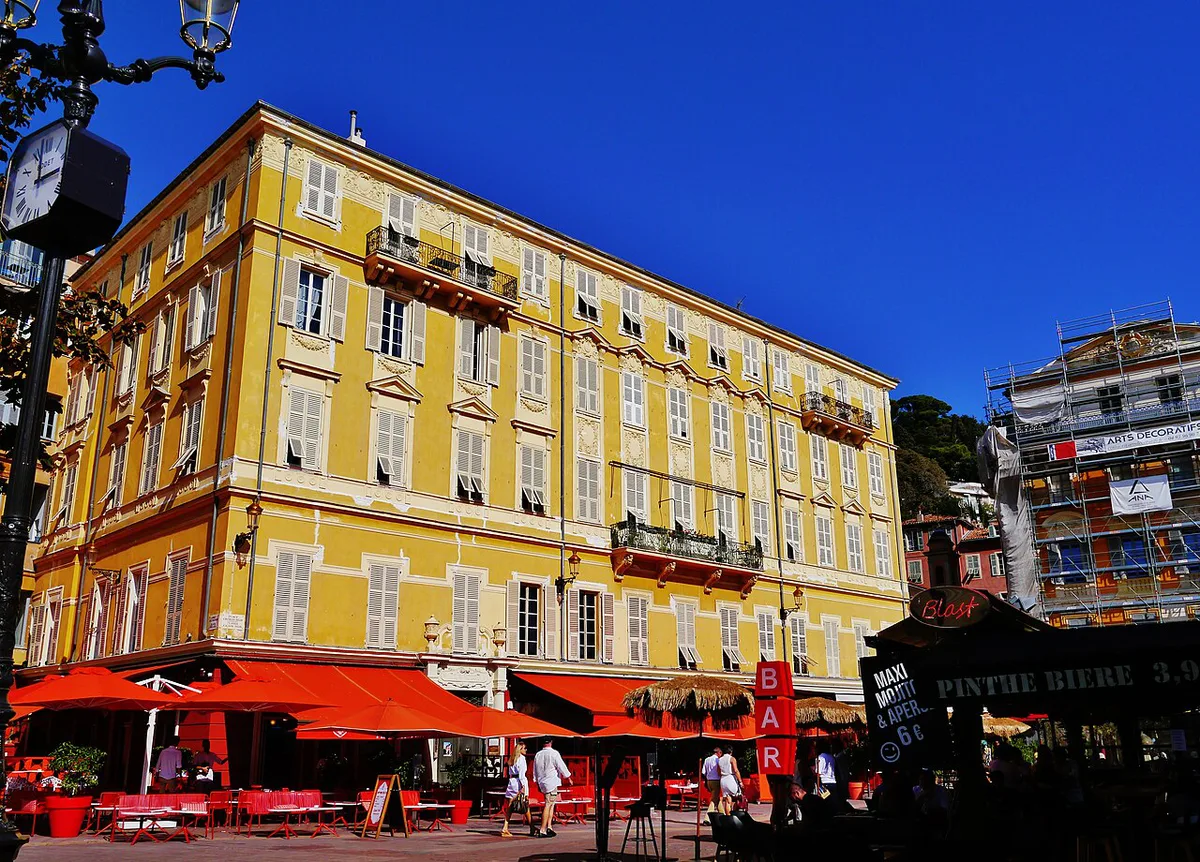
Port Lympia is Nice's working harbor, lined with pastel 18th-century facades and used by ferries to Corsica alongside private boats. The quays carry less foot traffic than Vieux Nice, with a resident population and a dining scene built around fish restaurants and wine bars. Rue Bonaparte and the streets around Place Île de Beauté hold the highest concentration of restaurants in the district. Le Port sits on the T2 tram line, the same line that serves Nice Côte d'Azur Airport, so it works well for travelers arriving by plane who want to skip a transfer. Cross-reference the Le Port neighborhood guide and the best local restaurants in Nice before booking a table.
Cimiez: Roman Hill, Museums, and Uphill Quiet
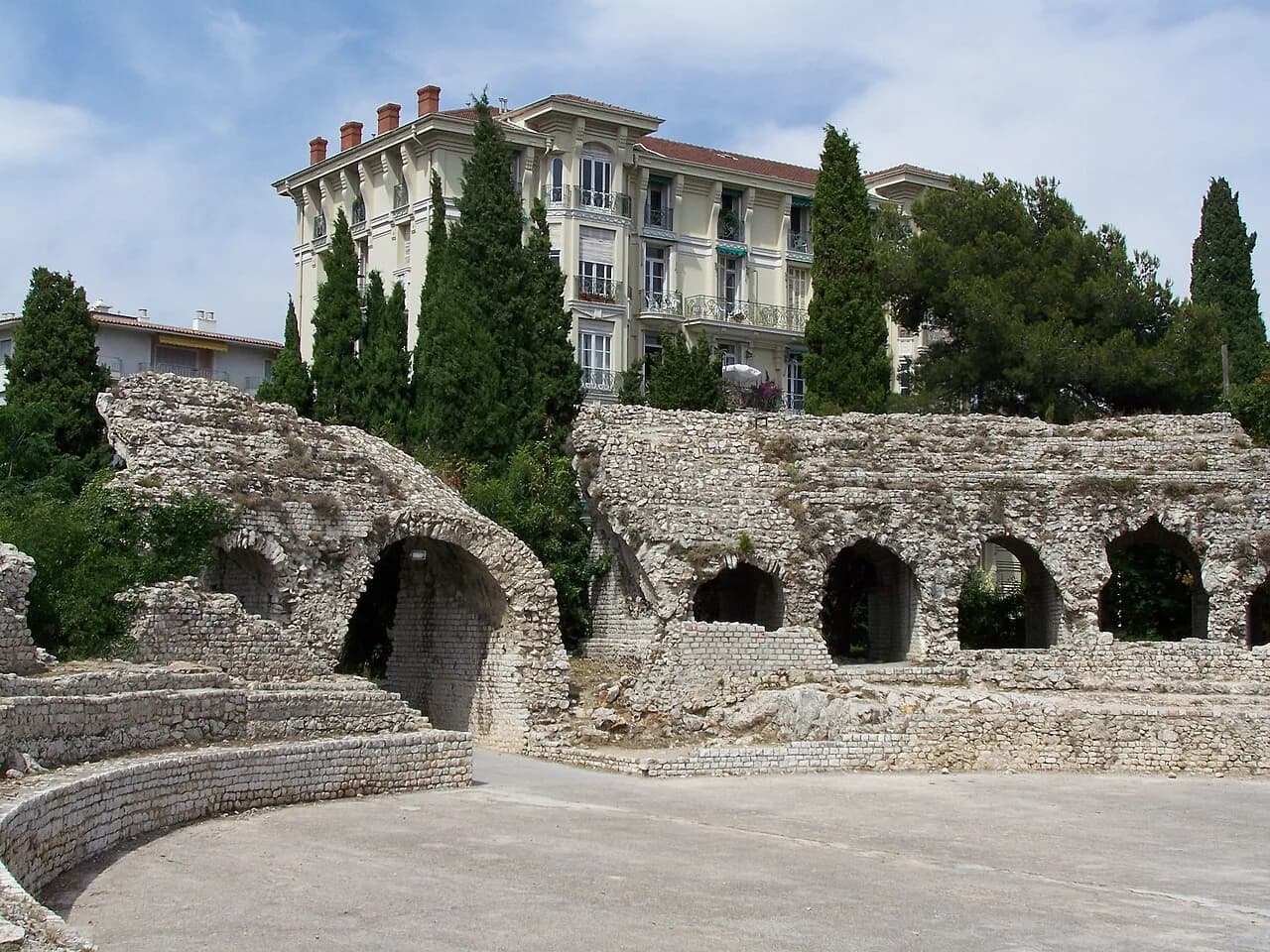
Cimiez sits on a hill above central Nice, built around Roman ruins, olive groves, and two major museums, the Matisse Museum and the Marc Chagall National Museum. Wide 20th-century apartment buildings replace Vieux Nice's cobblestones, and the pace slows down: fewer bars, more parks, and a resident population that includes families. The hill is the tradeoff. Cimiez is not walkable to the beach, so plan on a bus ride rather than a stroll along the Promenade. That distance from the center is also what keeps the district quiet after dark. See the Cimiez neighborhood guide for museum details and the olive grove paths.
Liberation: Market Mornings and an Authentic Local Base
Liberation sits north of the train station, built around the Marché de la Libération, a covered and open-air market that runs mornings, Tuesday through Sunday. This is where Nice residents shop, not where tour groups gather, and the district's cafes and bakeries price accordingly. It's flatter than Cimiez and closer to the center than Le Piol, making it walkable to both the station and Vieux Nice. The tradeoff is fewer sea views and a shorter list of postcard landmarks. For a food-first stay anchored here, pair the Liberation neighborhood guide with the Nice local food guide.
Le Piol and Gambetta: Residential Calm and Budget-Friendly Stays
Le Piol climbs the hillside northwest of the center, a residential district with fewer hotels and lower nightly rates than the coastal neighborhoods. Gambetta, its flatter neighbor closer to the Promenade, offers a similar value tradeoff with an easier walk to the beach. Both districts sit outside the main tourist circuit, so expect longer walks or a bus ride to reach Vieux Nice and Cours Saleya. That distance from the center is what keeps accommodation costs lower than Carré d'Or or the seafront. Longer stays and families looking for a residential base can start with the Le Piol neighborhood guide.
Promenade des Anglais and Carré d'Or: Sea Views and Luxury Shopping
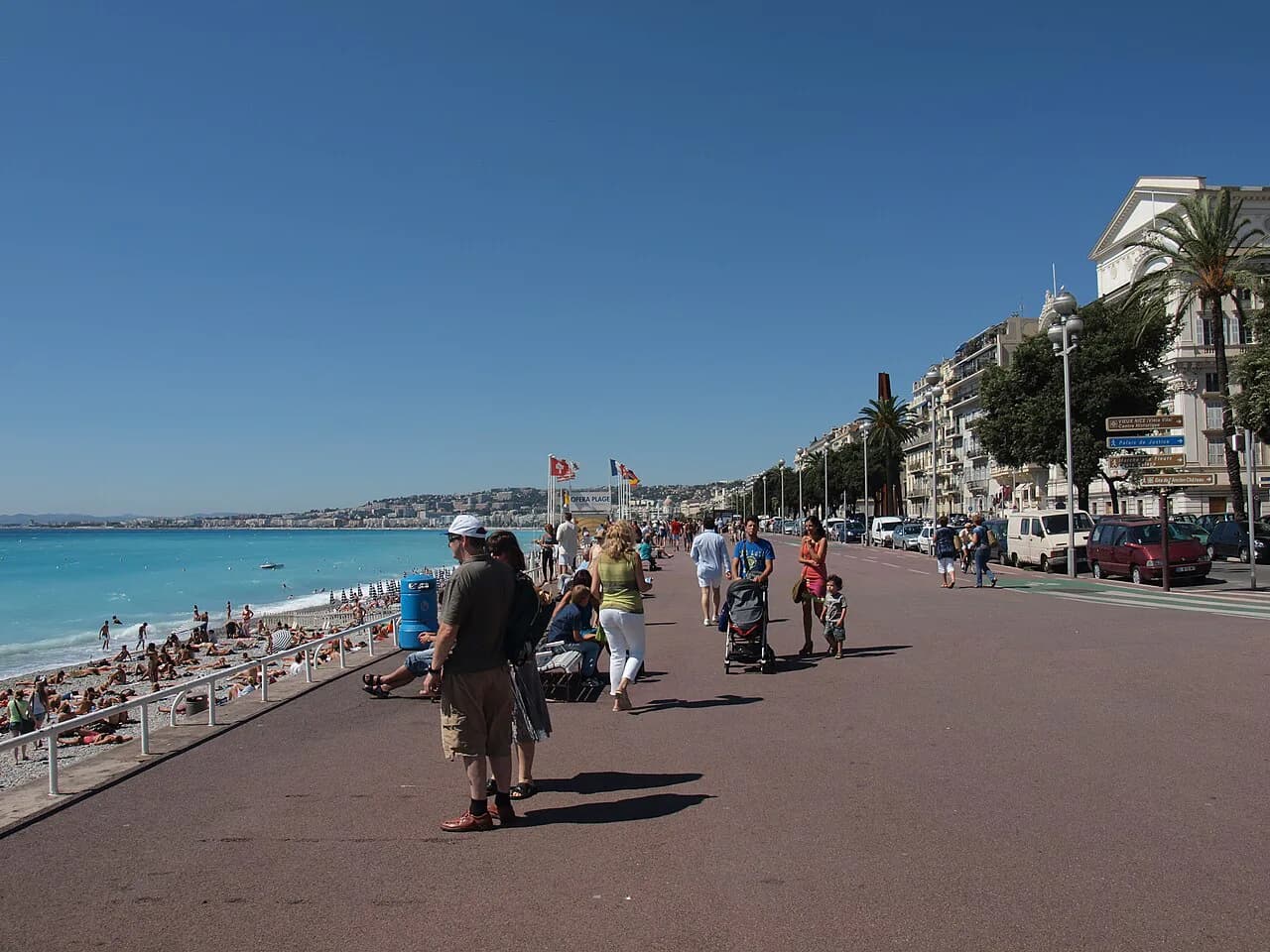
The Promenade des Anglais is Nice's seafront boulevard, and hotels lining it deliver direct Mediterranean views along with the highest nightly rates in the city. Carré d'Or sits just inland, a grid of 19th-century buildings holding the city's designer boutiques and higher-end restaurants. Both districts are flat and walkable, with quick access to the beach, the cycling path, and central tram stops. Expect a price tier well above Liberation or Le Piol in exchange for a sea-facing balcony and a short walk to Vieux Nice.
Mont Boron and Coco Beach: Coastal Walks and Elevated Views
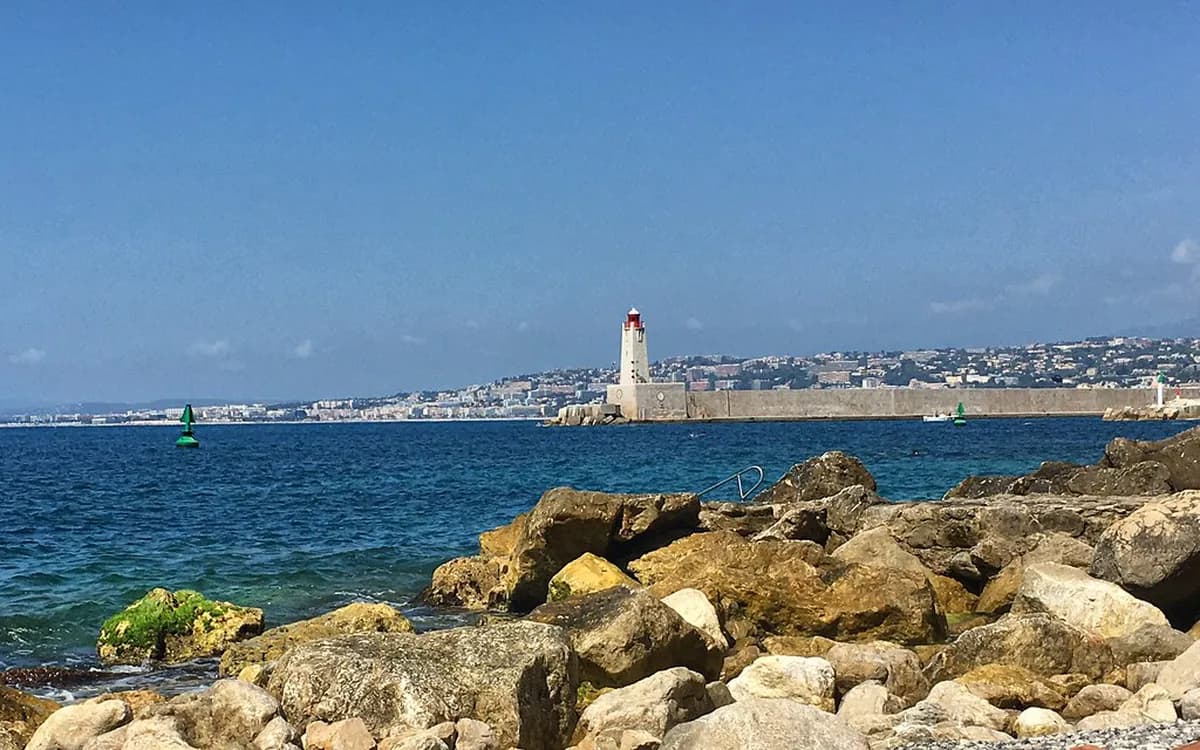
Mont Boron rises on the coast east of Port Lympia, a hillside area known for walking paths and views back over the harbor and the Baie des Anges. Coco Beach sits at the base of the hill, a small rocky cove used more by residents than the hotel crowd along the Promenade. The district is largely residential, with far fewer restaurants than Le Port or Vieux Nice, so most visitors treat it as a coastal walk rather than a home base. It connects to Le Port and the center by local bus rather than tram. See the Coco Beach guide for the walking route and best viewpoints.
How to Choose Your Neighborhood: Decision Criteria
Three factors decide which Nice neighborhood fits a given trip: elevation, noise type, and transport access. Hillside districts such as Cimiez and Le Piol sit above the flat center, so factor in a bus ride rather than a walk to the beach. Noise splits into two types: the late-night terrace noise of Vieux Nice, and the early-morning market noise of Liberation and Cours Saleya. Travelers who'd rather base outside the center entirely can look inland toward Bellet's vineyards. That area suits a day trip better than a multi-night stay, so pair it with other routes from the best day trips from Nice. The table below matches each district to a traveler type.
Three hillside neighborhoods—Cimiez, Le Piol, and Mont Boron—have no direct tram access and rely solely on bus routes. Quiet streets gain from distance from the center, but plan to check evening bus frequency for short stays.
| Neighborhood | Best For | Terrain | Noise Type |
|---|---|---|---|
| Vieux Nice | First-time visitors, nightlife | Flat, pedestrian core | Late-night terraces |
| Le Port | Foodies, ferry travelers | Flat | Local, moderate |
| Cimiez | Museums, families wanting quiet | Hilly | Low |
| Liberation | Market-focused, authentic stays | Flat | Early-morning market |
| Le Piol & Gambetta | Budget stays, residential calm | Hilly (Le Piol), flatter (Gambetta) | Low |
| Promenade & Carré d'Or | Luxury, sea views | Flat | Traffic, moderate |
| Mont Boron & Coco Beach | Coastal walks, day visits | Hilly | Low |
Getting Around: Trams, Buses, and the Hill Factor
Nice runs its public transport under the Lignes d'Azur brand, combining tram and bus routes across the city. The T2 tram line connects Nice Côte d'Azur Airport to Port Lympia, running along the Promenade des Anglais, so Le Port and the seafront district both sit on a direct airport line. T1, the city's original tram line, runs through the central corridor near the train station and Masséna. Hillside districts skip the tram network: Cimiez, Le Piol, and Mont Boron rely on bus routes instead, so check bus frequency before booking a hillside stay for a short trip.
- T2 tram: Nice Côte d'Azur Airport to Port Lympia, via the Promenade des Anglais
- T1 tram: central corridor near the train station and Masséna
- Cimiez, Le Piol, Mont Boron: bus routes only, no direct tram stop
- Vieux Nice core: pedestrian-only streets, no vehicle drop-off
Common Mistakes to Avoid When Choosing a Base in Nice
A few planning mistakes come up often when travelers choose where to stay in Nice.
- Booking in Vieux Nice and expecting a quiet night — ask for a room off Cours Saleya and Place Rossetti instead.
- Choosing a hillside base like Cimiez without checking bus frequency after dark.
- Assuming every district is walkable to the Promenade; Cimiez, Le Piol, and Mont Boron are not.
- Visiting at peak season without checking the best time to visit Nice to avoid the largest crowds.
- Sticking only to Vieux Nice and missing off-the-beaten-path spots in Nice or 10 Unique Things to Do in Nice: A 2026 Local Guide.
- Skipping no-cost options — pair a neighborhood stay with Free Things to Do in Nice, France: The Complete 2026 Budget Guide to balance a tighter budget.
Further reading: Nice on Wikivoyage · Nice on Wikipedia
Frequently Asked Questions
Which neighborhood is best for first-time visitors to Nice?
Vieux Nice, for walking distance to the beach, restaurants, and the main sights. Ask for a room away from Cours Saleya or Place Rossetti to avoid late-night terrace noise.
Where should you stay in Nice for a local, non-touristy base?
Liberation is built around the Marché de la Libération, a market that runs mornings, Tuesday through Sunday, and draws residents rather than tour groups.
Is Nice easy to get around without a car?
Yes. The T2 tram connects Nice Côte d'Azur Airport to Port Lympia via the Promenade des Anglais, and T1 runs through the central corridor. Hillside districts like Cimiez and Le Piol rely on bus routes instead.
Which Nice neighborhoods involve the most walking uphill?
Cimiez and Le Piol both sit on hills above the center. Factor in a bus transfer if mobility or luggage is a concern.
When should you visit Nice to avoid the biggest crowds?
Check the best time to visit Nice for a season-by-season breakdown before booking a hillside or central stay.
Continue exploring
More guides you'll find useful