Nice Local Food Guide: Cuisine Nissarde, Socca and Where to Eat
Use this Nice local food guide to eat Cuisine Nissarde right: socca in Vieux Nice, the Libération market, and Bellet AOC wine, without the tourist-menu traps.
On this page
Nice Local Food Guide: What to Eat and Where to Find It
Last updated July 2026, this Nice local food guide separates Cuisine Nissarde from the tourist-menu socca stalls lining Cours Saleya. Nice's food culture reads as Mediterranean-Alpine rather than simply French, built on chickpea flour, olive oil, anchovies and a wine appellation grown inside the city limits. Use it to find where the Cuisine Nissarde label still applies this year, which market locals actually shop at, and what a Salade Niçoise looks like without cooked vegetables on the plate.
This Nice Local Food Guide Starts With Cuisine Nissarde
Cuisine Nissarde is an official label, not a marketing phrase. Restaurants apply each year to prove they cook a defined list of traditional recipes made with regional ingredients. A small window sticker or plaque signals current certification, and the list of qualifying dishes is fixed by the certifying body rather than left to a chef's interpretation. Because the label renews annually, confirm the current year's sticker before you sit down; a sticker from two years ago proves nothing current. In Nice, local cooking means a Mediterranean-Alpine mix, not simply French food. Chickpea flour, olive oil and anchovies from the coast meet herbs, game and cheese from the hills above town. That mix shows up in almost every dish covered below: socca leans on chickpea flour and olive oil, while trouchia leans on the herb side of the pantry. Many visitors never look past the seafront terraces, where menus repeat the same few dishes at similar prices regardless of quality. Some of the steadiest Cuisine Nissarde kitchens sit away from that strip entirely, including addresses around Place Garibaldi. These are not secret in the sense of being unlisted; they are simply outside the obvious tourist walking routes. For a shortlist of these spots, see this guide to lesser-known Nice addresses, which covers several dining rooms alongside other overlooked corners of the city.
Must-Try Niçois Specialties: Socca, Pissaladière, Pan Bagnat and Trouchia
Five dishes define a Niçois table, and each one has a correct way to be eaten. Getting the order or the utensils wrong is a quick tell that a kitchen is playing to tourists rather than serving its own regulars. The Salade Niçoise point below is worth repeating, because it is the most argued-over dish on the list: international versions add cooked green beans, boiled potatoes, or both, while the Niçois original skips both and stays raw and simple. If a menu lists green beans in its Salade Niçoise, treat that as one data point about the kitchen rather than a dealbreaker on its own.
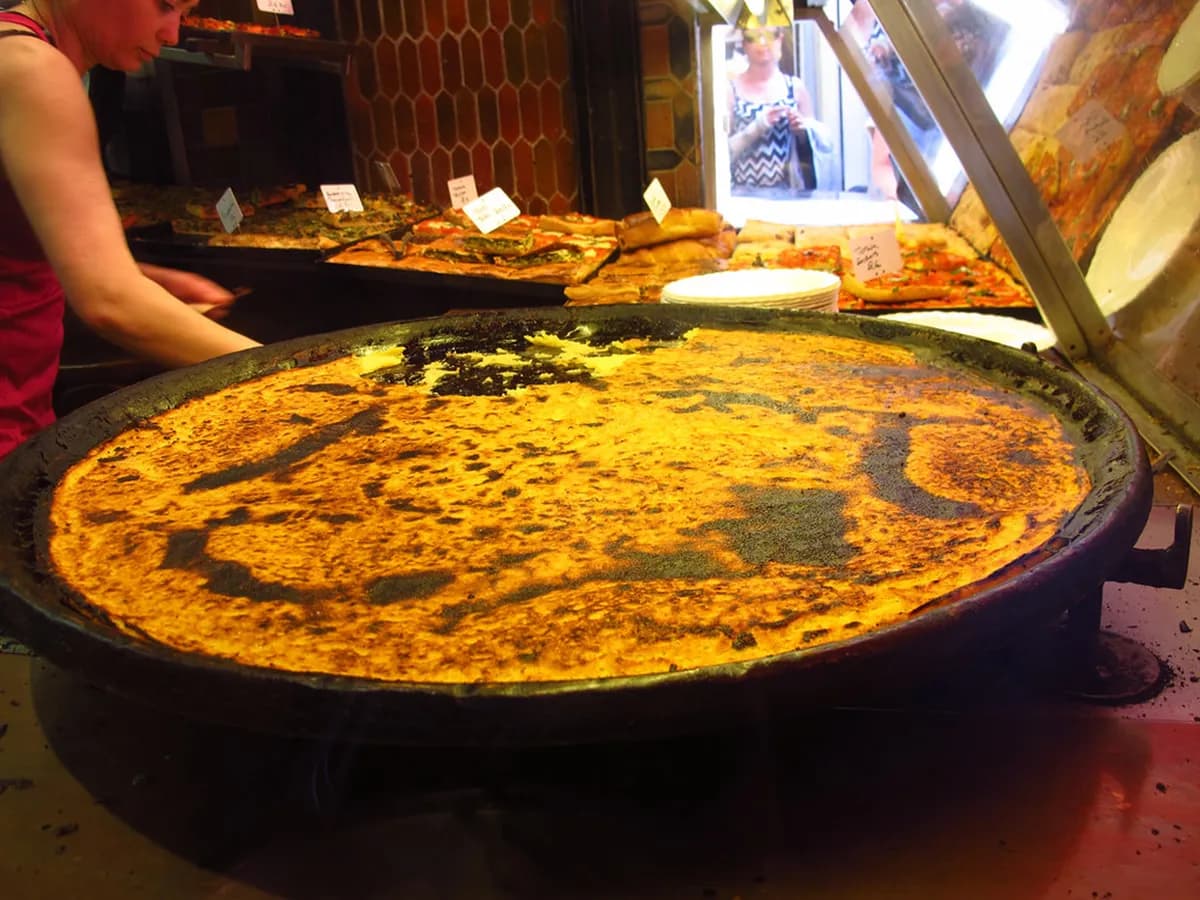
- Socca — a chickpea-flour pancake cooked on a wood-fired griddle, torn off by hand with no cutlery. A portion typically costs €3 to €5 from a street stand.
- Pissaladière — a slow-cooked onion tart finished with anchovy and black olive, usually sold by the slice from a bakery counter rather than as a plated course.
- Pan Bagnat — a round bread packed with tuna, hard-boiled egg, olives and raw vegetables. It is essentially a Salade Niçoise built into a sandwich, made to travel.
- Trouchia — a thick herb omelette served cold, cut into wedges as a starter or picnic food rather than a hot breakfast dish.
- Salade Niçoise, the authentic version — tomato, egg, olives, and anchovy or tuna, with raw vegetables only. Cooked green beans or potatoes on the plate mark a tourist menu, not a Niçois one.
Cours Saleya vs Marché de la Libération: Where Locals Actually Shop
Cours Saleya sits inside Vieux Nice and draws the heaviest tourist traffic of any market in the city. Flower stalls, prepared socca and pissaladière stands line the square, priced for visitors rather than for weekly grocery runs. It doubles as a flower market and does sell genuine Niçois specialties, so it is not a trap exactly; it is simply the more expensive option. Marché de la Libération sits in a separate residential district and is reachable by tram. It is where Niçois households buy everyday produce, bread and prepared foods, and prices run lower because stallholders are not competing for camera angles. Neither market is wrong to visit; they answer different questions. Cours Saleya answers a question about setting. Marché de la Libération answers a question about where residents actually shop. For stall-by-stall detail on the local option, see this guide to Marché de la Libération.
| Market | Best For | Access |
|---|---|---|
| Cours Saleya | Photos, flowers, prepared Niçois specialties | Central Vieux Nice |
| Marché de la Libération | Everyday produce, lower prices, resident shopping | Reachable by tram |
Where to Eat by Neighborhood: Vieux Nice, Le Port and Libération
Nice's food identity splits across three districts, and each rewards a different style of eating. Picking a district first, then a restaurant, tends to work better than picking one famous address and hoping the neighborhood around it delivers too. None of these three districts is a compromise pick. Vieux Nice suits a first visit built around walking and grazing. Le Port suits a sit-down dinner near the working harbor. Libération suits a lunch built around whatever the market stalls have that morning. For specific venue picks in any of these districts, this guide to Nice's best local restaurants lists Cuisine Nissarde-certified addresses by name, rather than leaving the search to chance.
Vieux Nice's socca stands offer the same food to locals and tourists, but locals eat it hot by hand straight off the pan—a detail that marks authentic Niçois dining from tourist meals.
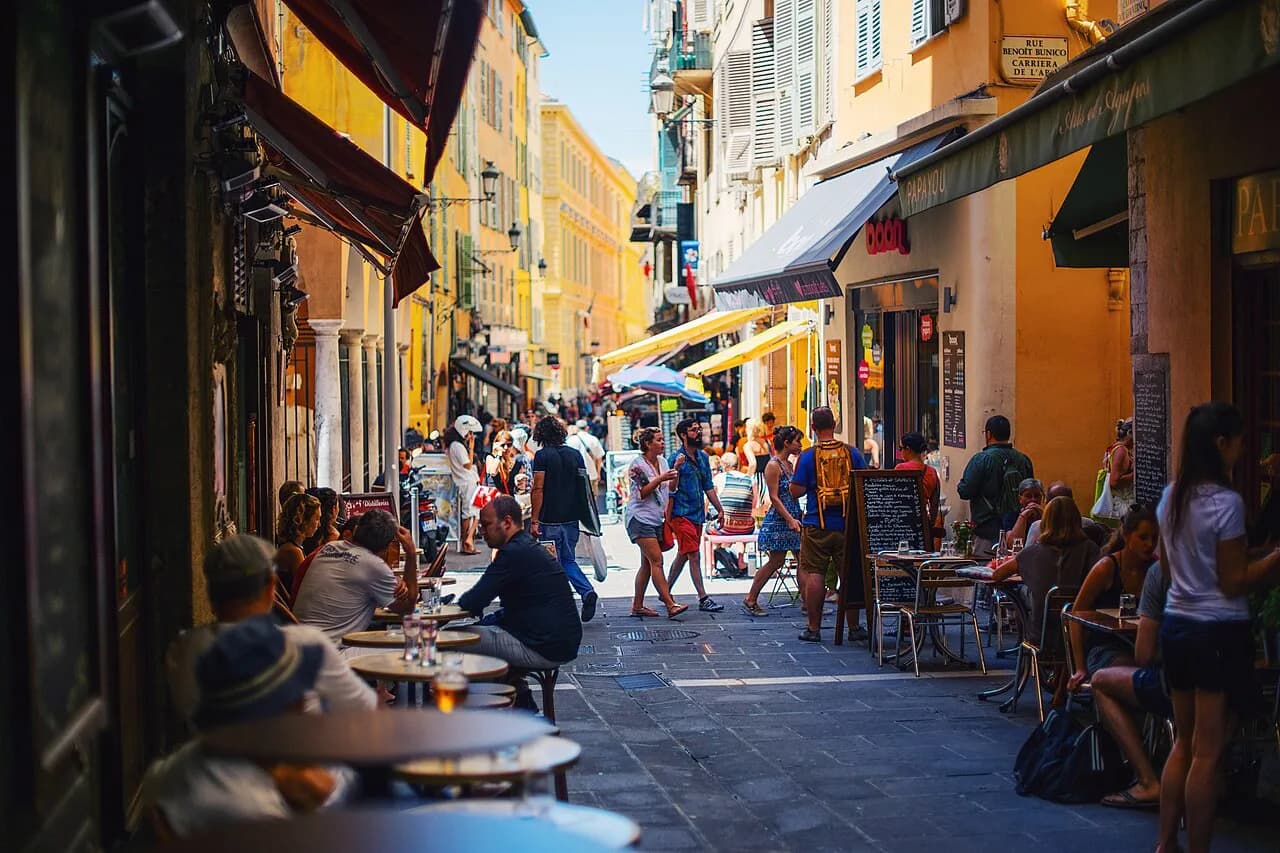
- Vieux Nice — the historic core covered in this Vieux Nice neighborhood guide, dense with socca stands, pissaladière bakeries and small Cuisine Nissarde dining rooms packed close together.
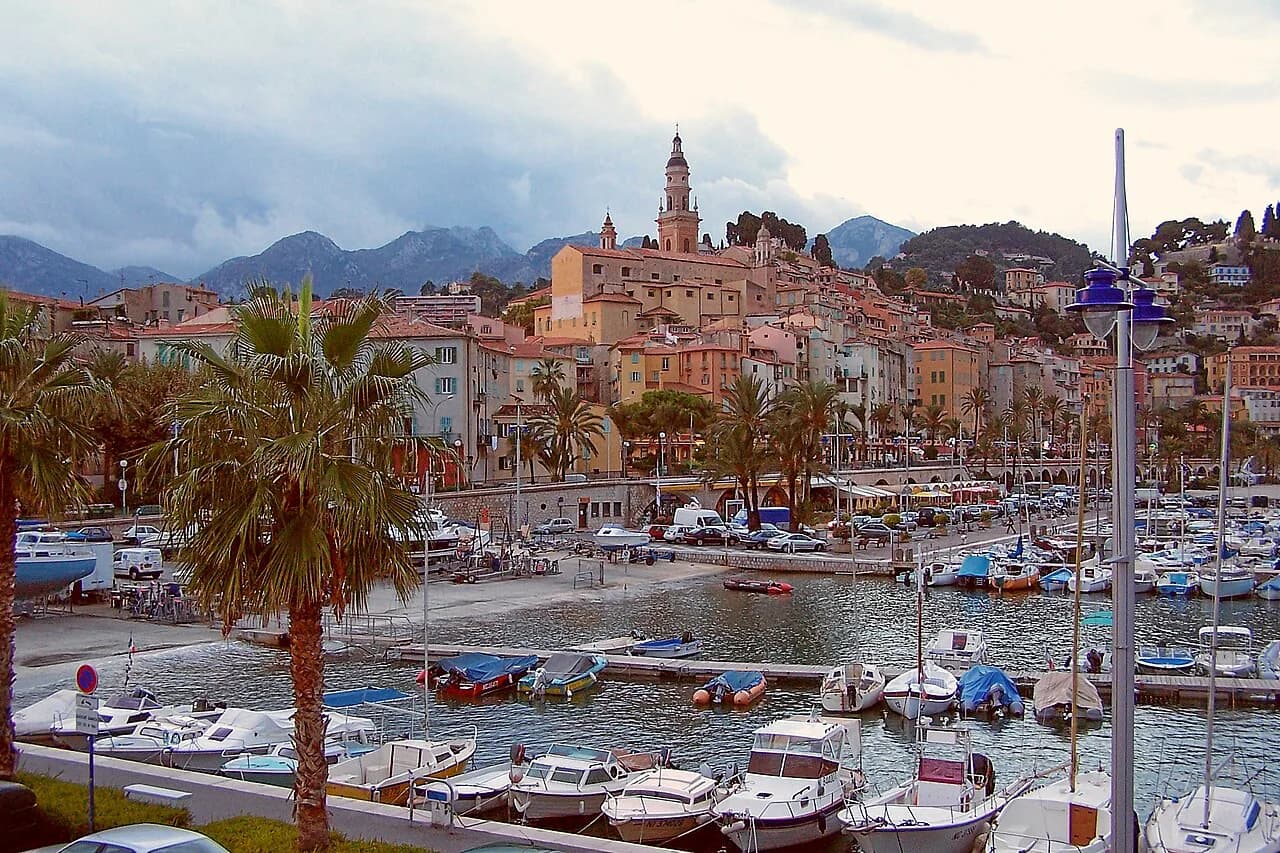
- Le Port — the harbor district detailed in this Le Port guide, where kitchens pair Mediterranean seafood with a more contemporary plate style than the old-town classics.
- Libération — the market district built around the everyday produce market of the same name, favored by residents for cheaper, less staged bistro dining.
Bellet AOC: Nice's Urban Wine Region
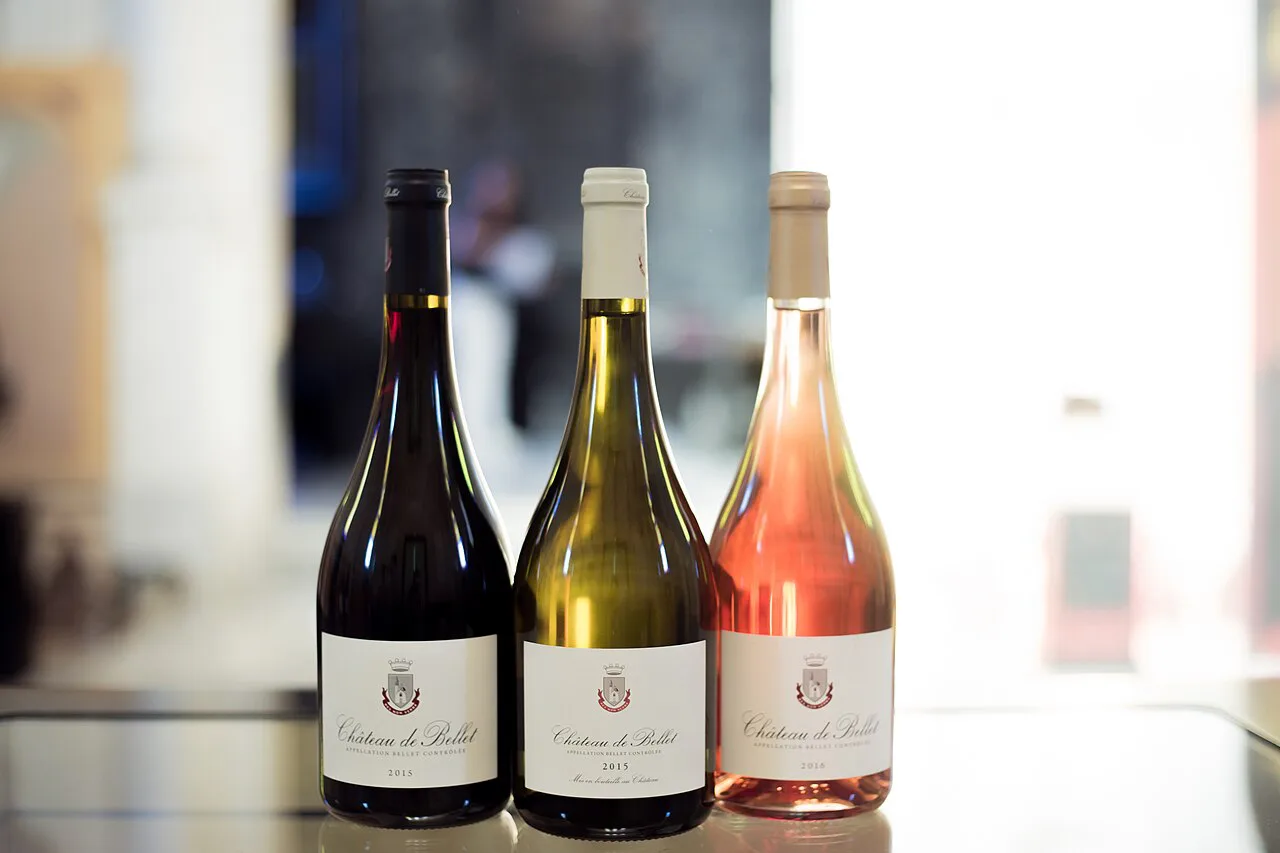
Bellet AOC sits inside Nice's city limits, one of only a few wine appellations located within a French city rather than out in open countryside. The appellation produces red, white and rosé wine under the AOC label, giving Nice a genuinely local pour rather than an import from elsewhere in Provence. A Bellet white pairs naturally with socca or a Le Port seafood plate, since both lean on the same coastal register. The rosé works well alongside a Cuisine Nissarde lunch, standing up to anchovy and olive without overwhelming them. Ordering a Bellet wine with either meal is one of the simplest ways to keep a plate entirely local, from the flour in the pancake to the glass beside it. For tasting visits and logistics, see this guide to Bellet wine.
Prices, Hours and Reservations in Nice
Budget shifts a lot depending on how you eat, and the gap between options is wide enough to plan around. Street food and market lunches are the cheapest way to eat well in Nice, and they double as a way to taste more dishes in one day than a single sit-down meal allows. Kitchens tend to run split hours. Lunch service starts around midday, then most close for the afternoon. Dinner service resumes in the evening, and restaurants outside the busiest tourist streets can stop taking orders earlier than visitors expect. Reserving ahead matters most in July and August, when demand is highest across the city. Timing a visit around a food-focused event adds another layer, such as the spring Fête des Mai. For the fuller seasonal calendar, including when crowds and prices ease off, check this guide to visiting Nice without crowds.
Street socca, pissaladière, and pan bagnat each cost €3 to €5, so a visitor sampling four distinct Niçois specialties spends less than one sit-down Cuisine Nissarde course, which runs €30 to €50 per person.
- Socca and other street food: roughly €3 to €5 a portion, eaten standing up.
- Sit-down Cuisine Nissarde dinner, multiple courses at a certified address: roughly €30 to €50 per person.
- Market lunch at Marché de la Libération: below sit-down prices, bought directly from stallholders rather than through table service.
Mistakes That Mark You as a Tourist
A handful of habits separate a tourist-menu meal from an authentic one, and most of them are easy to avoid once you know to look for them. None of these mistakes ruins a trip on their own. Together, they mark the difference between a meal built for photos and one built for regulars, and the regulars' version is usually cheaper too.
- Ordering socca with a knife and fork instead of eating it hot, by hand, straight off the pan.
- Assuming every menu at Cours Saleya carries the Cuisine Nissarde label. Check for the current year's sticker instead of assuming a past visit still applies.
- Accepting a Salade Niçoise with cooked green beans or potatoes. The authentic version uses raw vegetables only.
- Skipping Marché de la Libération because it sits outside the old town. It is the cheaper, more resident-facing market, not a lesser one.
- Booking dinner late without checking hours. Kitchens outside the main tourist streets can stop service earlier than expected.
Where to Find Fresh Socca in Nice
For good socca, prioritize turnover and timing over a single famous name. The best pieces arrive hot, with crisp edges, a creamy center, and visible blistering from the oven.
Several established stops make a practical tasting route around Vieux Nice and the nearby port:
- René Socca on rue Miralheti serves socca close to Place Garibaldi, alongside other Niçois street foods.
- Chez Thérésa has long been associated with the Cours Saleya market and also operates from rue Droite in the old town.
- Chez Pipo on rue Bavastro lies beyond Vieux Nice toward the port and specializes in traditional socca.
Order one portion first and eat it immediately. Socca loses its crisp texture quickly after leaving the pan. A busy counter is usually helpful because batches move faster. Ask when the next tray will be ready if the displayed pieces have been sitting. Opening days and service hours can change, especially outside summer, so check directly before crossing town.
For trip-planning details, see Salade niçoise – Wikipedia.
Further reading: Nice on Wikivoyage · Nice on Wikipedia
Frequently Asked Questions
What is the most famous food to try in Nice?
Socca is the dish most associated with Nice: a chickpea-flour pancake cooked hot on a wood-fired griddle and torn apart by hand, no cutlery involved. Street stands sell it fresh throughout Vieux Nice, usually for €3 to €5 a portion.
How do you know if a restaurant in Nice is authentic?
Look for the Cuisine Nissarde label, an official certification renewed every year for restaurants that cook a fixed list of traditional recipes with regional ingredients. Confirm the sticker in the window matches the current year before you order, since an out-of-date sticker guarantees nothing.
Is Cours Saleya too touristy for local food?
Cours Saleya is central and priced for visitors, but it does sell genuine Niçois specialties. If lower prices and a more resident-facing atmosphere matter more than the setting, Marché de la Libération is the better stop.
Where can you find the best socca in Vieux Nice?
Socca stands cluster throughout Vieux Nice, and quality tends to track how recently the pancake came off the griddle rather than any single famous address. Look for one being cut to order, still hot and blistered on top.
What are the typical dining hours in Nice?
Most kitchens run split hours. Lunch service starts around midday, then most close for the afternoon. Dinner service resumes in the evening. Restaurants outside the busiest streets can stop taking orders earlier than visitors expect, so reserve ahead, especially in July and August.
Continue exploring
More guides you'll find useful