Le Port Nice Guide: Local Tips for Exploring Port Lympia
Explore Nice's Port Lympia district with this guide to antique markets, Rue Bonaparte dining, Lou Passagin ferry tips, and Tram T2 transit logistics.
On this page
Le Port Nice Guide: Local Tips for Exploring Port Lympia
Last updated July 2026, this le port nice guide focuses on Port Lympia, the 18th-century harbor tucked behind Castle Hill. It looks and feels different from the Promenade des Anglais and the souvenir stretches of Vieux Nice, with working fishing boats, antique dealers, and ferries bound for Corsica. Use this guide to time the antique market correctly, catch the free Lou Passagin ferry, and find the Tram T2 stop for a direct ride to Nice's airport.
Le Port Nice Guide: What Makes Port Lympia Different
Le Port, officially Port Lympia, sits east of Castle Hill and ranks among Nice's oldest working neighborhoods. The district takes its name from a valley that once occupied the same site, long before any harbor existed there. King Charles Emmanuel III of Sardinia ordered the port's construction in 1748, turning that marshy valley into a functioning harbor. That working identity still defines the district today. Unlike the resort atmosphere of the Promenade des Anglais or the dense souvenir shops of Vieux Nice, Port Lympia keeps fishing boats, ferry terminals, and antique dealers at its center. Ferries run from here to Corsica and Sardinia, and cruise ships call at the port bound for stops such as Saint-Tropez. Check current 2026 routes before planning around them, since ferry schedules shift by season. Travelers come for a slower pace, for those Corsica ferry connections, and for a cluster of antique shops, rather than for beach clubs or crowds. For a wider view of how this district compares with the rest of the city, see the Nice Neighborhoods Guide: Where to Stay & Explore in Nice, France.
The Vibe: Yachts on One Side, a Working Harbor on the Other
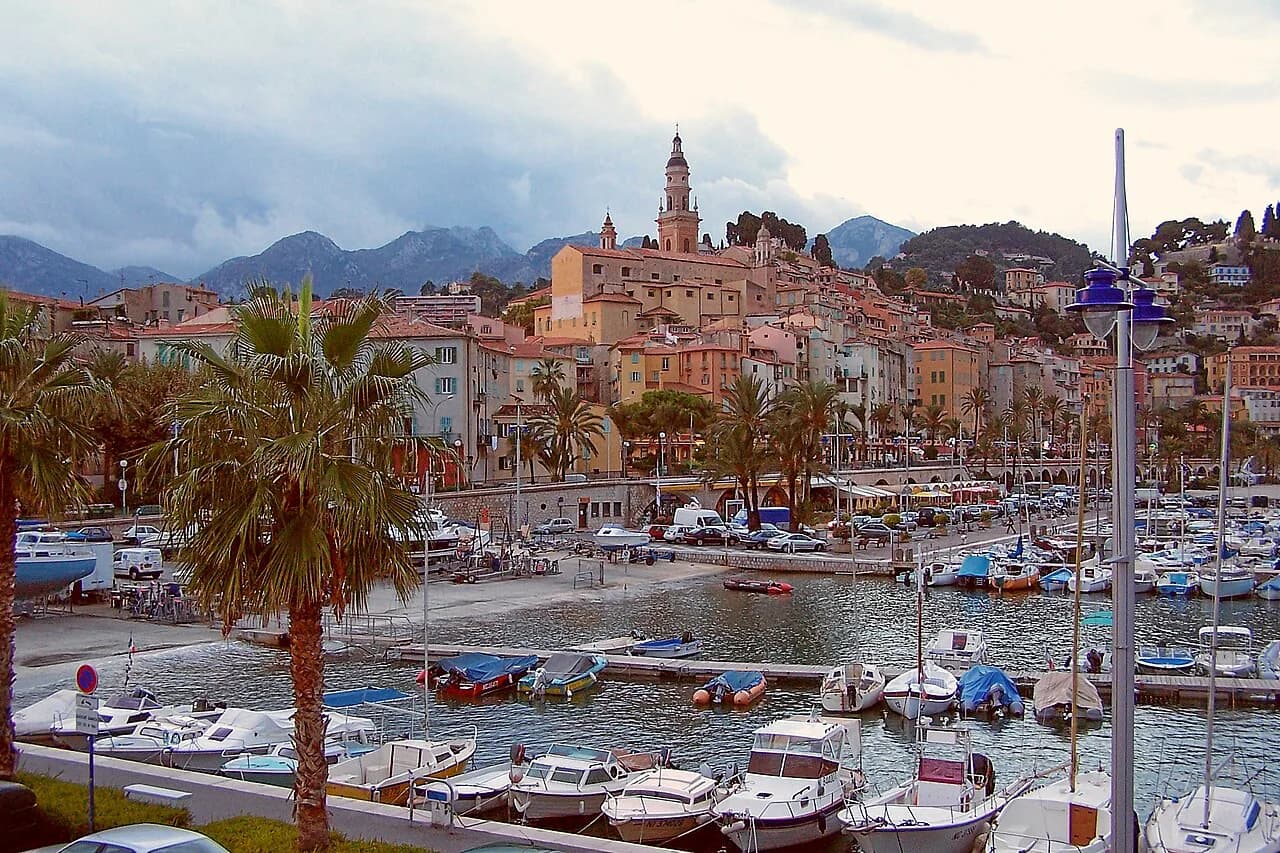
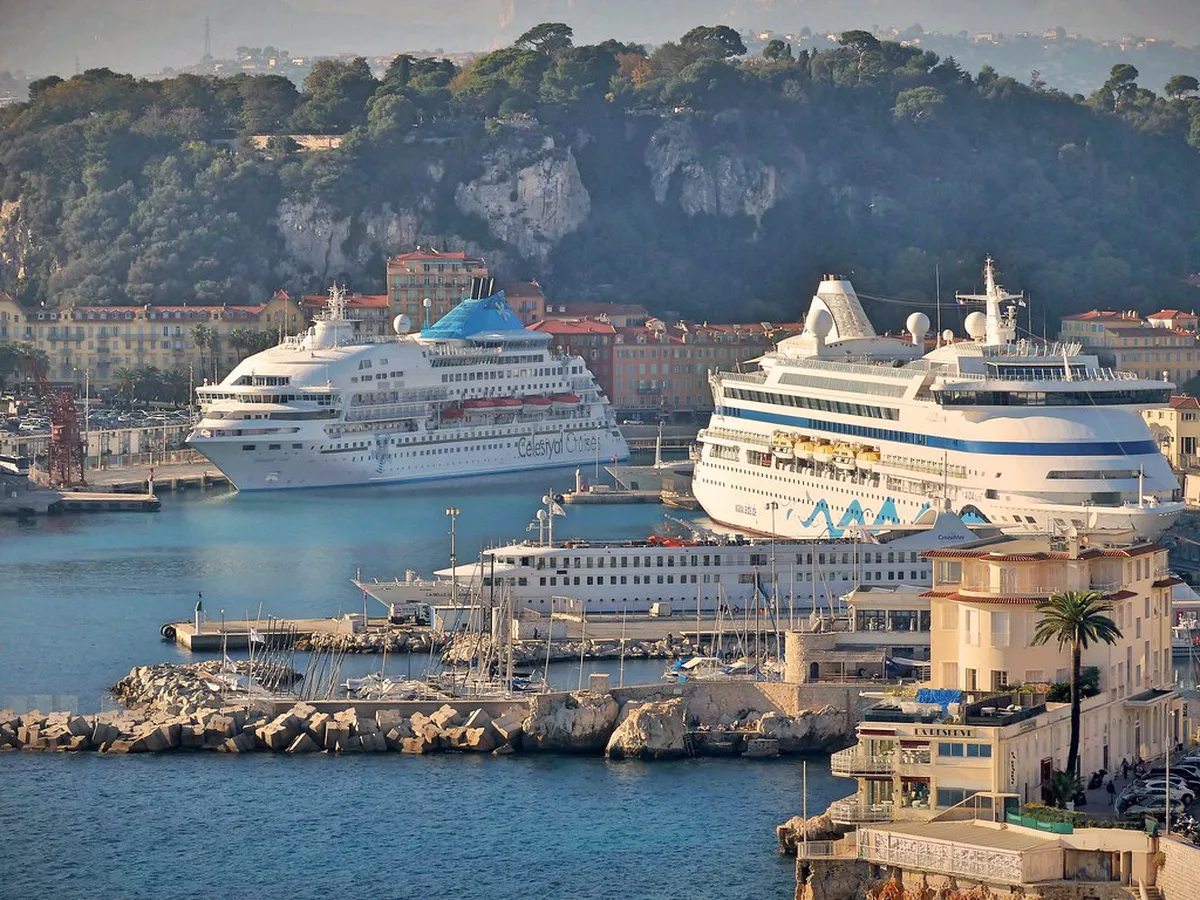
Port Lympia reads differently depending on which quay you're standing on. The western quays, near the Parking du Phare garage, moor some of the largest private yachts on this stretch of coast. Walk to the eastern quays instead, past the antique dealers, and the tone shifts. Italianate buildings painted red, yellow, and ochre face the water there, and small pointu fishing boats, the traditional local craft, bob alongside the yacht traffic. Local fishermen still use this side of the harbor for their daily catch. That contrast, luxury moorings a short walk from a working fishing harbor, is part of what separates Le Port from the polished Promenade des Anglais and gives the district its own identity.
Best Time of Day to Visit Le Port
Different parts of Le Port peak at different hours. Early morning suits the antique market, before stalls fill up and while the light stays soft over the water. Golden hour, the last hour before sunset, gives the clearest photos from the lighthouse and breakwater, with the sun dropping behind Castle Hill. Midday works for Notre-Dame du Port and a walk around Place de l'Île de Beauté, when the square's shade trees offer relief from the sun. Evening belongs to Rue Bonaparte, where bistros and wine bars fill up after dinner hour. Timing a visit around these shifts means catching the port at its most authentic moment, whether that's dealers setting up stalls or the dinner crowd arriving one block back from the water.
Top Things to Do at Port Lympia
Several landmarks anchor most visits to Port Lympia, and each rewards a different time of day.
Use the free Lou Passagin ferry—which runs during summer months—for quick harbor crossings between the port's zones; when ready to leave, Tram T2 departs directly from Port Lympia and reaches the airport in approximately 26 minutes, offering the fastest transit from this side of the city.
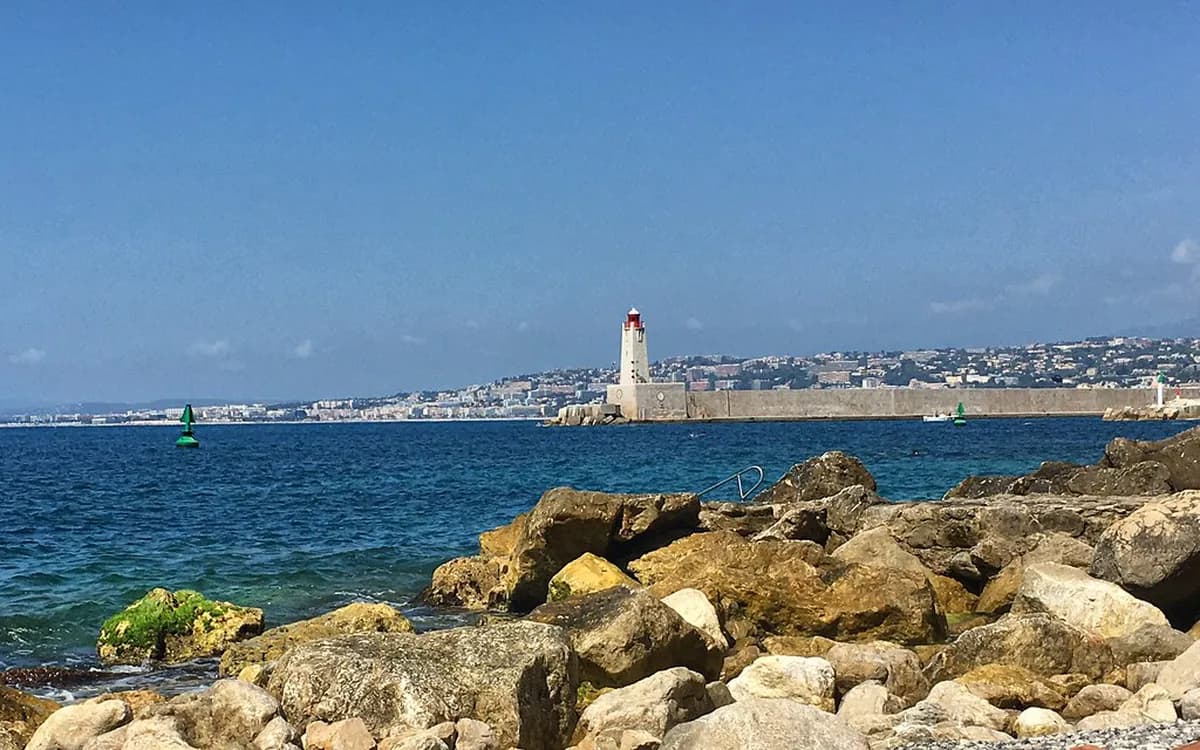
- Lighthouse and breakwater: walk the pier on foot for views across the Baie des Anges. Early morning or golden hour gives the clearest light for photos of the lighthouse.
- Lou Passagin: a free wooden shuttle boat that crosses the harbor's narrowest point. It runs in summer months; confirm the current 2026 schedule locally before building a day around it.
- Notre-Dame du Port: a neoclassical church on Place de l'Île de Beauté, opened in 1853 as a place of prayer for sailors, and still the square's focal point.
- Puces de Nice, the antique district: dealers cluster on the port's east side near Castle Hill and set up daily, except Mondays.
- Ferries and cruise ships: regular ferries connect the port to Corsica and Sardinia, and cruise ships call here bound for stops such as Saint-Tropez.
Port Lympia's Sub-Zones: Antiques, Dining, and the Scenic Walk
Three distinct sub-zones make up Le Port, and knowing which is which saves a wasted walk. The antique district sits on the east side, near the base of Castle Hill, where dealers set up daily except Mondays. Rue Bonaparte, one block back from the water, is the district's dining and nightlife hub. A third zone runs along Quai Rauba Capeu toward the breakwater and lighthouse. This stretch is the scenic transition point between the harbor and the open sea, and it's the spot for the golden-hour photos mentioned above. Locating these three zones on a map before setting out cuts down on backtracking, especially if a meal on Rue Bonaparte is part of the plan.
Three zones peak at different times: antique dealers welcome early-morning visitors Tuesday–Sunday but close Mondays; midday suits the lighthouse and Place de l'Île de Beauté; Rue Bonaparte's restaurants come alive in the evening. Structure your visit around these windows to cut backtracking and see each zone at its peak.
Rue Bonaparte: Nice's Trendy Dining and Nightlife Street
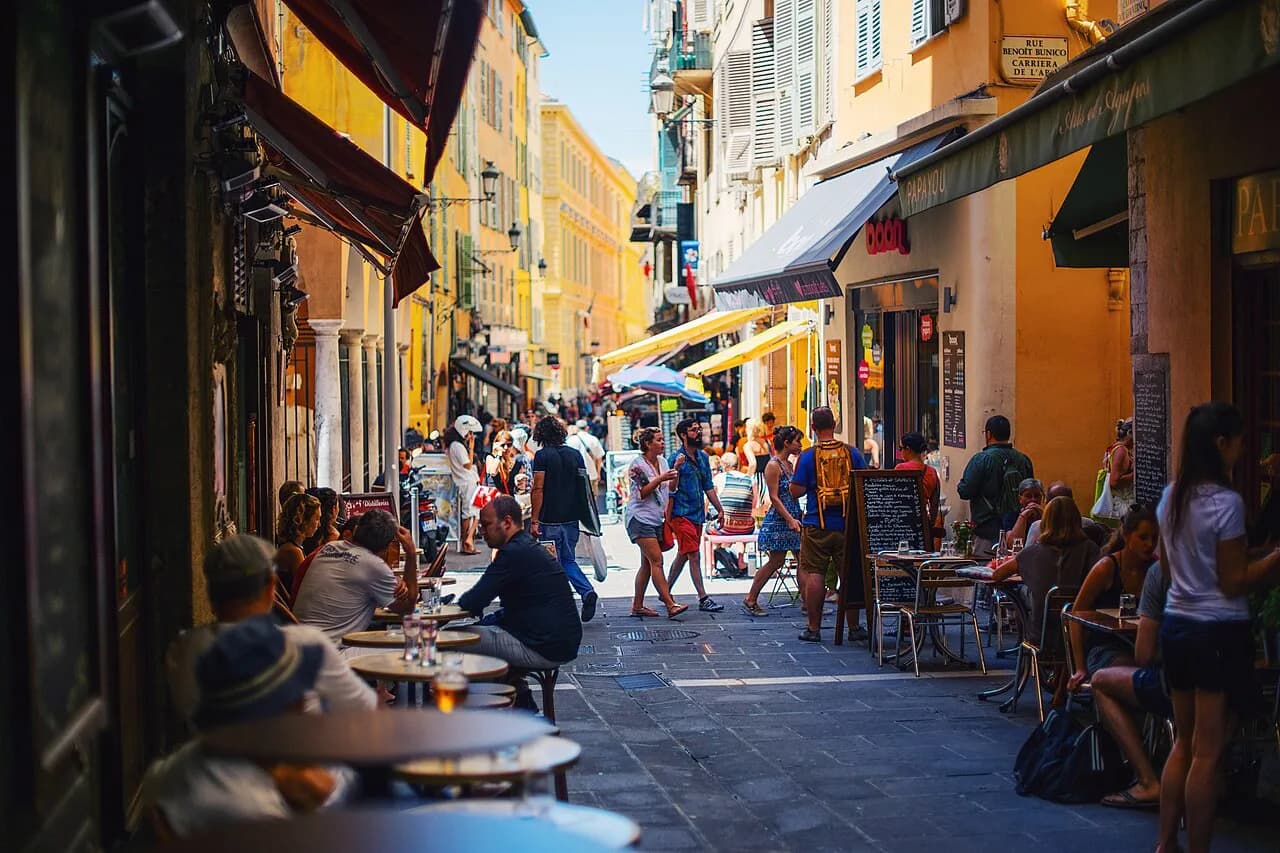
One block back from the main quay, Rue Bonaparte has become the port's dining and social hub. Guidebooks describe it as a gay-friendly street lined with upscale bistros. Napoleon Bonaparte lived on this street from March to December 1794, and the connection gives the block its name today. Small-plate restaurants and wine bars give Rue Bonaparte a livelier evening feel than the quieter quaysides nearby. The street sits close enough to the water for an after-dinner walk along the port, but far enough back to skip the tourist-menu pricing found right on the quay. For specific restaurant picks, check the 10 Best Local Restaurants in Nice: Where Niçois Actually Eat (2026 Guide) guide, and pair a port visit with the Nice Local Food Guide: Cuisine Nissarde, Socca and Where to Eat for dishes worth ordering.
Getting to and Around Le Port: Trams, Walking, and Parking
Le Port connects easily to the rest of Nice by tram and on foot.
- Tram T2 boards directly from the port and reaches Nice Côte d'Azur Airport in about 26 minutes, the fastest airport link from this side of the city.
- Tram T1 connects the port area toward Place Masséna and the main train station for onward travel.
- Walking from Vieux Nice: follow the base of Castle Hill from the Old Town. The Vieux Nice Old Town Guide: What to See, Eat, and Skip in 2026 covers the route through the old streets first.
- Walking from Colline du Château: descend the hill's eastern side straight into the port. The Colline du Château guide covers the climb up first.
- Garibaldi Square: closes the loop around Castle Hill. From here, continue into Vieux Nice or catch Tram T1 toward Place Masséna.
- Parking du Phare: an underground garage on the port's west side, opened in 2015, built beneath the water with glazed floors that double as the mooring square's ceiling above. It still operates as of 2026, though it's worth checking current hours before visiting.
How Long to Spend and What It Costs
Plan roughly 2 to 4 hours at Le Port. That covers the breakwater walk, a browse through the antique stalls, and a sit-down meal. Costs generally run lower here than along the Promenade des Anglais, since quayside cafés and antique stalls skip resort pricing. Rue Bonaparte is the exception. Its bistro dinners can cost as much as a sit-down meal in Vieux Nice, so check menus posted outside before choosing a table. Visiting earlier or later in the day, per the best time to visit Nice guide, also thins out the antique market crowds. The breakwater walk and several port viewpoints cost nothing, a point the Free Things to Do in Nice, France: The Complete 2026 Budget Guide guide expands on.
Mistakes to Avoid at Nice's Old Port
A few timing and location mistakes trip up first-time visitors.
- Visiting the antique market on a Monday: dealers close and relocate to Cours Saleya in the Old Town that day. Plan port antiquing for Tuesday through Sunday instead.
- Eating at the first restaurant on the main quay: tourist-menu pricing is common right on the water. Walk one block to Rue Bonaparte or Rue Cassini for better food.
- Skipping the antique district because it looks small from the road: the cluster runs along the port's east side near Castle Hill and rewards a slower browse.
Beyond Le Port: Coco Beach and the Coastal Walk Toward Villefranche
Le Port connects directly to a swim spot and a longer coastal walk. Past the breakwater, Coco Beach offers a quieter alternative to the Promenade's public beaches. From there, a coastal path continues toward Villefranche-sur-Mer, a natural extension for travelers with a half day free. Pair either route with the 11 Best Day Trips from Nice, France: 2026 Guide guide to plan a longer loop along the coast.
How to Use the Lou Passagin Harbor Shuttle
Lou Passagin links Quai Lunel on the western side of Port Lympia with Quai d’Entrecasteaux on the eastern side. Look for the signed landing stages near the harbor entrance rather than the ferry terminal.
The crossing is free and takes only a few minutes. It saves the longer walk around Place de l’Île de Beauté at the head of the port. This makes it useful when combining the lighthouse area with the antique shops near Castle Hill.
The small traditional boat generally operates during the warmer months and carries passengers continuously when conditions allow. There is no advance booking or fixed seat reservation. Wait at the landing until the boat returns, then follow the crew’s boarding instructions.
Service can pause during strong winds, rough water, or busy harbor movements. Check the notice at either landing before relying on it for a timed connection. Travelers with wheelchairs, large strollers, or heavy luggage should ask the crew about boarding before joining the queue.
Pair this with our broader Nice tourism attractions guide for the full city overview.
Further reading: Nice on Wikivoyage · Nice on Wikipedia
Frequently Asked Questions
Is Port Lympia in Nice worth visiting?
Yes, if you want a slower, working-harbor alternative to the Promenade des Anglais. Expect antique dealers, fishing boats, and Corsica ferries rather than resort beaches.
How do you get from Nice's port to the airport?
Take Tram T2 directly from the port. The ride to Nice Côte d'Azur Airport takes about 26 minutes.
Where is the best place to see yachts in Nice?
The western quays of Port Lympia, near the Parking du Phare garage, moor the largest yachts.
What is the free boat in Nice's port called?
Lou Passagin, a traditional wooden shuttle boat. It crosses the harbor's narrowest point in summer months; confirm the current 2026 schedule locally before planning around it.
Is the antique market at the port open every day?
No. Dealers close on Mondays and move to Cours Saleya in the Old Town that day. The port market runs Tuesday through Sunday.
Do ferries from Nice's port go to Corsica?
Yes, regular ferries run from Port Lympia to Corsica and Sardinia. Check current 2026 schedules before booking, since routes shift by season.
Continue exploring
More guides you'll find useful