Off the Beaten Path in Nice: Quiet Hills, Local Markets, and a Secret Wine Region
Off the beaten path in Nice means Liberation's market, Le Piol's climb, Cimiez's Roman ruins, and the Bellet wine hills beyond the Promenade crowds.
On this page
Off the Beaten Path in Nice: Quiet Hills, Local Markets, and a Secret Wine Region
Last updated July 2026. Off the beaten path in Nice means leaving the Promenade des Anglais behind and climbing into residential districts like Liberation, Le Piol, and Cimiez, plus the Bellet wine hills to the west. Each stays quiet because reaching it takes a tram, a bus, or a flight of stairs, so check the low-season visiting window before you plan the climb.
What Off the Beaten Path Means in Nice
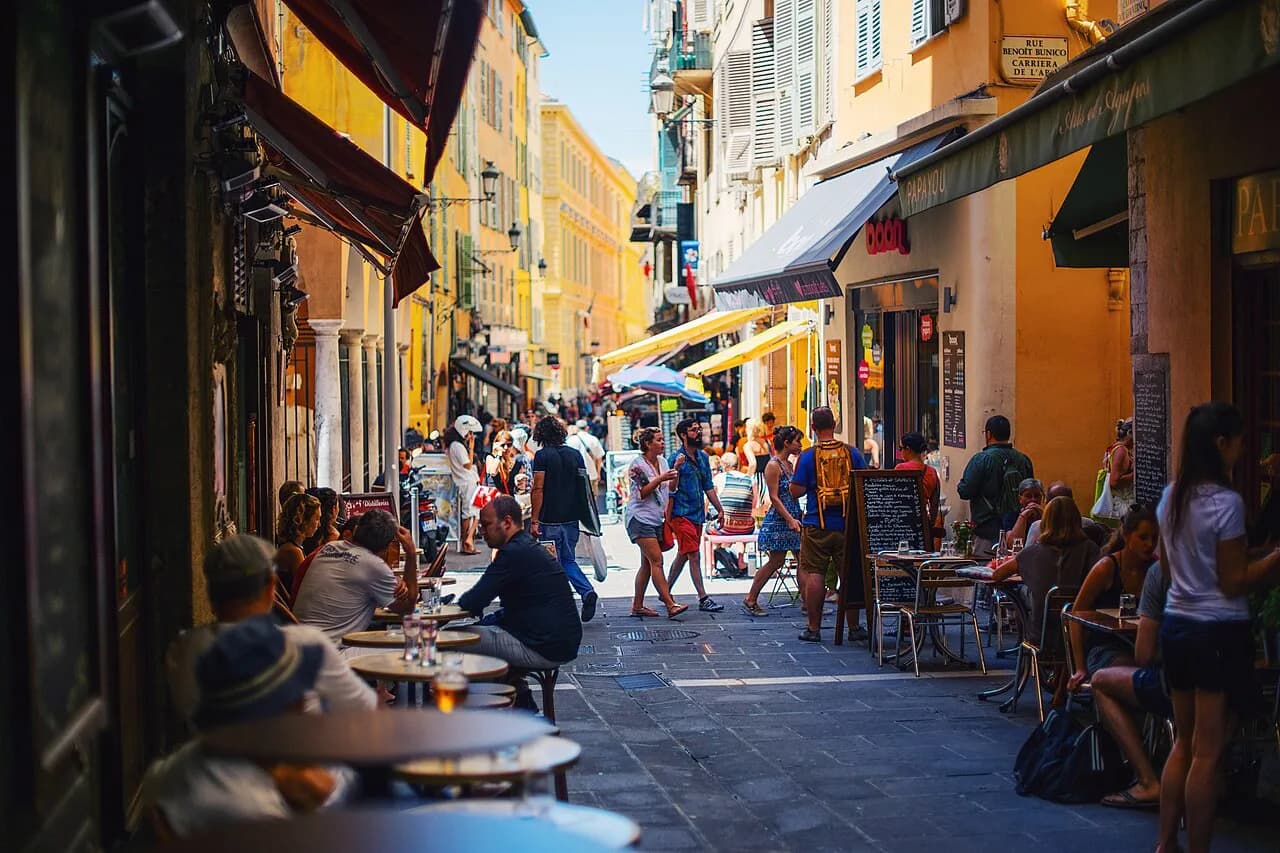
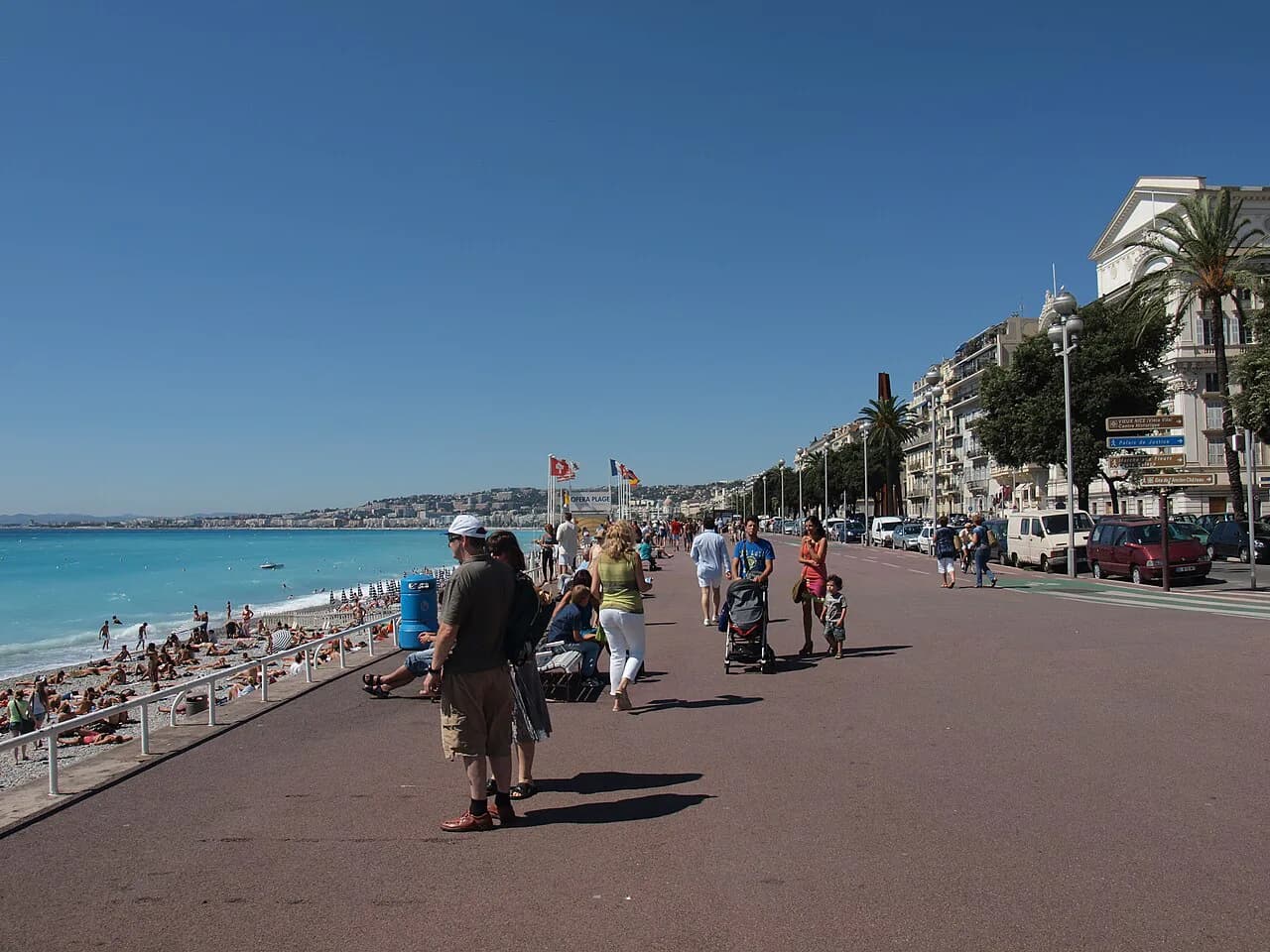
Most guides call Vieux Nice off the beaten path. It isn't. The Old Town's alleys and the Cours Saleya market draw tour groups every morning, especially in high season, and cruise-ship days make it busier still. The Vieux Nice Old Town Guide: What to See, Eat, and Skip in 2026 is worth reading before your trip, since the Old Town remains essential for a first visit. Real distance from the crowds starts north of the train station and up the hills ringing the city center. This guide covers four such areas: Liberation, Le Piol, Cimiez, and the Bellet wine hills, plus a stretch of coastline the Promenade crowds skip entirely. Each takes a short bus ride, a climb, or specific timing to reach, and that small barrier is exactly what keeps it quiet. None of these districts requires special access or a guided tour, just a willingness to walk uphill or check a bus schedule. Expect a mix of neighborhoods, a coastal path, and a wine region here, rather than one new restaurant or viewpoint to add to an existing itinerary. For a full district-by-district map of where these areas sit relative to downtown, see the Nice Neighborhoods Guide: Where to Stay & Explore in Nice, France. For a shorter list of unusual stops beyond this route, check the secret spots guide.
Only Liberation offers flat, walkable access directly from Nice Ville station; Le Piol, Cimiez, and Bellet all demand either a bus transfer or a steep climb, which is precisely why they stay quiet.
Liberation District: Where Locals Actually Shop
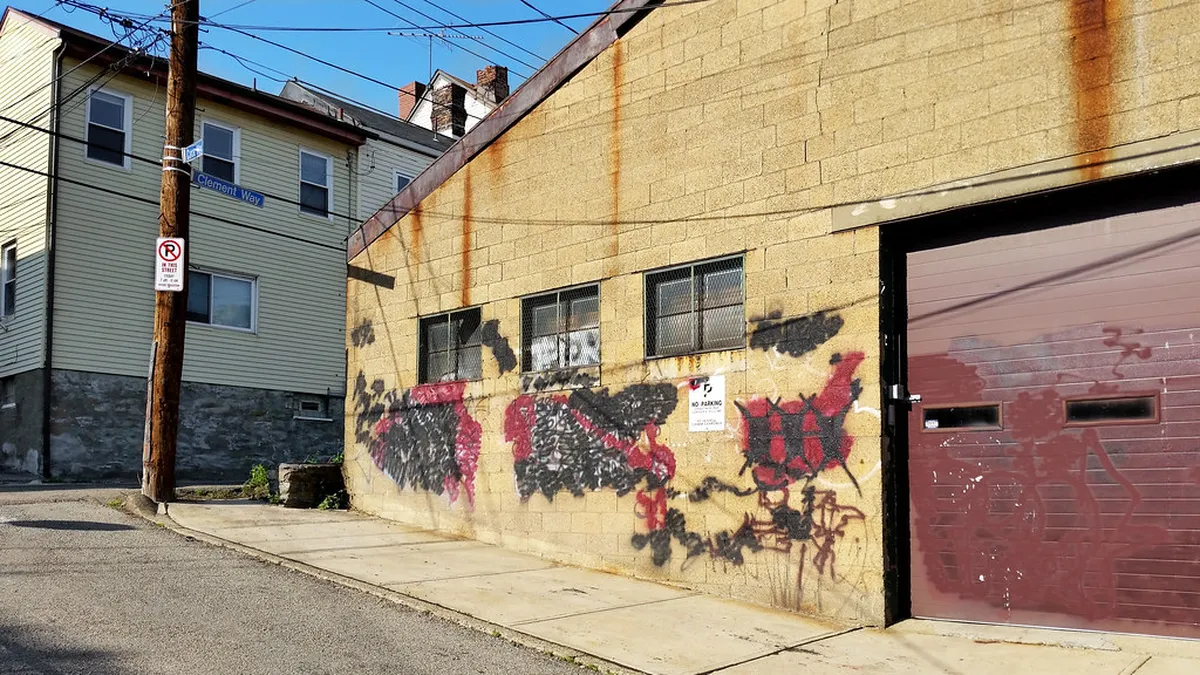
Liberation sits just north of Nice's main train station, right where tourist foot traffic usually stops. The daily market at Place du Général de Gaulle runs every day except Monday, typically through the morning hours. It sells produce, cheese, olives, and prepared food to residents rather than souvenirs to visitors. Prices for the same produce tend to run lower here than at the tourist-facing stalls near the water, since the customer base is different. Stall holders sell to people doing their weekly shopping, not to travelers looking for gifts, which changes the entire atmosphere. The Liberation district guide covers the market stalls and side streets in detail. Nearby, the restored Gare du Sud building is worth a slow look for the architecture alone, with its ironwork and glass roof. It dates from Nice's 19th-century rail expansion. Socca, pissaladière, and other Niçois specialties turn up at stands here that never appear on Cours Saleya's tourist-facing stalls. The local food guide lists specific vendors worth seeking out in this part of the city. Choose Liberation over Vieux Nice's market when the goal is watching Nice feed itself rather than photographing produce for a souvenir photo.
Le Piol: The Steep Climb to Nice's Russian Cathedral
Le Piol sits on a hillside above the city center, and the climb itself filters out casual strollers. Streets narrow and steepen quickly once you leave the flat grid downtown, and there is no tram stop directly at the top. The reward is the St. Nicholas Russian Orthodox Cathedral, built for the Russian aristocrats who wintered on the Riviera in the early 20th century. Its onion domes stand out against the surrounding rooftops from several points on the climb, well before you reach the entrance. Beyond the cathedral, Le Piol's residential streets stay quiet through the day, without the foot traffic that fills Vieux Nice or the Promenade. Even in August, when the coast fills up, these streets stay close to empty. Balconies and gardens along the way give a sense of how residents actually live in Nice, away from any commercial strip. Morning light works best for photographing the cathedral domes, before the midday sun flattens the color. The Le Piol neighborhood guide covers the specific streets worth the detour and the best approach from downtown. For other stops that reward this kind of effort, see the unique things to do in Nice guide.
Cimiez: Roman Ruins and Monastery Gardens Above the Crowds
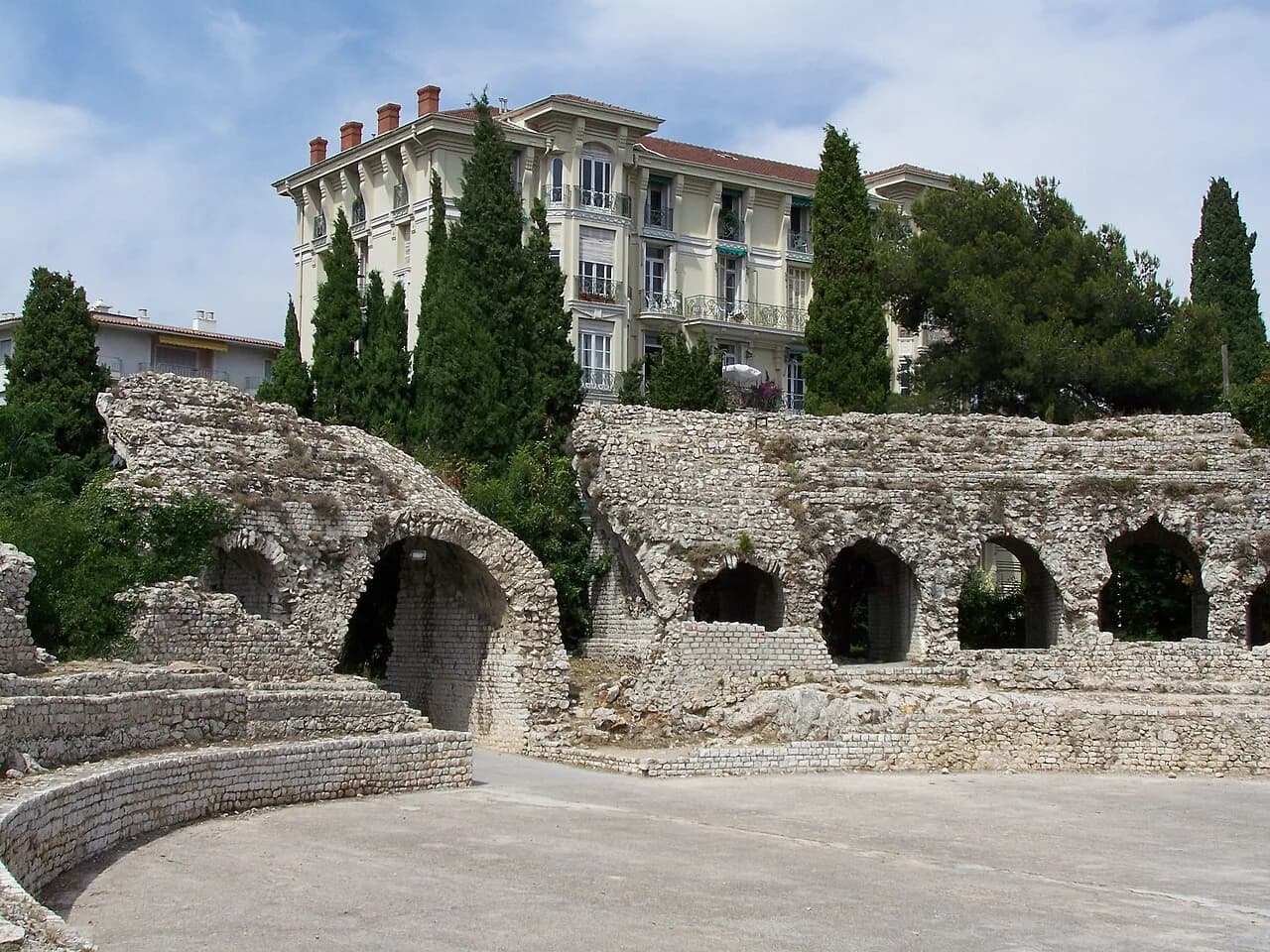
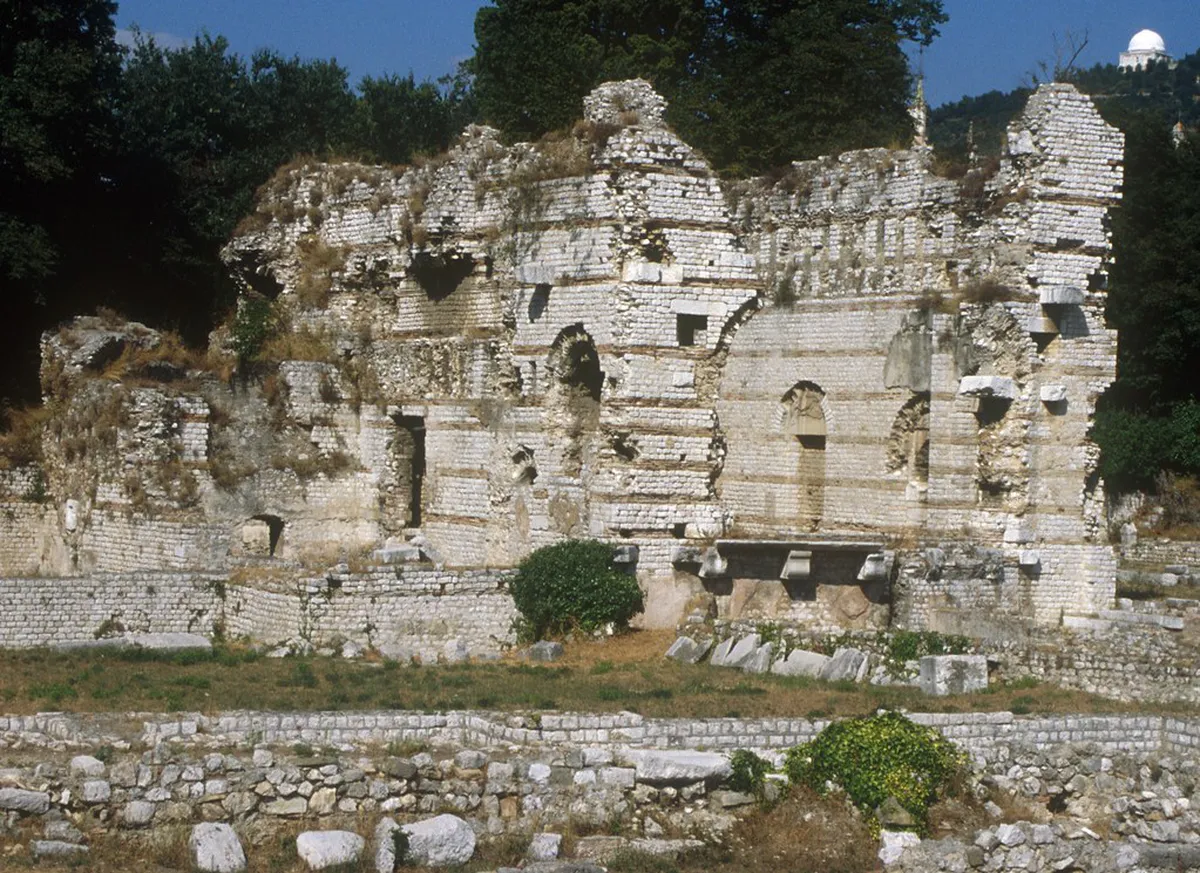
Cimiez sits on a hill northeast of downtown and holds Nice's Roman-era ruins alongside a working Franciscan monastery. Bus lines 5 and 33 both climb up to the district, so you can skip the walk entirely if the grade or the heat puts you off. Most day-trippers stop at the museums near the ruins and miss the monastery's gardens and olive groves just beyond them. These stay generally open to visitors at no charge, though it's worth checking current hours before you go. The gardens overlook the city and the coast, a different angle than anything visible from the Promenade. Shaded paths under the olive trees stay noticeably cooler than the open streets downtown, which matters in the middle of summer. The Roman ruins themselves draw a fraction of the crowd that visits the Old Town on the same afternoon. The Cimiez neighborhood guide covers the walking route between the ruins and the monastery, plus how the bus stops connect. Because the gardens and ruins cost nothing, Cimiez pairs naturally with the picks in the free things to do in Nice guide. Choose Cimiez over Le Piol when the goal is history and greenery rather than a single dramatic view.
Bellet: Nice's Wine Region Inside City Limits
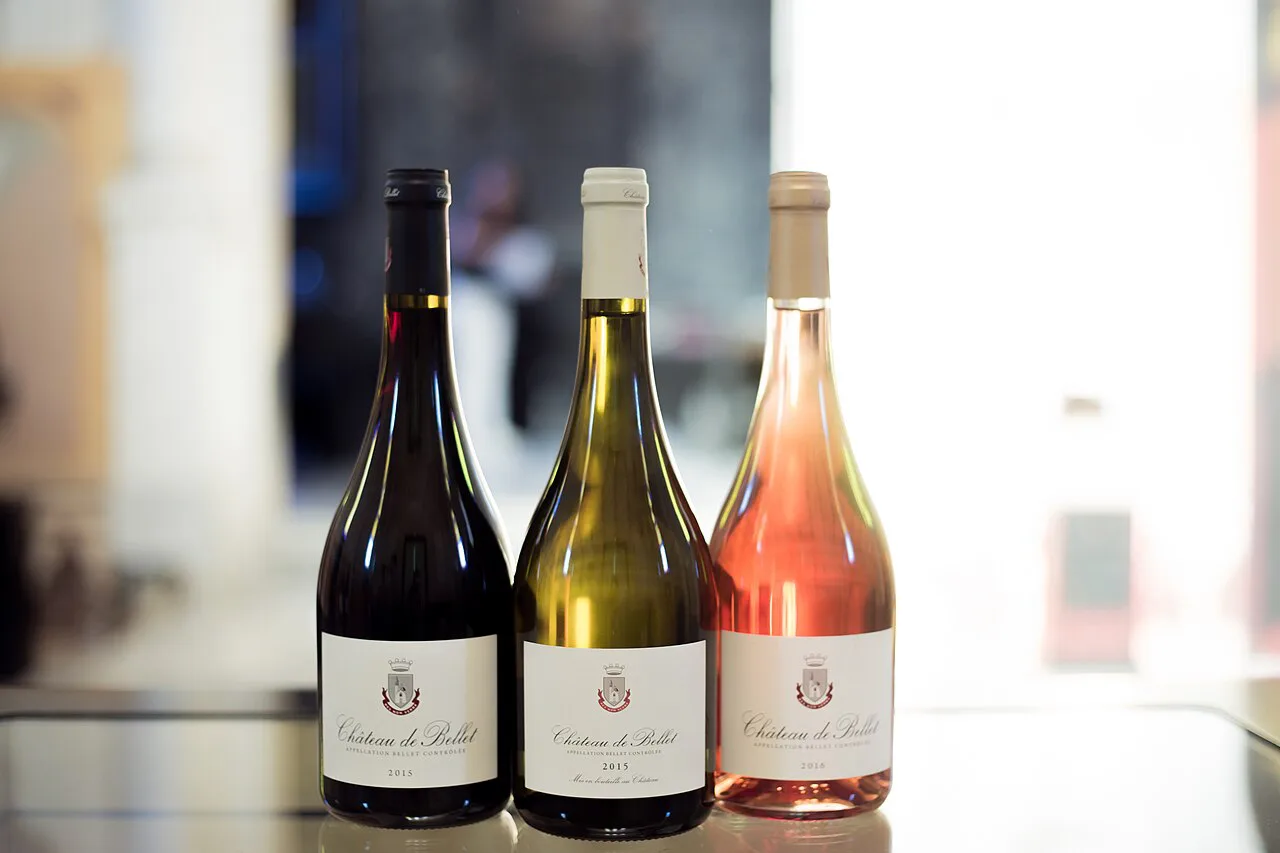
Bellet is one of the smallest wine appellations in France, and nearly all of it sits inside Nice's own city limits, in the hills to the west. Most visitors never learn it exists, since none of the vineyards are visible from the coast or the center of town. Small family estates grow Braquet, a red grape variety found almost nowhere else, across the appellation's hillside plots. The scale here is small by design. A handful of estates produce nearly all of the region's wine, and none of them operate as large commercial tasting rooms. Tastings tend to be low-cost, though reservations are recommended since most estates are working farms rather than visitor centers built for drop-ins. Several of the hillside roads between estates open onto views back over the city and the coast, a perspective most visitors never see. The Bellet wine region guide covers which estates currently welcome visitors and how to reach them without a car. A short taxi ride or a rental car makes the trip manageable in half a day, out and back from the city center, leaving the rest of the day free for one of the districts covered above.
Bellet, one of France's smallest wine appellations within Nice's city limits, requires a taxi or rental car unlike other neighborhoods reachable by bus or tram—the access barrier explains why most visitors overlook it entirely.
Coastal Seclusion Beyond the Promenade
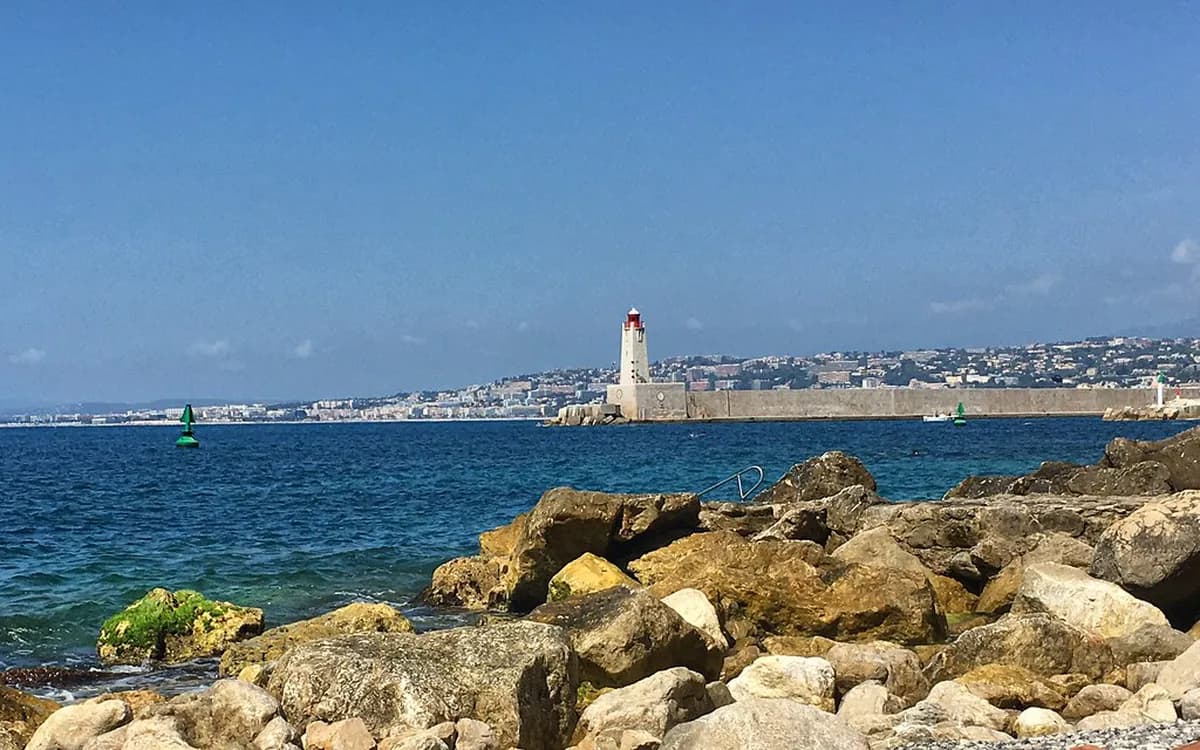
The coastline east of Nice offers two alternatives to the packed pebble beaches along the Promenade des Anglais. Both stay closer to how residents actually spend a free afternoon than the central beach clubs do. Both spots sit close enough to the Le Port district to combine into one outing on foot. The Le Port neighborhood guide covers the harbor side of that walk, including where the path connects to the marina. The Coco Beach guide has specifics on access points and the rocky terrain, which calls for water shoes rather than flip-flops. Late afternoon light along the footpath tends to be calmer than the midday crowds at the water's edge downtown. Villefranche-sur-Mer makes a natural next stop from the end of the path, with its own harbor and old town on the other side of the headland. The day trips from Nice guide covers onward routes from there, including how to return to central Nice by train or bus.
- Coco Beach: rocky inlets near Mont Boron used mostly by residents rather than the crowds on the main pebble beaches downtown.
- Sentier du Littoral: a coastal footpath running from Coco Beach around Mont Boron toward Villefranche-sur-Mer, with sea views along the entire route.
Practical Logistics for the Alternative Traveler
Nice's tram network, run by Lignes d'Azur, covers lines 1, 2, and 3, and gets close to several of these districts. The final stretch into Le Piol or up to Cimiez still usually needs a bus transfer or a walk uphill. Comfortable, closed-toe shoes matter more here than almost anywhere else in the city, especially on the inclines around Cimiez and Mont Boron. Buses to Cimiez and Le Piol run regularly through the day, though schedules thin out in the evening, so plan the climb earlier rather than later. The table below breaks down how to reach each district and what kind of terrain to expect. When it comes to eating, look for restaurants carrying the Cuisine Nissarde label on residential streets rather than the main tourist strip. These mark kitchens committed to traditional Niçois recipes rather than a menu aimed at passing foot traffic. The best local restaurants guide lists specific addresses that carry the label across several of these neighborhoods. Combine two or three of these districts in a single day, since none takes more than a couple of hours to explore properly. Liberation and Le Piol pair well together given their proximity, while Cimiez and Bellet each work better as a half-day trip on their own. The quieter side of Nice guide has additional stops to round out any of these days.
| Area | Getting there | Terrain note |
|---|---|---|
| Liberation | Walk from Nice Ville station | Flat, no climb |
| Le Piol | Local bus plus an uphill walk | Steep, expect stairs |
| Cimiez | Bus line 5 or 33 | Moderate climb, or ride the whole way |
| Bellet | Taxi or rental car | Steep vineyard roads |
| Coastal path | Walk from Coco Beach | Uneven, rocky sections |
Further reading: Nice on Wikivoyage · Nice on Wikipedia
Frequently Asked Questions
Is Nice walkable for off-the-beaten-path spots?
Some of it, but not all of it. Liberation is flat and walkable directly from the train station. Le Piol, Cimiez, and Bellet all involve a real climb or a bus ride, so pair comfortable shoes with a Lignes d'Azur bus or tram ticket rather than planning to walk everywhere.
Where do locals eat socca away from the crowds?
Liberation's daily market and the smaller stands near Le Piol both serve socca to a mostly local crowd, away from the stalls that line Cours Saleya in Vieux Nice. Restaurants carrying the Cuisine Nissarde label in residential streets are another reliable option.
What is the best hidden viewpoint in Nice?
It depends on the trade-off. Colline du Château sits closer to downtown and is reached by stairs or a lift, while Mont Boron sits further out along the coastal path and takes longer to reach on foot. Choose Colline du Château for a quick climb, Mont Boron for a longer walk with fewer people.
How much time should visitors plan for these neighborhoods?
Most visitors can cover two districts in a half day, or combine three, such as Liberation, Le Piol, and Cimiez, into a full day using local buses between them.
Is the Bellet wine region open to casual visitors?
Many estates welcome visitors, though reservations are recommended since most are small working farms rather than large tasting rooms. Check current opening details before making the trip out from the center.
Continue exploring
More guides you'll find useful