Secret Spots in Nice: A 2026 Guide to the City's Quiet Corners
Secret spots in Nice for 2026: Cimiez's free gardens, Le Piol's quiet streets, Bellet's hillside vineyards, and coastal paths past Coco Beach, away from the crowds.
On this page
Secret Spots in Nice You Won't Find on the Promenade
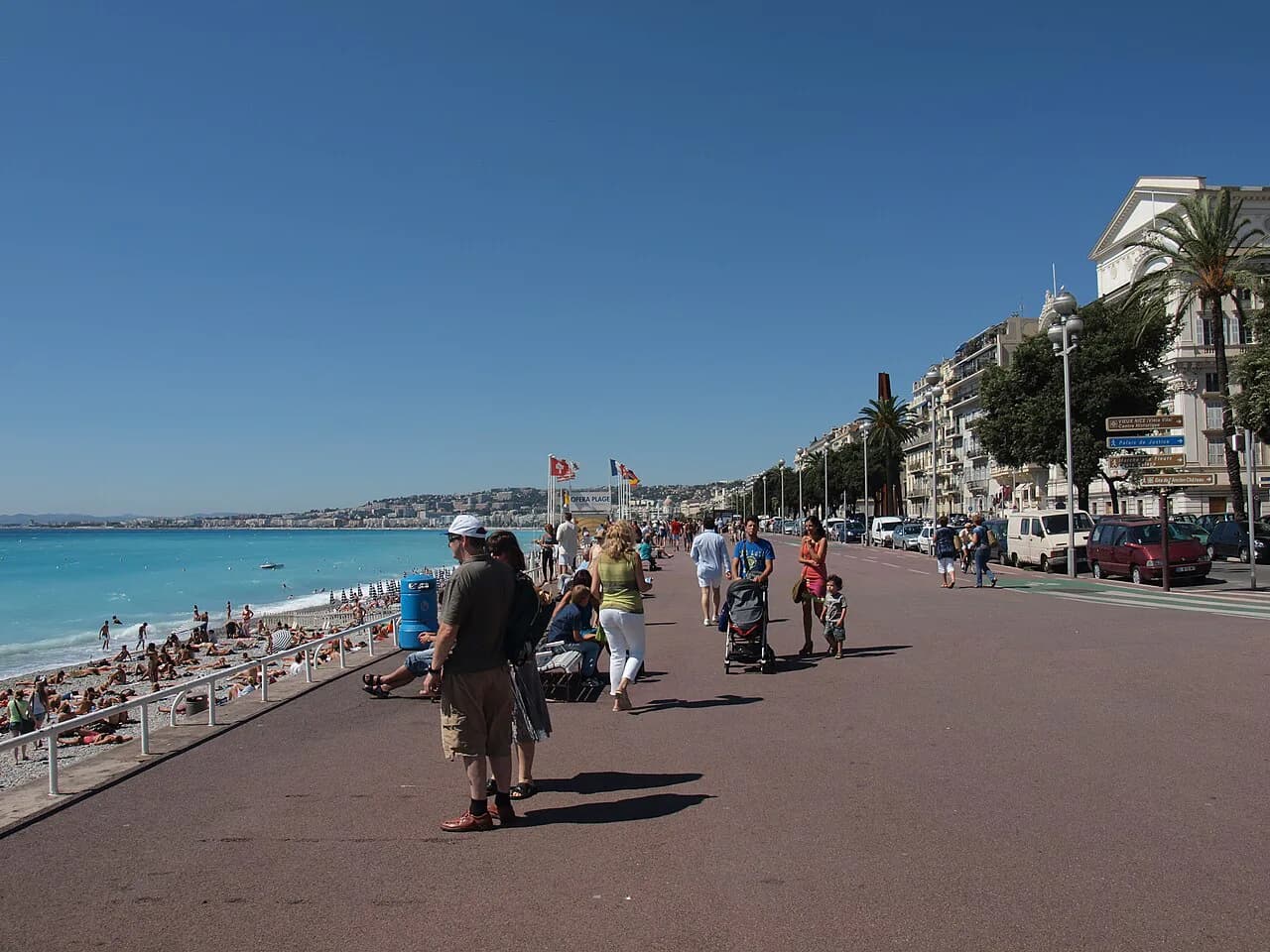
Last updated July 2026, this guide to secret spots in Nice moves past the crowded Promenade des Anglais and the tourist-heavy stalls of Cours Saleya toward corners where French outnumbers English. None of these places sit far outside the city; most are inside neighborhoods like Cimiez, Libération, and Le Piol, each reachable by tram or a manageable uphill walk. Every entry below notes the real effort involved, from a flat five-minute stroll to a steeper climb, so you can match the spot to your energy and the time you have.
Secret Spots in Nice: Hillside Escapes Beyond Castle Hill
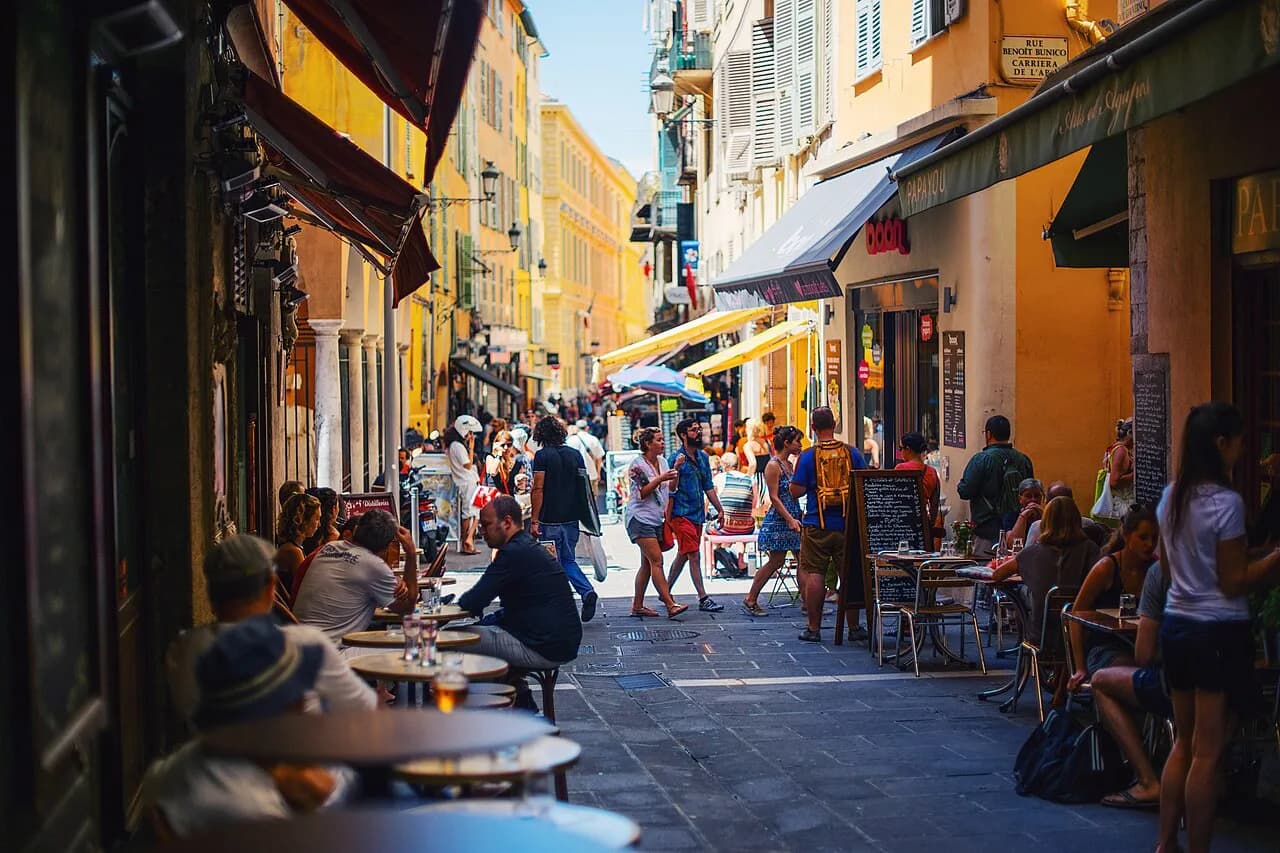
Vieux Nice's old town draws most first-time visitors, and its narrow lanes stay busy well into the evening in peak season. The real quiet in the city sits uphill, in neighborhoods that day-trippers rarely climb toward.
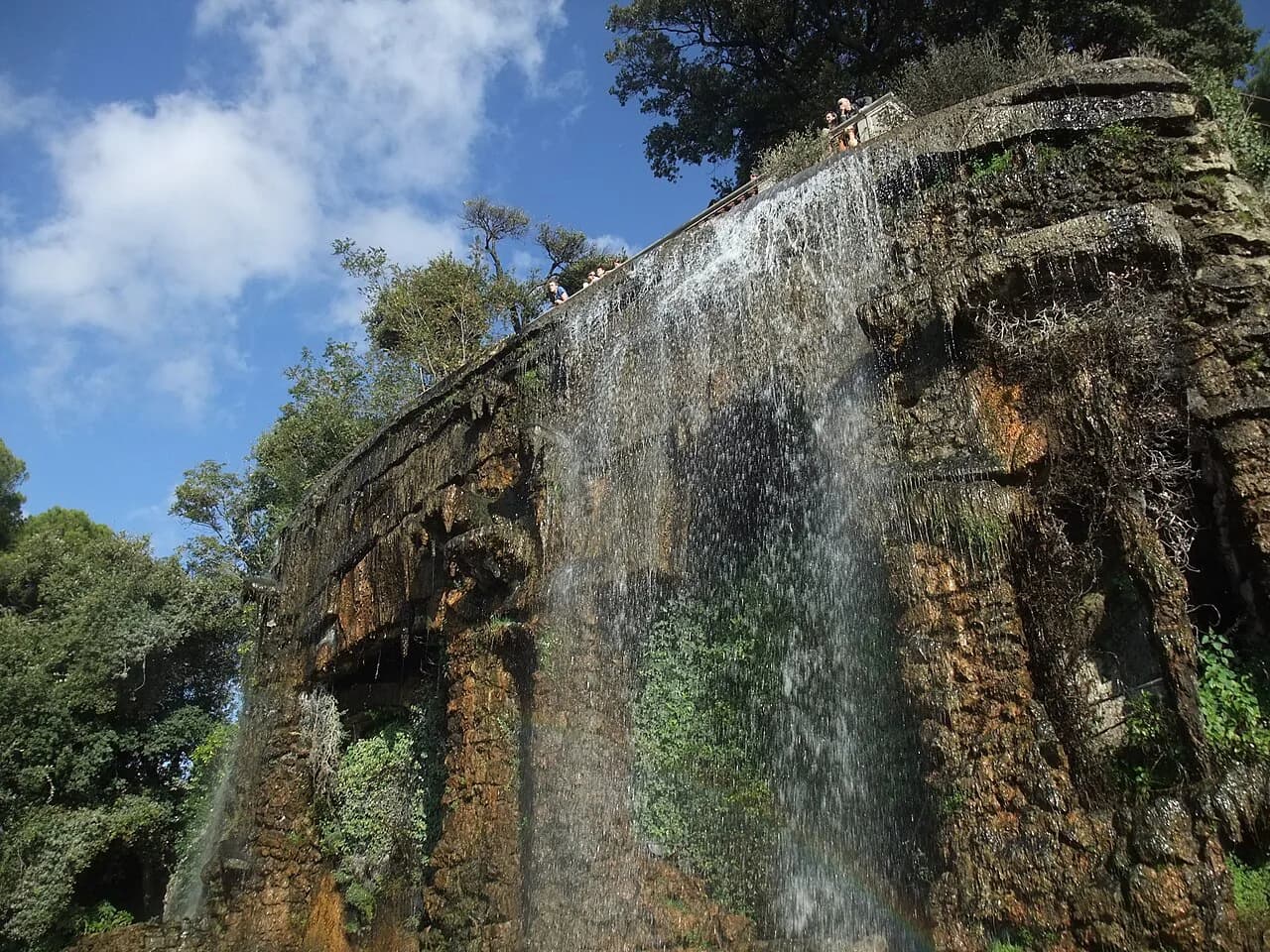
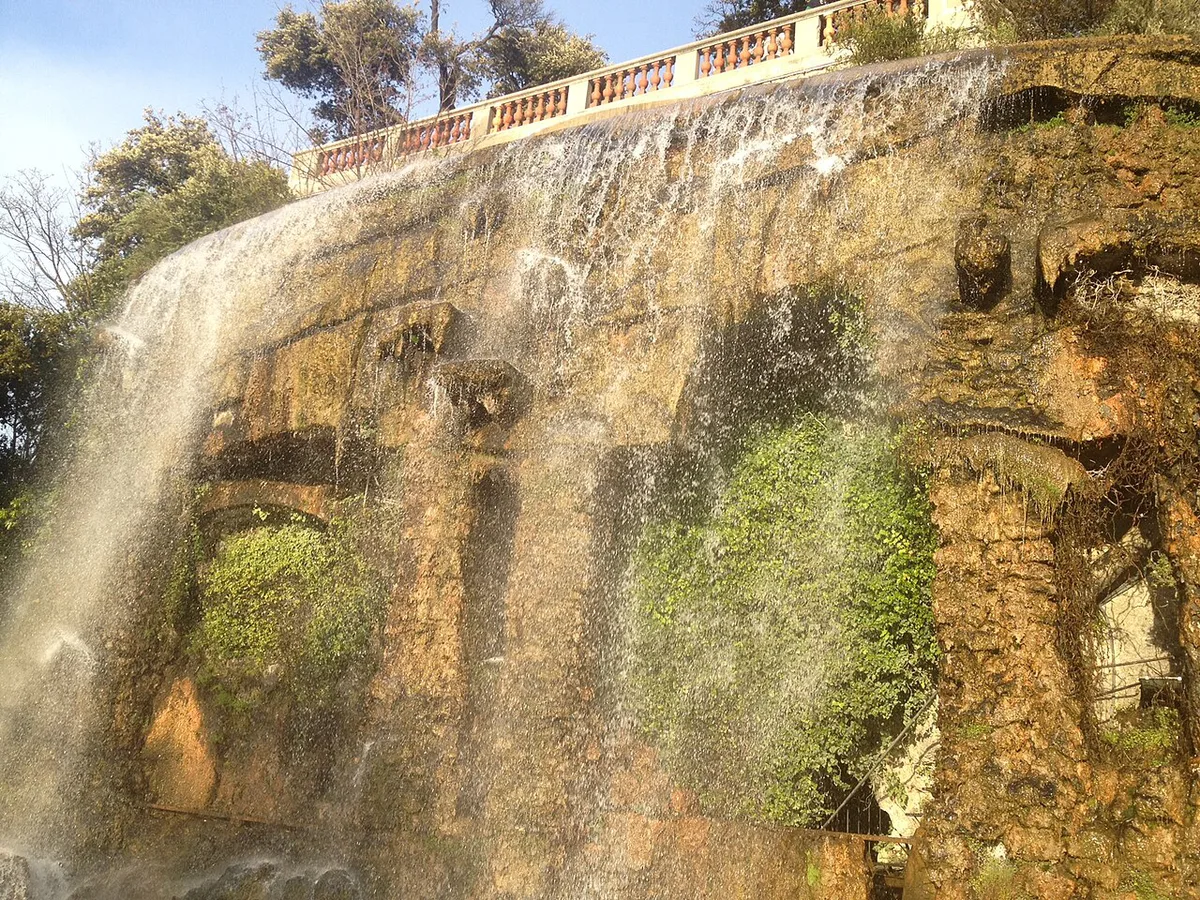
Colline du Château itself is not a secret. Most articles list it as one, but its main terrace fills with tour groups from mid-morning on, and the queue for the elevator can run long in summer. The quieter ground is past the main lookout: a hilltop cemetery near the summit, and just below it, a stone waterfall built in 1885 with two belvederes looking out over the bay. Both are free to enter and see far less foot traffic than the postcard viewpoint.
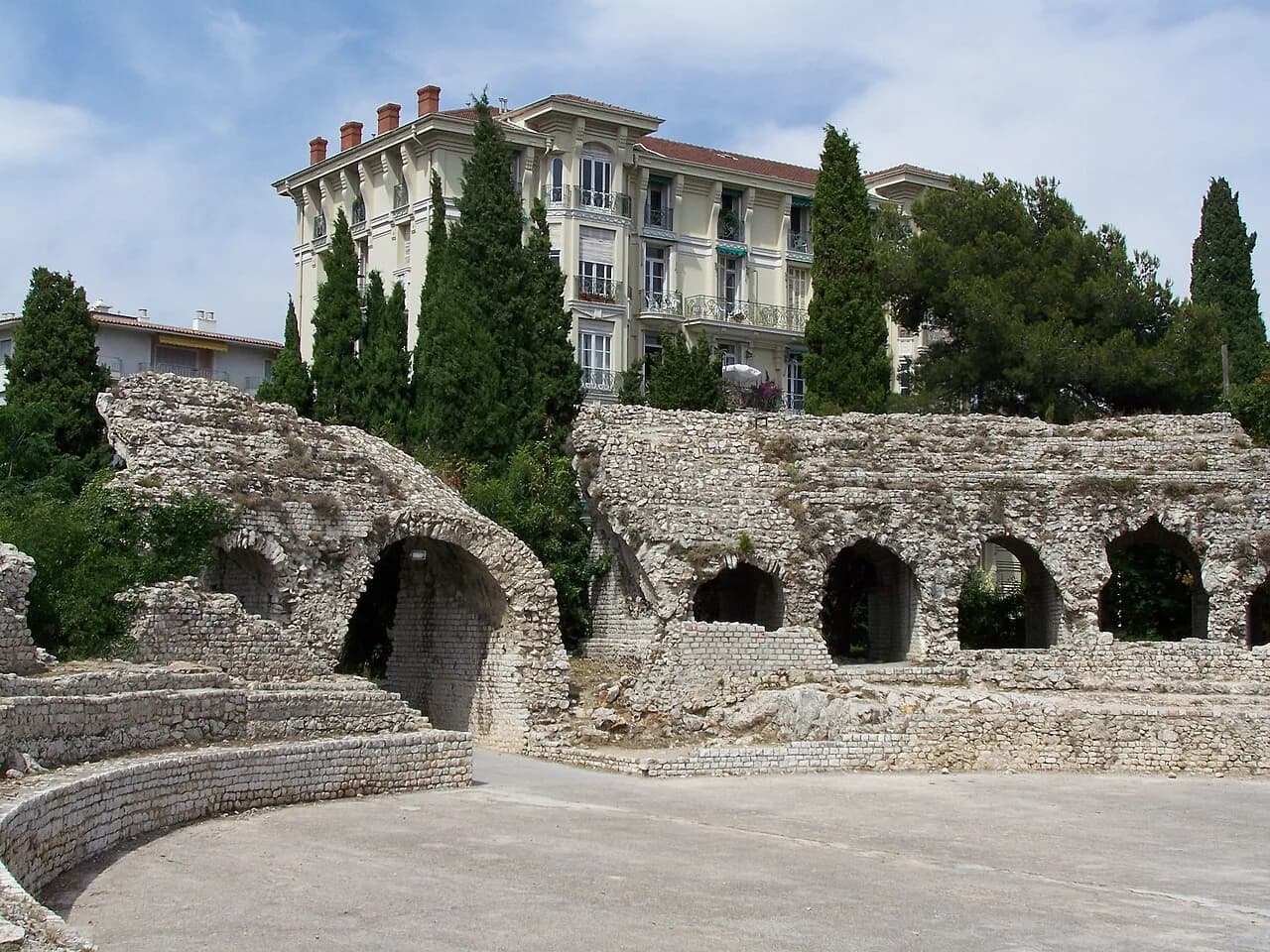
Cimiez sits on a separate hill north of the center, and it is worth the trip on its own. The monastery gardens there mix olive groves with a terrace view across the city that holds up well against Castle Hill's, minus the crowd. The Matisse Museum sits a short walk from the gardens, so the two pair naturally into one slow morning.
Le Piol is smaller and mostly residential. Visitors who make it there usually come for the Russian Orthodox Cathedral, which is well documented elsewhere. The quieter reward is in the streets around it: Belle Époque villas, quiet gardens, and almost no tourist foot traffic even in August.
Mont Boron rounds out the hillside list. Most visitors go for the single main viewpoint and turn back. The forest paths that continue past it, shaded by pine, see far more residents walking dogs than visitors with cameras. Because Mont Boron sits closer to the port than to the old town, it suits a slower half-day paired with a walk back down toward Coco Beach rather than a quick add-on to a Castle Hill visit.
- Colline du Château's quieter corners: the hilltop cemetery and the 1885 waterfall belvederes, free to enter, away from the main terrace crowds.
- Cimiez's olive-grove monastery gardens: free entry, a bay view that rivals Castle Hill, a short walk from the Matisse Museum, and listed among other free things to do in the city.
- Le Piol's residential streets: Belle Époque villas around the Russian Orthodox Cathedral, quiet even in August.
- Mont Boron's forest paths: pine-shaded trails that continue past the main viewpoint, used mostly by residents walking dogs.
Coastal Secrets: Coco Beach and the Sentier du Littoral
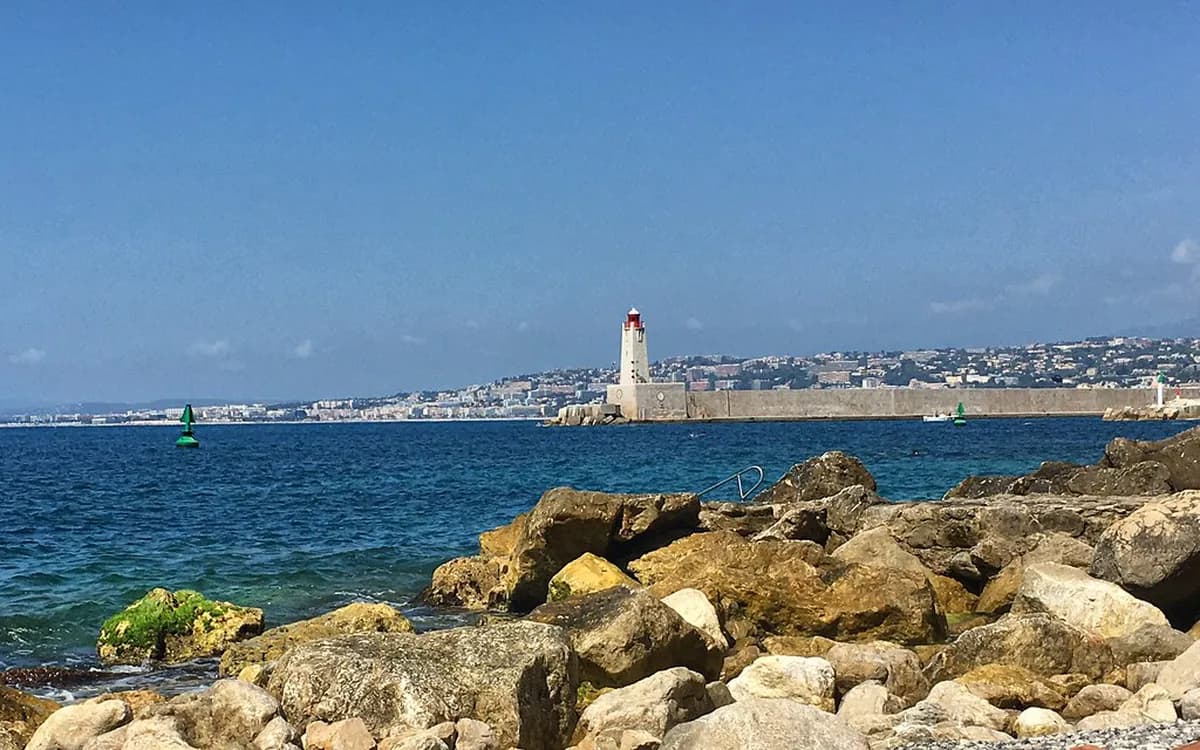
The pebble beaches along the main Promenade thin out east of the old town, past the aquarium and the war memorial. Coco Beach's rocky coastline marks the shift: flat rock platforms replace pebbles in an area some locals call Le Réserve. Swimmers use these platforms as informal diving points, and the crowd here is a fraction of what the central beach clubs see. Late afternoon works especially well here. Office workers finish their day and head straight for a swim before dinner, which fills the rocks with a different crowd than the one sunbathing at noon closer to town.
From this stretch, the Sentier du Littoral continues east toward Villefranche-sur-Mer. It is a common starting point for one of the day trips from Nice that leave the city for the day. Entry points along this section of path are not always clearly marked from the street, so carrying a coastal map, or checking a route sheet from the tourism office before setting out, saves backtracking.
The path itself is not paved the whole way. Sections cross bare rock and stay uneven the closer you get to Villefranche-sur-Mer, so shoes with real grip matter more here than on the Promenade. For other routes locals use instead of the main coastal walk, the guide to off-the-beaten-path routes around Nice covers a few more.
Where Nice Actually Eats: Libération Market and the Bellet Wine Hills
Marché de la Libération runs each morning in the Libération district, north of the old town. Its produce, bread, and cheese stalls serve residents doing a weekly shop, a different rhythm from the souvenir-heavy stalls at Cours Saleya. Pair a morning at the market with the guide to local restaurants in Nice or the traditional Niçois dishes guide to know what to look for once you're there.
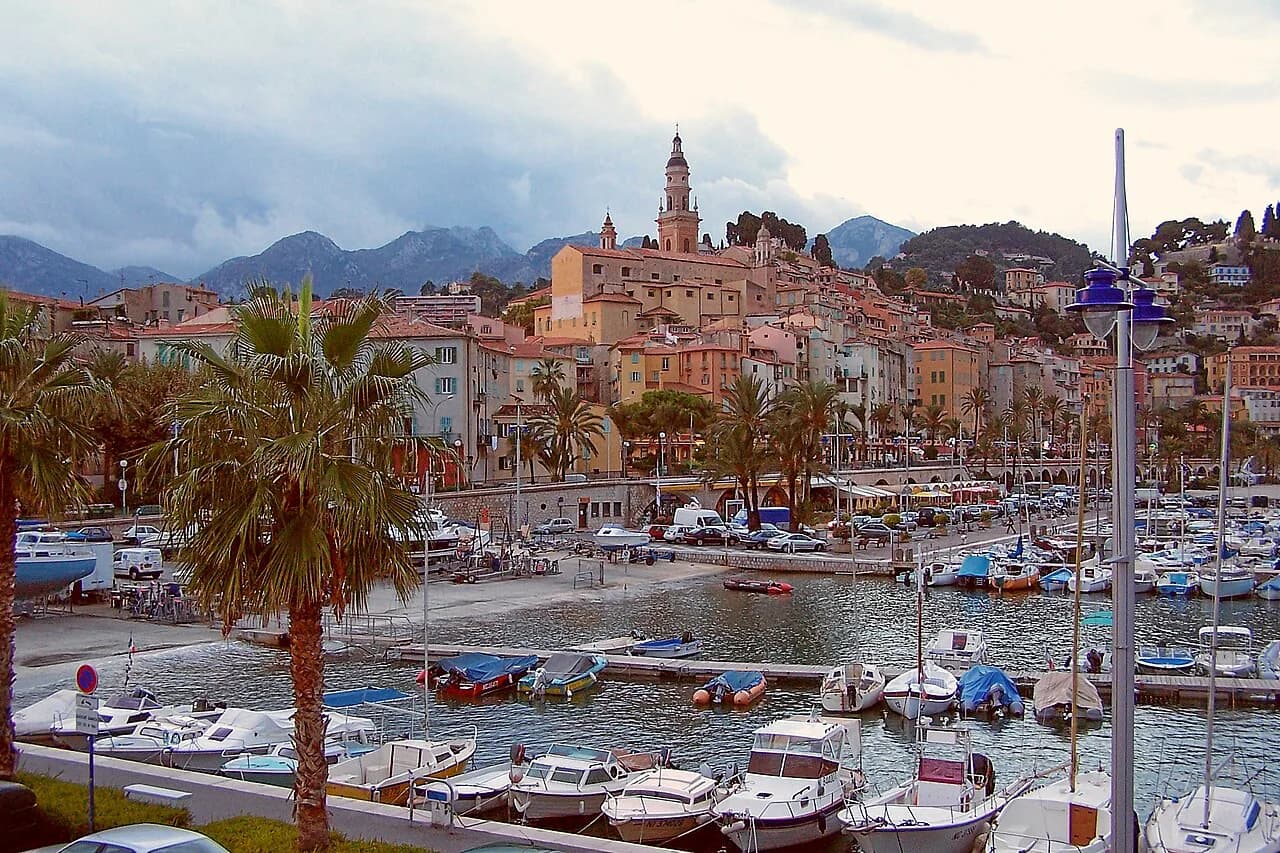
Down at Le Port's harbor district, the small Darse basin holds working fishing boats and a handful of unmarked seafood counters. It runs quieter than the restaurants lining the main quay nearby, and it stays functional rather than styled for visitors. Boats here still go out for the day's catch, and the counters sell whatever came in that morning rather than a fixed menu, so what's available shifts by day and season.
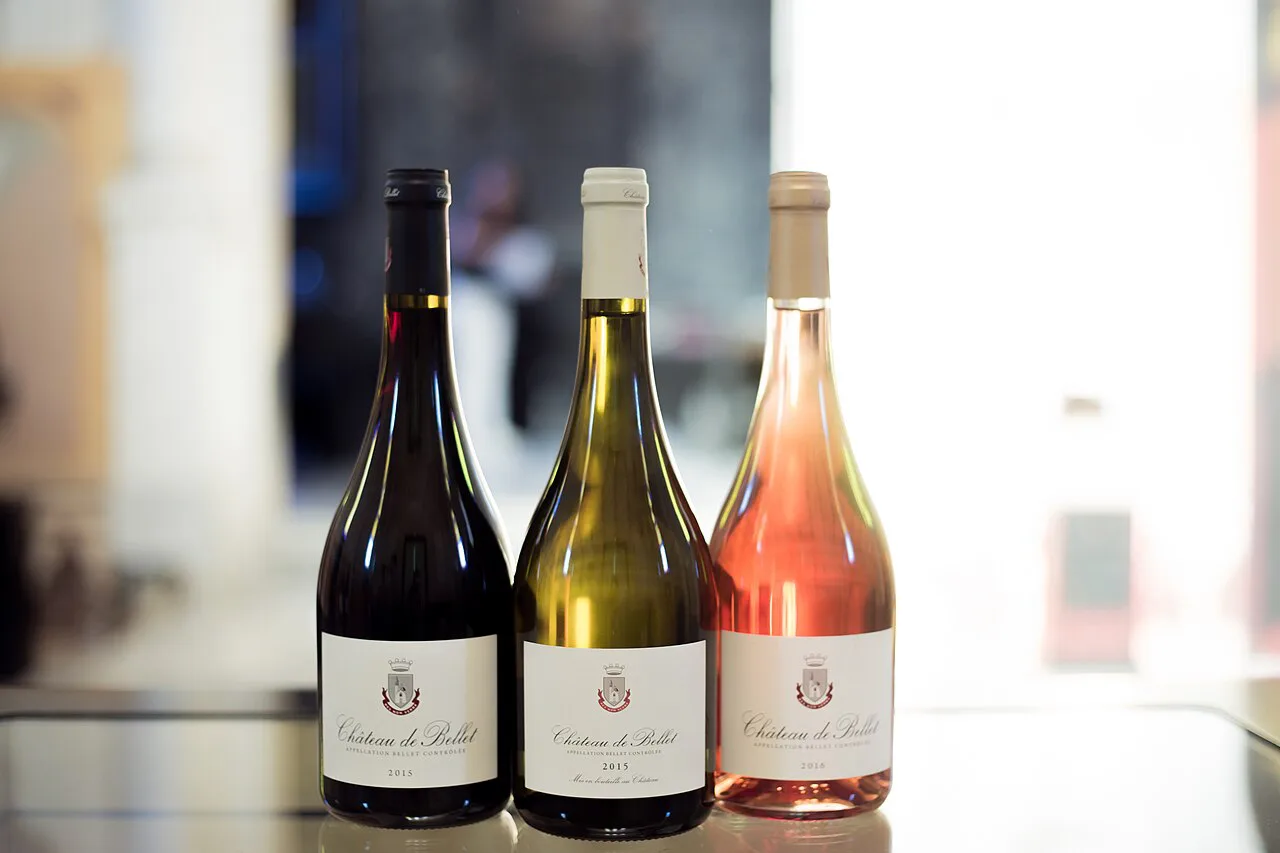
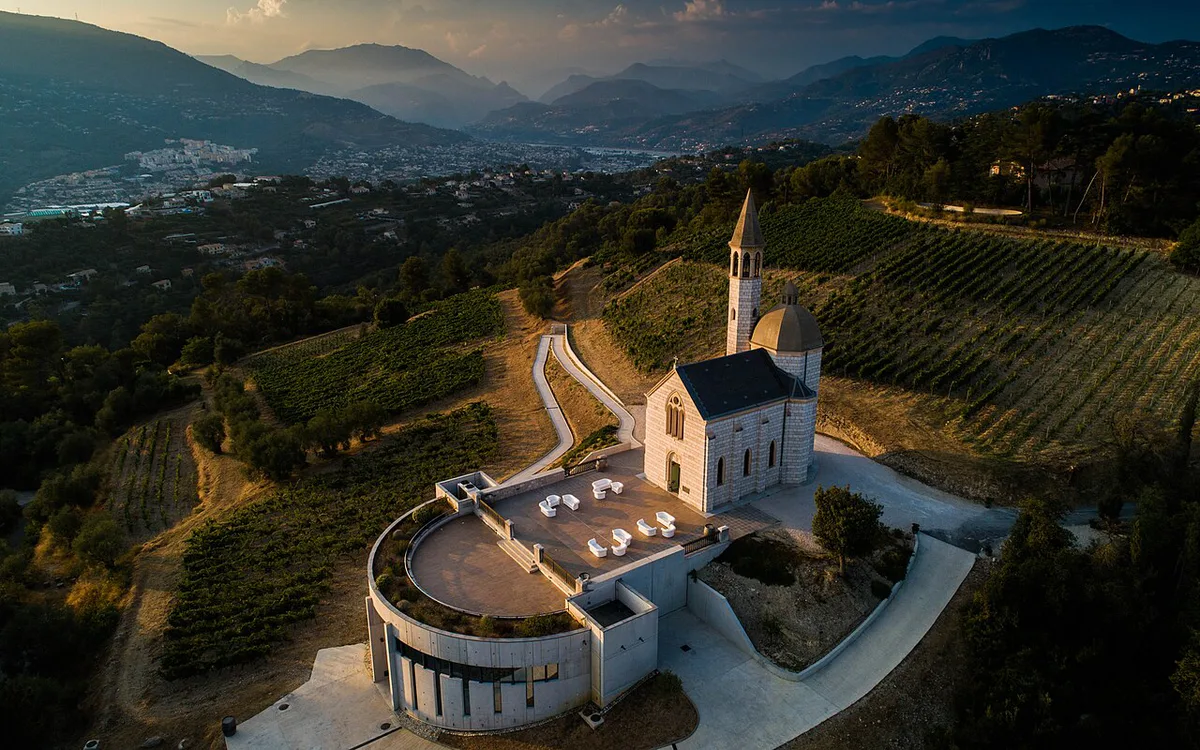
Above the city, the Bellet AOC is Nice's own wine appellation, a cluster of vineyard estates on the hills rather than out in the countryside like most of Provence's better-known wine regions. Few French cities keep a working AOC vineyard inside municipal limits the way Nice does with Bellet; most of the country's urban growth pushed vineyards out decades ago. Nice's Bellet wine region counts Château de Bellet among its estates, and one nearby domaine pours tastings inside a deconsecrated nineteenth-century chapel. Tasting fees vary by estate, but visiting one generally costs less than a full day trip out to the more famous vineyards further inland. Public transit does not reach the Bellet hills directly, so most visitors arrange a taxi, a rideshare, or ask a domaine about transport when booking; check ahead for current tasting-visit hours and rates before you go.
Architectural and Cultural Quiet Spots: Lou Baous and the Crypt of Nice
Lou Baous offers a different angle on the port than the postcard shots taken from the Promenade or from Castle Hill's main terrace. The viewpoint looks down over the harbor from a rise most walking-tour groups skip entirely. It pairs well with other distinctive Nice experiences that sit away from the main sights. Because the viewpoint isn't signposted from the main road, a mapped route helps before setting out on foot.
Underneath Place Garibaldi, the Crypt of Nice preserves a subterranean archaeological site that most people walking overhead never notice. Visiting requires an advance reservation, which is exactly what keeps it off the casual walker's route. Check the Explore Nice Côte d'Azur listing for current hours and booking windows before planning around it, since access details can change by season. The crypt makes a reasonable option on a rainy day, when an outdoor hillside walk is less appealing. For more overlooked sites like it, the roundup of Nice's lesser-known attractions is worth a scan before you map out a route.
Match a Secret Spot in Nice to the Moment
Not every quiet corner suits every visit. Some reward an early start, others a slow afternoon. Use the vibe you're after to pick where to go first:
| Experience | Location |
|---|---|
| Sunset without crowds | Colline du Château's 1885 waterfall belvederes, away from the main terrace |
| Authentic Niçois snacks | Marché de la Libération, sold to regulars rather than tour groups |
| Architectural photography | Le Piol's Belle Époque villas in morning light, or Cimiez's monastery gardens and Roman-era ruins nearby |
| A swim without the beach clubs | Rock platforms past Coco Beach toward Mont Boron |
- Sunset without crowds: the belvederes by Colline du Château's 1885 waterfall, away from the main terrace.
- Authentic Niçois snacks: the stalls at Marché de la Libération, sold to regulars rather than tour groups.
- Architectural photography: Le Piol's Belle Époque villas in morning light, or Cimiez's monastery gardens and Roman-era ruins nearby.
- A swim without the beach clubs: the rock platforms past Coco Beach toward Mont Boron.
Practical Logistics for the Off-Beat Explorer
Reaching these spots takes a little more planning than a walk down the Promenade, since several sit outside the compact center most visitors stick to. Lignes d'Azur runs the city's public transit, including three tram lines that reach into some of the neighborhoods above.
Three entry barriers keep certain quiet spots underused: the Crypt requires advance booking, Bellet lies beyond public transit and needs a taxi, and the Sentier du Littoral has unclear entry points and uneven terrain—each self-selected visitor pool replaces casual foot traffic.
- Tram Line 1 (T1): stops at Libération, useful for the market and for walking into Le Piol from there.
- Tram Line 2 (T2): stops near Le Port, a reasonable starting point for Mont Boron's forest paths.
- Buses: cover Cimiez and the Bellet hills, where the tram lines do not reach directly. Check Lignes d'Azur's route planner for current line numbers, since routes are adjusted from time to time.
How to Explore Nice’s Rocky Coast Safely
Coco Beach and Le Réserve have rock platforms rather than a gradual pebble shoreline. Wear shoes with grip and avoid wet rock near the waterline.
Check the posted swimming flags before entering the sea. Strong swell can make ladders and exposed rocks unsafe, even when conditions looked calm from the Promenade.
The Sentier du Littoral also requires more care than a city walk. Uneven steps and bare rock continue east toward Villefranche-sur-Mer. Carry water, use sun protection, and avoid starting near dusk.
After storms, sections may close because of waves or damage. Respect barriers and confirm access locally before committing to the full route. If the path is closed, return toward Le Port or follow the upper streets around Mont Boron instead.
Further reading: Nice on Wikivoyage · Nice on Wikipedia
Frequently Asked Questions
What is the most underrated neighborhood in Nice?
Le Piol and Libération both rank as underrated, since most itineraries stop at Vieux Nice and the Promenade. Le Piol keeps a residential pace around its Belle Époque streets, while Libération runs a genuine morning market rather than a tourist-facing one. Both stay mostly French-speaking even during the busiest summer weeks.
Is it easy to visit the Bellet vineyards without a car?
Not directly. The Bellet AOC sits in hills above the city, outside the tram network described in this guide's logistics section. Most visitors arrange a taxi, a rideshare, or ask a domaine like Château de Bellet about transport when booking a tasting, since public transit doesn't reach the vineyards on its own.
Where can I find a beach in Nice that isn't crowded?
Past Coco Beach toward Mont Boron, rocky swimming platforms replace the pebble shoreline of the central Promenade. The area, sometimes called Le Réserve, draws far fewer visitors than the beach clubs closer to the old town, and it has no paid loungers to compete for.
What is the best time of day to visit Nice's quiet spots?
Early morning and the last two hours before sunset both work well, since tour groups tend to arrive mid-morning and clear out by late afternoon. Spots like Colline du Château's main terrace feel noticeably different an hour after opening than they do at midday.
Do you need to book ahead for the Crypt of Nice?
Yes. The underground archaeological site beneath Place Garibaldi requires an advance reservation, and its hours and booking windows are set by season. Check the Explore Nice Côte d'Azur listing directly before building it into a day's plan.
Continue exploring
More guides you'll find useful