Where to Stay in Padua: A Neighborhood Guide by Vibe
Match each Padua neighborhood to your travel style, from the market squares to the university quarter, with honest trade-offs before you pick a base.
On this page
Padua rewards a well-chosen base because the historic core is walkable and the city's character changes block by block: market life around the Piazze, pilgrim traffic near the Santo, student rhythm around Palazzo Bo, and the more everyday streets that begin beyond the center. Choosing where to sleep is therefore less about distance and more about which daily ritual you want outside your door.
One concrete planning anchor: if Palazzo Bo is on your list, access is by guided tour rather than a casual walk-in. The city tourism office lists a full ticket at 16.50 euros and reduced rates for older visitors, teachers, young people and children, but prices can change, so confirm on the official university page before booking. That single booking decision often determines whether you want a base within easy walking distance of the university quarter or somewhere quieter.
This guide does not rank areas as best or safest, because neighborhood-level safety and noise claims need evidence that general sources do not provide. Instead it sets out what each area is known for, who tends to enjoy it, and what you give up, so you can weigh atmosphere against convenience and budget on your own terms.
Why Padua Rewards a Well-Chosen Base
Padua sits in the Veneto plain with a dense center of arcaded streets, churches and museums, and a university that has shaped the city since the thirteenth century. That combination means you can build a short break around art, a longer stay around daily errands, or use the city as a launch point for wider regional trips. The practical consequence is that your neighborhood should be chosen for the kind of day you want to start with, not only for a hotel star rating.
Because the center is compact, several bases put major sights within a reasonable stroll, and the choice often comes down to market bustle versus calm. If you plan an itinerary packed with frescoes and churches, staying central minimizes back-and-forth; if you want slower mornings and a kitchen, the edges of the center may suit better. Either way, use the city's official portal for verified visitor information rather than relying on outdated blogs.
A useful way to frame the decision is as three trade-offs: centrality versus quiet, sightseeing convenience versus local daily life, and short-break efficiency versus long-stay comfort. Keep those in mind as you read the areas below, and match each one to your own priorities rather than to a generic ranking.
Historic Center Around the Piazze: Markets, Arcades and the Social Heart
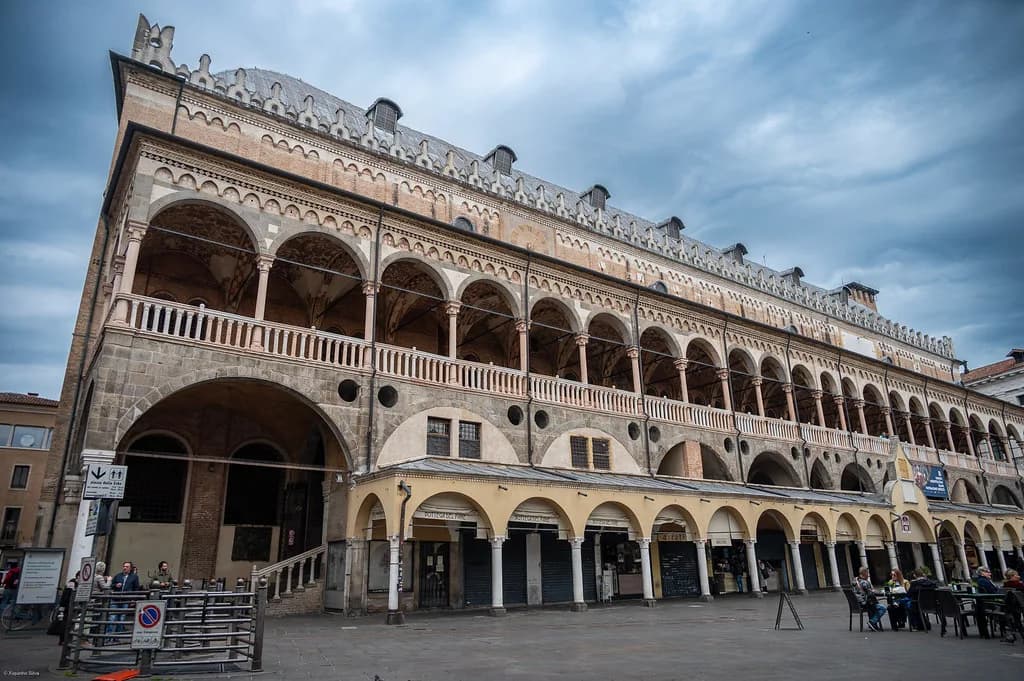
The area around Piazza delle Erbe and Piazza della Frutta, with the vast Palazzo della Ragione between them, is the city's living room: a market hall above and stalls below, surrounded by arcades and cafés. The city tourism office maintains a clear, accessible guide to the Palazzo della Ragione, which helps you understand the building before you commit to a base beside it. Staying here means your morning starts with produce and coffee rather than a bus, and the main sights radiate outward on foot.
The trade-off is that this is the busiest and most public part of the center, with market activity and evening crowds part of the package. If you want silence at dawn, look slightly outward; if you want to feel the city wake up, this is hard to beat. Pair a stay here with a self-guided route so you can explore in the early hours before the squares fill. For wider planning, see Padua Historic Center Self-Guided Walk.
Food is another argument for this base. The market and the surrounding streets are where you can graze on local specialties, and staying nearby makes it easy to shop for a picnic or return for an evening aperitivo. To plan what to try, work through a dedicated guide before you arrive. For wider planning, see Padua Local Food Guide.
For a fuller picture of the frescoes and lesser-known corners within walking distance of the Piazze, the city's hidden gems make a good complement to the headline sights. This is the neighborhood that keeps you closest to those discoveries without needing transport. For wider planning, see Hidden Gems in Padua.
Prato della Valle and the Santo Area: Monuments, Pilgrims and Evening Calm
Prato della Valle is one of Europe's largest public squares, and the Basilica of Sant'Antonio anchors the eastern edge of the historic center with its pilgrimage crowds. Staying in this area puts you between monumental space and sacred architecture, with the quiet of the abbey complex nearby. The Abbey of Santa Giustina, at the edge of the square, has origins in the fifth and sixth centuries and is free to enter, making it an easy addition to a day here.
The tourism office gives opening times for the abbey as daily from 7.30am to noon and 3pm to 7pm, with free entry, though certain chapels require an authorised guide. Hours can change around services, so check before a special visit. This makes the area appealing to travelers who value a morning church visit followed by a slow afternoon.
Compared with the Piazze, this side of the center feels more spacious and ceremonial, and evenings tend to be calmer than the market quarter. The trade-off is that you are a little further from the station and the shopping streets, which matters if you plan frequent early departures. Travelers who prioritize sacred art and open squares over nightlife often prefer this base.
Hidden gems around this quarter include quieter cloisters and less-visited churches that reward an unhurried afternoon. If you are building a slow itinerary, this is a good place to start it. The city's broader collection of lesser-known sights can fill several days on foot.
The University Quarter Around Palazzo Bo: Student Rhythm and Café Culture
The streets around Palazzo Bo, the historic seat of the University of Padua, carry the daily rhythm of a student city: bikes, cafés and a steady flow between lectures and the center. Staying here suits travelers who want a lived-in atmosphere and easy access to the university's cultural sites. Note that Palazzo Bo itself is visited only with a guided tour, so book ahead if it is a priority.
The university also manages several cultural sites, including the Botanical Garden founded in 1545 and UNESCO-listed, which sits between Prato della Valle and Sant'Antonio. If your interests lean toward science and history, a base near the university quarter keeps you close to these collections and the historic courtyards.
The main trade-off here is energy versus rest: student districts are animated during term, which some travelers love and others find tiring. Check whether your dates fall during term time and choose a side street if quiet matters. For a deeper dive into the university's historic buildings and museums, the official visiting page is the place to confirm tours and opening arrangements.
If you enjoy combining art with everyday city life, this quarter offers both, and it is a short walk to the market squares for meals. That proximity makes it a practical compromise for travelers who want atmosphere without committing to the busiest streets.
Near the Scrovegni Chapel and the Station Edge: Arrival Convenience Versus Atmosphere
The Scrovegni Chapel, with Giotto's fresco cycle, sits in the northern part of the center near the Arena Gardens, and the railway station lies just beyond it. A base on this side suits travelers arriving by train who want to drop bags and start sightseeing quickly, or those who plan early departures to other cities. The frescoes are the area's cultural anchor, but visiting requires planning rather than a spontaneous walk-in.
Advance booking is strongly advised for the chapel because entry is regulated and the number of visitors per time slot is limited; the visit itself typically lasts around 30 minutes. Ticket prices and hours vary, so check the official booking route rather than trusting a third-party listing. If the chapel is the centerpiece of your trip, staying nearby reduces the risk of a rushed morning.
The trade-off is atmosphere: the station edge is more functional than picturesque, and you may find yourself walking into the historic center for meals and evening life. That is fine for a short visit focused on logistics, but less appealing for a romantic or slow stay. Weigh how much time you will actually spend in your neighborhood against the convenience of a short walk from the platform.
Quieter Residential Pockets and Greener Edges for Longer Stays
Beyond the tourist core, Padua's residential streets and green edges offer space, calmer evenings and better value for longer stays, at the cost of walking further or using local transport. Families and remote workers often find this trade worthwhile because a kitchen and a quieter street matter more than being steps from a monument. The key is to check the actual walking route to the center rather than assuming a map distance feels short.
These areas also suit travelers who have already seen the headline sights and want a slower rhythm, with markets, parks and neighborhood cafés as the main draw. If you are staying a week or more, a base slightly outside the core often balances comfort and access better than a cramped central apartment.
For day trips, a quieter base can still work well, since the station and main roads are reachable; just confirm your route in advance. Details on regional excursions can help you decide how much time to allocate away from the city. For wider planning, see Day Trips from Padua.
If you are weighing this option against a central stay, compare the two city guides to see how different cities handle the same trade-off. The pattern of atmosphere versus convenience repeats across northern Italy. For wider planning, see Bologna Neighborhoods Guide: Where to Stay by Vibe and Budget (2026).
Budget Trade-offs: Paying for Centrality and Saving on the Periphery
No reliable current accommodation pricing is available for Padua's neighborhoods, so treat any per-night figure you see online as indicative only. In practice, you are usually paying for proximity and atmosphere: a central stay reduces transport costs and time, while a peripheral one may offer more space for the same outlay. The right balance depends on how many days you have and how much you value walking everywhere.
A practical approach is to budget for time as well as money. A central base can let you fit more into a short break, while an outer base may suit a longer stay where one slower day is not a loss. Check current listings and reviews directly for the dates you want, and confirm cancellation terms before booking.
If you are deciding between a few cities in the region, comparing neighborhood guides can clarify which trade-offs you mind least. The same logic of centrality versus quiet applies in Verona. For wider planning, see Verona neighborhoods guide.
Which Neighborhood Fits Your Vibe
First-timers who want the classic Padua experience should start with the Piazze area, where markets, arcades and restaurants put the city's daily life on your doorstep. Travelers whose priority is sacred art can base near Prato della Valle and the Santo, while those drawn to university life will enjoy the streets around Palazzo Bo. Art lovers focused on Giotto will prefer the Scrovegni and station side for convenience.
Families and long-stay travelers should look at the quieter residential edges, where space and calm usually matter more than a five-minute walk to a monument. Slow travelers can choose any base and simply adjust their pace, using the city's hidden corners as the day's main event rather than a checklist of sights. For wider planning, see Padua with Kids: Family-Friendly Activities.
Weather and season also affect the choice, because arcades and squares are more pleasant in mild months. If you are planning a spring or autumn trip, check how crowded your preferred area becomes during festivals and events. For wider planning, see Best Time to Visit Padua.
Whatever you choose, keep your base within a walkable radius of the sights you care about most, and reserve guided visits in advance where required. That single planning step often matters more than the exact street you sleep on.
Plan Your Visit
Padua's compact center makes almost any base workable, but the neighborhood you choose sets the tone of your days. Decide first whether you want market bustle, sacred calm, student energy or arrival convenience, then match your budget to that priority. Book guided visits such as Palazzo Bo ahead of time, and confirm opening hours and prices on official pages before you travel.
Use the city guides and attraction pages to build your shortlist, and keep the plan flexible enough to enjoy the squares and quieter churches that make Padua rewarding beyond its headline sights. For wider planning, see Padua Attractions: Visitor Guides to 12 Sights.
Frequently Asked Questions
Which neighborhood in Padua is best for a first visit?
The area around Piazza delle Erbe and Piazza della Frutta is the most practical first base, because the market squares, arcades and main sights are within easy walking distance. It lets you experience the city's daily rhythm without needing transport, though it is also the busiest part of the center.
Is it better to stay near the train station or in Padua's historic center?
The station side suits short stays and early departures, and it is close to the Scrovegni Chapel. The historic center offers more atmosphere and evening life, but you may need to walk or use local transport for arrival and departure. Choose based on how much time you will spend in your neighborhood.
What is the area around Prato della Valle like for staying?
It is spacious and monumental, anchored by the Basilica of Sant'Antonio and the Abbey of Santa Giustina. Evenings tend to feel calmer than the market quarter, and the abbey has free entry, making it a good base for travelers who prioritize sacred art and open squares.
Where should art lovers stay to be near the Scrovegni Chapel?
The northern edge of the center near the Arena Gardens keeps you close to the chapel and the station. Entry is regulated with limited slots, so book in advance and expect a short visit of around 30 minutes. Confirm current hours and prices through official channels.
Is Padua a good base for day trips to Venice?
Yes, the station makes regional travel straightforward, though journey details should be checked with the operator. A base near the station simplifies early departures, while a central base offers a more pleasant evening on return.
Which parts of Padua suit families or longer stays?
The quieter residential pockets and greener edges generally offer more space and calmer evenings, which helps on longer stays. Families should check walking routes and local transport before booking, since these areas are further from the main sights.
How long should I stay in Padua?
Two or three nights covers the headline sights, while a week allows slower exploration of the university sites, markets and day trips. Choose a central base for a short break and a quieter area for a longer stay.
Do I need to book Palazzo Bo in advance?
Palazzo Bo can only be visited on a guided tour, so book ahead through the official university channels. The city tourism office publishes the current full and reduced ticket rates on its Palazzo Bo page, so confirm prices and tour times there before you go.
Sources
Continue exploring
More guides you'll find useful