Free Things to Do in Brescia: Castles, Squares and Churches
A practical guide to free things to do in Brescia, from the castle grounds and historic squares to cathedral entry, plus what still needs a ticket.
On this page
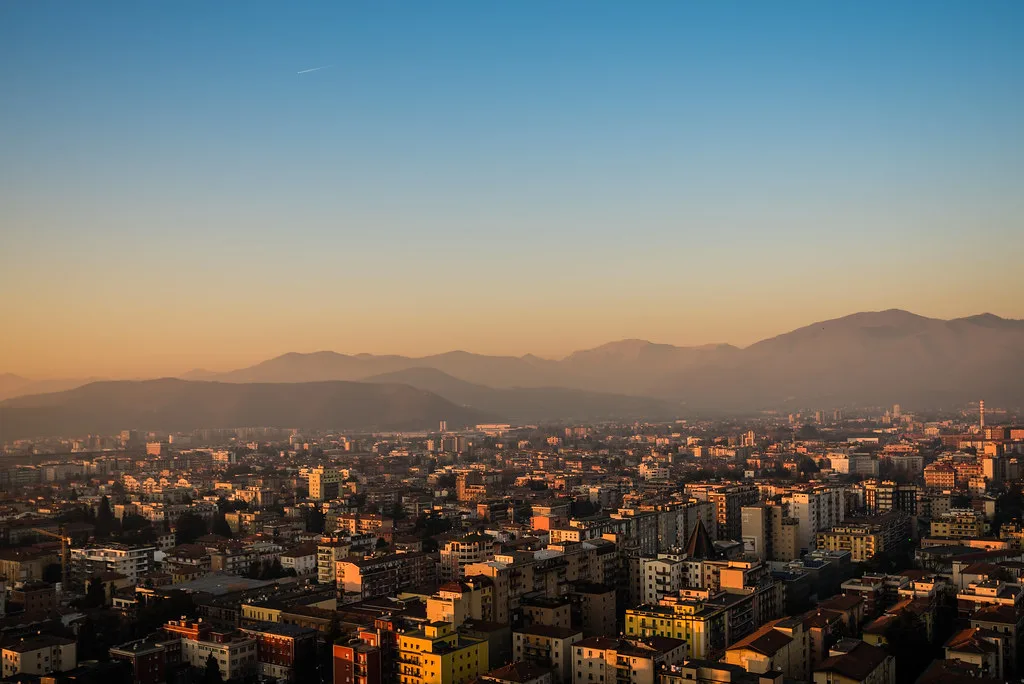
Brescia sits roughly between Milan and Verona and has long stayed off the main tourist circuit, which is exactly why a day of free sightseeing here feels unhurried. The Cidneo hill that rises above the centre shelters ancient remains, and the castle on top is one of the best-preserved fortifications in northern Italy.
The good news for a budget day is that entry to the castle complex is free, according to a Brescia guide that also notes small fees apply for the museums inside. From that hill you can look down on domes, rooftops and the flat Lombard plain without buying anything at all.
What 'Free' Means in Brescia
Brescia's rewards are split between two categories that are easy to confuse. Public squares, the castle hill and grounds, and several church interiors cost nothing to enter, while the major collections are separately ticketed. Treating the city as one combined ticket will lead you to overpay or to miss the free parts entirely.
The city's Roman and Lombard heritage is inscribed on the UNESCO World Heritage List, and much of it can be appreciated from the street. The Capitolium's columns, the forum area and the layered architecture of the historic centre are visible as you walk, so you can absorb the setting before deciding whether to pay for interiors. That said, the archaeological site with the Capitolium, Republican Sanctuary and Roman Theatre is a ticketed complex, so plan your budget around it rather than assuming open access.
A Free Squares Walk Through the Historic Centre
Start at Piazza del Foro, where the towering Corinthian columns of the Roman Capitolium stand against the sky. This is Brescia's most photographed ancient corner, and walking the square costs nothing. Then head through the historic centre toward Piazza Paolo VI, known locally as Piazza del Duomo, where the Old and New Cathedrals face each other across a square framed by the medieval Broletto.
Piazza della Loggia is the Renaissance showpiece, lined with Venetian-style buildings and centred on a clock tower whose astronomical dial draws a crowd. Two figures on top, nicknamed the crazy timekeepers, strike the hour with hammers, and the square works as a natural pause between sights. Finish at Piazza Vittoria, a 1930s square that looks completely different from the older piazzas, with the INA Tower rising above it.
Cidneo Hill and Brescia Castle Grounds
The walk up Cidneo Hill is the best-value experience in the city, combining a climb, a castle and panoramic views in one go. Routes from the historic centre involve cobbles, steps and sloping paths, so comfortable shoes matter. The castle is called the Falcon of Italy, and its walls and towers offer a vantage point over the whole city. Further visitor details appear in 12 Best Things to do in Brescia, Italy (Pocket Guide).
Entry to the castle complex is free, according to a guide to Brescia, though a small fee applies for the on-site museums. That distinction is worth repeating: you can wander the fortifications, see the Venetian lion of St Mark on the gate and enjoy the gardens without paying, but you cannot assume the arms collection or other indoor exhibits come with the same access.
Within the castle grounds, the Pusterla vineyard on the slopes is described as one of the oldest urban vineyards in Europe, and it makes a surprising free detour on the way up or down. Look for it rather than racing to the summit; the walk itself is part of the experience.
Free Cathedral Entry: The Duomo Vecchio
The Old Cathedral, known as the Rotonda, is a circular Romanesque building and the largest of its kind according to a Brescia travel guide, which also reports that visiting is free and open to all. Its round plan and crypt make it a worthwhile stop even if you have already seen plenty of churches.
Right beside it, the Duomo Nuovo took more than two centuries to build and mixes Renaissance, Baroque and Neoclassical styles. Admission arrangements for the New Cathedral are not something to assume; check locally or consult the cathedral authorities before planning your day around it. This is the pragmatic approach throughout Brescia: confirm at the door rather than relying on a blog.
Churches and Quiet Corners Without Tickets
Beyond the two cathedrals, several churches offer atmospheric interiors without an admission fee. Santa Maria della Carità hides Baroque ceiling frescoes behind an unassuming facade, while Santi Nazaro e Celso rewards a short detour with marble columns and calm. San Faustino in Riposo, first built around the 8th or 9th century and rebuilt after a fire, is one of the older church sites in Italy.
Church entry expectations vary, so treat these as no-ticket stops rather than guaranteed free attractions and check on site. Dress respectfully and avoid visiting during services, and accept that a donation box may be present. For a broader set of overlooked corners, our guide to hidden gems in Brescia is a useful companion.
What Is Paid Nearby
The Santa Giulia Museum Complex is the city's flagship collection, housed in a former Benedictine monastery founded in the 8th century and containing thousands of artefacts that trace Brescia from prehistory into the 18th century. It is a UNESCO site and needs a couple of hours at minimum. Entry is ticketed, so budget for it if you want the full picture.
The Capitolium interior and the underground Republican Sanctuary are part of a ticketed archaeological area, and the castle's museums, including the Luigi Marzoli Arms Museum, charge separately. The Palazzo Martinengo underground route is described as free in principle, but hours should be checked. For current ticketing and opening details, use the official Brescia Musei website and confirm each site individually.
The Teatro Grande is one of Italy's important historic theatres, and a travel guide describes guided tours during the summer months rather than year-round access. Verify availability before planning around a visit, since performances take priority. The Queriniana Library, founded in 1747 and holding more than half a million works, is described as free to visit and worth checking for opening times.
Free-to-Watch Local Experience
Part of Brescia's appeal costs nothing: aperitivo culture. Locals gather in the piazzas before lunch or dinner, particularly at weekends, and joining the scene with an espresso or a drink is a small spend in exchange for the atmosphere of the square.
Food heritage is another free pleasure, from the local casoncelli pasta to Franciacorta wine and Bagoss cheese from the nearby town of Bagolino. Tasting these is a purchase, but reading menus and watching the city eat is part of the experience. The Mille Miglia race gives Brescia its car culture, and the story is free to encounter in the streets and in the museum quarter.
A Free Day on Foot: Route and Pacing
Build your day around one loop rather than criss-crossing the city. Begin at Piazza del Foro, walk the historic squares until you reach Piazza della Loggia and Piazza Vittoria, then climb Cidneo Hill for the castle grounds and views. End at Piazza Paolo VI to step into the Old Cathedral, which keeps your walking logical and lets you reserve paid visits for a second day.
Via dei Musei links several of the city's key sites along one street, making it a natural spine for a no-ticket stroll past museum entrances you can defer. Pace yourself: the hill climb is the demanding part, so do it while you are fresh. If you only have one day in Brescia, a guide suggests choosing a couple of major sights and not rushing the rest, which fits a free itinerary well.
Free Stops Around Day Trips
Brescia works as a base for Lake Garda and for day trips to Milan, Verona and Bergamo, and its position means you can save money by treating the city's free squares and castle as your main sightseeing rather than paying for everything. A guide suggests allowing one to two days for Brescia itself and three to four if you add the surrounding area.
Day trips involve their own transport and entry costs, so keep your budget realistic and verify fares and opening times with the operators rather than relying on older guides. Staying within walking distance of the historic centre reduces the need for local transport and keeps a low-cost trip simple.
Plan Your Low-Cost Brescia Day
Brescia proves that a memorable Italian city day does not require a stack of tickets. The castle grounds, four historic squares, the Old Cathedral and a handful of churches carry most of the atmosphere, and the walk up Cidneo Hill gives you the best view in the city for nothing. For a fuller list of overlooked corners, use our hidden gems guide before you go.
Do pay for Santa Giulia or the Capitolium interior if time and budget allow, since the collections explain the layers you have been walking through. Check opening times and ticket details with the official city museums before your visit, and keep the free stops as the backbone of your itinerary.
Frequently Asked Questions
What can you do for free in Brescia?
You can wander the historic squares, including Piazza del Foro, Piazza Paolo VI, Piazza della Loggia and Piazza Vittoria, and climb Cidneo Hill to explore the castle grounds, where a Brescia guide reports entry to the complex is free. The Old Cathedral is also described as free to enter. Several churches are no-ticket stops, though entry expectations vary and should be confirmed on site.
Is Brescia Castle free to enter?
Yes, according to a visitor guide, entry to the castle complex is free and small fees apply for the on-site museums. That means you can walk the walls, see the views and enjoy the grounds without paying, but the arms collection and other exhibitions are separate. Check current arrangements at the castle before you visit.
Is the Old Cathedral in Brescia free?
A Brescia travel guide reports that visiting the circular Romanesque Old Cathedral, known as the Rotonda, is free and open to all. Entry rules for neighbouring churches can differ, so confirm at the door rather than assuming every church in the city works the same way.
Can you see the Roman Capitolium without buying a ticket?
You can see the Capitolium's surviving Corinthian columns from Piazza del Foro without entering the site. The Capitolium interior and the underground Republican Sanctuary form part of a ticketed archaeological area, so plan to pay if you want a closer look. Current ticketing details are best confirmed with the city museums.
How many days do you need in Brescia on a budget?
A travel guide suggests one to two days for Brescia itself, which is enough to cover the free squares, castle and cathedrals at an easy pace. Add three to four days if you want to include paid museums and day trips around Lake Garda.
What is Brescia best known for?
Brescia is known for its UNESCO-listed Roman and Lombard heritage, including the Capitolium and the Santa Giulia complex, plus its historic piazzas and the hilltop castle. The Mille Miglia classic car race and its casoncelli and Franciacorta food culture add to its identity as an underrated northern Italian city.
Sources
Continue exploring
More guides you'll find useful