Best Time to Visit Bergamo Avoiding Crowds: A Season Guide
Plan Bergamo around calm weeks and quieter hours. Compare seasons, weather tendencies and events like the Donizetti Opera festival and Christmas markets.
On this page
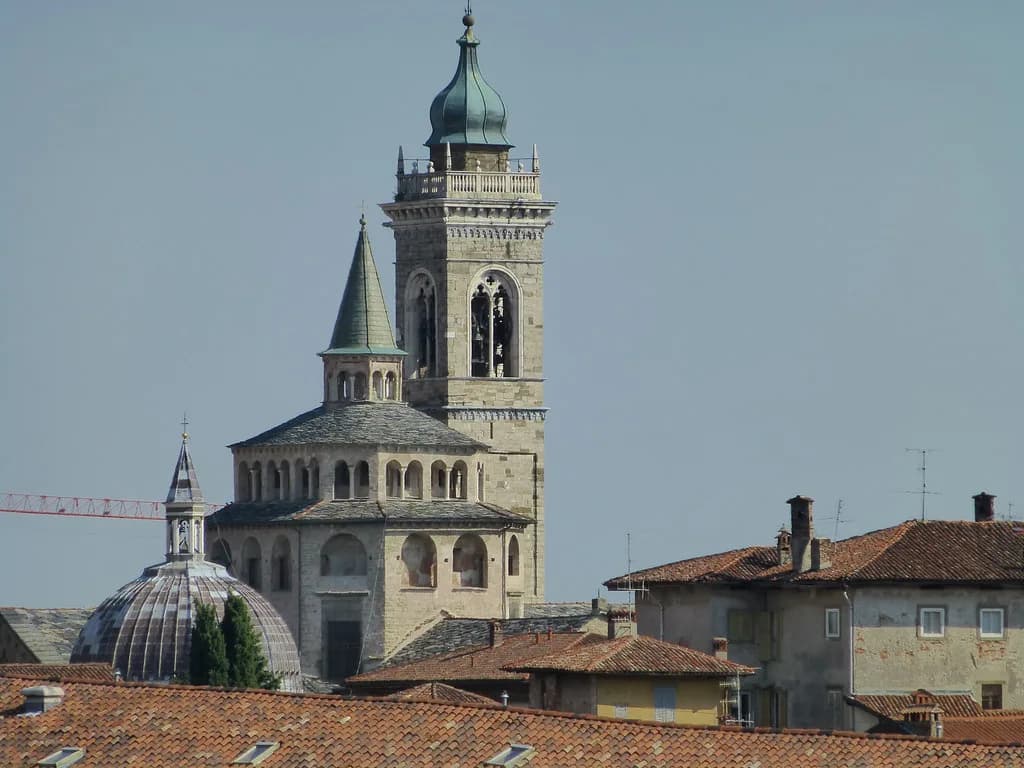
Bergamo splits into two towns, and that shapes every timing decision you make. Città Alta sits on its hill with steep lanes, narrow passages and the Venetian Walls, while Città Bassa spreads across the plain below with the station, airport links and most everyday services. Because the historic core is compact, the difference between a crowded afternoon and a calm morning is often a matter of a few hours rather than a whole season. Visitor details: Home | Visit Bergamo.
The practical headline is that shoulder seasons usually give the best balance for walkers and slow travellers. Traveller advice published on a Bergamo travel blog frames late April to June and September to October as the sweet spots, with mild days, longer light and gentler volume than midsummer. Nothing about those months is guaranteed, so treat them as a starting preference and check forecasts closer to your dates. The bigger crowd lever is not the month at all but which day of the week and which hour you spend in the upper town. Further visitor details appear in The Best Time to Visit Bergamo - Victoria Van Der Berg.
Why Timing Shapes a Bergamo Trip
Bergamo is not one uniform destination where crowds spread evenly. The upper town concentrates visitors in a small area around Piazza Vecchia and the lanes that radiate from it, while the lower town absorbs people across a wider grid of streets, museums and shops. That means an event or a weekend surge can feel intense on the hill while the lower town still feels ordinary, so plan your Città Alta time with more care than your Città Bassa time.
The official tourism portal is the most reliable place to confirm what is actually running during your dates. It carries an events and experiences listing alongside practical sections on getting around, tourist information points and museum opening times, which you should check before locking in a festival week. Treat any third-party list of annual events as a prompt for further checking rather than a confirmed schedule.
Walls and lanes also mean climbing and uneven stone, so timing has a comfort dimension beyond crowd numbers. A hot midday in July is harder work on steep cobbles than the same walk in May or October. Build your day around the hours when you can walk comfortably, and the crowd problem often solves itself.
The Headline Answer: Late Spring or Early Autumn
If you want a single recommendation, aim for late April to June or September to mid-October. A weather-focused travel guide describes April highs in the mid-teens Celsius, May and early June reaching the low-to-mid twenties, September still summery and October crisp. These are tendencies drawn from past seasons, not promises, so keep a layer and a light rain plan in your bag.
Spring brings terraces reopening, wisteria over old doorways and long golden light on the honey-coloured stone, according to the same blogger's seasonal account. Early autumn trades that bloom for softer light, thinning visitors and heartier food as polenta and game return to menus. Both windows let you walk the walls without the summer heat and without the festival-season pressure of November and December.
The Quietest Windows: January, February and Weekday Mornings
January and February are the sleepiest months, and one source calls them the cheapest and most peaceful, with grey or foggy days balanced by a quieter city and easier tables. The trade-off is real: short daylight, cold damp air and the possibility of fog rolling over Città Alta. If atmosphere matters more than sunshine, this is when Bergamo feels most like itself rather than like a visitor destination.
The most repeatable tactic is to be in Città Alta early and late. The same traveller account advises visiting the upper town before day-trippers arrive and after they leave, and notes that weekends are busiest year-round because Milan comes up the hill. This is visitor advice rather than an official rule, but it is easy to test: walk the same lane at nine in the morning and at three in the afternoon and compare.
Weekdays outside holiday periods are the calmest bet for the funicular, Piazza Vecchia and the main lanes. If your trip falls on a weekend, protect one early morning for the upper town and use the busier middle of the day for the lower town, a long lunch or a museum interior. That reordering costs nothing and changes the feel of the whole day.
Spring: Blooming Terraces and Golden Light
Spring builds gradually, with March still unpredictable and April onwards becoming the reliable stretch. The blogger who writes about Bergamo's seasons calls late spring the city at its best, with warm clear days, green hills and crowds that have not yet arrived in force. She singles out May and early June as the easiest all-round balance when everything is in tune.
For walking the Venetian Walls, spring is close to ideal: mild temperatures, long daylight and dry stone underfoot most days. Carry a light jacket for cool mornings and evenings, sunglasses for bright afternoons and flat shoes with grip for the cobbles. Rain can appear in any month, and Bergamo is compact enough that a shower is mainly an excuse to step into a church or café.
Summer: Long Evenings, Ferragosto and the Lakes
Summer in Bergamo is warm rather than oppressive, and the upper town catches a breeze the plain misses, according to the same seasonal guide. Evenings stretch late, which makes dusk on the walls one of the best free experiences in the city. The catch is midday heat on steep lanes and a mid-August holiday period when some family-run restaurants take their own break, so check individual places rather than assuming everything is open.
Summer also suits pairing the city with the nearby lakes, when a day on the water makes more sense than another afternoon on hot stone. If your priority is empty lanes rather than long light, summer is the wrong trade. If your priority is swimming, boat trips and late dinners, it works well as long as you start early in Città Alta.
Autumn: Soft Light, Harvest Food and the Opera Crowd
Early autumn rivals spring for beauty, with mild days, thinning visitors and the first hearty dishes of the season appearing on menus. The grape harvest fills the Valcalepio hills and the new wine tastes of the season, which makes a vineyard day a sensible autumn plan. That combination of light and food is why September and early October sit high on most timing lists.
November changes the picture because of the Donizetti Opera festival, when the theatre named for the city's composer fills with performances and the upper town draws opera-goers from elsewhere. The same account calls it the most sought-after time in the upper town, so book rooms and tickets early if the festival is your reason to come. Outside festival dates, November is often wet and quiet, which suits some travellers and discourages others.
Winter: Markets, Fog and Atmospheric Lanes
December brings Christmas markets, lights strung through the old streets and a Città Alta wrapped in fog and lamplight. It is cold, and the blogger is candid that a cup of mulled wine by the walls is a small joy rather than a warm one. If festive atmosphere is the goal, December delivers it, but expect the market weekends to be the busiest part of the month.
January and February strip the city back to locals going about their day, with short daylight and a genuine chance of mist over the towers. Photographers who like moody frames often prefer this to bright summer light, because the walls and towers dissolve into grey. Pack a proper coat, a scarf, something waterproof and sturdy shoes for damp stone, and treat a foggy morning as the main event rather than a setback.
Events That Change Crowd Levels
A handful of recurring events reshape the visitor calendar, and the Donizetti Opera festival, Christmas markets and the feast of Sant'Alessandro on 26 August are the ones worth checking. The city's patron saint day brings festivities, while spring and early summer scatter food and wine fairs through the valleys, and the Mille Miglia classic-car parade passes through this part of Lombardy. Confirm dates and any ticketing details on the official tourism site and the organisers' own pages before booking travel.
The tourism portal also lists guided experiences with published starting prices, such as walking tours of Bergamo Alta and wine tastings in the surrounding hills. Those prices are displayed against specific dated offers, so read the listing carefully rather than assuming a rate applies to your date. If a tour matters to your trip, check availability directly with the operator before you build a day around it.
Weekends Versus Weekdays in Città Alta
Weekend volume is the single most predictable crowd pattern in Bergamo, and it comes from Milan as much as from overseas visitors. The traveller account is explicit that the upper town is busiest at weekends year-round and quietest on weekdays and in deep winter. If your dates are fixed to a weekend, shift your upper-town visit to the first hours of the morning and save the afternoon for the lower town.
Funicular queues and the tightest lanes around Piazza Vecchia are where a busy day is felt most. Arriving at opening time gives you the square and the walls in relative calm before groups form, and the light is better for photographs anyway. Late afternoon after the day-trippers thin out is the other reliable window, especially in spring and autumn when the sun sets at a civilised hour.
Best Months for Walking the Venetian Walls
The walls are a walk, not a single sight, so weather and footing decide how much you enjoy them. Spring and early autumn give the kindest combination of mild air, long daylight and generally dry stone, while midsummer midday heat and winter damp both make the circuit harder. If the walls are your priority, put them in the first morning of your trip before anything else competes for your energy.
Footwear matters more than most packing lists admit, because Bergamo's beauty and its slippery old flagstones come as a pair. Flat shoes with grippy soles, a light layer for a breeze on the ramparts and a folding umbrella in any season cover most situations. For a wider look at overlooked corners beyond the main viewpoints, our guide to the hidden gems in Bergamo is a good companion to a walls walk.
How Many Days and How to Split the Two Towns
A short break of two full days lets you give one morning to Città Alta and one to Città Bassa without rushing either. A single day is enough for a first taste if you stay focused on the upper town and the funicular, but it leaves little room for museums, churches or a proper lunch. Three days or more opens up a valley day, a vineyard visit or a lake trip without squeezing the city itself.
The workable pattern is to sleep low and explore high early. Stay in Città Bassa for easier transport links and evening choice, then take the funicular up at the start of the day, walk the walls and lanes while they are quiet, and descend for the afternoon. That structure also protects you if the weather turns, because the lower town has more indoor options to fall back on.
Common Timing Mistakes
The most frequent error is booking a festival week and then hoping for calm. November's opera season and December's market weekends are exactly when the upper town fills fastest, so choose them deliberately for the event and accept the company. If quiet is the goal, aim for a plain weekday in late spring or early autumn and let the atmosphere come from the city rather than a programme.
The second mistake is choosing deep summer for long wall walks. Warm weather is pleasant, but steep cobbles and midday sun make the climb a chore, and the mid-August holiday period can thin out restaurant choice. Start early, carry water, rest at lunch and save the strenuous walking for the cooler ends of the day.
Plan Your Visit
Choose late April to June or September to early October for the easiest balance of weather and volume, and keep January and February in mind if you want the quietest version of the city. Whatever month you pick, the decisive move is scheduling Città Alta for early morning or late afternoon on a weekday. That single habit changes the texture of a Bergamo trip more than any date on the calendar.
Before booking, confirm the current event calendar and any ticketed experiences on the official tourism site, and read operator listings for the specific dates you plan to travel. Layer clothing, wear shoes with grip and leave room in the plan for fog, rain or a long lunch. For more ways to spend a slow day once you are there, browse the hidden gems in Bergamo.
Frequently Asked Questions
What is the best month to visit Bergamo?
Late May or early June is often the easiest all-round choice, with mild days, long light and crowds that have not yet peaked. September and early October compare well, trading spring bloom for softer light and thinning visitors. Both are preferences based on typical conditions, so check the forecast and the events calendar for your exact dates before you book.
When is Bergamo least crowded?
January and February are the sleepiest months, with short daylight and grey or foggy days but far fewer visitors in Città Alta. On any date, a weekday morning in the upper town is calmer than a weekend afternoon, when day-trippers from Milan arrive. Arriving at opening time and leaving before the middle of the day is the most reliable tactic.
Are weekdays quieter than weekends in Città Alta?
Yes, according to traveller reports, which describe the upper town as busiest at weekends year-round and quietest on weekdays and in deep winter. That is visitor advice rather than an official rule, but the pattern is easy to work around by scheduling the hill early. Save the middle of the day for Città Bassa, a museum or a long lunch.
Is November a good time to visit Bergamo?
November suits opera lovers because the Donizetti Opera festival draws audiences to the Teatro Donizetti and the upper town, and rooms and tickets should be booked early. Outside festival dates it is often wet and quiet, which some travellers enjoy and others find bleak. Check the festival programme and the weather outlook for your chosen week rather than treating November as a single experience.
What is the best season for walking the Venetian walls?
Spring and early autumn give the kindest conditions, with mild temperatures, longer daylight and generally drier stone underfoot. Midsummer midday heat makes the climb harder, and winter damp calls for sturdy, grippy shoes. Walk the walls in the morning of your first full day, before heat or crowds build, and carry a light layer for the exposed stretches.
How many days in Bergamo is enough?
Two full days give you one morning for Città Alta and one for Città Bassa without rushing, while three days or more allow a valley, vineyard or lake day. A single day covers a first taste if you focus on the upper town and the funicular. This is a suggested pace rather than an official recommendation, so adjust it to your interests and walking speed.
Sources
Continue exploring
More guides you'll find useful