12 Unique Things to Do in Reykjavik in 2026 (Beyond Hallgrímskirkja)
Find 12 unique things to do in Reykjavik in 2026, from a punk museum in an old toilet to a free tidal footbath and a Viðey Island ferry.
On this page
12 Unique Things to Do in Reykjavik That Skip the Standard Checklist
Last updated August 2026, this guide moves past Hallgrímskirkja and Harpa to cover unique things to do in Reykjavik that locals actually recommend. Iceland's capital packs a former public toilet turned punk museum, a tidal footbath, and a longhouse under glass into one walkable core. The picks below sort by traveler type, so an art hunter and a geothermal obsessive can each build a different day from the same list.
12 Unique Things to Do in Reykjavik
The list below mixes offbeat museums, tidal geothermal stops, and neighborhood detours instead of repeating a standard Golden Circle checklist. Entries suit different travelers, from an art hunter chasing offbeat museums to a geothermal obsessive comparing pools. Each one names the actual place, a current price where one is published, and who it suits best.
- Icelandic Punk Museum — For the Art Hunter
- Downtown's punk museum occupies a former underground public toilet, its walls papered in cut-and-paste zine style.
- Entry runs about 1,500 ISK, and the museum stays open daily until 6 PM as of 2026.
- Headphones hang from the ceiling like old record-shop listening stations, so the sound archive works even for visitors who skip the reading.
- Icelandic Phallological Museum — For the Curious Skeptic
- This is the world's only museum dedicated entirely to phallology, and it sits near Reykjavik's harbor.
- The collection reads as serious natural history once the novelty of the name wears off, with specimens organized by species.
- A short stroll connects the museum to the waterfront, so it pairs easily with a harbor walk.
- Chromo Sapiens Hair Cave — For the Sensory Seeker
- Icelandic artist Shoplifter built this cave-like installation from dyed synthetic hair, LED light, and ambient sound.
- Walking through feels closer to entering a sculpture than viewing one, and most visits run under an hour.
- For more offbeat stops in this vein, the Reykjavik hidden gems guide rounds up similar picks.
- The Settlement Exhibition — For the History Enthusiast
- This museum is built directly around a 10th-century longhouse excavated on the site in 2001.
- Multimedia displays layer over the actual ruins, so the exhibit reads more like an active dig than a static hall.
- It sits close enough to the Punk Museum to combine both stops in one downtown morning.
- Kvika Footbath at Seltjarnarnes — For the Free-Spa Minimalist
- This tiny stone footbath on the Seltjarnarnes peninsula is free and holds only a handful of people at a time.
- Locals tend to time visits for sunset, when the geothermal water contrasts with the cooling air off the shoreline.
- The Reykjavik secret spots guide covers a few more low-key stops like this one.
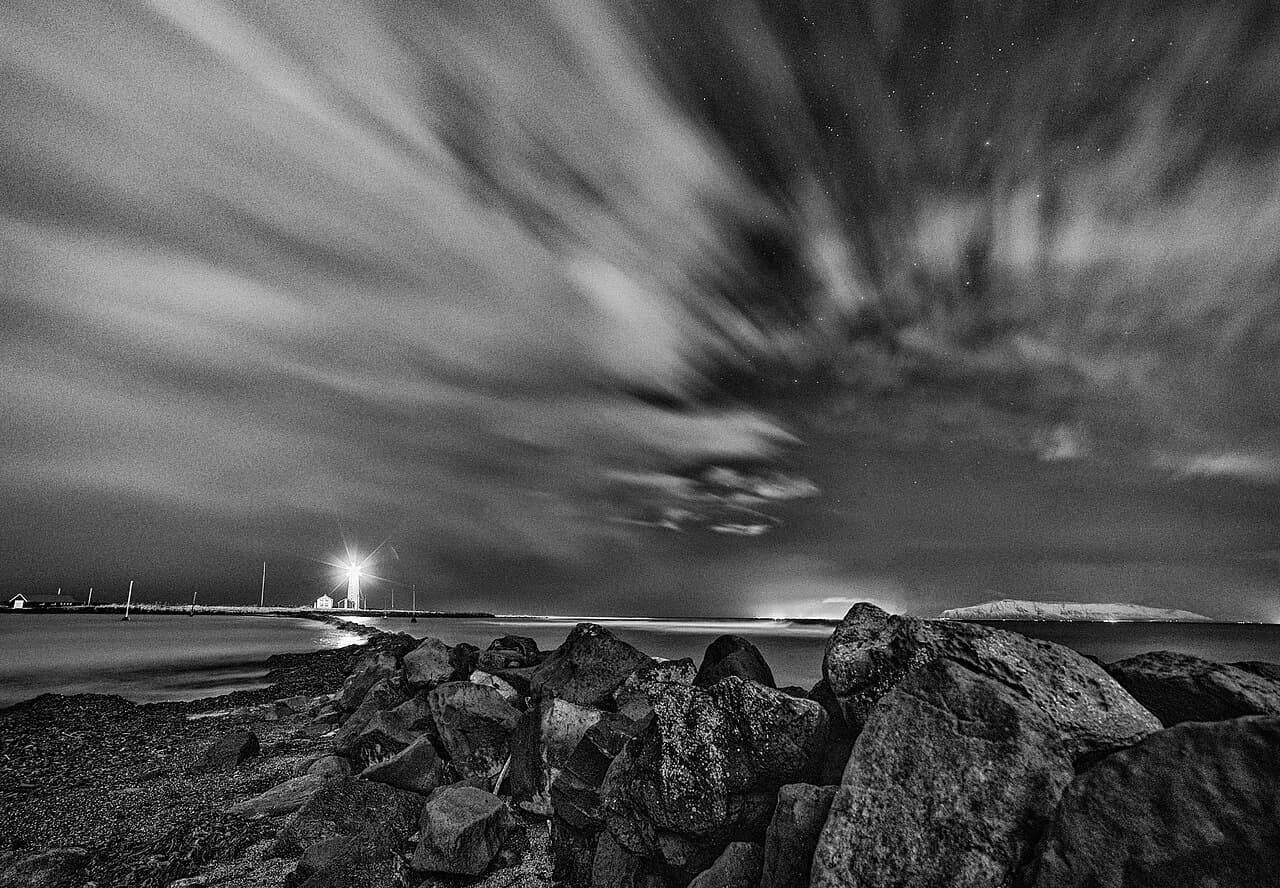
- Grótta Lighthouse Causeway — For the Tide-Chaser
- A tidal causeway connects the mainland to the lighthouse, and it is only walkable at low tide.
- Check tide tables before setting out, since the causeway floods and can strand visitors at high tide.
- The Grotta Lighthouse guide breaks down timing and access in more detail.
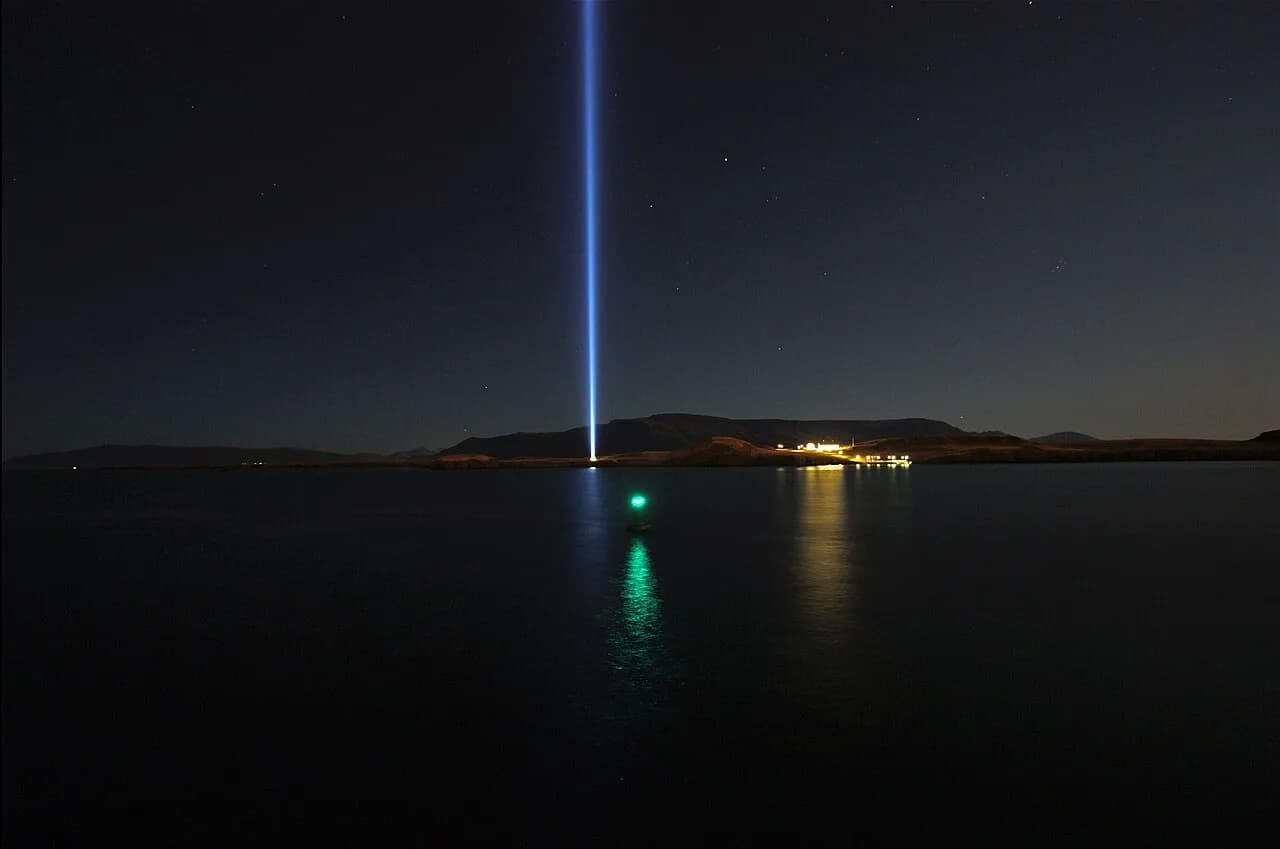
- Ferry to Viðey Island — For the Art-and-Nature Combo
- A short ferry crosses to Viðey, home to Yoko Ono's Imagine Peace Tower.
- The tower lights on a limited seasonal schedule, so confirm current dates before planning a visit around it specifically.
- The Videy Island guide covers ferry schedules and seasonal opening windows.
- Sky Lagoon's Seven-Step Ritual — For the Geothermal Obsessive
- Sky Lagoon sits roughly a 10 to 15-minute drive from downtown Reykjavik.
- Entry starts around 6,590 ISK based on currently published rates for 2026.
- The signature ritual sequences seven stages, including a cold plunge and a steam bath, before you return to the lagoon's infinity edge.
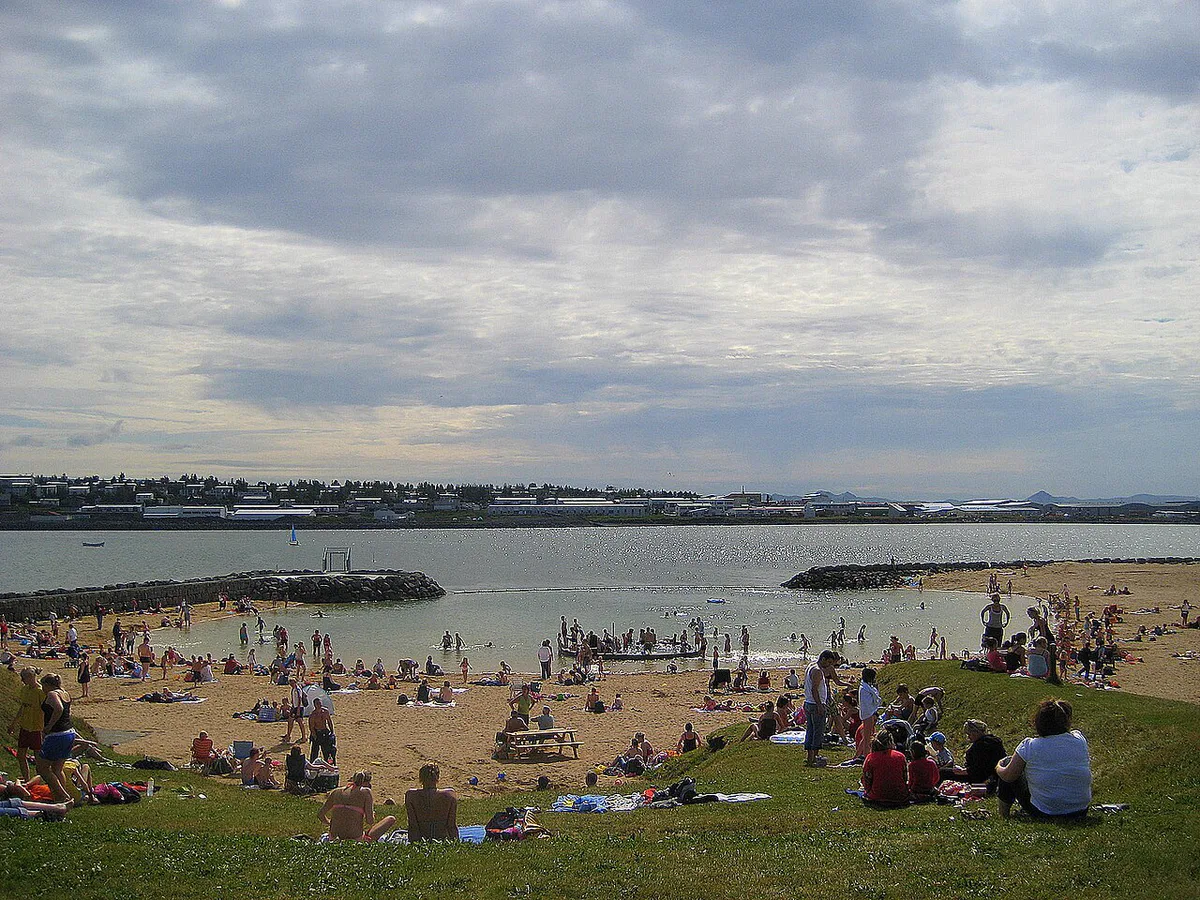
- Nauthólsvík Geothermal Beach — For the Cold-Water Swimmer
- Geothermal water is piped into a small lagoon here, so it meets the cold ocean right at the shoreline.
- Summer access is free, while the winter season carries roughly a 1,000 ISK fee for the heated facilities.
- The Nauthólsvík beach guide has current seasonal hours and fee details.
- Fischersund Perfume Gallery — For the Sensory Shopper
- This scent shop and gallery occupies a historic family house rather than a standard retail space.
- Every bottle comes with a story, and video art on Icelandic flora plays alongside the fragrance bar.
- It works well as a rainy-day stop when outdoor plans in Reykjavik stall.
- Grandi Harbor District — For the Slow Wanderer
- Grandi has shifted from working boat sheds into boutiques, galleries, and the Marshall House arts complex.
- Omnom Chocolate runs a factory shop a short walk from the harbor's fishing boats.
- Murals from the Wall Poetry project add building-sized art nearby, and the Grandi harbor guide maps the district's shops in full.
- Bæjarins Beztu Pylsur and Café Loki — For the Culinary Brave
- Bæjarins Beztu Pylsur is Reykjavik's best-known hot dog stand, with a loaded dog running about 600 ISK.
- Café Loki sits across from Hallgrímskirkja and serves rye bread ice cream alongside traditional plates.
- The Reykjavik Local Food Guide: Where the City Actually Eats in 2026 has more picks like these two.
Reykjavik's Geothermal Experiences, Compared
Reykjavik offers three distinct ways to get into hot water, and picking the right one comes down to budget and how much ritual is built in. Icelandic pool culture requires a thorough naked shower before anyone enters the water, a rule that is signposted and enforced at every public pool. The Laugardalur neighborhood guide has more on the area around Laugardalslaug.
| Option | Price | Distance from Downtown | Best For |
|---|---|---|---|
| Sky Lagoon | From 6,590 ISK | About 10-15 min drive | A full ritual and an ocean-facing infinity edge |
| Nauthólsvík Geothermal Beach | Free in summer, about 1,000 ISK in winter | In-city beach | An outdoor swim where hot water meets the sea |
| Laugardalslaug / Vesturbæjarlaug local pools | About 1,430 ISK adult entry | Neighborhood pools across the city | Everyday hot-pot culture and people-watching |

Neighborhoods That Reward a Slower Look
Þingholt's side streets, tucked behind Tjörnin, stay quiet with colorful corrugated-iron houses even when Laugavegur is packed nearby. Vesturbær adds a residential, local-pace contrast west of downtown, with its own pool culture and neighborhood cafes. A dedicated Thingholt neighborhood guide maps out the quietest streets in more detail. Its companion Vesturbaer neighborhood guide covers the western side in more depth. For a fuller area-by-area breakdown, the Reykjavik Neighborhoods Guide: Where to Stay and Explore in 2026 lays out how the districts connect. Travelers wanting more low-traffic picks can check the off-the-beaten-path Reykjavik guide as well.
Neighborhood pools at about 1,430 ISK provide budget-friendly geothermal access in quieter areas like Þingholt, avoiding both downtown crowds and the 6,590 ISK Sky Lagoon price tag.
Budgeting, Timing, and Getting Around
Reykjavik splits cleanly into free options and paid splurges, so a day can flex to almost any budget. Sun Voyager, a walk around Tjörnin, and the Kvika footbath cost nothing beyond getting there. Sky Lagoon, the Punk Museum, and Flyover Iceland-style attractions sit at the paid end of the scale. Travelers hitting several museums plus the city bus system often find the Reykjavik City Card pays for itself within a day or two. Tap water in Reykjavik is safe and tastes clean straight from the tap, so skip bottled water entirely. Downtown Reykjavik is walkable end to end, and the Strætó bus network covers stops farther out like Nauthólsvík or the Sky Lagoon turnoff. Sit-down dinners cost more, and the best local restaurants guide covers pricier options beyond the quick bites above. For a longer list of no-cost stops, the free things to do guide has more options beyond the ones above. Shoulder-season travel changes the crowd math considerably. The best time to visit guide breaks down when museums and pools run quietest.
Entry prices span from downtown's 1,500 ISK museums to Sky Lagoon's 6,590 ISK, yet the priciest geothermal option sits merely 10 to 15 minutes' drive away. Budget tiers and travel distance don't correspond in this compact city.
Extending the Trip With a Day Trip
A day or two in Reykjavik pairs naturally with time spent beyond the city, especially on a short Iceland stopover. The Reykjanes Peninsula day trip guide covers a route that works well as a half-day or full-day add-on. For a broader menu of options, the best day trips guide compares routes and timing.
Hlemmur Mathöll: From Bus Terminal to Food Hall
Hlemmur Mathöll occupies a former bus-terminal building at the eastern end of Laugavegur. The conversion preserved its everyday neighborhood role while turning the interior into a compact food hall.
Independent counters share communal seating, making Hlemmur practical for groups who want different meals without booking a restaurant. It also offers shelter during sudden rain or strong winds. Visit before the main dinner rush for a better chance of finding a table.
The surrounding Hlemmur area reveals a less polished side of central Reykjavik. Walk west along Laugavegur for shops and street life, or head east toward quieter residential blocks. The nearby Hlemmur bus stops connect downtown with districts beyond the walkable center. This makes the food hall an easy lunch stop before visiting Laugardalslaug or other attractions outside the core.
Frequently Asked Questions
What are the most unique things to do in Reykjavik?
Icelandic Punk Museum stands out most, since it occupies a former underground public toilet turned into a DIY music archive. Kvika Footbath ranks as the next most distinctive pick, since it is free and fits only a handful of people at a time. Both differ sharply from the standard church-and-concert-hall circuit most first-time visitors default to.
Is the Icelandic Phallological Museum worth visiting?
It reads as a serious natural-history collection once the novelty of the name wears off. Its location near the harbor makes it easy to pair with a waterfront walk. Visitors who expect a joke shop usually leave surprised by how the collection is organized.
Is Nauthólsvík Geothermal Beach free to visit?
Summer access is free, based on current published information. A winter fee of roughly 1,000 ISK applies once the heated facilities switch to their cold-season setup. Confirm current hours before a visit, since seasonal schedules can shift year to year.
Do you need a car for these unique Reykjavik experiences?
Most of the picks on this list sit within walking distance of downtown Reykjavik. Sky Lagoon and Nauthólsvík sit a short drive or bus ride away, and the Strætó network reaches both. A rental car only becomes useful once a day trip like Reykjanes Peninsula enters the plan.
How much time should I plan for Reykjavik's unusual attractions?
A single full day covers two or three museums plus one geothermal stop at a comfortable pace. Travelers adding Viðey Island or a day trip should plan for two full days in the city. Three days allows time for a neighborhood like Þingholt or Vesturbær without rushing.
Continue exploring
More guides you'll find useful