Best Time to Visit Reykjavik Without Crowds: A 2026 Local Timing Guide
Find the best time to visit Reykjavik without crowds, with month-by-month crowd levels, cruise-ship timing, and quiet neighborhood picks for 2026.
On this page
Best Time to Visit Reykjavik Without Crowds
Last updated August 2026, this guide breaks down the best time to visit Reykjavik without crowds through month-by-month crowd patterns, cruise-ship timing, and neighborhood detail. Late September into October, and April into May, offer the clearest trade-off. Weather holds steady enough for walking while foot traffic on Laugavegur drops far below its July peak.
The Verdict: The Best Time to Visit Reykjavik Without Crowds
For travelers prioritizing space over spectacle, late September through October and April through May stand out as Reykjavik's clearest windows. Both stretches carry thinner crowds than the June-to-August peak, without the near-total shutdown of deep winter. Winter, running November through March, still concentrates crowds around Northern Lights tours and New Year's Eve, even though overall visitor volume drops. January daylight runs only about 4-5 hours, which limits how much sightseeing fits around a Northern Lights tour. Quiet and empty are not the same thing in Reykjavik. Winter delivers close to empty streets outside those event nights, but limited daylight caps how much ground you can cover. Shoulder season delivers quiet rather than empty. Enough visitors keep restaurants and tours running, but short queues mean landmarks like Hallgrímskirkja rarely feel crowded. Shoulder months trade some of that solitude for daylight. Afternoons run close to 9°C (49°F) in May and 11°C (51°F) in September. That's enough light for a full day outdoors. Solitude versus daylight hours is the honest trade-off, and shoulder season is where the two overlap best.

Reykjavik Season Comparison: Crowds, Weather, and Prices
Crowd levels, temperatures, and hotel rates all move together across the year, which is why picking a month means weighing three variables at once. Use the table below as a quick reference, then check the month-by-month section for specific events and conditions.
The table shows rates track seasons, yet central hotels shift from upward of 30,000 kr in July to 18,000-20,000 kr by September. Price swings follow cruise-arrival calendars more precisely than monthly boundaries, making port schedules a better guide than dates alone.
| Season | Months | Crowd Level | Average High Temp | Daylight | Typical Price Level |
|---|---|---|---|---|---|
| Winter | November-March | Low overall, concentrated around Northern Lights tours and New Year's Eve | 2-4°C (36-39°F) | About 4-7 hours | Lowest nightly rates outside the New Year's Eve week |
| Spring shoulder | April-May | Low-moderate, rising toward June | 6-9°C (42-49°F) | About 14-18 hours | Rates climbing but still below summer peak |
| Summer peak | June-August | Highest of the year, cruise ships and tour groups daily | 12-13°C (54-56°F) | 21-24 hours (midnight sun) | Peak rates of the year |
| Fall shoulder | September-October | Low-moderate, easing after the August bank-holiday weekend | 7-11°C (44-51°F) | About 10-14 hours | Rates ease back toward spring levels |
Month-by-Month Crowd Levels in Reykjavik
Beyond the season-level overview, individual months carry their own quirks worth planning around.
- Winter (November-March): Fewest visitors of the year. Northern Lights tours still concentrate people at popular viewpoints on clear nights. New Year's Eve packs downtown Reykjavik for the city's public fireworks.
- Spring (April-May): Puffins return to coastal cliffs in late April. Roads reopen after winter closures and the city thins out again once winter tour groups leave. Reykjavik Arts Festival arrives right at the end of this window, in June, marking the shift into peak season.
- Summer (June-August): Midnight sun pushes daylight to roughly 21-24 hours. Cruise ships dock most days, and Laugavegur fills with day-trippers from breakfast through dinner.
- Fall (September-October): Crowds thin quickly once the August bank-holiday weekend passes. Northern Lights become visible again as nights lengthen, and hiking trail traffic drops even though most attractions stay open.
How the Cruise Ship Schedule Shapes Reykjavik's Daily Crowds
Reykjavik's downtown crowd level on any given day often depends less on the month than on how many cruise ships are in port. Multiple ships can dock at the Old Harbour on the same morning, sending a wave of passengers into the 101 District within a few hours. Port arrival information is typically posted well in advance, and a five-minute check before setting out is enough to plan around a heavy morning. Checking the day's arrivals before walking Skólavörðustígur or Laugavegur helps you dodge the densest stretch. A reverse-clock strategy helps at fixed landmarks too. Visit Hallgrímskirkja or Harpa Concert Hall right at opening, or during the early-evening dinner lull, when tour buses have moved on to their next stop.
Avoiding the Day-Trip Surge: What to Do While Tour Buses Are Gone
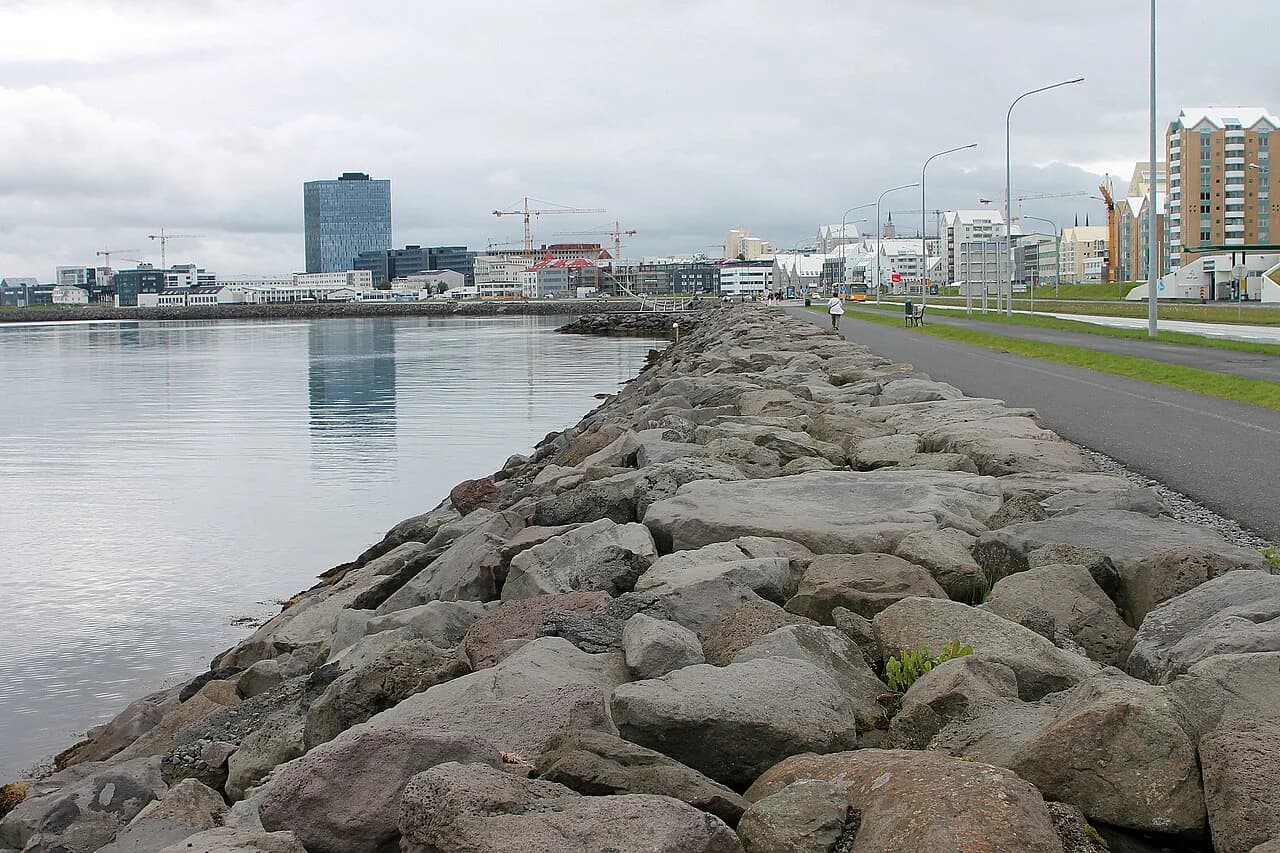
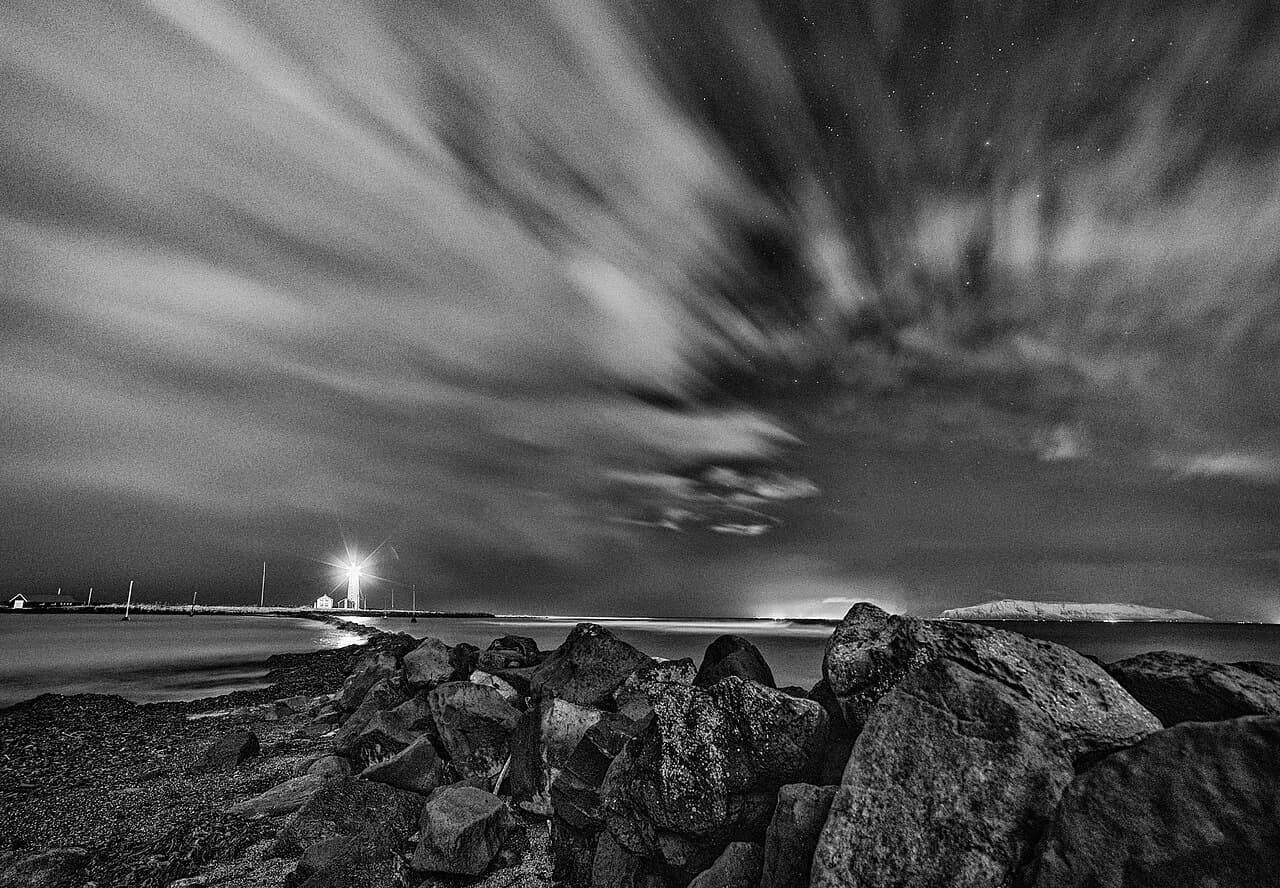
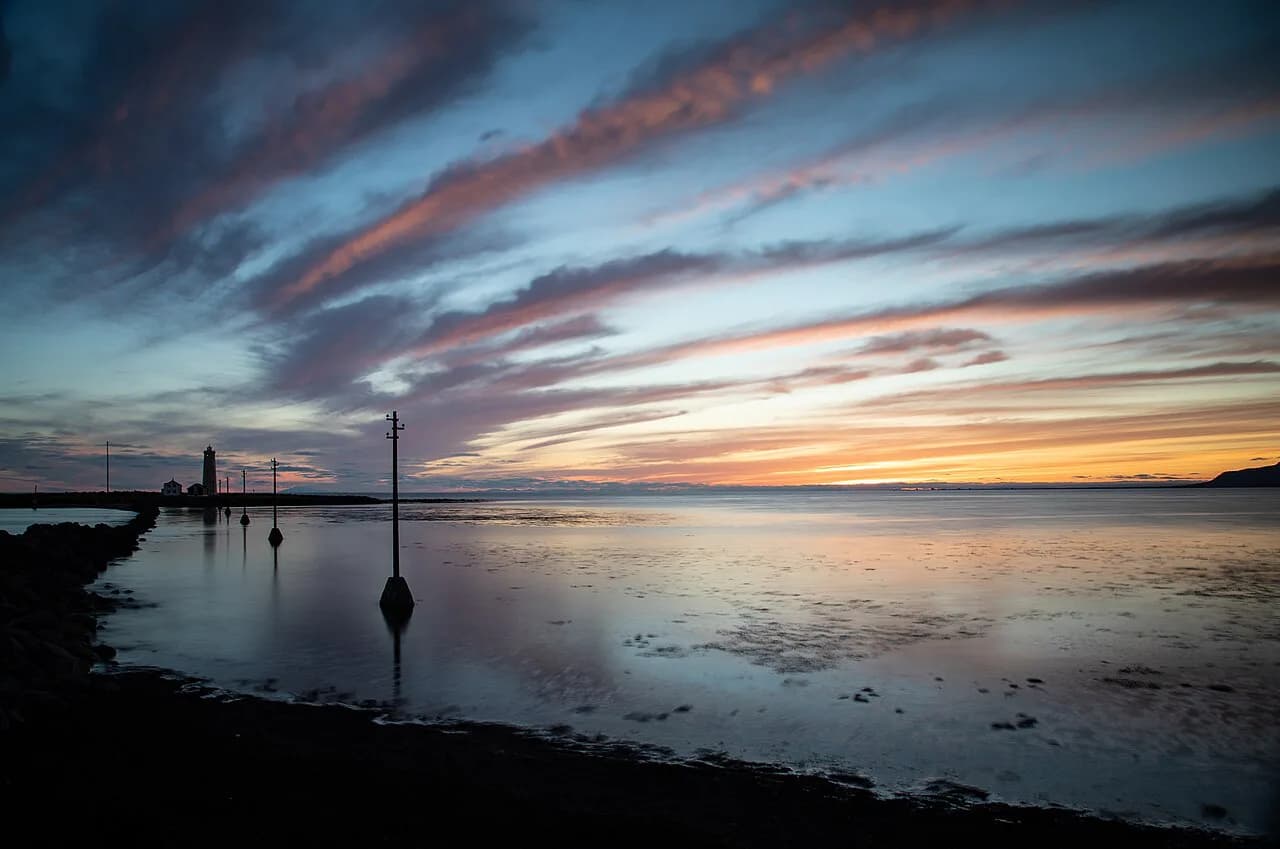
Between roughly 9am and 5pm, much of Reykjavik empties out as day tours head for the Golden Circle and other countryside routes. That window is one of the quietest times to be downtown, even during the summer peak. Rather than joining the outbound traffic, use the gap to explore attractions that stay rewarding without a car. For routes beyond the standard bus circuit, check the day trips from Reykjavik guide. Reykjanes Peninsula is easy to fold into that same rhythm via the Reykjanes Peninsula route guide, since most bus groups target the Golden Circle instead. To stay in the city while it empties out, check the lesser-known city picks guide. For a single free morning, the quieter spots locals favor guide adds a shorter list. Coastal walks stay uncrowded even in peak season, since most tour buses skip the shoreline entirely. Tide permitting, the Grotta Lighthouse walk stays open and nearly empty most mornings. A ferry to Videy Island is another way to put open water between yourself and the day's cruise crowd. Walking the waterfront along Faxaflói Bay fills the same quiet midday stretch, with views toward Mount Esja across the water.
Quiet Neighborhoods Beyond the 101 District
Laugavegur and the surrounding 101 District carry the heaviest foot traffic in the city, especially once cruise groups and Golden Circle buses return in late afternoon. Three neighborhoods offer a genuinely different pace. Grandi harbor district mixes working fishing infrastructure with independent food stalls, and it rarely sees a tour group; see the Grandi harbor district guide for specifics. Vesturbær stays largely residential, and its local swimming-pool culture, covered in the Vesturbær neighborhood guide, draws Icelanders rather than visitors. Laugardalur holds Laugardalslaug, the city's largest thermal pool complex. It functions as a genuine local social hub, not a tourist stop the way the Blue Lagoon does. Full layout details sit in the Laugardalur area guide. All three neighborhoods sit within a 20-30 minute walk of Laugavegur, close enough for an easy return downtown when needed. Beyond the harbor pool culture, the Nautholsvik geothermal beach offers another local alternative to Blue Lagoon crowds, with a heated lagoon that draws residents more than tour groups. For a citywide sense of how the districts split, the citywide district breakdown maps all of them. Central but overlooked, the Thingholt neighborhood sits a few streets back from Laugavegur and keeps a slower pace despite the short walk.
Festivals and Events That Spike Reykjavik's Crowds
A handful of annual events reliably push Reykjavik's downtown density above its seasonal baseline, regardless of month. Reykjavik Arts Festival runs in June and overlaps with the start of the summer crowd surge. Verslunarmannahelgi, the long weekend before the first Monday in August, fills the city with domestic travelers on top of the usual summer visitor count. Reykjavik Pride in August adds another dense weekend to that same stretch. Iceland Airwaves in November briefly reverses the quiet-winter pattern, filling venues and hotels across the city for its festival dates. New Year's Eve does the same on a single night, when Reykjavik's public fireworks draw dense downtown crowds despite otherwise-thin winter tourism. Cross-check festival calendars before booking if a festival-free week matters more than a specific month. Consider the activities beyond the festival circuit guide for things that hold up regardless of what's on that week.
Off-Season Practical Logistics: Costs, Hours, and Getting Around
Accommodation pricing is where the shoulder-season trade-off shows up most clearly. A central Reykjavik hotel room can run upward of 30,000 kr a night in July. That same room commonly drops closer to 18,000-20,000 kr by late September and October, once cruise season winds down. Some attractions trim their hours once the summer schedule ends. Confirm current opening times for Hallgrímskirkja's tower and Harpa's guided areas before visiting in the shoulder or winter months. Parking is easier to find in the quieter months, and walking the 101 District and Grandi waterfront takes noticeably less maneuvering around tour groups. Flybus and public Strætó buses run year-round, though winter schedules can run less frequently than the summer timetable. Check departure times a day ahead in December through February. Dining without a reservation is realistic in the shoulder months too. Walk-in tables open up once the summer rush eases. Details on walk-in-friendly spots sit in the restaurants that take walk-ins guide. A second stop worth checking is the local food picks guide. Budget-conscious travelers visiting outside summer can lean on the free activities for the shoulder season guide to fill a day without adding to the hotel bill.
Mistakes to Avoid When Seeking Solitude in Reykjavik
A few planning habits routinely undo an otherwise good off-season timing choice.
Winter's 4-5 hours of daylight creates a hard boundary for sightseeing—pairing half a day outdoors with evening Northern Lights tours requires scaled expectations. Shoulder months offer 14-18 hours of daylight instead, trading some solitude for the ability to explore without comparable crowd density.
- Overestimating winter daylight is a common planning mistake. January holds only about 4-5 hours of light, so a full sightseeing day plus a Northern Lights tour rarely fits. Plan half-day windows instead.
- Ignoring the cruise ship calendar can undercut an otherwise quiet plan. A calm October morning can still turn crowded if two ships dock at once. Check arrivals before committing to a specific walking route.
- Staying only on Laugavegur limits the trip to the busiest slice of the 101 District. A short walk into Grandi, Vesturbær, or Thingholt changes the crowd level immediately.
- Assuming shoulder season means an empty city is another common miscalculation. Late September and April are quieter than summer, not empty. Hallgrímskirkja and similar landmarks still see steady midday traffic.
- Skipping pillar-level planning before the trip leaves easy wins on the table. The hidden corners of Reykjavik guide is worth reading in advance, since several of its picks stay quiet in every season, not only the shoulder months.
Check Reykjavik’s Cruise Terminals, Not Just the Date
Cruise crowds depend on the berth as well as the number of ships scheduled. Most large vessels use Skarfabakki in Sundahöfn, about four kilometers east of central Reykjavik. Shuttle buses then deliver passengers near Harpa and the Old Harbour, creating sudden downtown surges.
Smaller ships may berth at Miðbakki beside the Old Harbour. Their passengers can walk directly into the city center, so Laugavegur and Hallgrímskirkja may become busy soon after docking.
Check the Faxaflóahafnir port schedule before choosing a sightseeing day. Note each ship’s arrival time, departure time, berth, and passenger capacity. A day with one small vessel can feel calmer than a day with several large ships.
On busy port mornings, explore Vesturbær, Grandi, or Laugardalur first. Return to Harpa, Skólavörðustígur, and Hallgrímskirkja after shuttle traffic eases. Late afternoon often works well because many passengers return aboard before departure.
Frequently Asked Questions
What is the single best month to visit Reykjavik without crowds?
Late September and early October generally offer the best balance. Cruise ship traffic has thinned, summer tour groups have left, and daylight still runs about 10-12 hours. May offers a similar trade-off from the opposite direction, with rising daylight and thinning winter tour traffic.
What is the cheapest time to visit Reykjavik?
Shoulder-season weeks in September, October, and April tend to bring lower accommodation rates than the June-through-August peak. Demand drops once the midnight-sun crowd leaves, which is also when a central hotel room can fall from around 30,000 kr toward 18,000-20,000 kr a night. Rates climb again briefly around Iceland Airwaves in November and over New Year's Eve, so avoid those specific weeks if budget is the priority.
How many hours of daylight does Reykjavik get in winter versus summer?
January days run roughly 4-5 hours of daylight. June holds onto close to 21-24 hours under the midnight sun. That swing is the main trade-off shoulder-season travelers weigh against crowd size.
How do cruise ships affect crowds in downtown Reykjavik?
Multiple ships can dock at the Old Harbour on the same day, sending a concentrated wave of passengers into the 101 District for a few hours. Checking that day's arrivals before walking Laugavegur or visiting Hallgrímskirkja helps you sidestep the densest stretch.
Which Reykjavik neighborhoods stay quiet even in peak season?
Grandi, Vesturbær, Thingholt, and Laugardalur all sit outside the main 101 District tourist path and see far less foot traffic than Laugavegur. Local swimming pools in these areas function as genuine neighborhood hubs rather than tourist attractions.
Should a trip be planned around Iceland Airwaves or Reykjavik Pride?
Only if attending is the actual goal, since both events add a dense weekend to the city's calendar. Iceland Airwaves fills venues and hotels in November, and Reykjavik Pride does the same across an August weekend. Avoid those specific dates if solitude is the priority.
Is it easy to find parking in Reykjavik during the off-season?
Parking is noticeably easier outside the June-August peak, when fewer visitors and rental cars are circulating downtown. Central streets and the 101 District still get busy during cruise-heavy days even in shoulder months, so check the day's port arrivals if a specific street matters.
Continue exploring
More guides you'll find useful