Laugardalur Reykjavik: The Ultimate Guide to the Hot Spring Valley
Plan a Laugardalur Reykjavik visit: pool and zoo tips, bus routes, dining, lodging, and 2026 school construction updates.
On this page
Laugardalur Reykjavik: A Local Guide to the City's Green Heart
Last updated August 2026, this guide covers Laugardalur, Reykjavik's hot spring valley just east of downtown. The district takes its name from geothermal springs where residents washed laundry until the 1930s. Use it to plan pool hours, bus routes, dining, and the school construction reshaping the valley's eastern edge through 2026.
What Is Laugardalur in Reykjavik? A Hot Spring Valley With a History
Laugardalur sits just east of downtown Reykjavik, in a valley named for its hot springs. Locals once carried laundry here to wash it in geothermal water, a habit that lasted into the 1930s. Today the valley covers about 6.4 square kilometers (2.5 square miles) and holds the city's largest pool, a botanical garden, a zoo, and two sculpture museums. As of a 2010 count, close to 15,000 residents lived in the district, giving it a lived-in feel that downtown blocks don't share. Where downtown Reykjavik pulls in visitors, Laugardalur pulls in residents heading to swim practice, a stroller walk, or a soccer match. The official Visit Reykjavik guide calls it one of the capital's top destinations for family activities. Two guides pair well with this one. The site's 12 Hidden Gems in Reykjavik: A Local's Guide Beyond Laugavegur roundup treats Laugardalur as a bridge between downtown and local life. Its Off the Beaten Path in Reykjavik: A 2026 Local's Rhythm Guide guide makes a similar case for skipping the main shopping street for an afternoon.
With close to 15,000 residents and a focus on daily recreation rather than sightseeing, Laugardalur draws mostly locals and fewer tourists than downtown Reykjavik, keeping crowds manageable outside summer weekends.
Laugardalslaug: Iceland's Largest Thermal Pool Complex
Laugardalslaug is the largest thermal pool complex in Iceland and the busiest pool in Reykjavik. Lap swimmers use the 50-meter lanes, while families spread across the tubs and slides. Bring a towel and swimsuit; packing your own costs less than renting at the front desk. The Reykjavík City Card covers unlimited entry here and at Reykjavik's other geothermal pools, plus city buses, in 24, 48, or 72-hour blocks. Opening hours shift by season, so confirm current times before heading over.
The Reykjavík City Card's 24, 48, or 72-hour blocks coordinate with year-round pool access, whereas the zoo's rides and café Flora close in winter—useful for planning a multi-day stay.
- 50-meter lanes for lap swimming
- Multiple hot tubs at different temperatures, popular for socializing
- A steam room
- Water slides
- A seawater bath
Reykjavik Family Park and Zoo: Icelandic Animals and Summer Rides
Reykjavik Family Park and Zoo sits a short walk from Laugardalslaug and focuses on animals found in Iceland. Arctic foxes, reindeer, and seals represent the country's wildlife, while horses, cattle, and sheep round out the farm side. Some of the horses in the petting area are gentle enough for kids to approach directly, per the Visit Reykjavik guide to the district. Amusement rides run during the summer season, and the park's playgrounds and picnic areas stay open year-round. Check the zoo's current hours before a winter visit, since some rides close outside summer.
Reykjavik Botanical Garden and Café Flora
Grasagarðurinn, the Reykjavik Botanical Garden, holds more than 3,000 plant species and costs nothing to enter. It stays open year-round, though the grounds fill out most in summer. Café Flora operates inside the garden for the summer season and gets busiest on sunny afternoons. Free entry here pairs naturally with the Free Things to Do in Reykjavik: 2026 Budget Guide guide, which lists other no-cost stops around the city.
Culture and Sports: Ásmundarsafn, Sigurjón Ólafsson, and Laugardalshöll
Ásmundarsafn occupies a dome-shaped building that once served as the studio of sculptor Ásmundur Sveinsson, who worked from 1893 to 1982. Indoor galleries hold his modernist pieces, and an outdoor sculpture garden displays his larger works. A short distance away, the Sigurjón Ólafsson Museum sits on the waterfront in a house the sculptor built himself, with exhibitions of his sculpture. Laugardalshöll, the multipurpose arena built in 1965, hosted the 1972 World Chess Championship between Bobby Fischer and Boris Spassky. It also hosted the 1995 World Championship of Handball, plus concerts and trade shows. Laugardalsvöllur, the national stadium next door, hosts Iceland's football matches and large concerts. Secret Solstice, a large music festival, has used the valley's open fields in past years; confirm current dates before planning a trip around it. Sports fans and history buffs get more depth in the 12 Unique Things to Do in Reykjavik in 2026 (Beyond Hallgrímskirkja) guide, which covers the chess match and other under-the-radar sites. Its wider sports complex also includes:
- A running track
- Tennis courts
- Training fields for local clubs
- Skautahöllin, the city's indoor ice rink, with open sessions and rentals
Getting to and Around Laugardalur
Laugardalur sits close enough to downtown to reach on foot, roughly a 30 to 40-minute walk from Reykjavik's main square. Bus routes 2, 5, 15, and 18 stop near the valley's main attractions, according to the Visit Reykjavik guide to the district. Reykjavík City Card access adds unlimited bus travel on top of pool entry, useful for a day that includes both the pool and the zoo. Electric scooters are available throughout the area for a faster option than walking. Parking is available near Laugardalslaug, the Botanical Garden, and the Family Park and Zoo, so drivers don't need to circle for a spot. For context on how Laugardalur compares to Reykjavik's other residential districts, the Reykjavik Neighborhoods Guide: Where to Stay and Explore in 2026 maps out the wider picture. The Vesturbær Reykjavik guide covers the city's other major residential district, west of downtown, for comparison.
Where to Eat and Stay Near Laugardalur
Café Flora, inside the Botanical Garden, serves a garden-side lunch and coffee menu during the summer season. VOX Brasserie & Bar and Grand Brasserie sit on the upscale end near the valley's hotels, while Casa Dísa offers a more casual choice. The 12 Best Local Restaurants in Reykjavik: Where to Eat Like an Icelander guide covers more dining options across the city. The Reykjavik Local Food Guide: Where the City Actually Eats in 2026 rounds out the picture with dishes worth trying while you're there. For places to stay, the valley mixes hotel tiers with a budget-friendly campsite. Hilton Reykjavik Nordica sits on the upscale end, with a spa attached. Reykjavik Lights by Keahotels and Hotel Cabin offer more moderate rates nearby. Budget travelers often choose the Reykjavik ECO Campsite instead. It operates only in summer, so winter travelers need a hotel. Its amenities include:
- Showers and laundry facilities
- Bike rentals
- Easy access to public transport
- Walking distance to the pool, zoo, and botanical garden
When to Visit Laugardalur: Summer vs. Winter
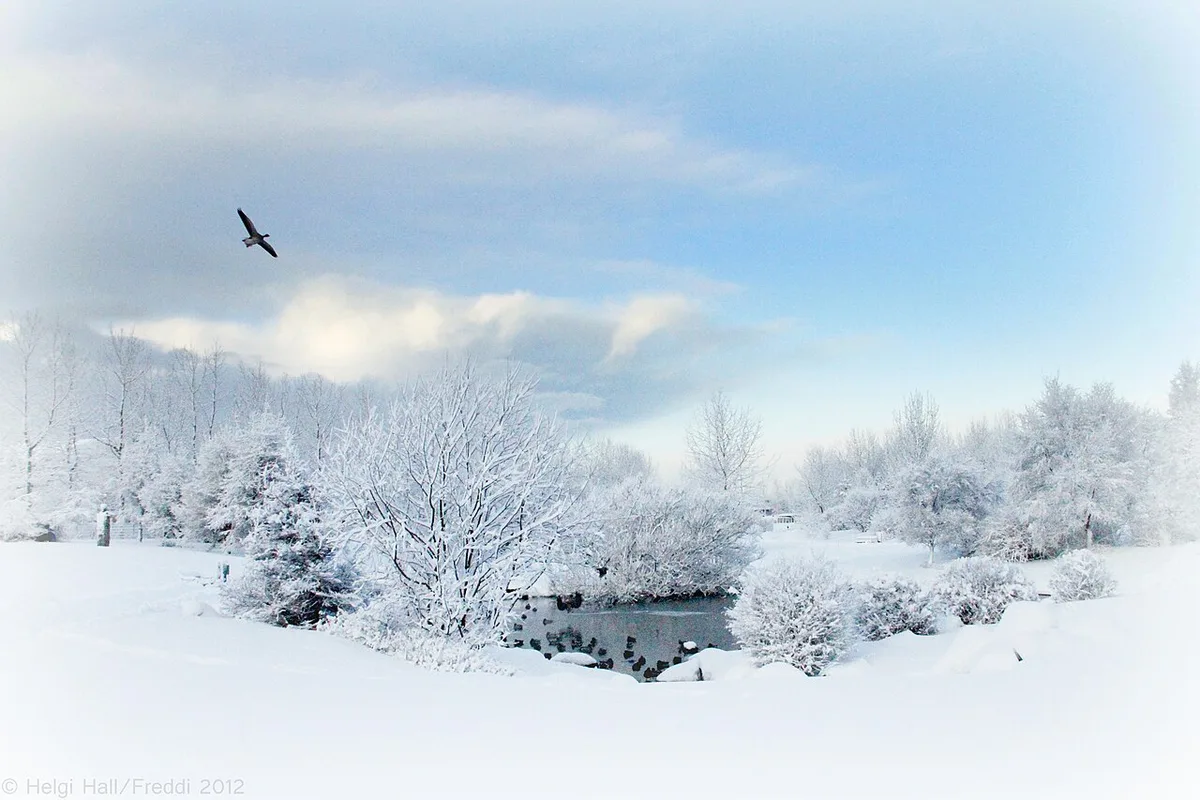
Laugardalur changes character across seasons. Summer brings the Family Park and Zoo's amusement rides, a full bloom at the Botanical Garden, and Café Flora's open season. Secret Solstice, when it runs, also lands in the warmer months. Winter strips some of that back: some zoo rides close and the garden café shuts, but Laugardalslaug stays open all year. A winter swim under snow or northern lights is something locals treat as a highlight, not a compromise. Travelers weighing shoulder-season timing against summer crowds can check the best time to visit Reykjavik guide for a season-by-season breakdown.
School Construction and Local Detours Through 2026
Laugardalur is also a residential district, home to three primary schools: Langholtsskóli, Laugarnesskóli, and Laugalækjarskóli. In December 2024, Reykjavík's School & Recreation Council approved building a consolidated school for grades 8-10 in the valley's 'triangle area,' between the Ice Rink and the Þróttur and Ármann community center. Those three existing schools will keep serving younger grades once the new school opens. Renovation and mold-mitigation work at all three schools continued through summer 2025, with Laugarnesskóli in the roughest shape and several classrooms closed for remediation. A working group formed in 2025 is developing a staffing and activities plan with local sports clubs. Expect some noise and occasional detours near the Ice Rink and community center area. Its main visitor draws, the pool, zoo, and gardens, sit outside the active construction zone. It's a detail that separates Laugardalur from a purely tourist-facing district. Families send their kids to school here every day, year-round. City planning updates describe the project continuing through 2026, in phases:
- Needs assessments and design consultant selection: through 2026
- Temporary school campus, phase one: completed in spring
- Temporary school campus, phase two: completed in fall
- Laugarnesskóli students move into the temporary campus first, ahead of full-scale renovation
Laugardalur vs. Reykjavik City Center: Which Fits Your Trip
Laugardalur and Reykjavik's city center, Miðborg, serve different kinds of trips. A short stay built around sightseeing, shopping, and restaurants fits better downtown. A longer stay, especially with kids or a tight budget, benefits from Laugardalur's pool, zoo, and campsite. Many travelers split time across both rather than choosing just one. Repeat visitors who've already covered downtown's main sights often shift a day toward Laugardalur on a second or third trip, trading souvenir shops for a swim. Þingholt, one of downtown's older neighborhoods, illustrates the contrast; the Þingholt Reykjavik guide covers what a stay there looks like.
| Feature | Laugardalur | City Center (Miðborg) |
|---|---|---|
| Vibe | Residential, green, active | Commercial, historic, nightlife-focused |
| Best for | Families, swimmers, campers | Sightseers, shoppers, restaurant-hoppers |
| Crowds | Mostly locals | Mostly visitors |
| Typical cost | Mid-range to budget-friendly | Higher, premium-priced |
Mistakes to Avoid and Planning Tips
A few small choices make a Laugardalur visit smoother. Skip renting a towel at Laugardalslaug every time; packing your own swimsuit and towel costs less over multiple days. Check the Family Park and Zoo's current hours before a winter trip, since some rides run only in summer. Calculate whether the Reykjavík City Card pays for itself before buying one. It bundles pool entry and bus travel. It works best for multi-day visits that include daily swimming, less well for a single afternoon stop. If the pool feels crowded, the Nautholsvik geothermal beach guide covers a quieter warm-water alternative across town. Travelers with extra time can pair a Laugardalur day with the 6 Best Day Trips From Reykjavik in 2026: Golden Circle to Snæfellsnes guide for what to add next.
Frequently Asked Questions
What is Laugardalur known for?
Laugardalur is Reykjavik's hot spring valley, home to the city's largest pool, a zoo built around Icelandic animals, a free botanical garden, and two sculpture museums. It sits just east of downtown and functions as a daily recreation hub for local families rather than a pure sightseeing stop.
How do you get to Laugardalur from downtown Reykjavik?
Bus routes 2, 5, 15, and 18 stop near the valley's main attractions, and the Reykjavík City Card covers unlimited travel on those buses plus entry to Laugardalslaug. Walking from Reykjavik's main square takes roughly 30 to 40 minutes. Electric scooters and parking near the pool, garden, and zoo are also available.
Is the Reykjavik Botanical Garden free to visit?
Yes. Grasagarðurinn holds more than 3,000 plant species and charges no entry fee year-round. Café Flora, inside the garden, opens for the summer season.
Will school construction in Laugardalur affect a visit?
The City of Reykjavík is building a consolidated school for grades 8-10 in the valley's triangle area, with renovation work at three existing schools continuing into 2026. Expect noise and possible detours near the Ice Rink and community center, but the pool, zoo, and gardens sit outside the construction zone.
How much time should I plan for Laugardalur?
A focused visit to the pool and botanical garden fits into half a day. Adding the zoo, a sculpture museum, or a stadium tour stretches it to a full day, especially with kids along.
Is Laugardalur better than staying in Reykjavik's city center?
It depends on the trip. Families, swimmers, and budget travelers get more value from Laugardalur's pool, zoo, and campsite. Sightseers focused on restaurants, shops, and nightlife are better served staying in Miðborg, the city center.
Does Laugardalur get crowded with tourists?
Not as much as downtown Reykjavik. The official Visit Reykjavik guide frames it as a family recreation area rather than a sightseeing checklist stop, so crowds lean toward residents, especially outside summer weekends.
Continue exploring
More guides you'll find useful