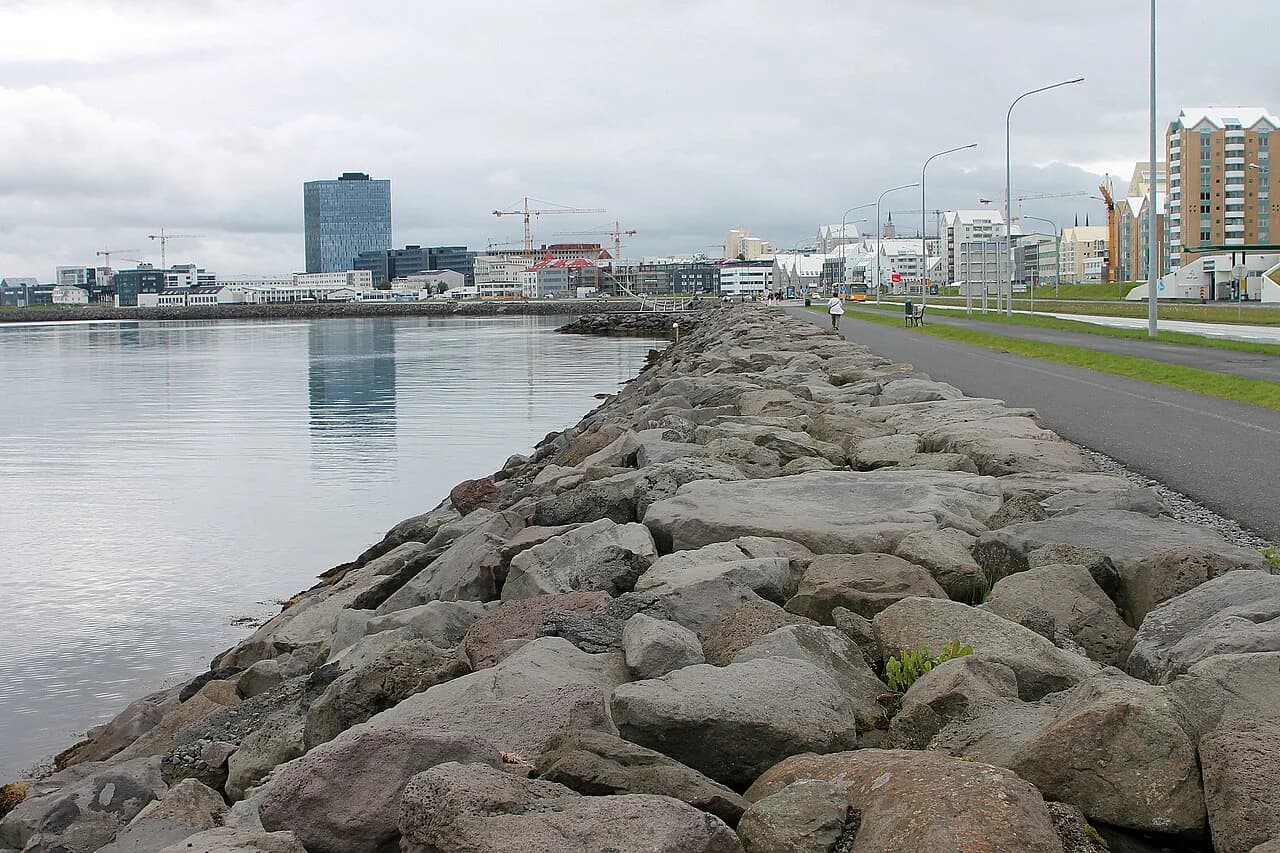
Reykjavik Local Food Guide: Where the City Actually Eats in 2026
A 2026 Reykjavik local food guide to neighborhood eating, Icelandic staples, budgeting, and reservations, beyond the fermented shark clichés.
On this page
The Reykjavik Local Food Guide: Neighborhoods, Staples, and Budget-Smart Eating
Last updated August 2026, this reykjavik local food guide separates neighborhood haunts from the cruise-crowd stops on Laugavegur. It breaks down what a casual meal actually costs in 2026, which staples are worth ordering first, and where reservations actually matter. Expect a walkable food map organized by neighborhood, not another checklist of fermented-shark dares.
The Reykjavik Local Food Guide Philosophy: From Preservation to New Nordic
Iceland's food culture began as a survival strategy. Long winters and limited farmland pushed cooks toward smoking, drying, and fermenting fish and lamb so it would keep for months without refrigeration. Reykjavik's kitchens still lean on those same techniques, but the purpose has shifted from necessity toward flavor. Cured fish and smoked meats now share menus with greenhouse-grown vegetables and a lighter, New Nordic hand. Many kitchens cook whatever the surrounding waters and nearby farms produce that particular week, so a dish can taste different in June than in November. Bread and dairy round out the canon: dense rye loaves, cultured skyr, and butter feature on nearly every table, from a bakery counter to a tasting-menu plate. Ask what came in that morning before ordering. A menu built around the day's catch usually beats anything printed weeks in advance, and staff are generally happy to point newcomers toward it.
Quick-Start Decision Matrix for Your First Meals
Use this matrix to orient a first day of eating before working through neighborhood specifics below. None of the three categories rule out the others, and most visitors mix all three across one trip rather than picking just one lane. Treat it as a starting filter, not a rulebook, since plenty of spots blend two categories at once.
| Priority | Best Choice | Where to Find It |
|---|---|---|
| Budget | Pylsur (hot dog) or a bakery pastry | Street carts and neighborhood bakeries |
| Atmosphere | Seafood in a converted harbor warehouse | Grandi and the Old Harbour |
| Tradition | Lamb or seafood at a sit-down bistro | Downtown Þingholt and Vesturbær |
Essential Icelandic Staples Worth Ordering
A short list of dishes shows up across Reykjavik menus in some form, and each rewards a slightly different order.

- Seafood: Arctic char, Atlantic cod, and langoustine go well beyond a standard fish-and-chips basket. Order char pan-seared with the skin on for the clearest sense of its flavor, and ask whether the cod came in that day.
- Icelandic lamb: free-roaming sheep graze on wild herbs and grasses through summer, giving the meat a distinct, slightly gamey flavor. Beyond a roast or chop, look for hangikjöt, smoked lamb served thin over dense rye flatbread.
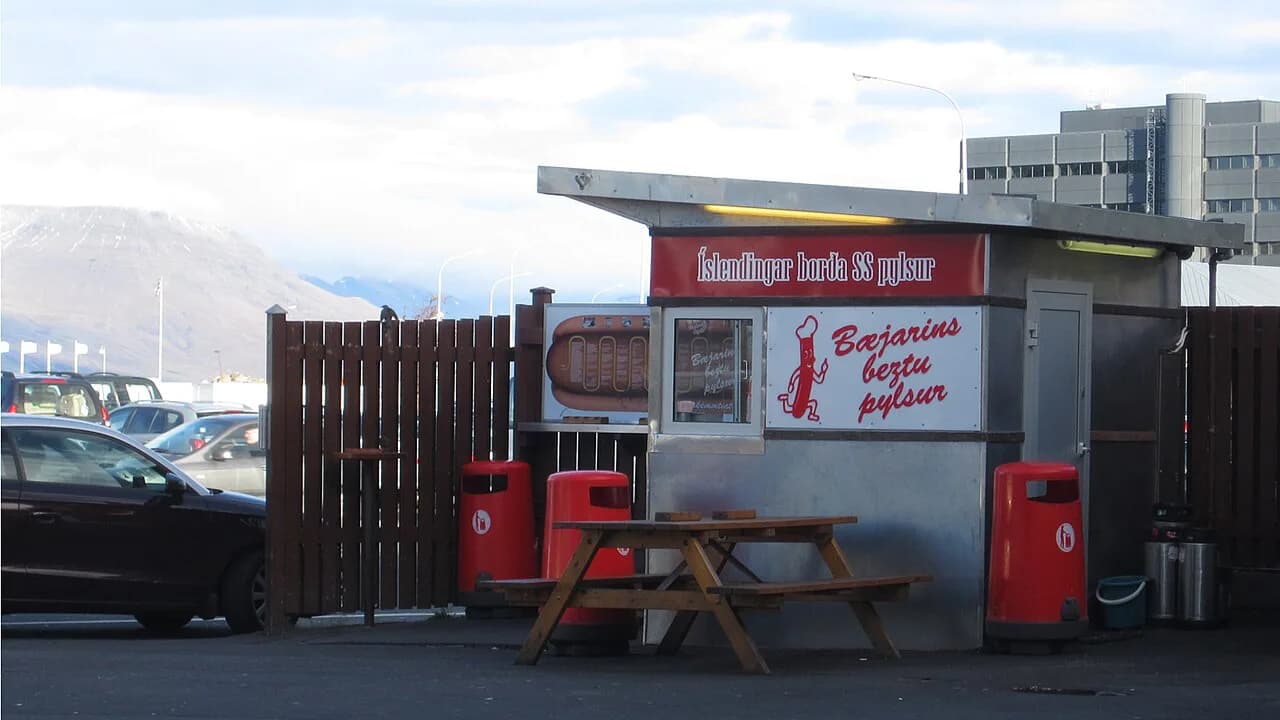
- Pylsur (hot dog): order it eina með öllu, meaning one with everything, to get the full traditional toppings at once. It remains one of the cheapest hot meals in the city and a genuine local habit, not just a photo stop.
- Bakery culture: a snúður (cinnamon roll) or a kleina (a twisted, cardamom-spiced donut) pairs well with coffee. Either one costs a fraction of a sit-down meal and works as a fast, walkable breakfast.
- Skyr: this is a spoonable cultured dairy product, not a yogurt. Locals eat it plain or stirred with cereal and berries, and any grocery store or cafe stocks it at a fraction of a restaurant dessert price.
Neighborhood Food Deep Dives: Grandi, Vesturbær, Þingholt, and Laugardalur
Reykjavik's food scene splits by neighborhood more than by cuisine, and each pocket of the city serves a different kind of eating.
- Grandi and the Old Harbour: converted shipyard buildings hold a food hall with enough variety to cover breakfast through dinner without repeating a kitchen. Grandi's Old Harbour district works well for grazing across a few stalls in one visit.
- Vesturbær: this residential side of the city runs on kaffihús, or coffee house, culture rather than destination dining. Locals get a daily coffee and pastry in the Vesturbær neighborhood, away from tour groups.
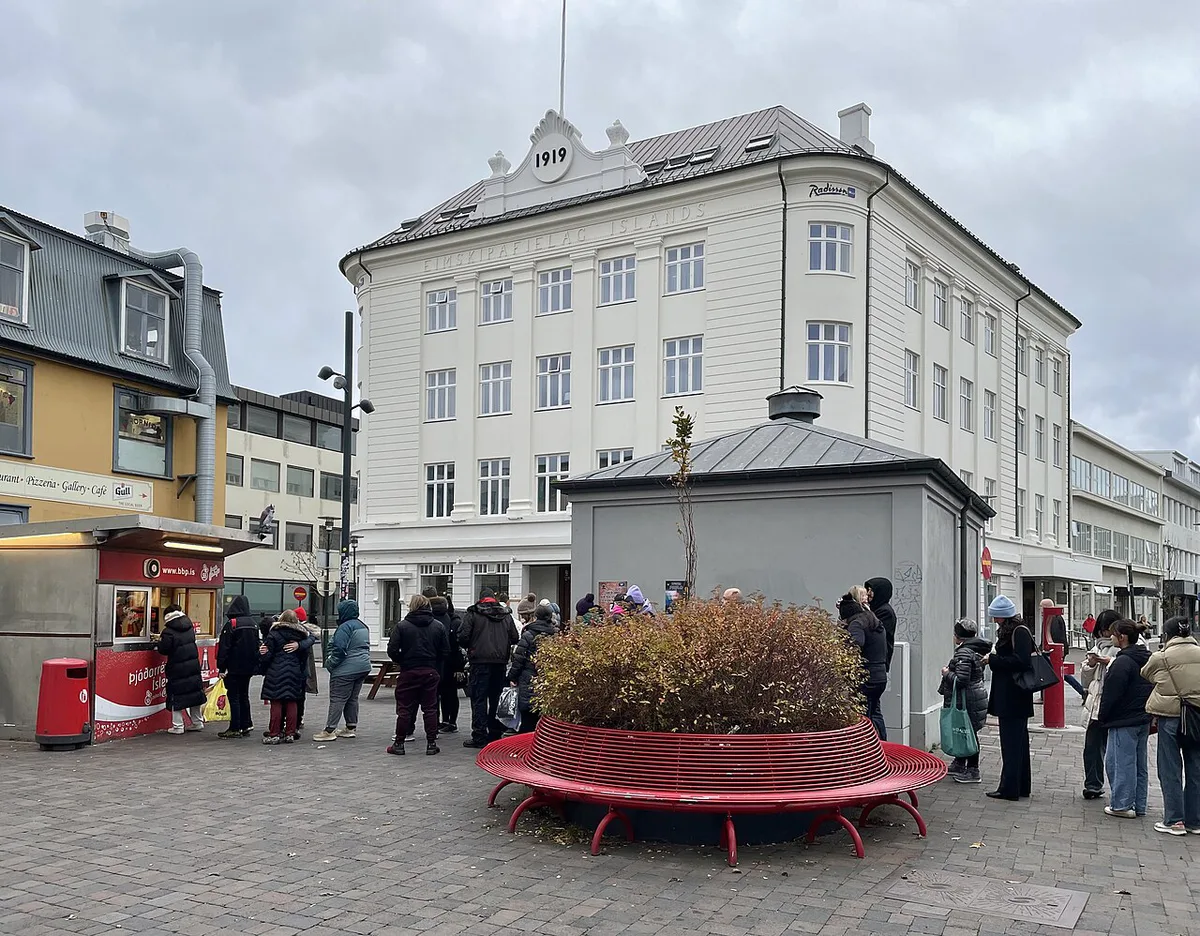
- Downtown Þingholt: high-end tasting menus sit blocks from the city's best-known hot dog stand. Both ends of that price range sit within a short walk in the downtown Þingholt district.
- Laugardalur: this family-oriented area pairs post-swim snack stops near the geothermal pool with a few casual, kid-friendly kitchens. Details on the area live in the Laugardalur neighborhood guide.
Coffee Culture as a Meal in Itself
Kaffihús culture extends well past a quick espresso before sightseeing. Many cafes double as informal meeting spots, with pastries substantial enough to count as a full breakfast or afternoon snack. Pairing a snúður with coffee costs a fraction of a sit-down meal, and lingering over both is normal rather than rushed. Treat a Vesturbær cafe stop as a legitimate meal slot when planning a day, not just a caffeine break between bigger plans.
Budgeting, Reservations, and Other Logistics
A few practical details make eating in Reykjavik easier to plan around, especially on a first visit.
Casual sit-down mains run $20-30, but sampling through bakeries, food halls, and coffee-house pastries lets visitors experience staples without spending that tier for every meal.

| Budget Tier | What to Expect | Best For |
|---|---|---|
| Budget | Pylsur, bakery items, and food-hall stalls | Fast, casual meals between sights |
| Mid-range | Sit-down bistros with a lunch menu | Trying seafood or lamb without a splurge price |
| Splurge | Tasting-menu restaurants, often reservation-only | One dedicated food-focused evening |
- Currency: menus post prices in Icelandic króna. This guide expresses value in USD ranges for quick planning, since a typical casual sit-down main runs about $20-30.
- Lunch versus dinner: the same dish is often meaningfully cheaper at lunch than at dinner. A midday main is the easiest way to eat well without a splurge-level bill.
- Reservations: book ahead for Friday and Saturday nights and for any tasting-menu restaurant. Food halls and casual bakeries stay walk-in friendly any day of the week.
- Tipping: not expected, since service is already built into the listed price, though rounding up is fine.
- Tap water: safe and good-tasting straight from the glacier-fed municipal supply. Skip bottled water at restaurants and refill instead, which also trims the bill.
Local Sourcing Behind the Plate
Much of the seafood on Reykjavik menus is landed at the harbor within a day or two of being served. Produce increasingly comes from Icelandic greenhouses heated with geothermal energy, rather than arriving entirely by ship or plane. That short supply chain is part of why a fish dish here can taste different from the same fish served far from the water it came from. Sourcing this close also explains why menus change with the season rather than staying fixed year-round, and why asking a server what's fresh is rarely a wasted question. That same logic applies to lamb: producers close to the city supply many kitchens directly, which keeps the menu tied to what's actually available that week rather than a fixed supply contract.
Getting Around the Food Scene
Most food destinations sit within walking distance of each other downtown, though a few require a short bus or bike ride. The Reykjavik Neighborhoods Guide: Where to Stay and Explore in 2026 maps the walkable clusters against the ones that need transport. Between meals, the free things to do guide fills the gaps with no-cost stops that won't compete with a restaurant budget. For a takeaway meal with a view, pack a bakery order out to Nauthólsvík geothermal beach. The Grotta lighthouse works just as well, and both sit a short ride from downtown rather than a full day trip away.
A Simple One-Day Eating Plan
For a first day in the city, sequence meals to sample as much of the local canon as possible without over-scheduling.
- Breakfast: a snúður or kleina from a neighborhood bakery, paired with coffee in Vesturbær before the day gets busy.
- Lunch: a lunch-special seafood plate at a Grandi food hall stall, where the lunch price beats the dinner version of the same dish.
- Afternoon snack: skyr from any grocery store or cafe, eaten plain or stirred with berries.
- Dinner: hangikjöt or Arctic char at a sit-down bistro in downtown Þingholt, booked a few days ahead if it falls on a Friday or Saturday.
Hidden Gems and Local-Only Finds
Away from Laugavegur, a handful of spots serve the Reykjavik community first and visitors second. Food trucks and informal community spaces show up more often than a typical downtown crawl suggests. The hidden gems around Reykjavik guide and the off-the-beaten-path spots guide both flag these food trucks and community spaces. For a shorter list built around quieter corners, check the secret local spots guide before booking a table anywhere central.
Shop for Icelandic Food Like a Local
Restaurants are only part of Reykjavík’s food culture. Grocery stores and markets offer an easier way to sample everyday Icelandic ingredients while controlling your budget.
Kolaportið, beside the Old Harbour, is the city’s best-known flea market for edible souvenirs and traditional foods. Browse the food section for dried fish, rye bread, Icelandic sweets, and preserved seafood. Check its current market days before visiting, since it does not operate like a daily supermarket.
In residential Vesturbær, Melabúðin is a compact neighborhood grocery used by local households. It is convenient for skyr, bakery goods, smoked lamb, and picnic supplies before walking toward Grótta.
- Bónus and Krónan are practical choices for lower-cost skyr, fruit, bread, and ready-made lunches.
- Look for flatkökur, thin rye flatbread often paired with butter or hangikjöt.
- Harðfiskur, air-dried fish eaten with butter, travels well as a savory snack.
Buying breakfast or picnic ingredients also leaves room in the budget for one carefully chosen seafood or lamb dinner.
For trip-planning details, see Cuisine of Iceland – Wikipedia.
Frequently Asked Questions
Is Reykjavik expensive for food?
Reykjavik is one of the pricier capitals for dining, and a casual sit-down main commonly runs $20-30. Lunch specials at the same restaurants are often meaningfully cheaper than the identical dish at dinner. Timing a main meal around midday is the simplest way to save.
Do you need to tip in Reykjavik restaurants?
No. Service is already included in the listed price, so tipping is not expected. Rounding up for exceptional service is fine but not required.
What is the best time to visit for food festivals and seasonal dishes?
Seasonal menus shift with whatever greenhouses and boats bring in that month. The best time to visit guide covers when the city is calmer for booking a table without a long wait. Late spring and early autumn tend to bring fewer crowds to the most talked-about kitchens, which also makes weekend reservations easier to land.
Are there good vegetarian and vegan options in Reykjavik?
Yes. Vegetarian and vegan dishes are widely available across bakeries, food halls, and sit-down restaurants. Greenhouse-grown produce keeps that variety consistent through the colder months, not just in summer. Several food halls also mark vegetarian options clearly on their stall menus, which speeds up ordering for a group with mixed diets.
Do you need reservations for dinner in Reykjavik?
Reservations matter most on Friday and Saturday nights and at any tasting-menu restaurant. Food halls and casual bakeries stay walk-in friendly throughout the week.
What's the correct way to order an Icelandic hot dog?
Ask for it eina með öllu, meaning one with everything. That gets the traditional toppings in a single order, and it remains one of the cheapest hot meals in the city.
Is skyr the same thing as yogurt?
No. Skyr is a spoonable cultured dairy product with a thicker texture and more tang than typical yogurt. It's sold in any grocery store or cafe, usually eaten plain or stirred with fruit.
Continue exploring
More guides you'll find useful