Reykjavik Neighborhoods Guide: Where to Stay and Explore in 2026
A reykjavik neighborhoods guide to Miðborg, Vesturbær, Grandi, and Laugardalur, with parking, transit, and cost trade-offs for 2026.
On this page
Reykjavik Neighborhoods Guide: Where to Stay and Explore
Last updated August 2026, this reykjavik neighborhoods guide splits the city into six areas by traveler type. Miðborg puts you within walking distance of Hallgrímskirkja and Harpa, while Vesturbær and Grandi trade a few minutes' walk for easier parking. Families often pick Laugardalur for its pools and park space, and towns like Seltjarnarnes, Hafnarfjörður, and Kópavogur swap a short bus ride for lower rates.
The Reykjavik Neighborhoods Guide: Quick-Start Matrix
Six areas cover most of what travelers weigh when picking a base in Reykjavik. Downtown Miðborg suits first-time visitors who want to walk everywhere. Families and budget travelers often do better a short bus ride from the center. Renting a car changes the calculus, since Miðborg's parking is scarce while Vesturbær and Grandi both offer easier street parking. Suburban options like Kópavogur or Hafnarfjörður trade a short bus commute for meaningfully cheaper beds. The table below matches traveler type to area, and the detailed breakdowns follow after it. Even inside 101, noise levels vary block by block, a distinction the neighborhood breakdown below covers in more depth. None of these picks are fixed rules, since a short bus ride or a 20-minute walk reshapes the calculus for most travelers. For addresses beyond this framework, the hidden gems guide covers lesser-known stops. The off-the-beaten-path guide adds more detail for solitude seekers.
| Traveler Type | Best Area | Why It Fits |
|---|---|---|
| First-time visitors | Miðborg (101) | Walk to Hallgrímskirkja, Harpa, and Laugavegur's shops |
| Families | Laugardalur or Vesturbær | Pools, green space, and quieter streets |
| Foodies and creatives | Grandi | Food hall, galleries, and harbor views |
| Budget-conscious travelers | Kópavogur or Hafnarfjörður | Lower rates for a short bus ride into downtown |
| Solitude seekers | Seltjarnarnes | Coastal walks and fewer crowds |
Miðborg (101): Reykjavik's Downtown Core
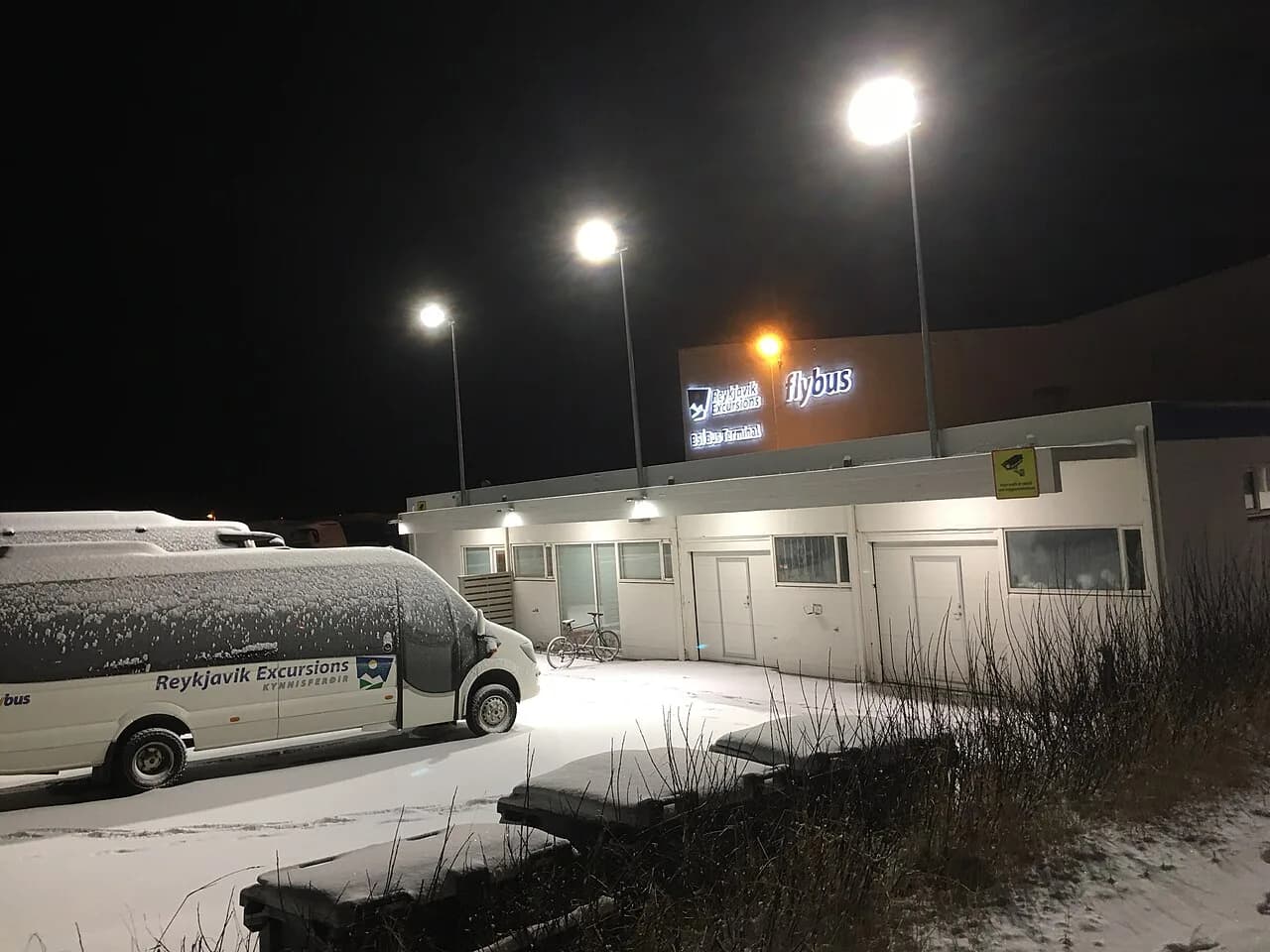
Miðborg carries the 101 postal code and most of the landmarks visitors picture when they think of Reykjavik. Laugavegur, Bankastræti, and Austurstræti form the main shopping and dining strip, walkable end to end in under 20 minutes. Hallgrímskirkja anchors the skyline, and its tower elevator has been priced around 1,300 ISK; confirm the current rate before you go. Harpa Concert Hall and the Sun Voyager sculpture sit a short walk toward the water. Skólavörðustígur, the colorful street leading up to Hallgrímskirkja, is one of the more photographed stretches of the neighborhood. The '101' label covers more ground than the postcard version suggests. It stretches into Þingholt and Skuggahverfi, two micro-neighborhoods with noticeably different noise levels after dark. Expect the loudest weekend nights near Austurstræti and Laugavegur's bar cluster, less so a few blocks up toward Þingholt. The Þingholt guide breaks down which streets stay quiet during the weekend Rúntur bar crawl. For attractions beyond the obvious stops, the unique things to do guide lists a few options off Laugavegur. Staying in 101 comes with a clear trade-off: higher accommodation prices and weekend noise from the bar crawl. Street parking gets scarce too, so a rental car adds friction here that other neighborhoods avoid. BSÍ Bus Terminal, the hub for airport transfers, sits within walking distance of most 101 hotels.
Vesturbær: Quiet Streets Near the University
Vesturbær sits west of downtown and trades a few landmarks for quieter, residential streets. The University of Iceland campus anchors the neighborhood, giving it an academic, low-key feel. Locals treat Vesturbæjarlaug as one of the city's better neighborhood pools, without the tourist traffic of the newer lagoons. Vesturbæjarlaug's hot tubs and steam bath draw a mostly local crowd, especially in early morning hours before work. Hólavallagarður cemetery doubles as a green, walkable space in the middle of the district. Its rows of headstones and footpaths make for a quiet walk between other stops. The National Museum of Iceland also sits in Vesturbær, covering the country's history from Viking settlement to the present. Tree-lined streets and low-rise houses give the area a residential character rarely found closer to Laugavegur. Getting downtown from Vesturbær takes 15 to 20 minutes on foot. Street parking is noticeably easier here than in 101, which matters for anyone driving a rental car. The Vesturbær guide maps the coastal path and residential streets in more detail. For a lesser-known stop nearby, the secret spots guide covers a few addresses locals rarely mention to visitors.
Grandi: The Harbor District's Food and Art Scene
Grandi was a fish-packing district before it turned into Reykjavik's food and design hub. A food hall inside a former warehouse, Grandi Mathöll anchors the area with a rotating set of vendors. Marshall House holds gallery space and a contemporary art scene inside another converted harbor building. Whales of Iceland, an exhibition dedicated to the country's marine life, sits nearby. Flyover Iceland and the Lava Show round out the area's paid attractions for travelers who want more than galleries. The area still sits along a working harbor, with whale-watching boats docked a short walk from the food hall. Reaching Grandi and the Old Harbour from central Miðborg takes roughly 10 to 15 minutes on foot. Winter days shorten quickly, so many visitors plan the harbor's outdoor stretches for midday when the light is best. The local food guide covers which Grandi vendors are worth timing a visit around. The Grandi neighborhood guide covers the harbor's full gallery and warehouse circuit. Ferries to Viðey Island depart from the harbor, making Grandi a practical base for a car-free day on the water. In our editorial assessment, Grandi suits travelers who want a modern, design-forward feel without the crowds around 101.
Laugardalur: Reykjavik's Green Valley for Families
Laugardalur sits east of downtown and functions as the city's largest green space. Laugardalslaug, the largest swimming pool in Iceland, anchors the area for families with kids. The Botanical Garden and the Family Park and Zoo sit within the same valley, an easy walk from the pool. The Family Park and Zoo keeps a mix of domestic animals and playground equipment that suits younger kids especially well. Ásmundarsafn, a sculpture museum under the Reykjavik Art Museum, rounds out the area's cultural stops. Ticket prices for the pool and the zoo are modest compared with the newer geothermal lagoons around the city, and locals use both year-round. Reaching Laugardalur from downtown takes about 45 minutes on foot, or a shorter ride on the Strætó bus network. The Laugardalur guide lays out bus routes and which pool hours suit families best. Several of the valley's best stops don't charge admission at all, a detail the free things to do guide covers citywide.
Attraction costs span a wide range: Laugardalur's pools stay affordable, while central Miðborg's Hallgrímskirkja tower costs 1,300 ISK—a difference that shapes whether budget travelers prioritize central landmarks or neighborhood green space.
Beyond the City Line: Seltjarnarnes, Hafnarfjörður, and Kópavogur
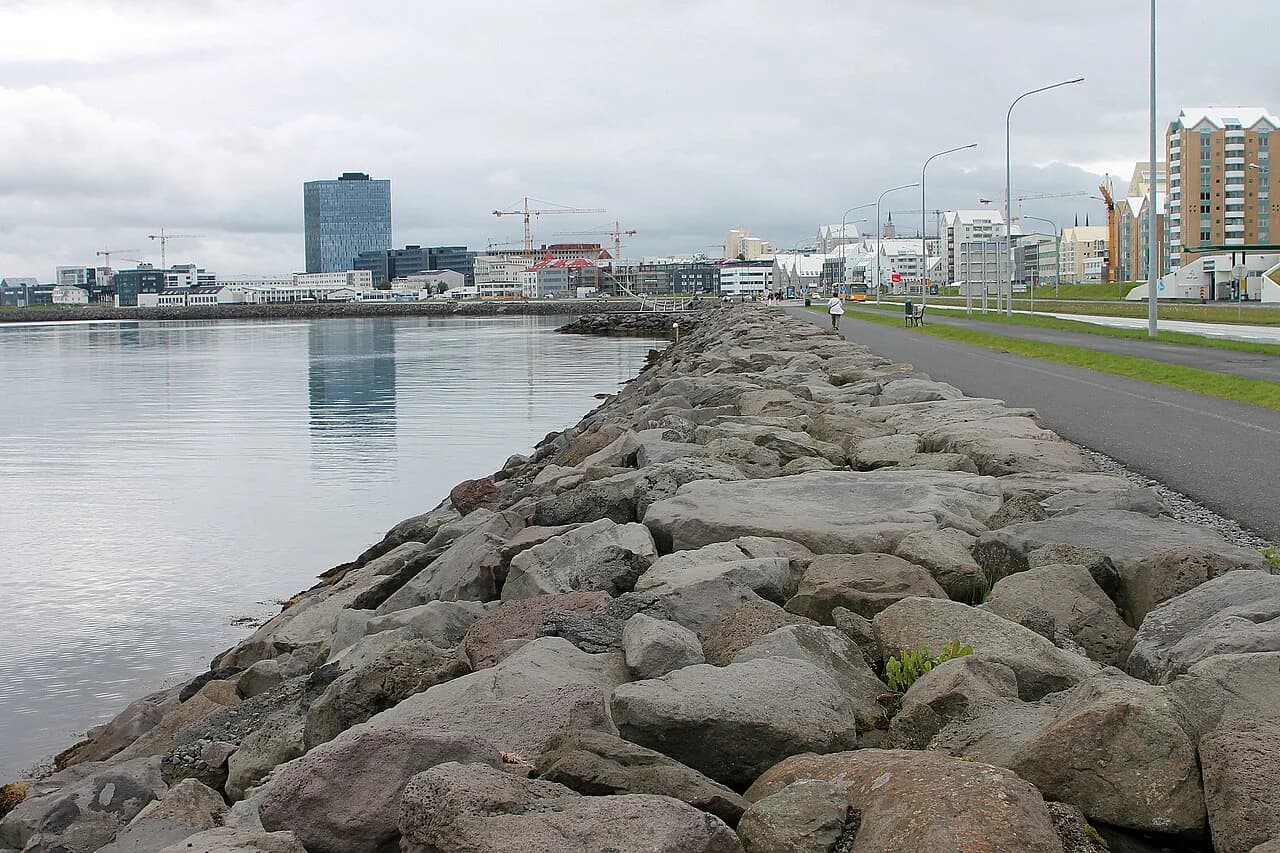
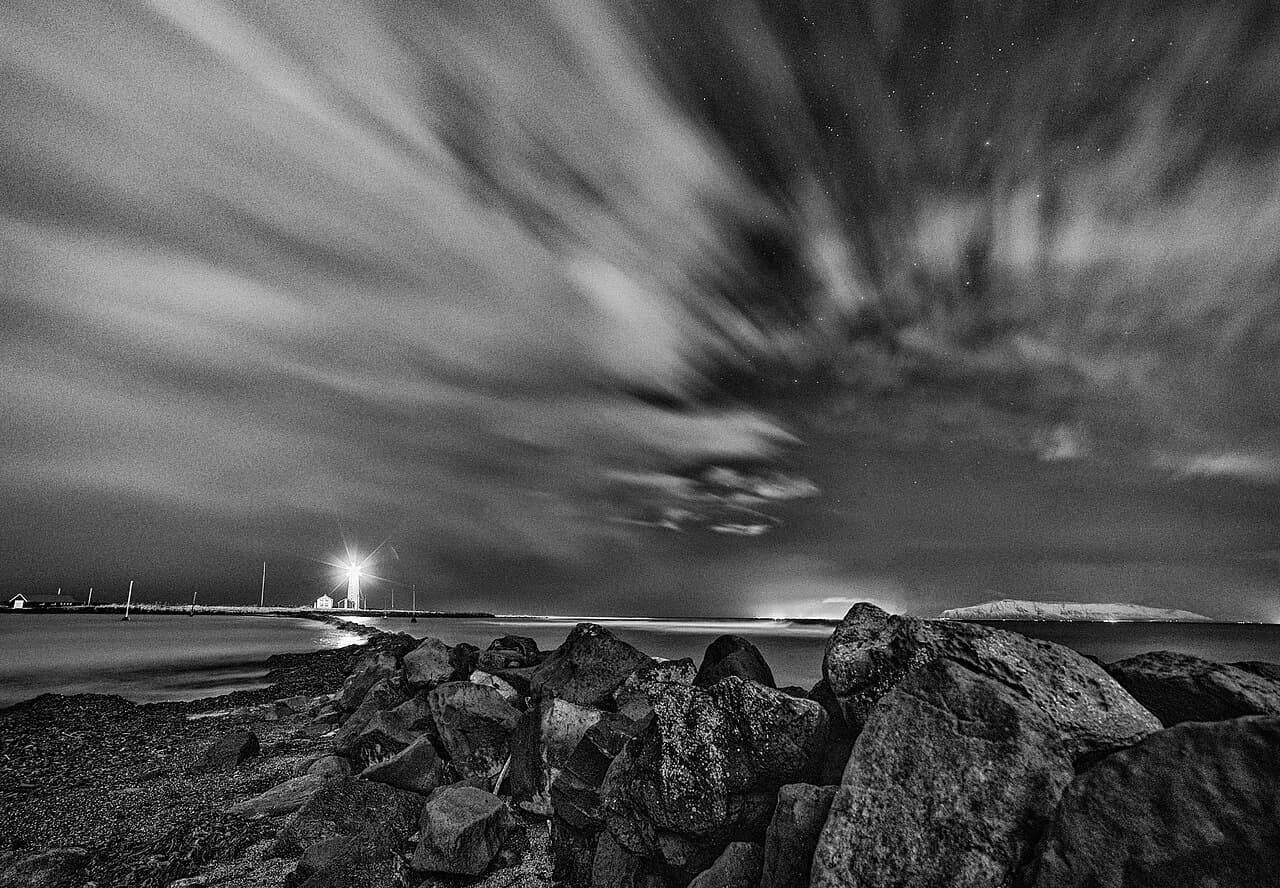
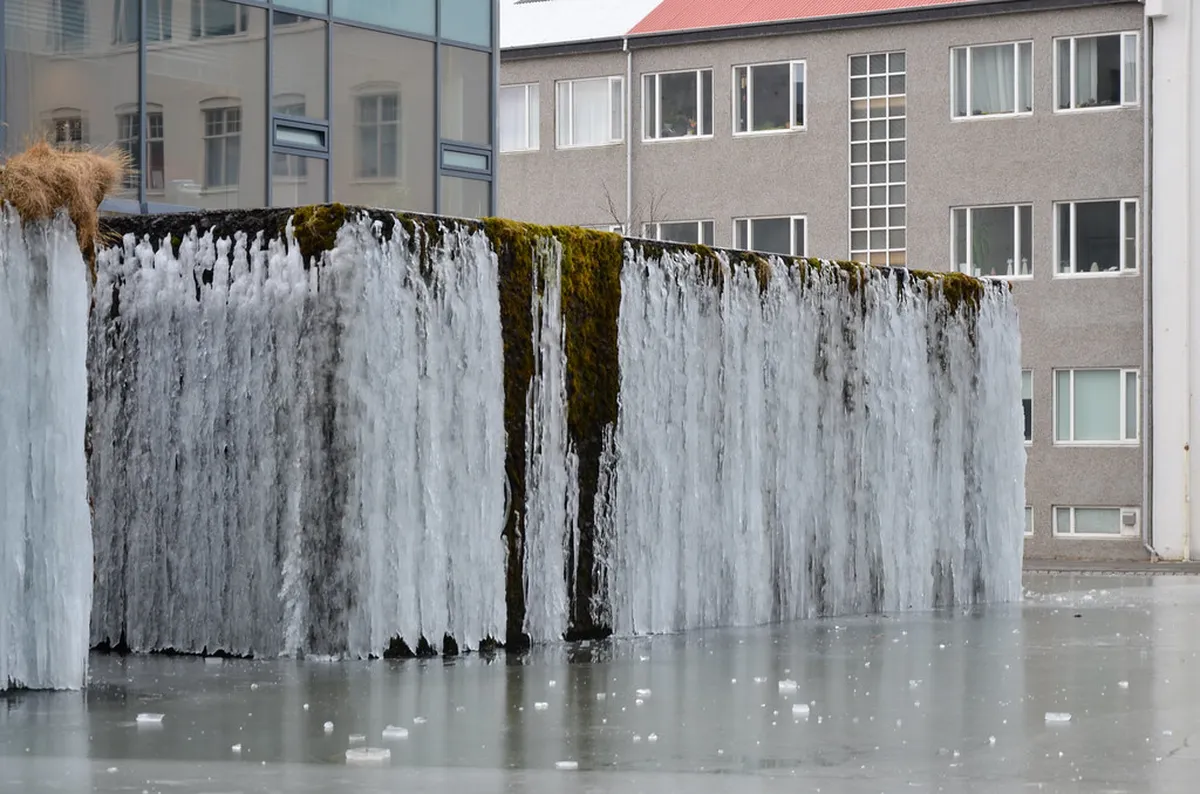
Reykjavik City is only part of the picture, since several distinct municipalities ring it, each with its own council and identity. Downtown Reykjavik and these outer towns are often confused for one district, but transit planning differs sharply once you cross into a different municipality. Seltjarnarnes occupies a peninsula west of the city and draws travelers who want coastal walks over nightlife. Grótta Lighthouse sits at the peninsula's tip and is a known spot for Northern Lights viewing within city limits. Near Grótta, the Kvika footbath offers a warm soak in a small tidal pool, and Ráðagerði restaurant sits close by for a meal afterward. Wind off the water can be strong out here, so pack a real jacket even in summer. The Grótta Lighthouse guide covers tide times and the footbath nearby. Hafnarfjörður, built on a lava field, keeps a distinct small-town identity and Viking-era history apart from Reykjavik proper. Hotel prices there tend to run lower than downtown. Kópavogur and Garðabær suit travelers with a rental car. Both give easy access to the Sky Lagoon and to Smáralind, one of the country's larger shopping malls. Kópavogur also has its own cultural anchors, including the Gerðarsafn Art Museum and the Natural History Museum of Kópavogur. The route south from both towns continues toward the Reykjanes Peninsula, a common day-trip direction. For other routes out of the city, the day trips guide lays out timing for each option. Visit Reykjavík's own neighborhood guide points solitude seekers toward Seltjarnarnes for the same reasons.
Getting Around: Transport, Costs, and Timing
Staying inside 101 removes most of the need for a rental car, since the neighborhood's core sights sit within a 15-minute walk of each other. The Strætó bus network runs an app for tickets and real-time arrivals, useful for reaching Laugardalur or the suburbs without driving. Most museums keep hours around 10:00 to 17:00, though a few extend later in summer. Happy hour is a real strategy here: bars across downtown drop prices for a window most evenings, offsetting the city's otherwise high drink prices. Card payments are accepted almost everywhere in Reykjavik, including on Strætó buses through the app, so carrying cash is rarely necessary. Rental cars make the most sense for the towns outside city limits, where bus frequency thins out in the evenings. Restaurant reservations matter more in summer, when downtown tables fill up well before the standard dinner hour. Weather shifts fast in Reykjavik, so layering matters more than owning specific gear brands. A few mistakes come up often when planning where to stay. Timing a trip around fewer crowds is its own decision, and the best time to visit guide covers which months and days thin out the tourist areas. For where to eat once you've picked a base, the local restaurants guide rounds up options by neighborhood.
Parking availability influences neighborhood choice: Miðborg's scarce street parking contrasts with Vesturbær's easier conditions, yet both require different transit planning when walking is 15 to 20 minutes.
- Staying too far out without a car, since bus schedules thin out at night
- Underestimating the wind on the Seltjarnarnes peninsula
- Skipping neighborhood pools, including Vesturbæjarlaug and Nauthólsvík's geothermal beach, in favor of the well-known lagoons
Parking by Neighborhood: What Rental-Car Travelers Need to Know
Parking conditions vary enough to influence where rental-car travelers should stay. Central Miðborg has paid zones, limited hotel parking, and strong competition for spaces near Laugavegur. Always check the nearest sign because payment hours and restrictions can differ by street.
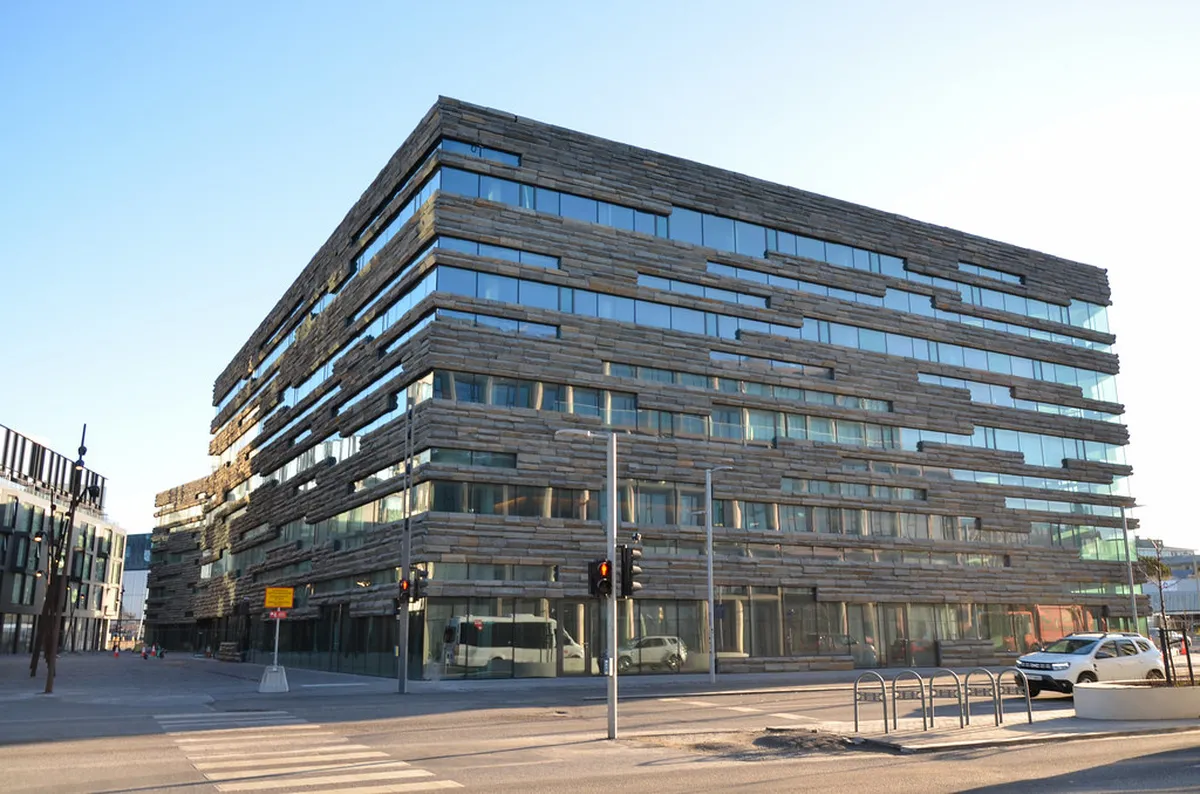
Municipal garages provide a simpler alternative to circling downtown blocks. Traðarkot garage on Hverfisgata is convenient for Laugavegur, while the City Hall garage provides access to Tjörnin and the western center. Neither removes the need to confirm overnight access with your accommodation.
Vesturbær usually offers less pressured street parking than central 101. Grandi also works well for drivers, especially around its converted harbor buildings. Spaces near active loading areas may have time limits or commercial restrictions.
- If staying in 101, consider collecting the rental car when leaving Reykjavik.
- From Grandi, park once and walk through the Old Harbour into Miðborg.
- In Vesturbær, confirm local signs before leaving a car overnight.
Frequently Asked Questions
Which Reykjavik neighborhood should first-time visitors pick?
Miðborg, the 101 postal code area, suits most first-time visitors because Hallgrímskirkja, Harpa, and Laugavegur's shops all sit within a short walk of each other. Expect higher accommodation prices and weekend noise from the Rúntur bar crawl in exchange for that convenience.
Is it worth renting a car if staying in 101?
Not really, since Miðborg's core sights sit within walking distance and street parking there is scarce. Travelers who do rent a car often base themselves in Vesturbær or Grandi instead, where parking is easier.
How far is Grandi from downtown Reykjavik?
Grandi sits close to the Old Harbour, roughly 10 to 15 minutes on foot from central Miðborg. That makes it an easy add-on for an afternoon, even for travelers based elsewhere in the city.
Are Hafnarfjörður and Kópavogur part of Reykjavik?
No, both are separate municipalities that ring Reykjavik City rather than districts within it. Hafnarfjörður keeps its own small-town identity and Viking-era history. Kópavogur and neighboring Garðabær suit travelers with a rental car who want easy access to the Sky Lagoon or Smáralind.
What's the best neighborhood for avoiding crowds and noise?
Seltjarnarnes, the peninsula west of the city, offers the most solitude, with coastal walks and Grótta Lighthouse instead of nightlife. Vesturbær is a quieter, more residential alternative that still keeps you a 15 to 20 minute walk from downtown.
Do the Reykjavik neighborhood pools charge admission?
Yes, neighborhood pools like Vesturbæjarlaug and Laugardalslaug charge an entry fee, though it stays well below the price of the city's newer geothermal lagoons. Check current rates before visiting, since prices are adjusted periodically.
Can you get by without a car if you stay outside 101?
Yes, but plan around the Strætó bus network's schedule, since service thins out at night in the towns outside the city center. Laugardalur and Vesturbær both stay walkable to downtown, while Seltjarnarnes, Hafnarfjörður, and Kópavogur work better with either a car or a clear bus timetable.
Continue exploring
More guides you'll find useful