Secret Spots in Reykjavik: The Quiet Corners Locals Still Claim
Find secret spots in Reykjavik away from Hallgrímskirkja and the Sun Voyager: quiet baths, backstreets, and neighborhood pools locals still use in 2026.
On this page
Secret Spots in Reykjavik Beyond the Postcard Landmarks
Last updated August 2026, this guide maps secret spots in Reykjavik for travelers who have already seen the postcard shots of Hallgrímskirkja and the Sun Voyager. Reykjavik is compact, but neighborhoods like Vesturbær and Grandi still hold quiet corners that day-tour buses skip entirely. Tourist numbers keep climbing each summer, so the real value now lies in knowing which baths, gardens, and backstreets locals still treat as their own.
What Counts as a Secret Spot in Reykjavik Right Now
Reykjavik is small enough that nothing stays fully hidden for long. What still counts as a secret spot in Reykjavik depends more on distance from Laugavegur and timing than true obscurity. Most entries below sit a short walk or one bus ride from that main street. Two neighborhoods hold more of these corners than any others: Vesturbær to the west and Grandi along the old harbor. A companion neighborhoods guide maps both, plus Þingholt and Laugardalur, before you dive into single spots. For a broader survey, the hidden gems overview pairs well with this list. A few more options beyond this list sit in the off-the-beaten-path guide. Indoor picks beyond nature and neighborhoods live in the unique things to do guide. Hallgrímskirkja, the Sun Voyager, and Harpa are missing here on purpose, since guidebooks already cover those well. This guide groups the remaining spots by neighborhood and travel mode, and it closes with a quick-reference table for planning. The test for what qualifies is simple: if a landmark appears on a bus-tour itinerary, this guide points you to a quieter feature of it instead of the landmark itself.
How This List Weighs Effort Against Reward
Every spot below gets judged on three things: effort to reach, how few visitors show up, and whether the payoff justifies the detour. A short walk from Laugavegur to a quiet garden scores differently than a car trip out to a lava field on the edge of town. Both can qualify as a secret spot in Reykjavik, but the trade-offs differ. Each entry below notes crowd level, accessibility, and the best time to go. That structure carries through to the quick-reference table near the end of this guide. Locals rarely optimize for total obscurity. They optimize for a quiet stretch before the day gets busy, which matters more than any strict ranking of most hidden to least hidden. Free spots outnumber paid ones on this list, but a few, like the public pool or the museum stops, carry a modest admission fee that funds their upkeep.
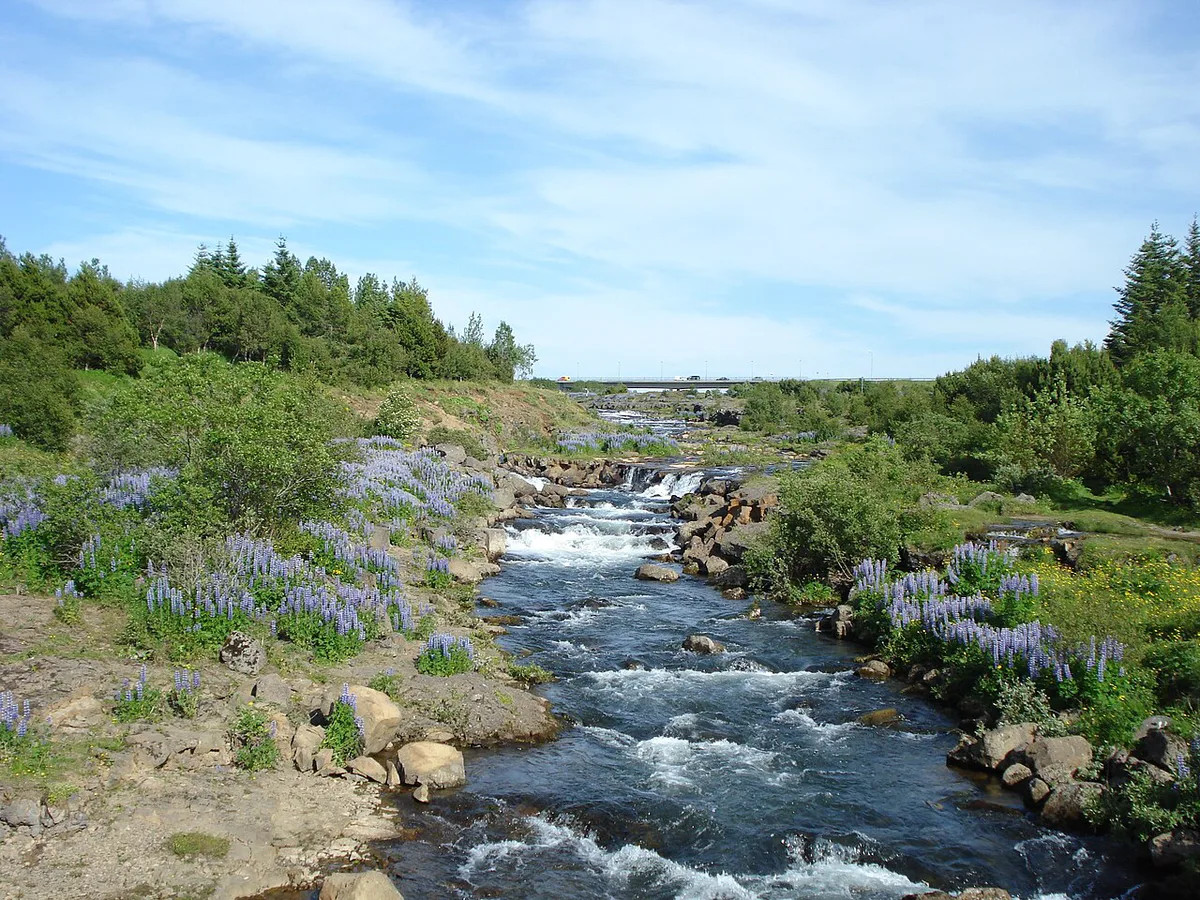
Effort and reward trade off differently—a quiet garden near Laugavegur requires only a walk, while Rauðhólar's red lava formations sit about 15 minutes from downtown by car, delivering a landscape that feels entirely different.
Quiet Coastal Escapes: Grótta's Kvika Footbath, Hólavallagarður, and Viðey Island
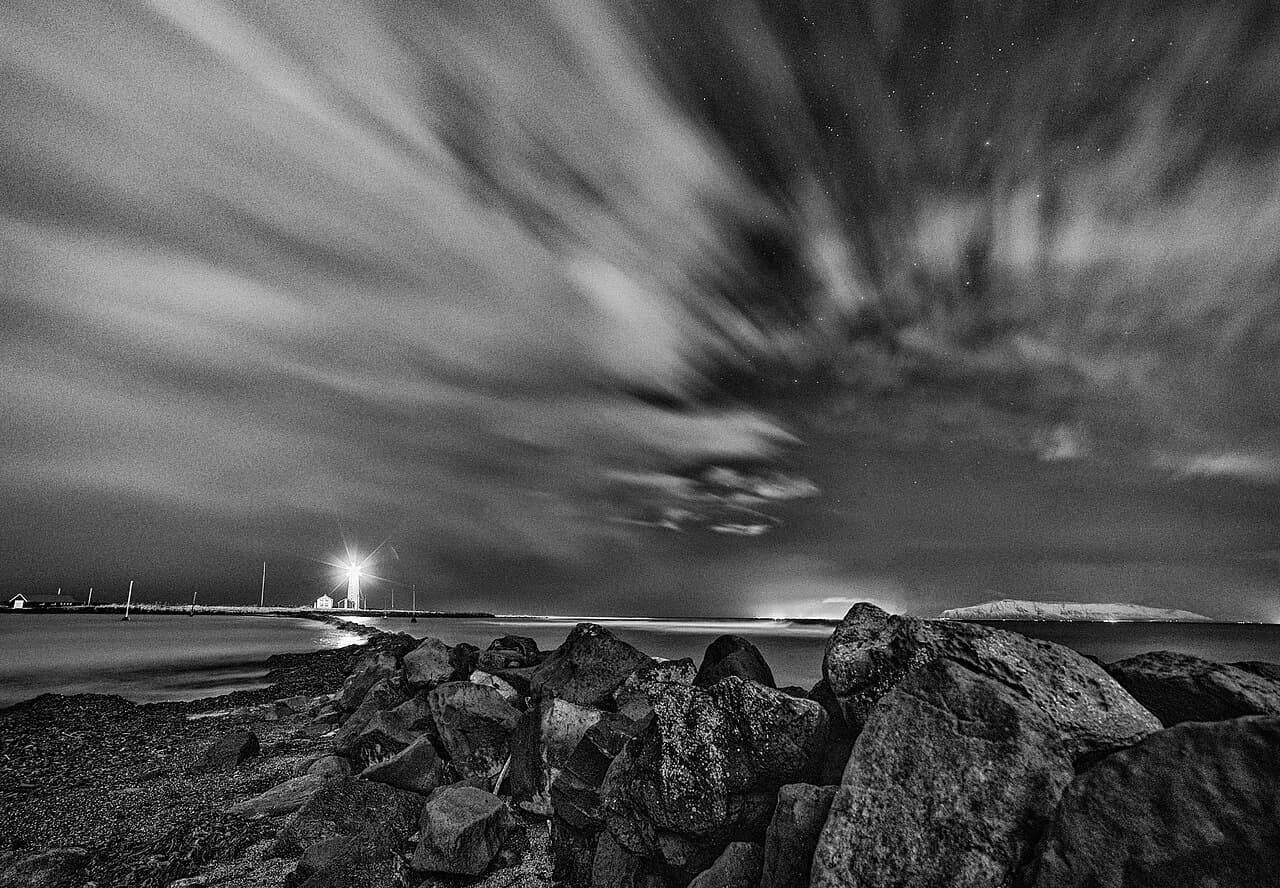
At the tip of Seltjarnarnes, the Kvika footbath sits beside Grótta lighthouse and costs nothing to use. Built into the rocks, this small geothermal pool stays warm even when the wind off the bay does not. Bring water shoes, since the rocks underfoot are uneven and the pool itself is shallow. Grótta itself is a tidal islet, so check tide times before walking out to the point. High tide floods the causeway, and getting stranded on the far side is the safety trade-off locals mention first. The surrounding shoreline nature reserve also draws birdwatchers outside the tourist season. Full walking directions and current access notes sit in the Grótta lighthouse guide. A few kilometers inland, Hólavallagarður Cemetery offers a different kind of quiet. Moss-covered headstones and birch trees make it one of the calmest green spaces near the city center, not a spooky detour. It charges no entry fee and stays open through daylight hours, though exact gate times can shift by season. Nauthólsvík geothermal beach carries its own trade-off: warmed lagoon water sits right next to the open, cold Atlantic. Locals treat the cold plunge as routine, not a stunt, and that contrast with a paid spa experience is the whole draw. Opening hours and change-room access are covered in the Nauthólsvík guide. A short ferry ride from the old harbor reaches Viðey Island. It offers a quieter version of the same coastal theme, with open walking paths and outdoor sculpture spread across the island. Ferry sailings run less often outside peak summer months, so check the operator's current schedule first. Current timetables and dock locations sit in the Viðey Island guide.
Art and Architecture Locals Actually Visit
In Grandi, the Marshall House holds contemporary art galleries inside a former fish-processing plant, a different scene from the harbor's postcard shots. Exhibitions rotate often, so check current listings before making a special trip out. Hours can also shift between exhibitions, so confirm the schedule on the venue's own listings first. Walking directions from the harbor front sit in the Grandi guide. Inland, the Þingholt district holds some of the city's oldest residential streets, lined with corrugated-iron houses painted in mismatched colors. Street art covers a few gable walls, and small carved elf stones sit tucked into gardens and low stone walls if you slow down to look for them. Finding them rewards patience more than a checklist, since locals rarely mark them for visitors. Block-by-block directions through these backstreets sit in the Þingholt guide. In Laugardalur, the Ásmundarsafn sculpture garden surrounds sculptor Ásmundur Sveinsson's domed former studio with his outdoor works. It draws a fraction of the crowd that visits the geothermal pools nearby. Both stops fit into one loop covered in the Laugardalur guide. Two smaller stops round out this theme. The Nordic House keeps a small shoreline garden behind its building, near the National Museum, that draws local birdlife outside peak summer. A converted underground public toilet on Bankastræti now holds the Icelandic Punk Museum. Both reward a slow pace rather than a fixed itinerary; check current opening hours before visiting either one.
Neighborhood Life: Vesturbæjarlaug, Grandi Harbour, and the Heiðmörk Fringe
Vesturbæjarlaug, a public pool in the Vesturbær district, functions as Reykjavik's real social hub. Locals soak in the hot tubs, talk politics, and catch up on neighborhood news the way other cities use a coffee shop. Entry costs a standard local pool fee rather than anything priced for tourists. Directions and pool etiquette notes sit in the Vesturbær guide. Grandi harbor rewards a slower visit beyond the Whale Museum. Small workshops line the waterfront, geared toward small-batch design and food production rather than souvenirs, and Omnom's chocolate factory sits a short walk from the fish auction hall. Both the pool and the harbor sit within Reykjavik's compact core, so neither requires a long trip. More food stops nearby appear in the local food guide. A sit-down option after the walk sits in the local restaurants guide. Travelers with a rental car can push further out to Heiðmörk, where the red lava formations at Rauðhólar sit about 15 minutes from downtown but feel like another landscape entirely. Heiðmörk itself is a wooded nature area on the city's edge, and Rauðhólar sits within it. That trip pairs well with a longer loop. The Reykjanes Peninsula day trip guide covers the full route. Both car-dependent options also appear in the day trips guide.
Getting to These Spots Without a Car
Walking covers most of this list for anyone staying near Laugavegur, and it costs nothing beyond time. For Grótta, Nauthólsvík, or Heiðmörk, the Strætó bus network is the faster option. Check the Strætó app for current routes and fares before heading out, since numbers shift with schedule updates. Multiple single fares can add up faster than expected, so check the app for any multi-ride options before a multi-stop day. Nearly everything on this list costs nothing beyond a bus fare or a pair of walking shoes. The free things to do guide rounds up more no-cost options citywide. Þingholt in particular deserves a note on etiquette. The houses there are private homes, not stage sets. Keep voices down, and stay off front steps when photographing elf stones or painted facades. The same courtesy applies at Vesturbæjarlaug, where the hot tubs are a daily routine for regulars rather than a photo backdrop for visitors.
What Changes by Season
Early morning or the last hour before sunset keeps these spots closest to empty, which matters most at Grótta and Hólavallagarður. Summer light stretches into the evening, so a late visit does not mean a dark one. Daylight hours run long in June and July, which is also when tour buses are busiest at the well-known landmarks nearby. Winter changes the picture. Some garden paths can turn icy or close briefly, and crossing the Kvika footbath causeway gets riskier once the light fades and the tide turns. Ferry sailings to Viðey Island also thin out considerably outside the summer months, so confirm a departure time before walking down to the dock. Heiðmörk's gravel tracks can require a 4x4 once winter snow sets in, so check current road conditions before driving out to Rauðhólar. Cold-water swimming at Nauthólsvík continues through the colder months for those who want it. A broader read on avoiding peak-season crowds citywide sits in the best time to visit guide.
Heiðmörk opens to buses and casual cars in summer, but winter imposes a tougher barrier—the gravel tracks can require a 4x4 once snow arrives, shutting out all but serious explorers.
Crowd Levels and Access at a Glance
These trade-offs are easiest to compare side by side. Use the table below to plan a route before setting out. Conditions here reflect current status, though small changes like hours or fees can shift without notice.
| Spot | Crowd Level | Accessibility | Best Time |
|---|---|---|---|
| Kvika Footbath & Grótta | Low | Walkable or bus from Seltjarnarnes | Early morning; check tides |
| Hólavallagarður Cemetery | Low | Walkable from downtown | Any daylight hour |
| Nauthólsvík Beach | Low to moderate | Bus or a longer walk | Late afternoon in summer |
| Marshall House | Low | Walkable from Grandi harbor | Weekday afternoons |
| Þingholt Backstreets | Low | Walkable from Laugavegur | Daytime; respect residents |
| Ásmundarsafn Sculpture Garden | Low | Bus to Laugardalur | Any daylight hour |
| Vesturbæjarlaug | Moderate, mostly locals | Walkable or bus | Evening soak |
| Grandi Harbour Workshops | Low to moderate | Walkable from downtown | Weekday mornings |
| Viðey Island | Low | Ferry from the old harbor | Midday sailings in summer |
| Heiðmörk / Rauðhólar | Very low | Car required | Daylight; easiest in summer |
The Einar Jónsson Museum Sculpture Garden
Hallgrímskirkja is no secret, but the sculpture garden behind the Einar Jónsson Museum remains easy to miss. This quiet space displays bronze casts of Jónsson’s symbolic works among trees, paths, and low stone walls.
Enter from Freyjugata, on the eastern side of the museum, rather than approaching through the church forecourt. The garden is free to visit and can be explored separately from the indoor galleries. Its sheltered layout also offers a useful break from the wind around Skólavörðuholt.
Allow about 20 minutes for a slow circuit. Early morning and weekday afternoons are usually calmer than the periods surrounding church services or tour-bus arrivals. Winter snow can obscure path edges and sculpture details, so wear shoes with reliable grip.
Stay on the paths and avoid climbing on the artworks or stone walls. If the gate is closed, check the museum’s current access information rather than trying another entrance.
Frequently Asked Questions
Is Reykjavik walkable?
Yes. Most of the spots here, including Þingholt, Hólavallagarður, and the Marshall House, sit within a comfortable walk of Laugavegur. Grótta, Nauthólsvík, Viðey Island, and Heiðmörk sit further out, so plan a bus, ferry, or car for those four.
Where do locals go to avoid tourists?
Neighborhood pools like Vesturbæjarlaug, quiet garden spaces such as the Nordic House grounds, and coastal spots like Grótta at low tide draw far fewer visitors than the harbor and Laugavegur. Locals also favor early mornings over midday for almost every spot on this list. Weekday visits also thin out crowds compared with weekends, especially at pool and garden spots.
Are these secret spots free to visit?
Several cost nothing, including the Kvika footbath, Hólavallagarður Cemetery, the Þingholt backstreets, and the Rauðhólar lava fields at Heiðmörk. Vesturbæjarlaug and Nauthólsvík charge a standard public pool or beach fee. Museum stops, such as the Marshall House or the Punk Museum, charge their own separate entry.
Can you see the Northern Lights from these spots?
In our editorial assessment, Grótta is one of the more reliable spots near the city center for aurora viewing, since the open coastline sits away from the brightest streetlights. Visibility still depends on solar activity and clear skies, so check a forecast rather than counting on any single night. Winter offers the longest dark hours for a possible sighting, while summer's near-constant daylight rules it out almost entirely.
Do any of these spots change in winter?
Yes. Some garden paths get icy or close briefly, and crossing to Grótta gets riskier once the causeway floods in the dark. Cold-water swimming at Nauthólsvík continues year-round for those who want it. Ferry sailings to Viðey Island also thin out considerably outside summer.
Continue exploring
More guides you'll find useful