Grótta Lighthouse Reykjavík: Tides, Access & When to Go
Time your Grótta lighthouse Reykjavík visit around the tide, compare walking, taxi, and bike access, and avoid the mistakes that strand visitors.
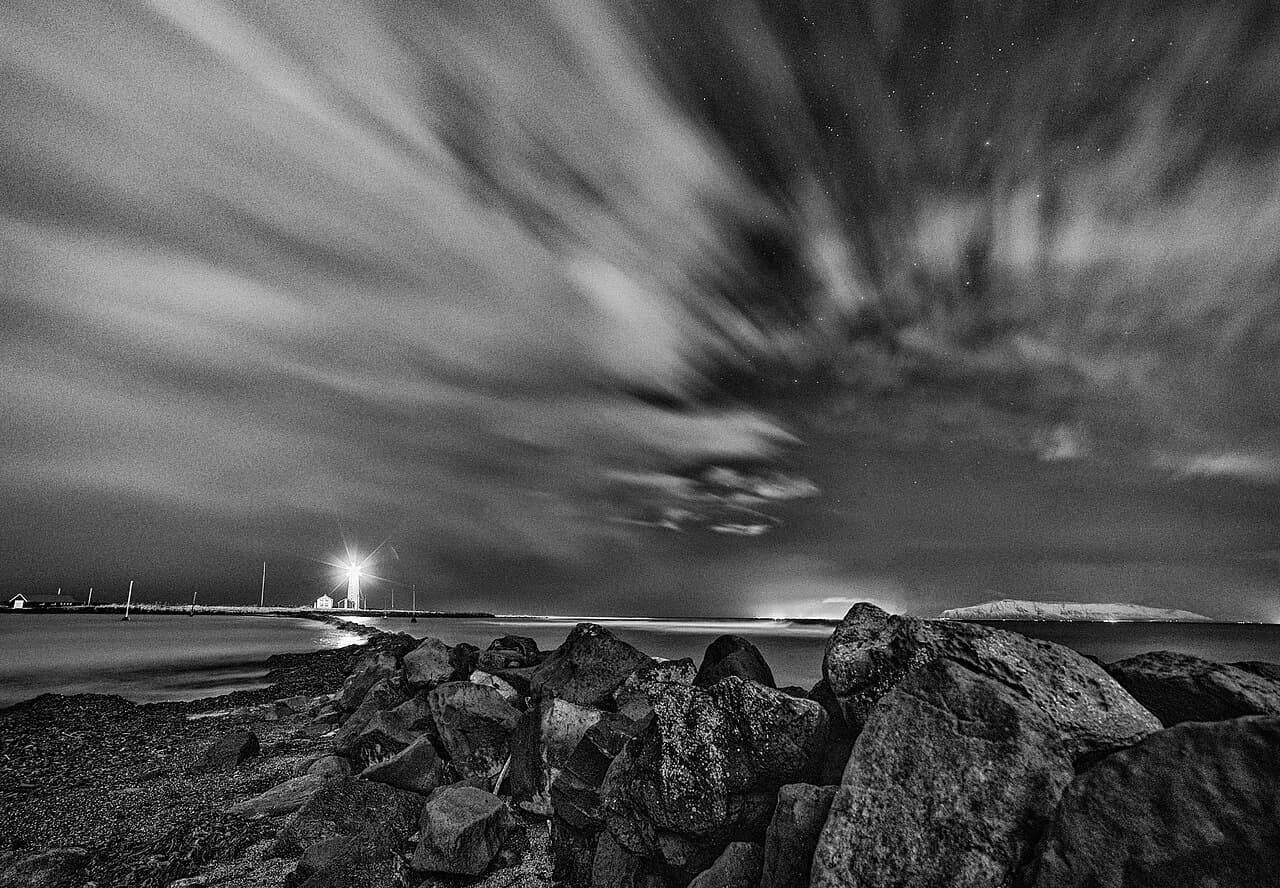
On this page
Grótta Lighthouse, Reykjavík
Last updated August 2026: Grótta lighthouse in Reykjavík sits on a tidal tombolo, walkable only within a roughly six-hour window around low tide. Time it wrong and the causeway floods before you're back, stranding you on the wrong side of Faxaflói Bay. This guide covers the tide-timing framework, the walk-versus-taxi trade-off, and the nesting-season closure that rules out visits between 1 May and 15 July.
What Is Grótta Lighthouse in Reykjavík?
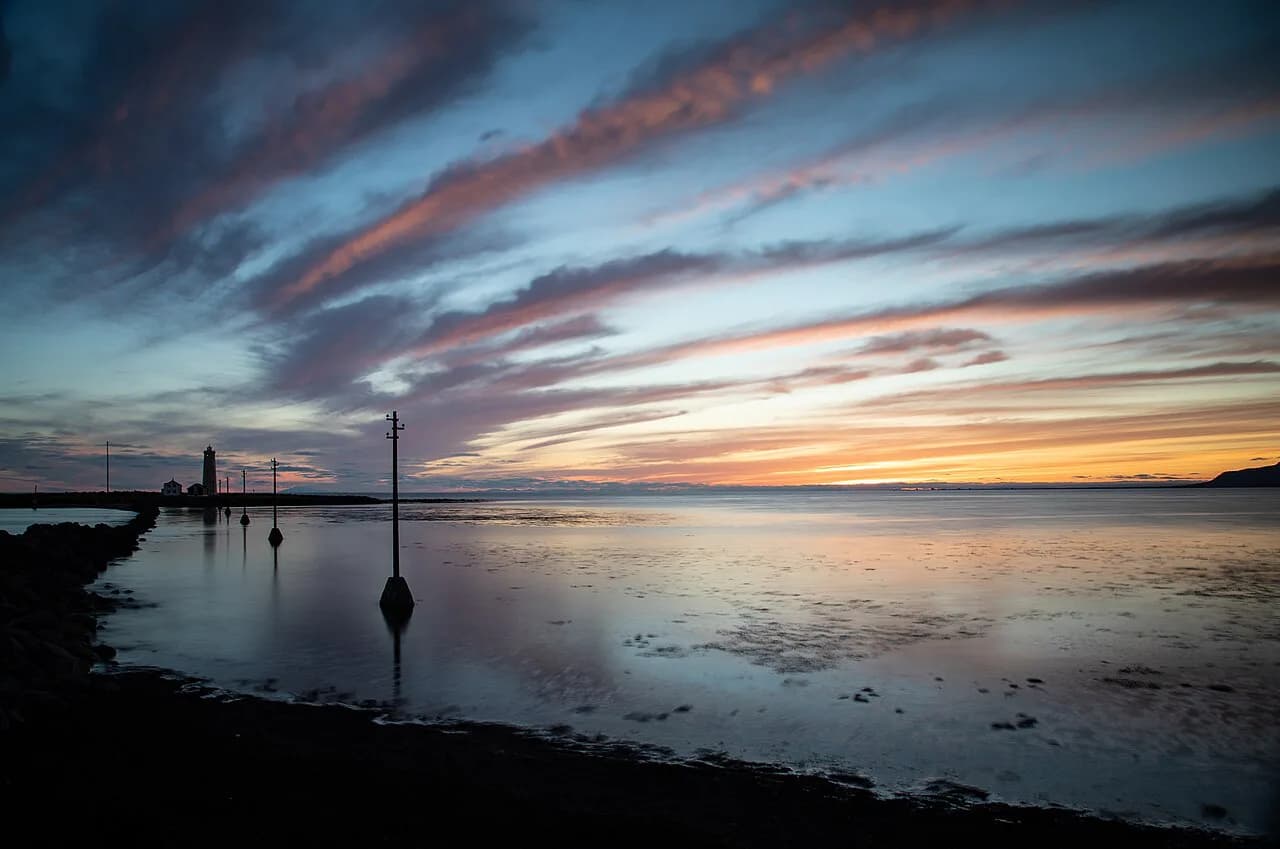
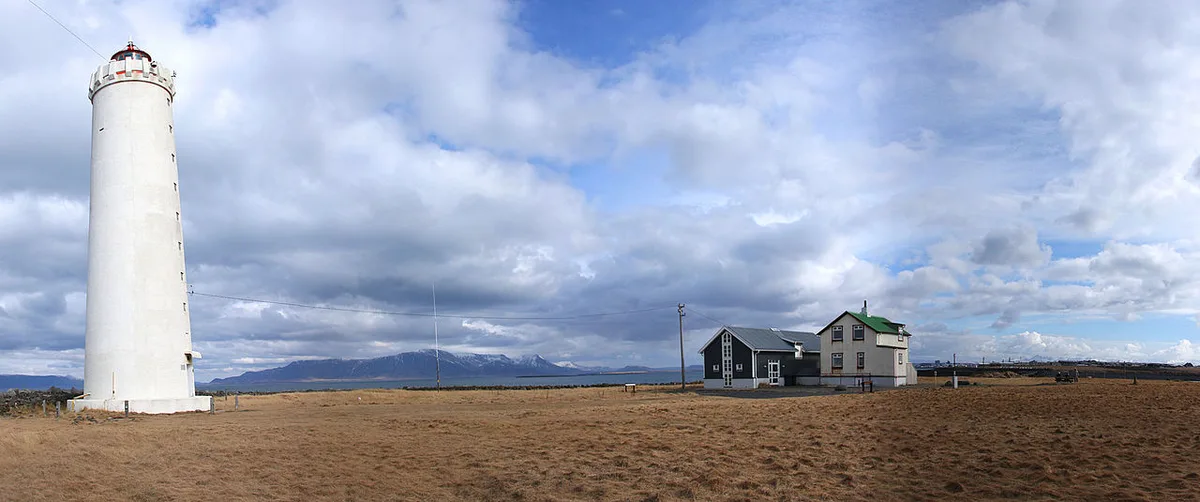
Grótta lighthouse sits on a tidal tombolo at the western tip of the Seltjarnarnes peninsula, a 15-minute walk or bike ride from downtown Reykjavík. This version of the Grótta lighthouse was built in 1897 and rebuilt in 1947. Ships still use its beam to navigate into Faxaflói Bay after dark. Visit Reykjavík lists the site's address as Grótta, 170 Seltjarnarnes. The posted hours look like the tourism office's own contact hours, not a gate schedule for the island itself. The tide decides access, not a clock. Surrounding wetlands and rocky shore have been a nature reserve since 1974, protecting nesting birds and coastal plant life. Grótta earns a spot on any hidden gems in Reykjavík list because reaching it depends on the tide, not a ticket counter. Most short-trip visitors skip it for the golden circle, which also makes it a natural fit for an off-the-beaten-path Reykjavík itinerary.
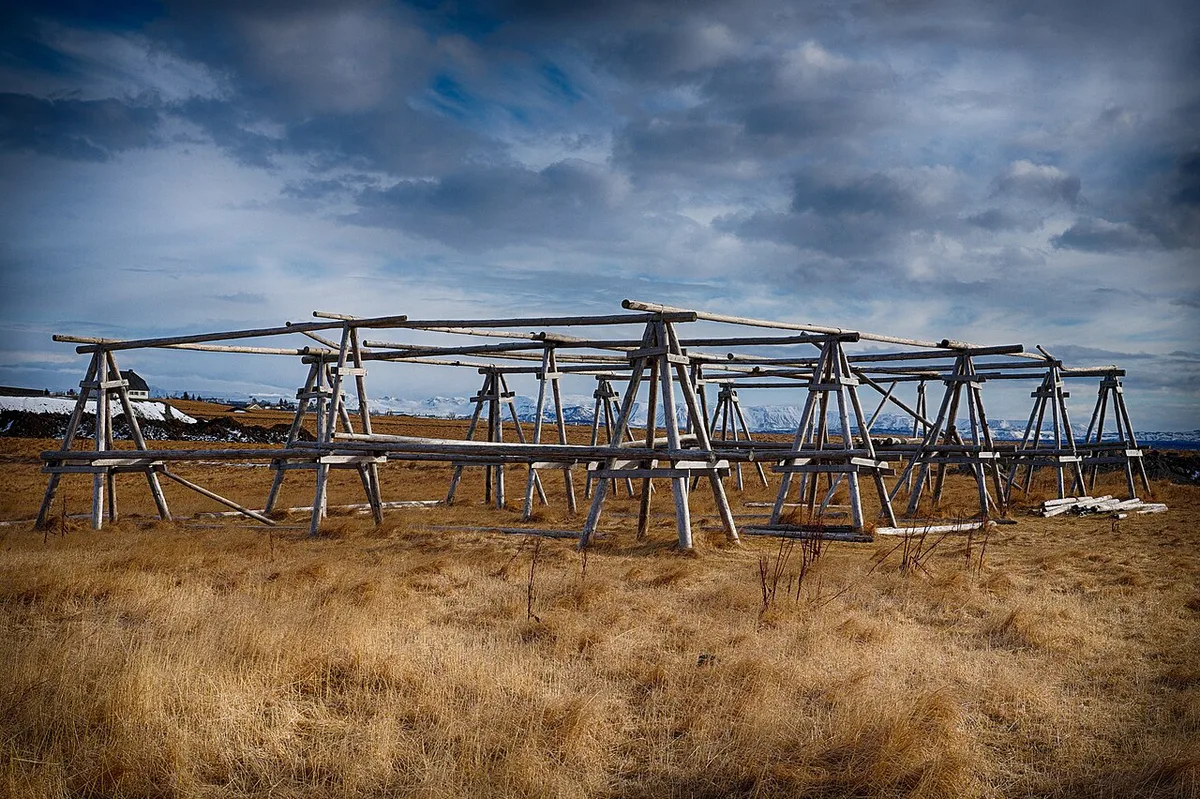
Getting to Grótta: Walking vs. Taxi vs. Bike
Three options get you from central Reykjavík to Grótta lighthouse: walking, taxi, or bike. One travel blogger clocked the walk at about 4 miles round trip, roughly 60 to 90 minutes each way; treat that as an estimate rather than a fixed number. The same source put a taxi ride at about 5 minutes, though fares shift, so confirm the current rate before booking. Expect the taxi to cost more than the walk but save 60 to 90 minutes each way. That trade-off matters most when you are timing arrival around low tide. Cyclists can follow the shared coastal path through Grandi, making Grótta an easy add-on to a longer ride. Walking costs nothing, which is one reason it shows up on lists of free things to do in Reykjavík. Whichever method you choose, build the return trip into your low-tide window rather than treating arrival time alone as the deadline. If Grótta is one stop on a fuller day, pair it with ideas from the best day trips from Reykjavík guide. Drivers with more time can continue on to the Reykjanes Peninsula Day Trip: Self-Drive Route, Timing & Tour Options route afterward.
| Method | Distance / Time | Cost | Best For |
|---|---|---|---|
| Walk | About 4 miles round trip; 60-90 min each way (single-source estimate, confirm before relying on it) | Free | Flexible schedules and calm weather |
| Taxi | About 5 minutes from downtown (single-source estimate) | Taxi fare; confirm the current rate before booking | Time-limited visits or poor weather |
| Bike | Coastal shared path via Grandi | Free, aside from any bike rental | Combining with a Grandi or Vesturbær ride |
Timing Your Visit Around the Tide
Grótta sits on a tombolo, a sand and rock causeway that floods at high tide and empties at low tide. You can walk out during a roughly six-hour window around low tide, then the crossing submerges again as the water rises. Check a tide table for Reykjavík or Seltjarnarnes before you leave. Icelandic tide tables typically list a low-tide time and height for each day, so cross-reference that time with your available daylight hours before setting out. Aim to arrive within an hour of low tide so the return crossing isn't rushed. Online visitor reports describe hikers getting stranded when they misjudge the tide, so build in a buffer rather than cutting it close. For a wider view of when the city feels calmer, not just the tide schedule, see the best time to visit Reykjavík guide.
The walk takes 60 to 90 minutes each way, so timing arrival within an hour of low tide ensures the return crossing isn't rushed before the causeway floods.
Best Time of Year to Visit Grótta
Grótta closes to visitors every year from 1 May to 15 July, the peak nesting season for its bird colony. If your trip falls in that window, view the lighthouse from outside the reserve boundary rather than planning to walk out. About 450 pairs of Arctic terns nest on the island, alongside eiders and gulls, which is why Visit Reykjavík and other sources note the closure is enforced, not advisory. Outside that window, late autumn and winter add the draw of aurora viewing, since Grótta's open coastline has less light pollution than downtown streets. Winter days are short, so plan the tide-timed walk for whenever daylight and low tide overlap. If northern lights are the priority, pair the trip with a longer winter evening rather than a rushed stop.
What to See and Do Near Grótta
Once you reach the island, the lighthouse itself is the main landmark, its white tower set against black rock and open ocean. About 450 pairs of Arctic terns nest here, and eiders and gulls are common year-round. Watching them work the tidal flats is one of the more unique things to do in Reykjavík that costs nothing. In summer, around 140 species of higher plants grow across the reserve, roughly a third of Iceland's recorded total. A mix of coastal meadows, rocky shoreline, and tidal pools supports that plant and bird diversity. On clear days you can see Mount Esja across the bay, with the Reykjavík skyline behind you. The harbor views back toward Faxaflói Bay tie the walk together with the coastline you started from. Afterward, the Kvika foot bath near the lighthouse lets you soak tired feet in warm geothermal water. A larger version of that same idea, the Nauthólsvík geothermal beach, sits elsewhere in the city. For a comparable island outing that swaps the tide crossing for a ferry, Viðey Island is a short sail from the old harbor.
Mistakes to Avoid at Grótta
A handful of mistakes account for most of the trouble visitors run into at Grótta. Avoid these:
The 1 May to 15 July closure enforced during peak nesting protects roughly 450 pairs of Arctic terns, making visit timing essential for anyone planning a trip to this unique tidal reserve.
- Do not cross the rock wall bordering the reserve; it is not a secure structure, and standing on it risks a fall onto tidal rock.
- Skip lingering past the tide turn; the crossing floods from both sides and can strand you faster than it looks.
- Check the wind forecast before you go; the site is fully exposed with no windbreak.
- Avoid planning a visit between 1 May and 15 July; the reserve is closed then to protect nesting birds.
- Confirm the walk distance and taxi time yourself rather than relying on a single blog estimate.
History and Local Lore at Grótta
Grótta's exact position, 64°09′52″N 22°01′19″W, marks the westernmost point of the Seltjarnarnes peninsula. Its most remembered resident is Albert Þorvarðarson, lighthouse keeper until his death in 1973. That regional search-and-rescue association still carries his name. Seltjarnarnes acquired the keeper's house in 1994, after it had sat empty since 1970. The building now serves as facilities for school trips rather than a residence. Local lore ties the exposed coastline to tales of shipwrecks and sea creatures. Those legends predate the lighthouse itself, reflecting how long the point has shaped local navigation and fishing.
Pairing Grótta With a Half-Day Loop
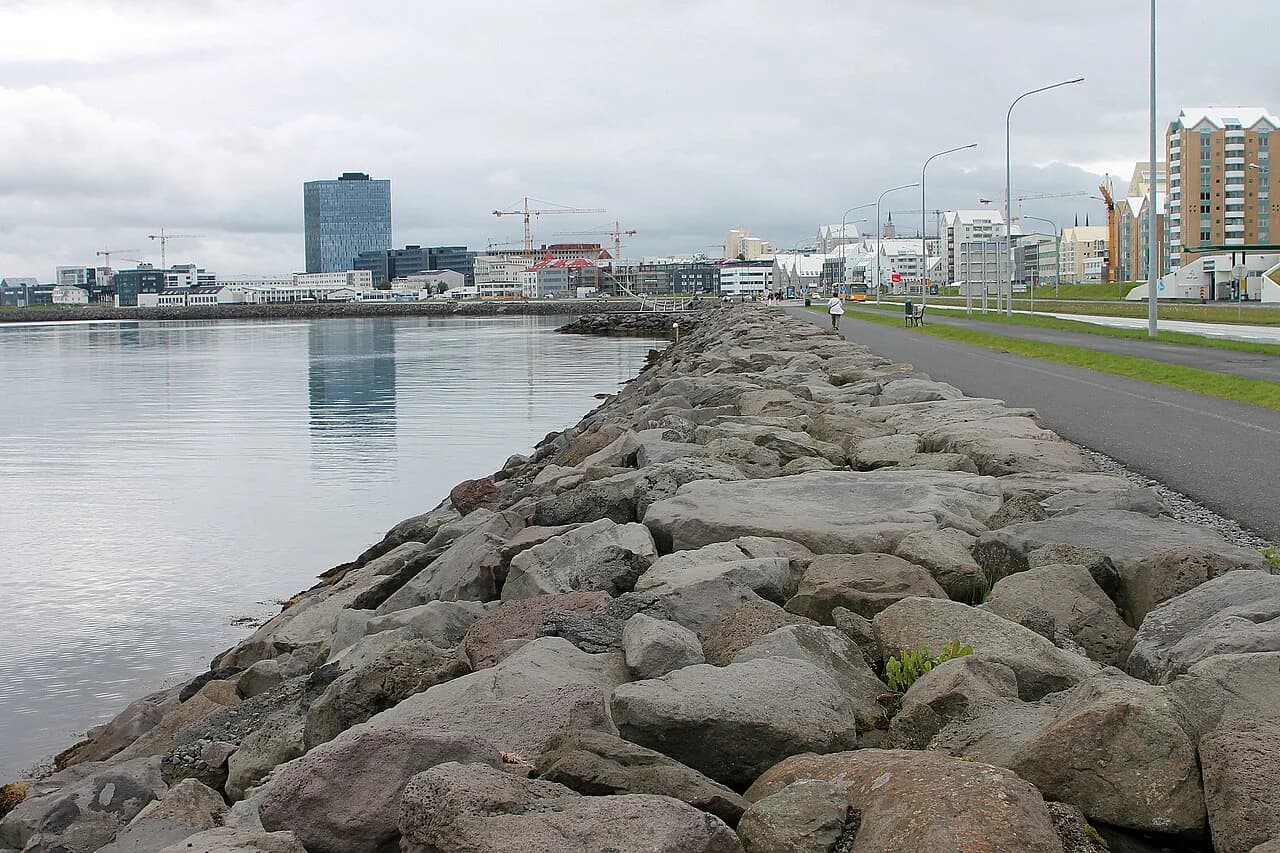
Grótta sits at the far edge of Seltjarnarnes, close to Reykjavík's western neighborhoods. Walking back toward downtown, you pass through Grandi's harbor district, home to converted warehouses and small studios. Just beyond it sits Vesturbær neighborhood, worth a slower look if you have the afternoon free. The Reykjavík neighborhoods guide maps how the rest of the districts connect. Combined with the lighthouse, this loop belongs on any secret spots in Reykjavík list. The harbor also offers casual seafood counters, a lower-key option than a sit-down restaurant if time is short. Refuel afterward at a pick from the best local restaurants in Reykjavík roundup. For something closer to Grandi, the Reykjavík local food guide has more options.
What to Pack for a Windy, Tidal Site
Grótta's coastline sits fully exposed to the open Atlantic, with little shelter of any kind. Wind is the constant factor, more than temperature, so a windproof outer layer matters more than extra insulation. Layered clothing works better than a single heavy coat, since wind chill can shift quickly along the open shoreline. Waterproof shoes help too, since the tidal flats stay damp even well after the water recedes. Binoculars are worth packing if birdwatching is part of the plan, given the density of Arctic terns and gulls working the shoreline. Check the wind and precipitation forecast the morning of your visit rather than the night before. None of this replaces checking the tide table first; gear only helps once the timing is right.
Frequently Asked Questions
Can you walk to Grótta lighthouse at any time, or only at low tide?
Only at low tide. The tombolo floods at high tide, so you can only cross on foot during the roughly six-hour window around low tide. Check a tide table before you set out. Arriving too early just means waiting for the water to recede fully.
How long does it take to walk to Grótta lighthouse from Reykjavík?
One blogger's account puts the walk at about 4 miles round trip, roughly 60 to 90 minutes each way, from central Reykjavík. Treat that as an estimate and confirm the distance on a current map before you plan around it. Add extra time if you plan to stop for photos along the shoreline.
Is Grótta lighthouse closed at certain times of year?
Yes. The island closes to visitors every year from 1 May to 15 July to protect nesting Arctic terns and other birds. Plan around that window if your trip dates are flexible. Outside that window, the reserve is open with no separate entry fee.
What happens if you get caught on Grótta island at high tide?
The causeway submerges, cutting off the walk back to the mainland until the tide turns again. Visitor reports describe hikers getting stranded this way. Leave a buffer before the tide changes rather than timing your return to the last minute. Rescue call-outs for stranded hikers are rare but documented, which is why the warning gets repeated online.
Is Grótta lighthouse worth visiting on a short Reykjavík trip?
It can be, if your dates fall outside the nesting closure and you can time the tide. The walk and the lighthouse cost nothing. Pairing the visit with the Kvika foot bath and a walk through Grandi turns it into a half-day loop rather than a quick stop. Budget at least two to three hours total once travel time and tide timing are factored in.
How much does it cost to visit Grótta lighthouse?
Walking out to the lighthouse and the surrounding reserve costs nothing. The only expense is transport, whether that is a taxi fare or a bike rental, and neither is charged by the site itself.
Continue exploring
More guides you'll find useful