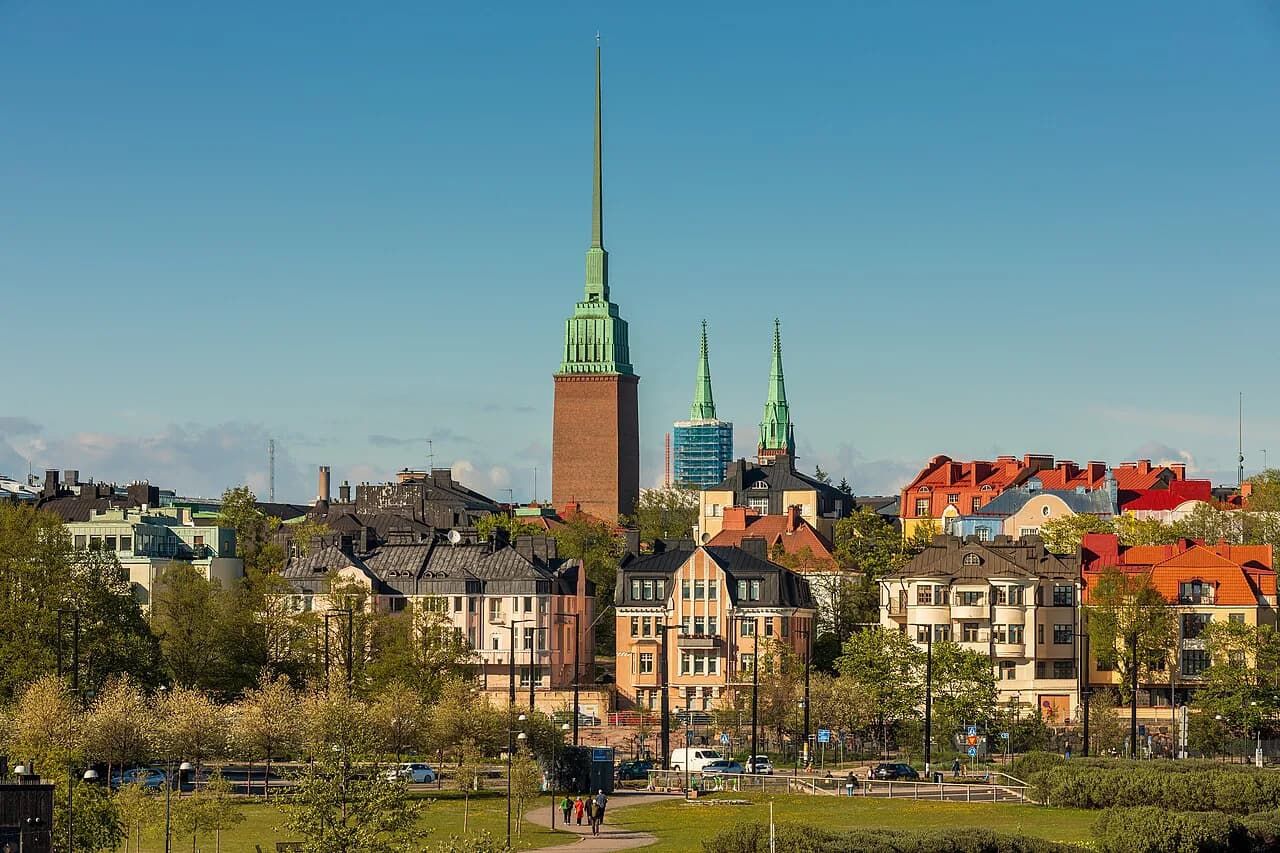
Helsinki Neighborhoods Guide: Where to Stay in Every District (2026)
A Helsinki neighborhoods guide to Kallio, Punavuori, Kruununhaka, Vallila, and the islands, updated August 2026 with tram routes and where to stay.
On this page
Helsinki Neighborhoods Guide: Kallio, Punavuori, Kruununhaka, and Beyond
Last updated August 2026, this Helsinki neighborhoods guide breaks the city into the districts that actually shape a visit. Kallio's bars sit a few tram stops from Kruununhaka's quiet courtyards, and Punavuori's boutiques pull a different crowd than the island forts of Suomenlinna. Use the breakdown below to match a district to your trip instead of guessing from a hotel map.
The Quick Helsinki Neighborhoods Guide: Where to Stay by Traveler Type
Start here if you need a fast answer before booking a hotel. Every district covered in this guide has its own pace, price level, and crowd, and the right base depends on what the trip is for. The list below matches traveler type to neighborhood, and the deep dives further down cover streets, landmarks, and transport for each one. Prices in the table further down give a relative sense of where each neighborhood sits before you compare listings.
- Nightlife and late bars: Kallio
- Design shopping and boutiques: Punavuori
- Historic architecture and quiet streets: Kruununhaka
- Wooden-house character away from the center: Vallila
- Family-friendly calm: Töölö
- Upscale and central: Kaartinkaupunki
- Island scenery and a day away from the mainland: Suomenlinna and Vallisaari
Getting Around: The HSL Tram Network and Walkable Core
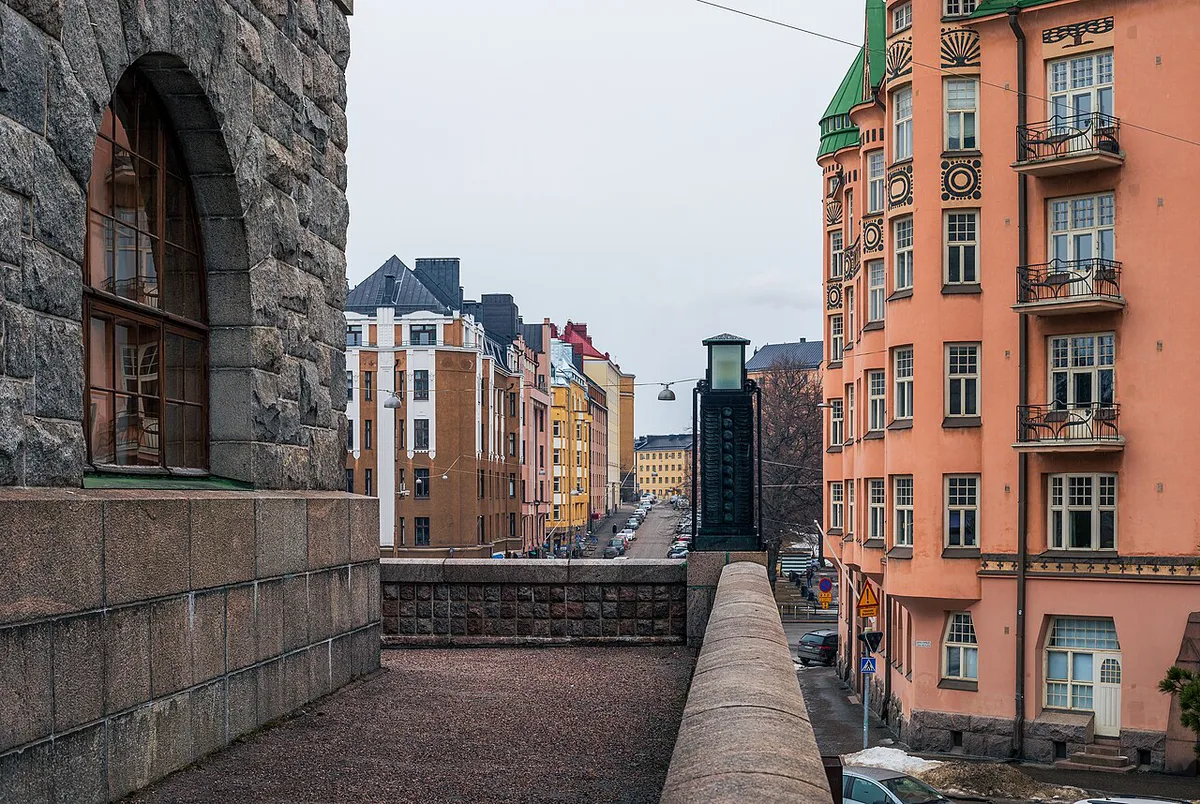
Helsinki Regional Transport, known as HSL, runs the trams that connect every district in this guide. Kruununhaka, Kaartinkaupunki, and Punavuori form a walkable central core, while Kallio and Vallila sit far enough out that a tram makes more sense most days. Buying a ticket through the HSL app costs less than paying on board. Download it before you arrive and check current Zone A fares directly in the app, since printed guides go out of date fast. Single tickets and day passes both run through the same app, so there's no need to hunt for a ticket machine once you land. Most first-time visitors find they barely need the metro, since the tram grid covers nearly every stop in this guide. For a neighborhood-agnostic reset after a day of walking, the public saunas guide covers options that work regardless of which district you're staying in.
Punavuori and the Design District: Helsinki's Creative Core
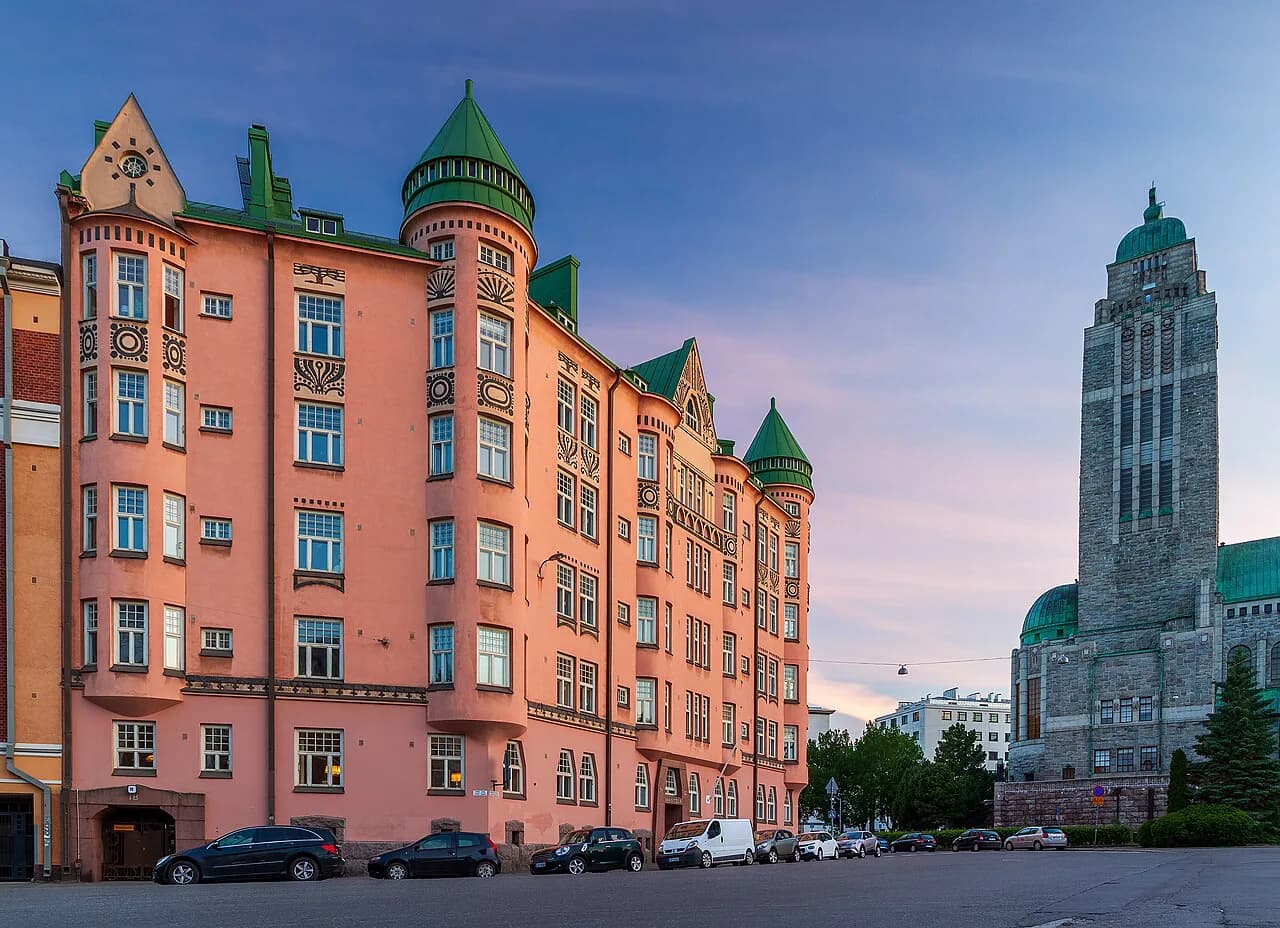
Punavuori anchors the city's Design District, and its identity is built around independent shops rather than chain stores. Fredrikinkatu and Iso Roobertinkatu carry the neighborhood's main run of boutiques, furniture studios, and small galleries. Cafes fill the gaps between shopfronts, making it an easy district to spend a slow, unplanned afternoon in. For a street-by-street shopping plan, the full Punavuori guide has specific picks. A short walk away, the Kaapelitehdas cultural hub occupies a former cable factory and hosts galleries, studios, and events that spill outside the Design District boundary. Punavuori suits travelers who want cafes and boutiques on the doorstep rather than nightlife noise, and it works as a base for both couples and solo travelers.
Kallio: Working-Class Roots, Bohemian Bars
Kallio built its identity as a working-class district, and that history still shows in the plain apartment blocks and corner grocers. Students and a younger crowd have since filled the neighborhood's bars, turning it into Helsinki's closest equivalent to a nightlife strip. Vaasankatu carries the main run of bars in the neighborhood, drawing a mixed crowd of locals and visitors from early evening into the night. Rents stay lower here than in the central districts, which is part of why the bar and cafe scene keeps growing. Specific bar and cafe picks, sorted street by street, sit inside the full Kallio guide. Expect noise if you book near Vaasankatu on a weekend, and quieter streets a few blocks off it if you'd rather sleep.
Kruununhaka: Grand Architecture Near the Harbor
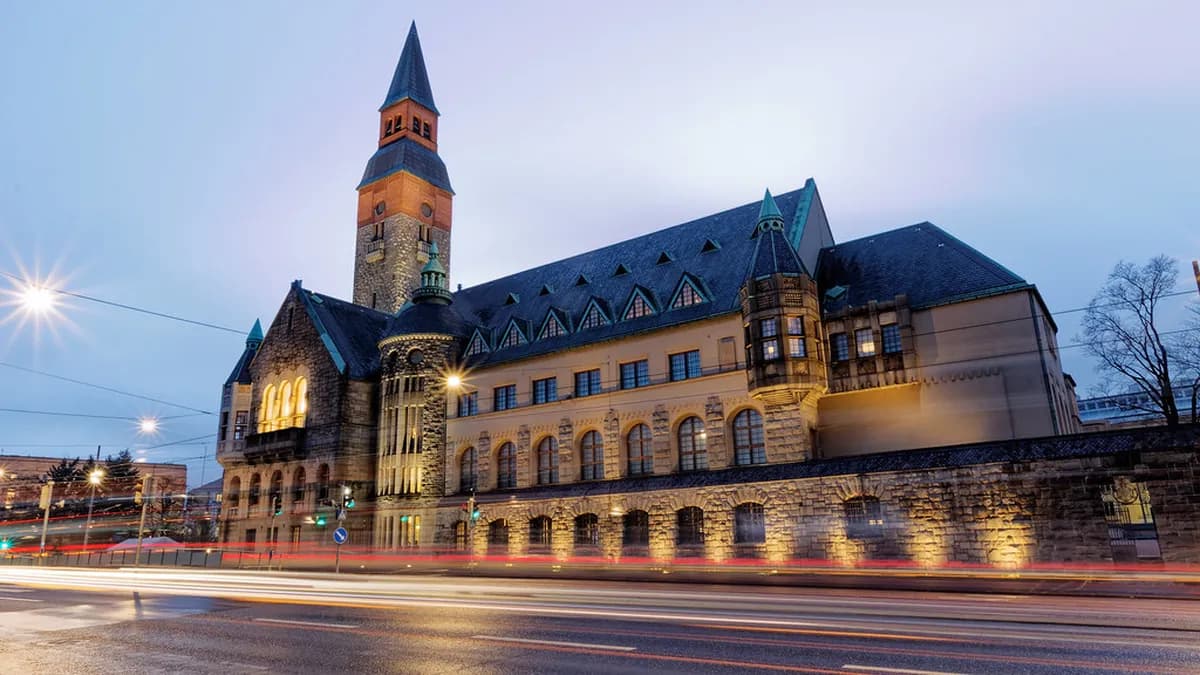
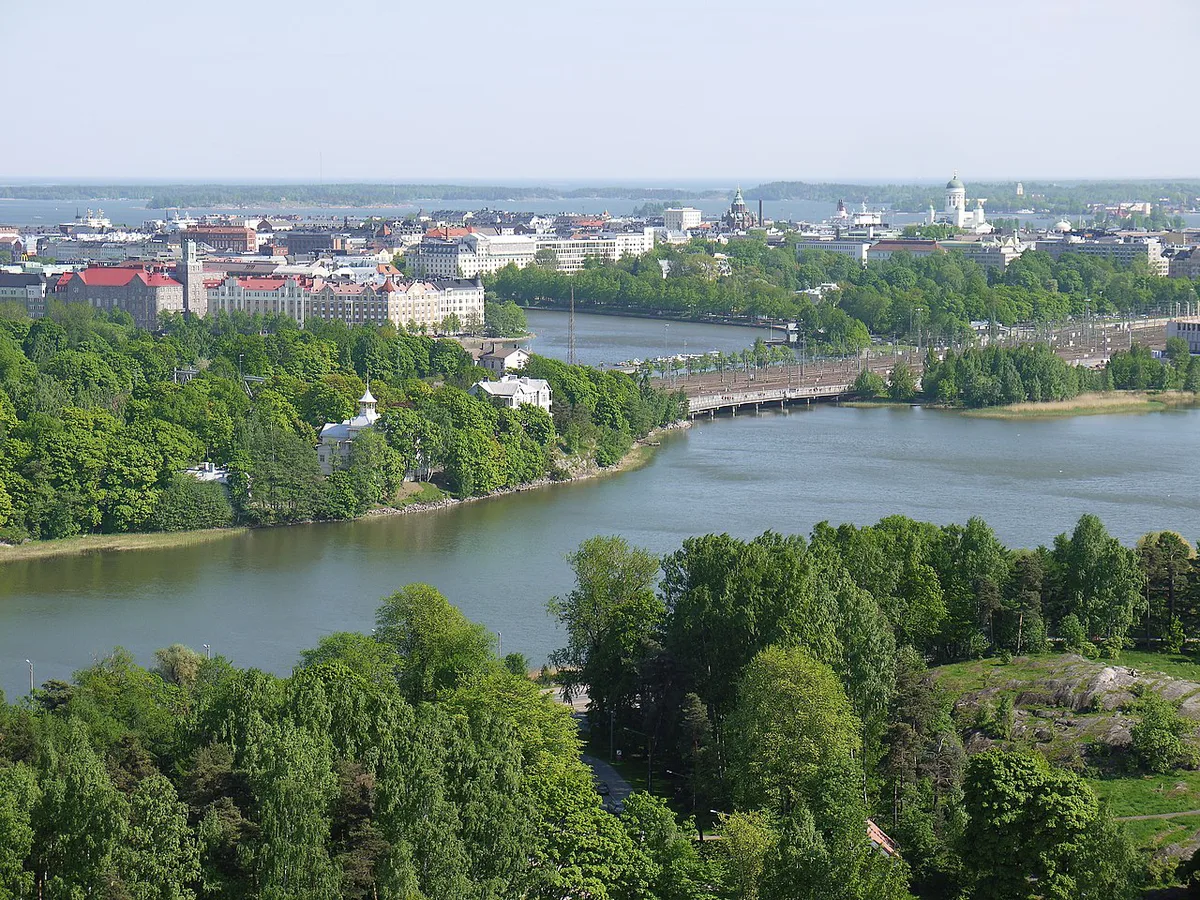
Kruununhaka keeps the grand, historic architecture that Helsinki's core is known for, with a noticeably quieter pace than Kallio or Punavuori. Wide streets, university buildings, and older apartment blocks set the tone here rather than bars or boutiques. Proximity to the harbor puts market-hall browsing and ferry departures within easy reach. Evenings stay calm, which makes the district a comfortable choice for travelers who want to be central without the noise of a bar district. Streets and specific buildings worth the detour sit inside the full Kruununhaka guide. Expect higher price points here than in Kallio or Vallila, in exchange for quiet and a central, historic setting.
Vallila: Wooden House Streets Away from the Crowds
Vallila is known locally as Puu-Vallila, or Wooden Vallila, for the low timber houses that survived while much of the city rebuilt in stone and concrete. Cafes and small workshops set the pace here instead of boutiques or bars. It sits outside the walkable center, so it suits travelers who want a residential, local feel over walk-everywhere convenience. Streets that keep the wooden-house character intact are listed in the full Vallila guide. Vallila works well as a base if you've visited Helsinki before and want a quieter, less-touristed district this time, and rents here tend to run lower than in the central core.
Suomenlinna and Vallisaari: The Island Neighborhoods
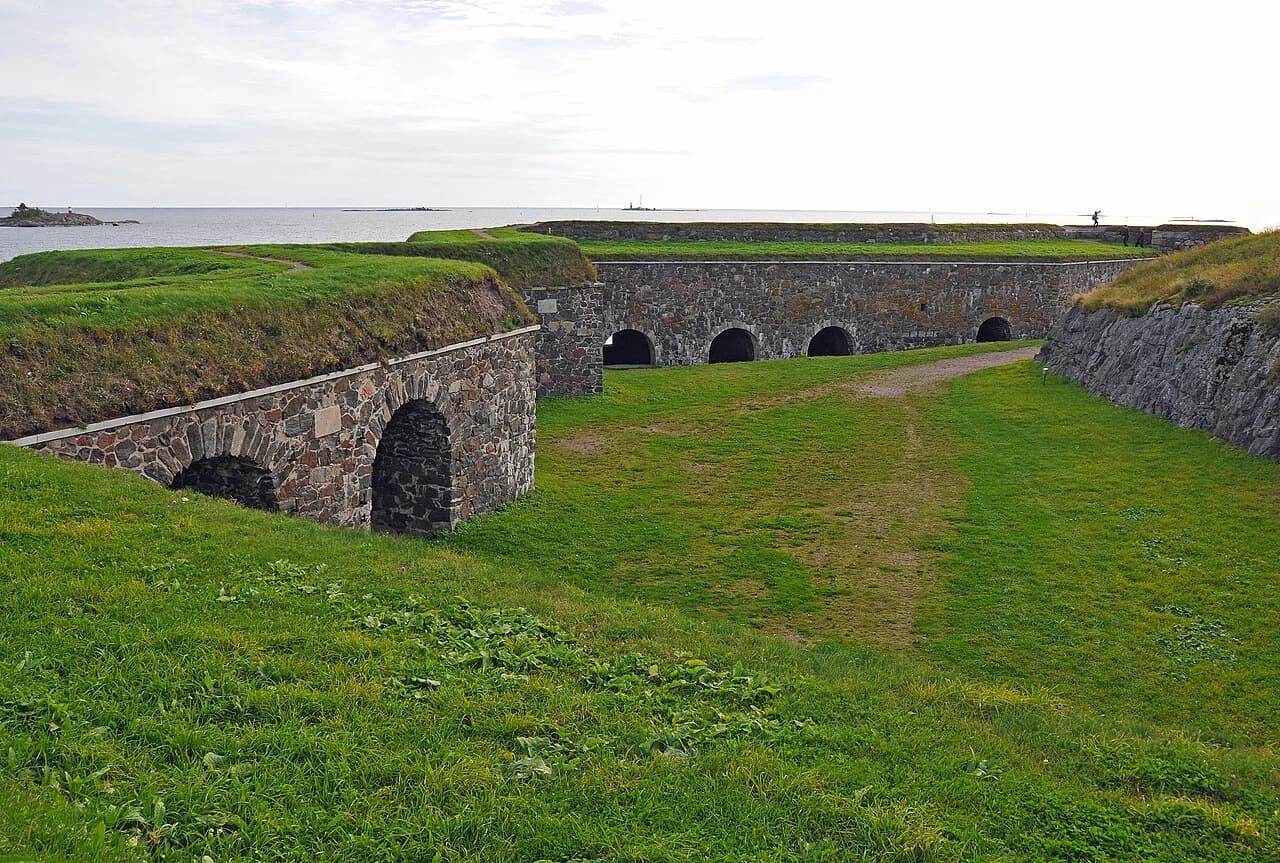
Suomenlinna and Vallisaari are technically islands, not districts, but both function as neighborhoods in how Helsinki residents and visitors use them. Ferries to both leave from Kauppatori, Helsinki's Market Square. Suomenlinna is the larger and better known of the two, with a sea fortress, museums, and permanent residents living inside its walls. Fortress details, museum hours, and walking routes sit inside the Suomenlinna guide. A quieter trail network and fewer facilities define Vallisaari, covered fully in the Vallisaari Island guide. Pack food and water for Vallisaari specifically, since options on the island are limited compared to Suomenlinna's cafes and restaurants. Treat both as day-trip destinations rather than overnight bases, and check current ferry schedules before you go, since sailings run less often outside summer.
Off the Beaten Path: Pasila and Lauttasaari
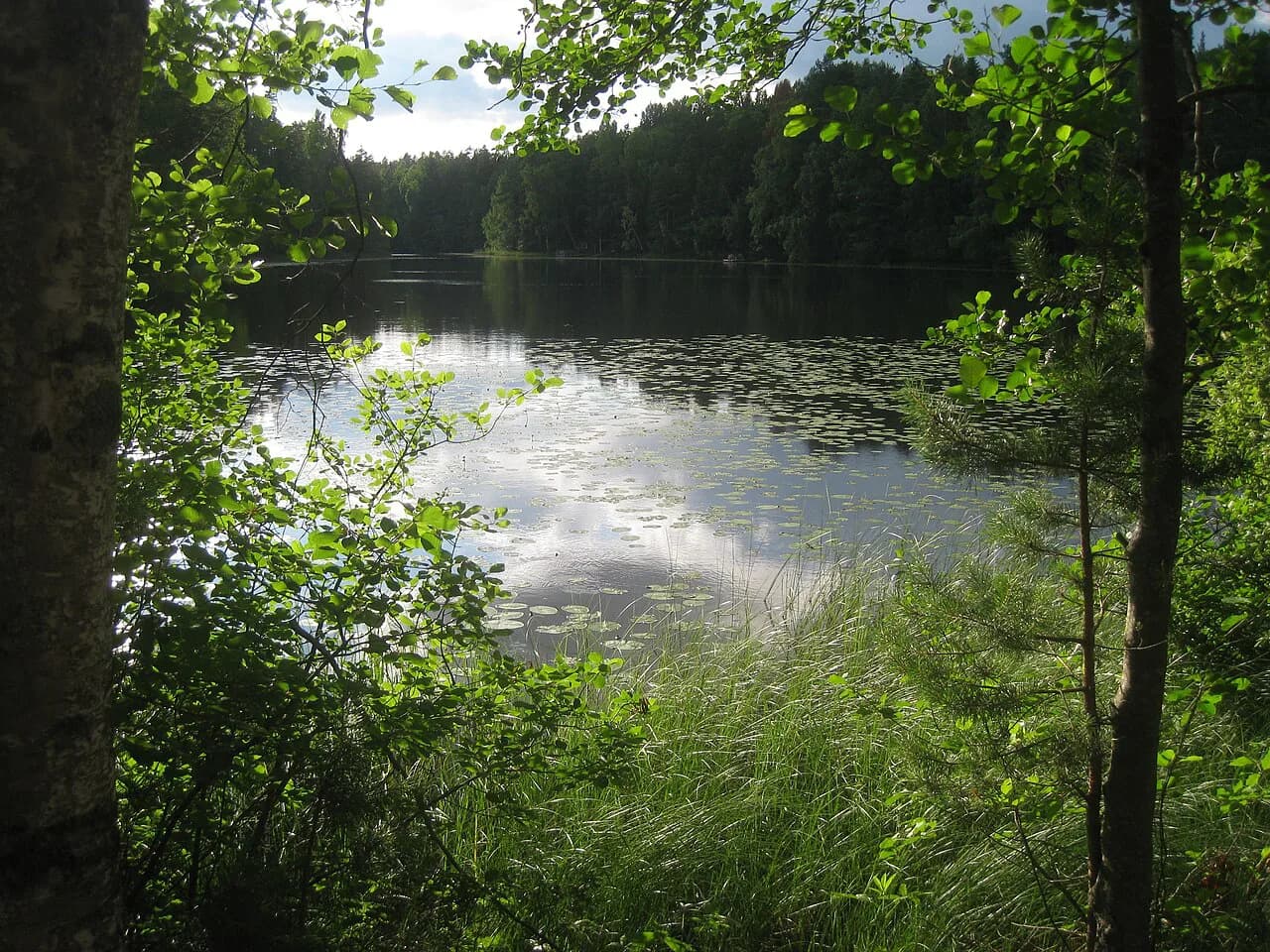
Beyond the districts covered above, Pasila and Lauttasaari sit outside the usual visitor route. Pasila has become known for street art along its rail corridor and underpasses, a contrast to the historic center's architecture. Lauttasaari is a residential island connected by metro, with rocky shoreline paths and swimming spots that draw locals more than tourists. Both districts work better as a half-day detour than a full base, since dining and hotel options are thinner than in the central neighborhoods. Addresses beyond the main visitor route sit inside the under-the-radar Helsinki spots guide. Another layer of specific picks appears in the secret spots worth seeking out guide. Neighborhoods that don't make most first-time itineraries round out the off-the-beaten-path districts guide.
Where to Eat in Each District
Each neighborhood in this guide has its own food identity, from Kallio's casual, student-budget spots to Kruununhaka's calmer cafes. Specific kitchens worth booking ahead are rounded up in the well-regarded local restaurants guide, sorted loosely by area. What to actually order, from market-hall staples to modern Finnish plates, is covered in the local food guide. Punavuori and Kallio carry a heavy concentration of independent restaurants, while Kruununhaka and Töölö lean toward calmer, sit-down spots. Reservations matter less in Kallio, where walk-in tables are still the norm at most bars and casual kitchens.
Helsinki Neighborhoods Compared: Vibe, Price, and Best For
The table below lines up each district by vibe, general price level, and who it suits, plus how it connects to Central Station. Use the price column as a relative guide rather than a fixed figure, since seasonal demand shifts rates across every district.
| Neighborhood | Primary Vibe | Price Level | Best For | Distance to Central Station |
|---|---|---|---|---|
| Kallio | Bohemian, bar-driven | $ | Nightlife and budget stays | Short tram ride |
| Punavuori | Design and boutique shopping | $$ | Design-focused travelers | Walking distance |
| Kruununhaka | Historic and quiet | $$$ | Quiet, central stays | Walking distance |
| Vallila | Wooden-house, residential | $ | Local feel over convenience | Short tram ride |
| Töölö | Calm, park-adjacent | $$ | Families | Short tram ride |
| Kaartinkaupunki | Upscale, central | $$$ | Luxury stays | Walking distance |
| Suomenlinna | Historic island fortress | Day-trip pricing | Day-trip scenery | Ferry from Kauppatori |
| Vallisaari | Wild island nature | Day-trip pricing | Day-trip nature | Ferry from Kauppatori |
Planning Around the Seasons and Your Budget
Neighborhood character shifts with the seasons more than the buildings do. Kallio's outdoor terraces and Suomenlinna's ferry crossings feel different in July than in January, when the same streets go quiet and dark by mid-afternoon. The quietest months to visit guide breaks down which months trade crowds for shorter daylight and colder harbor crossings. Budget matters as much as season. Every district in this guide has some no-cost option nearby, and the free activities around the city guide lists specific ones by area. Museums, markets, and parks vary by neighborhood, so pairing a free afternoon with a paid one keeps costs down without cutting anything from the itinerary. Layer clothing regardless of season, since harbor wind changes the feel of a walk more than the calendar date does. For a first Helsinki weekend, pair a neighborhood walk with the unique things to try guide, which covers standouts like Oodi library alongside neighborhood markets.
Last updated August 2026, this guide reflects summer ferry schedules and active outdoor venues; winter visits bring reduced sailings and quieter evenings from mid-afternoon onward.
Using Neighborhoods as a Base for Day Trips
Some neighborhoods work best as a launch point rather than a destination in themselves. West Harbour connects Helsinki to Tallinn by ferry, making waterfront districts a practical base if a Tallinn day trip is on the itinerary. Full itineraries beyond Tallinn, including options that pair with an island-neighborhood morning, sit inside the day trips from the city guide. Basing yourself in Kruununhaka or Punavuori keeps you close to both the ferry terminals and the tram network that reaches everywhere else in this guide. Confirm ferry and train schedules a day ahead if a day trip bookends a neighborhood-hopping itinerary.
Töölö and Kaartinkaupunki: Quiet Central Alternatives
Töölö and Kaartinkaupunki are often skipped in district guides, yet they are strong choices for a first base.
Both sit in the central band where transit is constant and streets stay quieter in late hours than Kallio. They offer a calmer rhythm without losing access.
Töölö is practical for first-time visitors who want a straightforward neighborhood and easy movement to multiple districts in one day.
Kaartinkaupunki works well for travelers who want a polished base for shopping, early dining, and hotel comfort before returning to city-core sightseeing.
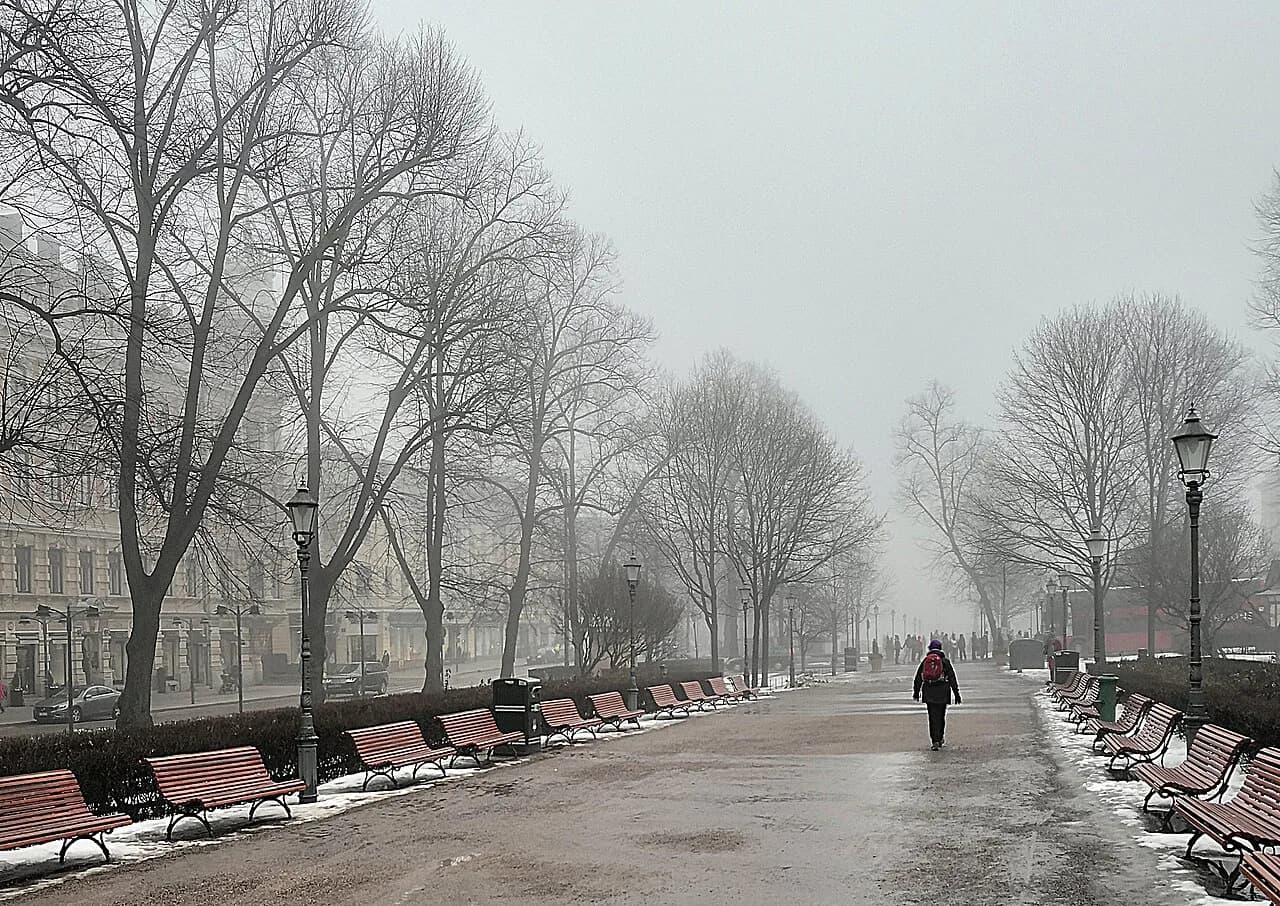
- Töölö anchors include the Helsinki Olympic Stadium area and Temppeliaukio Church, which are easy waypoints for short sightseeing loops.
- Kaartinkaupunki remains central and is close to core tram routes, with a quieter evening atmosphere than Punavuori or Kallio.
- Ideal profile: families and early sleepers who want dependable transit and short rides to Kallio, Punavuori, or island departures.
These two areas become especially useful if your plan is sightseeing by day and retiring before midnight, then changing districts the next day.
Frequently Asked Questions
What is the safest neighborhood in Helsinki?
Helsinki is widely considered a safe city to explore on foot, and that holds across the districts in this guide. Kallio has more late-night bar traffic than Kruununhaka or Vallila, so expect more street noise and a livelier crowd after dark. Standard city precautions apply everywhere, and no neighborhood here needs special avoidance. If a quiet night's sleep matters more than proximity to bars, choose Kruununhaka or Töölö over Kallio.
Which area is best for a first-time visitor?
Kruununhaka or Kaartinkaupunki suit most first-time visitors, since both sit in the walkable central core close to the harbor and tram network. Punavuori is a strong alternative if shopping and design are the priority. Base yourself centrally first, then use the tram to reach Kallio, Vallila, or the islands as day trips. This approach limits the amount of luggage-hauling between hotels during a short trip.
How do I pay for the tram between neighborhoods?
Trams run under HSL, Helsinki's regional transport authority, and the easiest way to pay is through the official HSL app. Buying through the app costs less than paying on board, and it covers the Zone A tickets that reach every neighborhood in this guide. Check the app directly for current fares, since pricing updates periodically. Contactless card readers are also common on board for single trips if you'd rather skip the app.
Are the islands considered neighborhoods?
Suomenlinna and Vallisaari function like neighborhoods even though they're technically separate islands reached by ferry. Suomenlinna has permanent residents and year-round infrastructure, which sets it apart from a typical day-trip attraction. Vallisaari is wilder and less developed, with no permanent population, but both are treated as essential parts of the Helsinki map. Plan a half-day for Suomenlinna and slightly less for Vallisaari, since the islands are smaller than they first appear on a map.
What's the difference between Kallio and Punavuori?
Kallio is louder, cheaper, and built around bars and a younger crowd, while Punavuori is quieter and built around design boutiques and cafes. Both sit close to the center, so the choice comes down to whether you want a nightlife base or a shopping-and-cafe base. Many travelers cover both neighborhoods within a single afternoon on foot. If you can only pick one for an overnight stay, match it to whether evenings or daytime browsing matter more to your trip.
Continue exploring
More guides you'll find useful