Helsinki Public Saunas Guide: Historic Wood-Burning Rooms to Modern Sea-Pool Saunas
A Helsinki public saunas guide to Kotiharjun's wood-burning rooms, Löyly and Allas Sea Pool's modern design, and self-service Sompasauna, plus 2026 etiquette and booking tips.
On this page
Helsinki Public Saunas Guide: From Kotiharjun's Wood-Burning Rooms to Modern Sea-Pool Saunas
Last updated August 2026, this Helsinki public saunas guide sorts the city's steam rooms into three groups: wood-burning classics, design-led complexes, and community-run wild cards. Kotiharjun Sauna has run on wood heat since 1928, while newer waterfront venues pair the heat with a sea-pool plunge. Use the breakdown below to match your schedule, comfort with nudity, and appetite for planning ahead before you pick a session.
Helsinki Public Saunas Guide: The Three Categories
Helsinki's public saunas fall into three broad groups, each with its own rhythm. Design-led complexes pair the heat with sea access and architecture built around the view. Neighborhood classics keep a wood-fired tradition alive in residential districts. Community-run wild cards operate on a self-service, volunteer basis rather than a staffed front desk. Together they cover what a first-time visitor needs to plan a session. For more picks along these lines, see Helsinki's under-the-radar spots.
- Design icons: Löyly and Allas Sea Pool, built around architecture and direct sea access
- Neighborhood classics: Kotiharjun Sauna and Arla Sauna, wood-fired and rooted in residential districts like Kallio
- Wild cards: Sompasauna, self-service and volunteer-run rather than staffed
Löyly and the Cooling-Down Ritual
Löyly is the burst of steam that rises when water hits the hot stones, and Finns treat it as the point of the visit rather than a side effect. Throwing water on the stones is usually left to whoever is running the session, or to an informal rotation among regulars at self-service venues. Cooling down between rounds matters as much as the heat itself. Most venues offer an outdoor terrace, and waterfront saunas add direct access to the Baltic Sea for a plunge. Some Helsinki saunas keep sea access open through winter, so the cold-dip habit continues year-round instead of pausing for the cold months.
Why Wood Heat Still Matters to Locals
Wood-fired stoves like the one at Kotiharjun produce heat that longtime sauna-goers often describe as softer than an electric stove's, with steam that spreads more evenly through the room. Tending a wood fire also takes longer than flipping an electric switch, which is part of why historic venues keep fixed opening blocks instead of staying open continuously. Electric stoves heat faster and hold a steadier temperature, which suits venues that turn over multiple sessions in an evening. Neither is objectively better, but the distinction explains why a wood-fired session feels different from a modern one before you even sit down. Visitors who've only tried an electric hotel sauna often notice the difference within the first few minutes at a wood-fired venue.
Kotiharjun, operating since 1928 with wood heat, keeps fixed opening blocks because tending fire takes time, while modern electric venues run multiple sessions nightly. Since both draw evening crowds, your arrival time matters more than your venue's heat source.
Essential Sauna Etiquette: The Unwritten Rules
Finnish sauna norms stay fairly consistent across venues, though enforcement varies. Gender-separated saunas are typically nude, and swimwear looks out of place there. Mixed-gender saunas and sea-pool decks generally require swimwear instead. Shower before you enter; every venue expects this as standard practice. Some historic saunas ask you to bring or rent a pefletti, a disposable paper seat cover, so bare skin never touches the bench. Conversation volume depends on the venue. Historic wood-burning sessions tend to stay quiet, while design-led venues with an attached bar lean more social. Alcohol is sold at several venues, but pace it against the heat and drink water between rounds. Skipping a heavy meal right before a long session also helps, since heat on a full stomach can leave some visitors light-headed. Phones and cameras stay out of the sauna room itself at every venue; treat this as a firm rule rather than a suggestion. Lockers or a bag hook near the changing area hold your belongings while you're inside.
Historic Neighborhood Saunas in Kallio
Kotiharjun Sauna at Harjutorinkatu 1 is Helsinki's last continuously operating wood-heated public sauna, running since 1928. It keeps separate rooms for men and women, so there's no mixed-gender session to plan around. The sauna sits in Kallio, a district covered in more depth in the Kallio district overview. Arla Sauna keeps a similar wood-fired approach nearby, though its schedule sometimes splits access by gender on specific days. Confirm current hours for both before you plan a visit, since historic saunas post schedules that shift with staffing and season. The neighborhood around both saunas keeps a residential feel, with corner bars and small grocers rather than tourist-facing storefronts.
Modern Design Saunas and Sea Pools
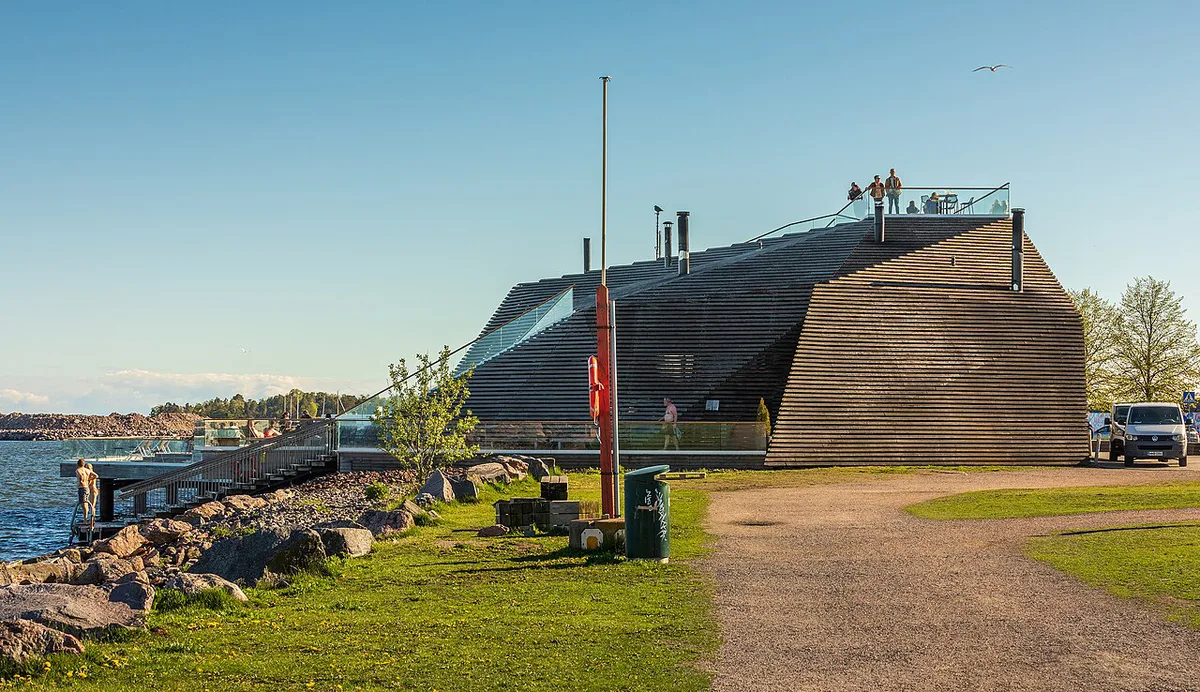
Löyly sits on the Hernesaari waterfront, built around dark-timber architecture with direct access to the Baltic Sea for cooling off between rounds. Allas Sea Pool pairs its saunas with outdoor pools and swimwear-required areas, drawing a mixed-gender crowd rather than the nude, gender-separated setup at historic venues. Design-led venues like these often expect an online booking rather than a walk-in, especially on weekend evenings. Confirm the current booking policy on each venue's own site before you go, since availability shifts with season and demand. Arrive a little early to collect towels or robes if you've rented them, since check-in at busier venues can take a few minutes. Expect a more social atmosphere here than in the quiet wood-burning saunas in Kallio.
Off the Beaten Path: Sompasauna and Community Saunas
Sompasauna is Helsinki's best-known community sauna, run entirely by volunteers on a self-service basis rather than staffed like a commercial venue. Visitors traditionally help tend the fire and follow informal house rules set by the community rather than posted staff hours. Don't expect rental gear the way you would at a staffed venue, so bring your own towel and dress for the walk in and out. It fits well among distinctive Helsinki activities that reward a bit of planning over convenience. If you'd rather build a full day around spots like it, lesser-traveled Helsinki spots covers more of the same territory. Because it's outdoors and volunteer-maintained, conditions can vary more than at a staffed venue, from crowding to firewood supply. Check current access and house rules locally before visiting, since volunteer-run venues can change without much notice.
Decision Matrix: Matching the Sauna to Your Trip
Use heat source, gender setup, and access style to narrow the choice quickly. Wood-fired venues reward patience and tend to run quieter. Modern design venues trade some of that atmosphere for sea views and easier planning. Travelers who want authenticity and don't mind irregular hours should start with Kotiharjun or Arla. Those who want a guaranteed slot and sea views should book Löyly or Allas Sea Pool ahead of time. Travelers comfortable with a DIY approach should look into Sompasauna directly. If none of the categories above feels like a clear fit, Kotiharjun remains the most straightforward introduction to Helsinki's sauna culture.
| Sauna | Heat Type | Gender Setup | Access Style |
|---|---|---|---|
| Kotiharjun Sauna | Wood-fired, historic | Separate men's and women's rooms | Long-running; confirm current hours |
| Arla Sauna | Wood-fired, historic | Gender access split by schedule | Confirm current hours |
| Löyly | Modern design build | Mixed-gender, swimwear areas | Typically booked in advance |
| Allas Sea Pool | Modern design build | Mixed-gender, swimwear required | Typically booked in advance |
| Sompasauna | Self-service, volunteer-run | Informal, community norms | No fixed booking desk |
Eating and Drinking Around a Sauna Visit
Several sauna venues run their own bar or terrace kitchen, so you don't have to leave for a drink or snack between rounds. Historic saunas like Kotiharjun keep it simpler, often limited to a small kiosk rather than a full menu. If you want a proper meal after a session, plan ahead rather than assuming a table will be free at peak hours. Sit-down restaurant picks near the city centre cover options beyond what a sauna's own kitchen offers. Booking a table for the same evening as a sauna session can be worth it in summer, when both draw more visitors.
Practical Planning: Transport, Packing, and Timing
Most public saunas sit within reach of Helsinki's tram and bus network, and checking routes on the HSL app before you leave saves time at unfamiliar stops. The same app also covers ferry tickets for island crossings, useful if you're pairing a sauna evening with a day on the water. Evenings and weekends draw the busiest crowds at every venue, historic and modern alike, so arriving right at opening tends to beat the rush. Budget extra time for changing rooms and showers before your session actually starts, especially at busier venues. Many visitors pair a sauna evening with dinner nearby, and Helsinki's local food scene covers options within a short walk of downtown venues.
- Towel: bring your own or rent one on site, usually at a premium
- Flip-flops or sandals for wet floors and duckboards
- A pefletti seat cover if the venue requests one
- A refillable water bottle for rehydrating between rounds
Where to Stay Near Helsinki's Saunas
Kallio puts you within walking distance of Kotiharjun and Arla, and keeps you close to the neighborhood's own bars and cafes after a session. Staying near the waterfront suits visitors headed to Löyly or Allas Sea Pool instead, since both sit close to the shore. Central Helsinki is compact enough that most visitors reach any of these saunas within a short tram or bus ride, regardless of neighborhood. Either way, factor in a short walk or tram ride rather than expecting a sauna right outside your door. For a fuller comparison of where to base yourself, see Helsinki's neighborhood breakdown.
Island Saunas and Day-Trip Pairings
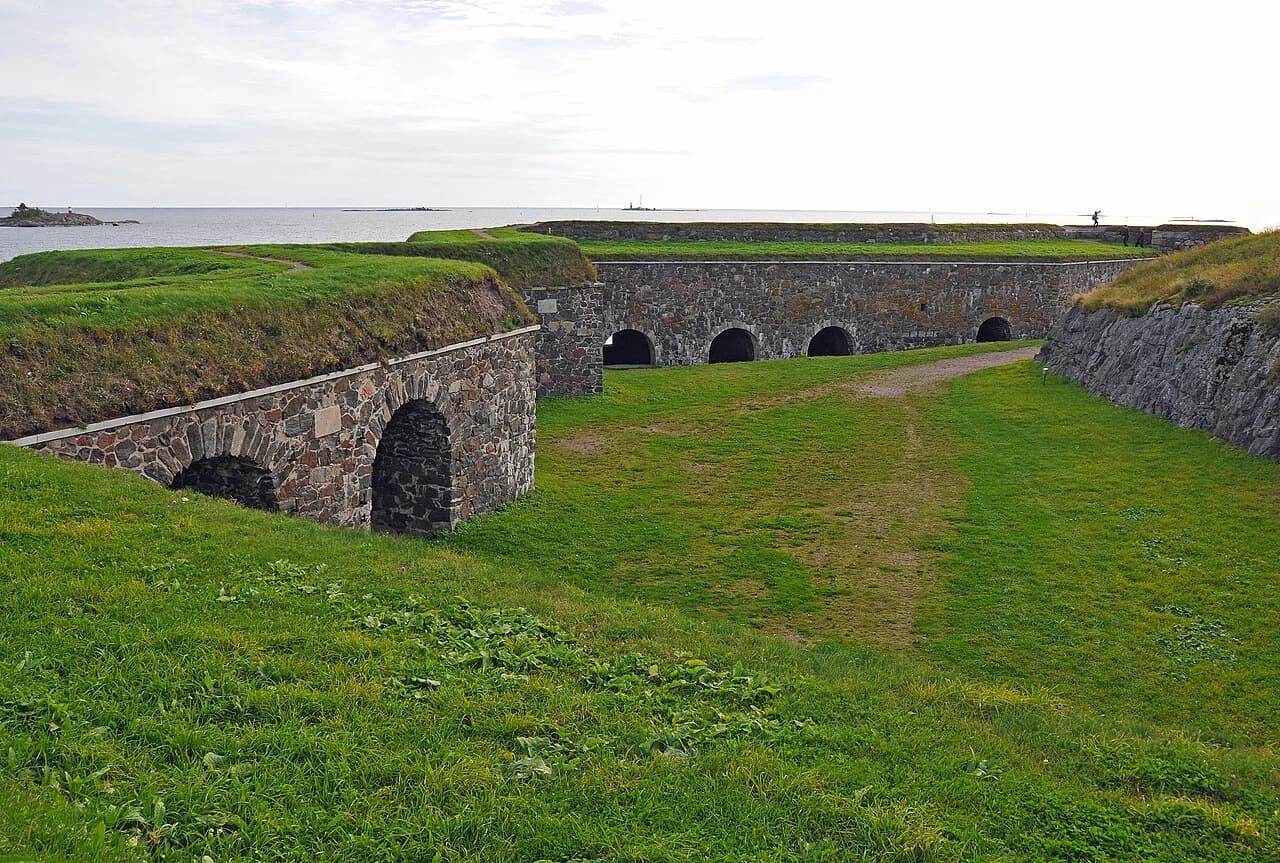
A sauna evening pairs naturally with an island day trip. The Suomenlinna sea fortress is a short ferry ride from the market square and fills most of a day on its own. Vallisaari island sits just beyond it and makes a quieter add-on for the same ferry trip. Ferry schedules to both islands run more often in the warmer months, so check current timetables before you go. Save the sauna for the evening after either outing, once the day's walking has you ready to sit still.
Booking windows and the practical kit that saves money
Helsinki public saunas are easy to find, but execution varies by venue.
Different places require different lead times and habits, especially during busy travel windows.
- Löyly and Allas Sea Pool normally use strict session schedules, so reserve those times early for evening visits and weekends.
- Kotiharjun and Arla usually run more like traditional queue-and-entry houses, making same-day visits more realistic when you are nearby.
- Sompasauna is volunteer-organized, so open hours and capacity notices can shift quickly and should be checked before you go.
- Pack a towel, sandals, refillable water bottle, and pefletti every time to avoid paying higher onsite rental rates.
Use that same compact kit for every visit. It speeds you through changing areas and lowers small costs. If your first venue is full, make Kallio your backup and try a later waterfront session after a short tram ride.
Frequently Asked Questions
Is nudity mandatory at Helsinki's public saunas?
Nudity is standard in gender-separated saunas like Kotiharjun, and swimwear looks out of place there. Mixed-gender saunas and sea-pool decks, including Allas Sea Pool, generally require swimwear instead. Check each venue's policy before you go, since the rule depends on the setup rather than the venue's reputation.
How much does a public sauna in Helsinki cost?
Historic wood-burning saunas like Kotiharjun tend to cost less than design-led venues such as Löyly or Allas Sea Pool, which bundle in sea-pool access and rental gear. Community-run Sompasauna operates outside that pricing structure entirely, since volunteers rather than a business run it. Check each venue's own site for its current entry fee before you go, since none of them publish a single citywide rate.
Can you bring your own drinks into a sauna?
Policies differ by venue, so check on arrival rather than assuming. Some sauna bars sell drinks on site and discourage outside bottles. Water is the safer choice to bring in either way, since the heat dehydrates you faster than you'd expect.
Are Helsinki's public saunas open in summer, or is this a winter-only tradition?
Saunas run year-round, and summer adds outdoor terrace time and sea dips without needing cold-weather gear. For a sense of when Helsinki overall feels less crowded, see Helsinki's quieter travel season, since the same low season applies to sauna wait times.
Do you need to book Helsinki's public saunas in advance?
Design-led venues like Löyly and Allas Sea Pool often expect an online booking, especially on weekend evenings. Historic neighborhood saunas such as Kotiharjun have traditionally run closer to a walk-in basis. Confirm the current policy on each venue's own site before you go, since arrangements shift with season and demand.
What's the difference between a public sauna and a private sauna rental in Helsinki?
Public saunas run scheduled sessions open to any visitor who buys or reserves a spot, and you'll likely share the room with strangers. Private sauna rentals block out the whole room for one group instead. Hotels and some apartment buildings also include a private sauna, separate from the public venues covered here.
Should you stay quiet in a Helsinki sauna, or is it normal to talk?
It depends on the venue. Historic wood-burning saunas like Kotiharjun tend to draw quieter, more contemplative visitors. Design-led venues with an attached bar, such as Löyly, lean more social, especially in the evening.
Can you visit a Helsinki public sauna solo, or is it mainly a group activity?
Solo visits are common, especially at historic saunas where regulars go alone as part of a routine. Design-led venues work well solo or in groups, since seating isn't assigned. Sompasauna tends to draw a mixed crowd of regulars and first-timers, so going alone isn't unusual there either.
Continue exploring
More guides you'll find useful