Off the Beaten Path in Helsinki: Hidden Neighborhoods, Saunas, and Secret Islands
Skip Senate Square and explore off the beaten path in Helsinki: hidden saunas, secret islands, and Boho neighborhoods, plus 2026 transit tips.
On this page
Off the Beaten Path in Helsinki: A Guide to Hidden Neighborhoods, Saunas, and Islands
Last updated August 2026, this guide moves beyond Senate Square to show where off the beaten path in Helsinki actually leads. Expect northern neighborhoods, working saunas, and an archipelago most day-trippers skip. It pairs with the broader 15 Hidden Gems in Helsinki: Local Secrets & Offbeat Spots (2026) roundup for readers building a longer itinerary.
Off the Beaten Path in Helsinki: Beyond Senate Square
Senate Square draws the tour buses, but Helsinki works better as a set of self-contained pockets than one continuous sightseeing route. Northern districts like Kallio trade postcard views for working-class history and independent shops. Eastern archipelago pockets swap souvenir stalls for former military islands reclaimed by nature. Locals sometimes frame this as a Boho north versus Uptown south divide, and this guide leans toward the Boho side. Prioritizing a sauna session or a market stall over another cathedral photo is the experience-over-sights idea driving this guide. That trade-off runs through every section below, from saunas to islands to the neighborhoods locals actually live in. Most of the spots below sit inside HSL's Zone AB, the same ticket you would buy for the city center. For a broader shortlist, see the guide to Secret Spots in Helsinki: Where Locals Actually Go in 2026. A companion guide covers 12 Unique Things to Do in Helsinki: Saunas, Islands & the Rock Church (2026 Guide) for a longer visit.
Alternative Saunas: Löyly, Yrjönkatu, and Sompasauna
Skipping a sauna in Helsinki is not really an option, but which one you pick changes the experience completely. Löyly is the modern, waterfront choice. It is mixed-gender, and swimsuits are required. Its timber architecture and seaside restaurant, at Hernesaarenranta 4, 00150 Helsinki, serve fish soup and burgers alongside the sauna sessions. Yrjönkatu Swimming Hall is the historic alternative, tied to Finland's naked-swimming tradition. Men and women use the hall on separate designated days, so confirm the current schedule before visiting. Sompasauna is the off-beat pick. It is public, free, and volunteer-run, with no staff and no bookings. See the guide to public saunas in Helsinki for etiquette and more locations.
| Sauna | Vibe | Cost | Best For |
|---|---|---|---|
| Löyly | Modern waterfront design, mixed-gender, swimsuits required | Paid entry, pricier than a public swimming hall (check current rates) | First-time visitors who want architecture with their steam |
| Yrjönkatu Swimming Hall | Historic swimming hall, single-sex days, traditional naked bathing | Modest public swimming-hall fee, below Löyly's rate (check the admission board) | Travelers after the historic ritual |
| Sompasauna | Public, self-service, volunteer-run, no staff | Free entry, bring your own wood | Independent travelers comfortable with a DIY scene |
Kallio, Punavuori, and Vallila: The Northern Districts
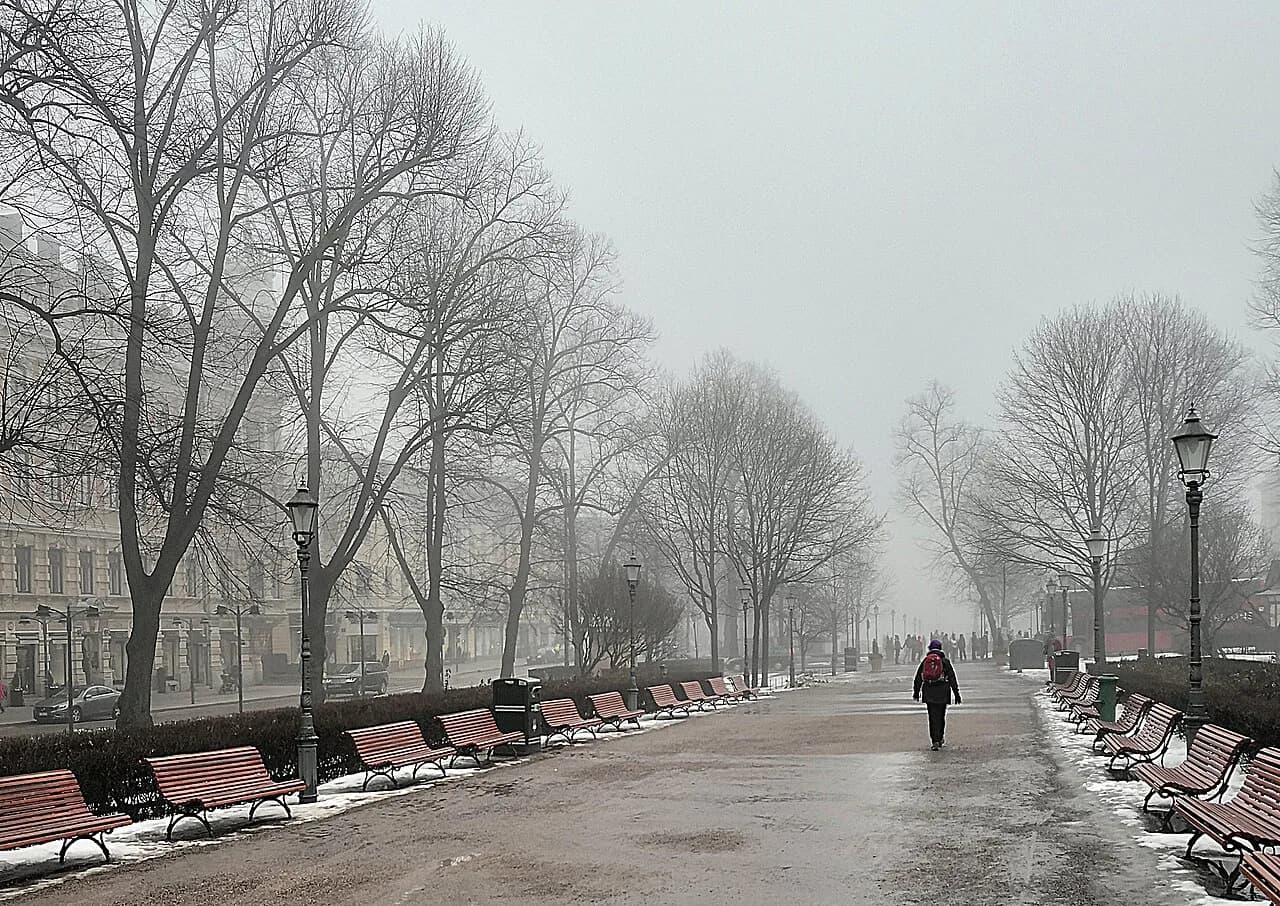
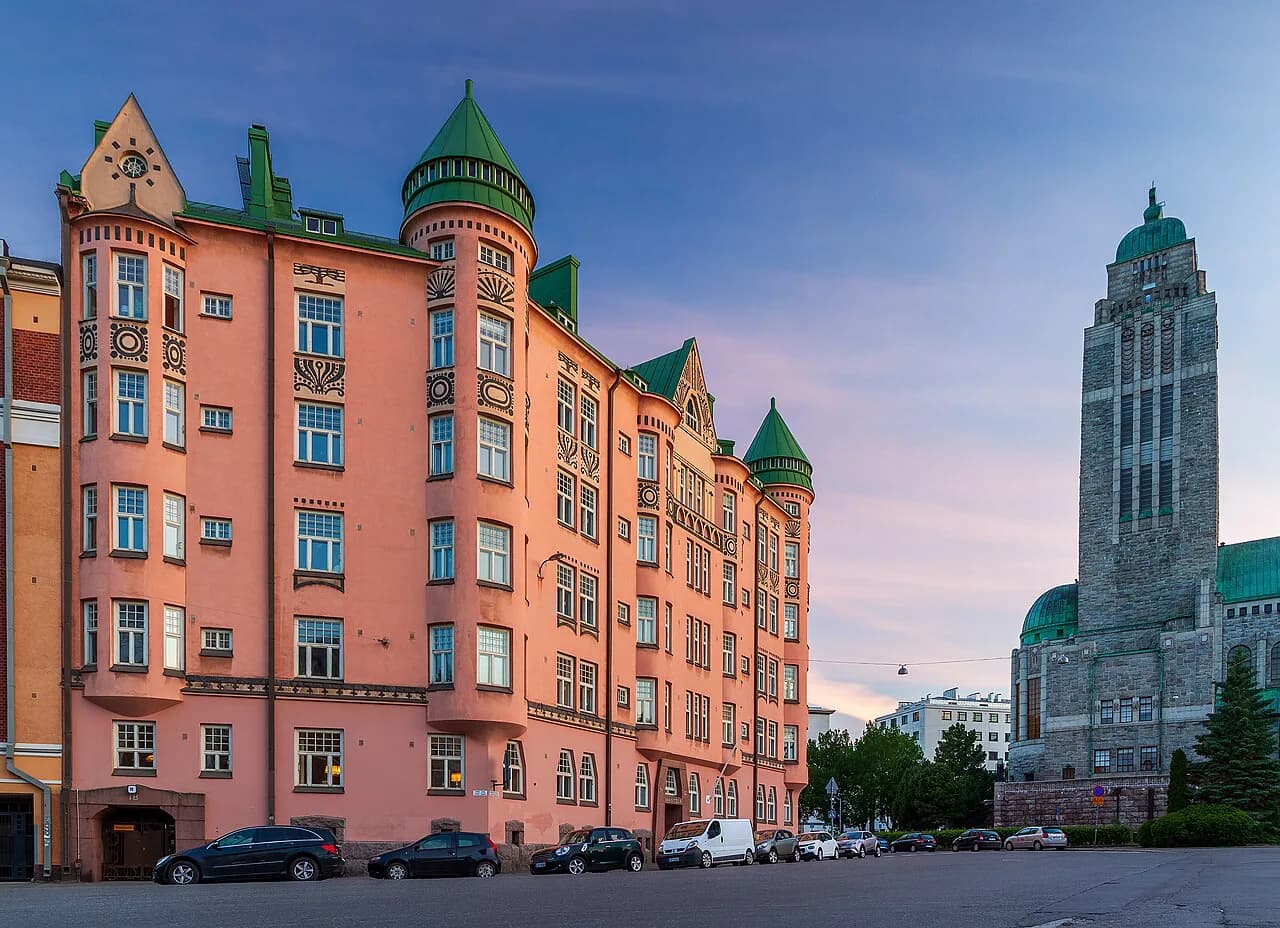
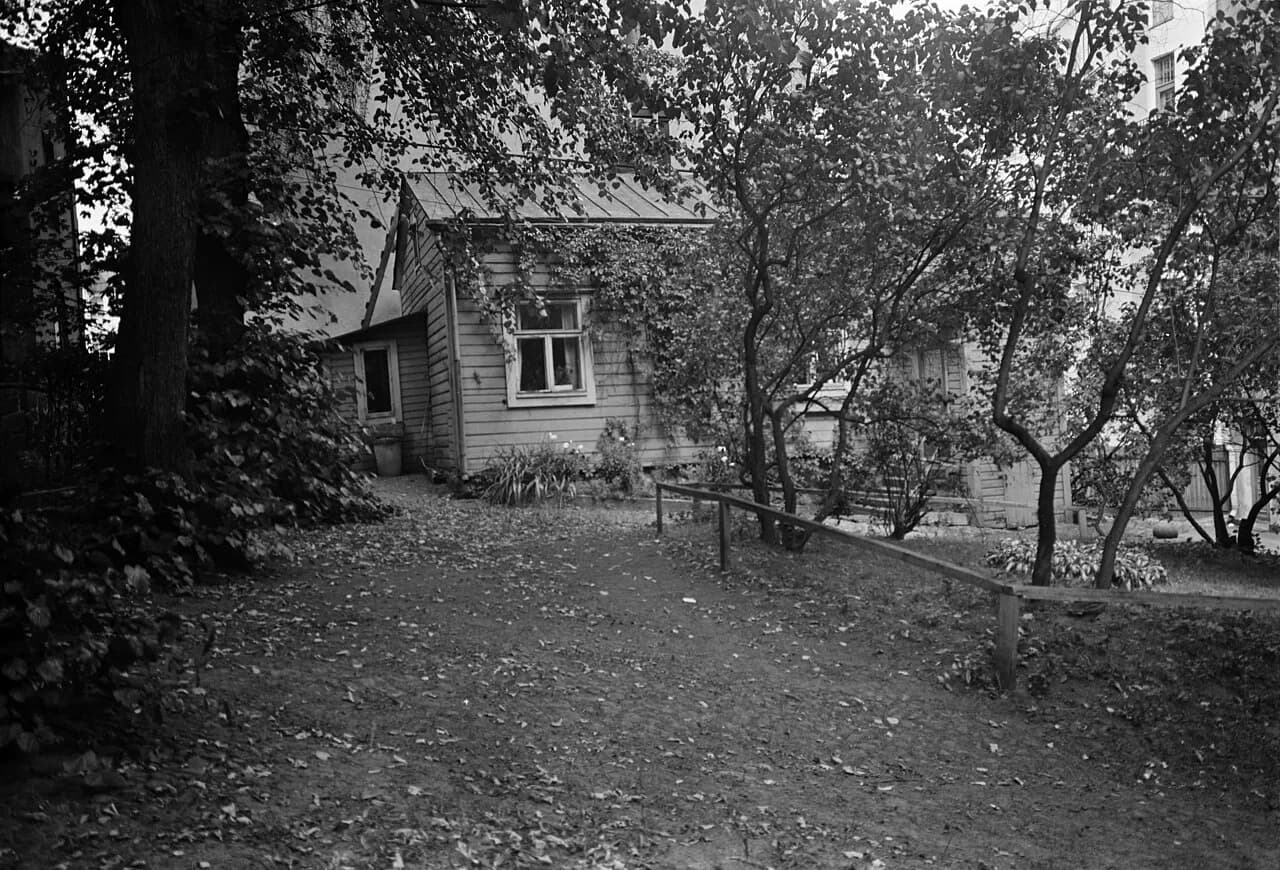
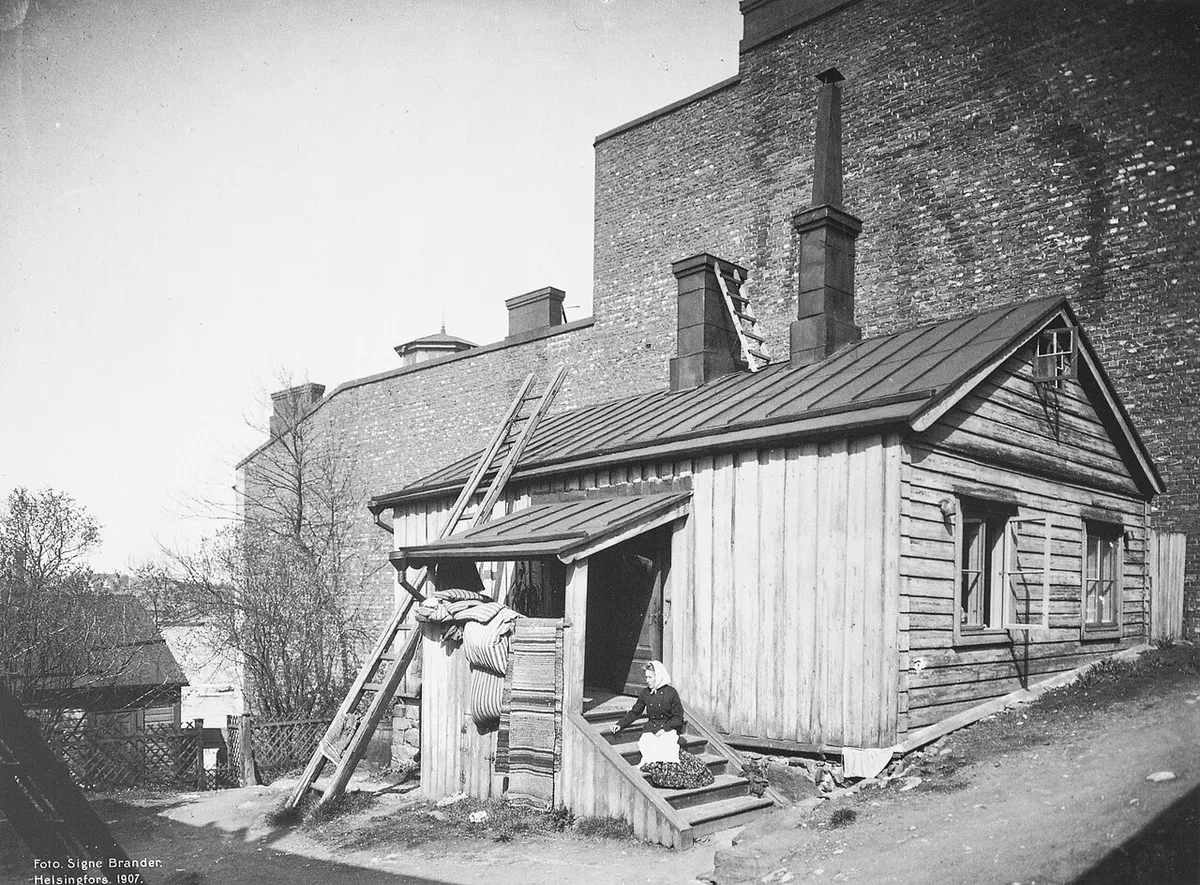
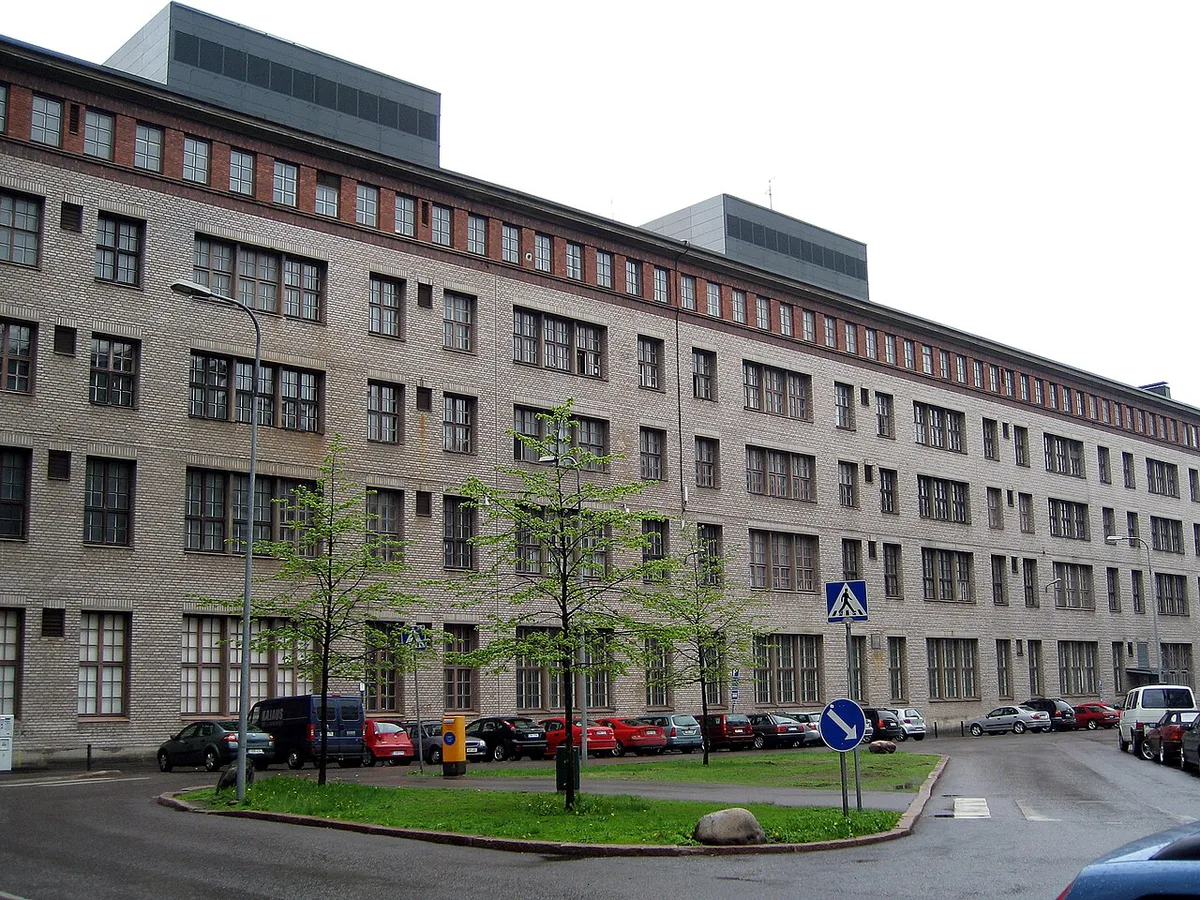
Each northern district has its own identity, and locals treat them as separate destinations rather than one blurred zone. Kallio was once a working-class stronghold and still feels unpolished in the best way. Hakaniemi Market Hall makes a better stop than the Central Market, since it draws more locals doing everyday shopping than tourists. Punavuori carries the city's design-district label, with small boutiques lining its side streets. Huvilakatu is the street to walk slowly for photography and window-shopping. Vallila keeps a pocket of wooden houses that reads like a 1920s time capsule. Kruununhaka rewards a slow walk past pockets of wooden houses, largely bypassed by tour groups. For an overview of how these districts fit together, check the Helsinki Neighborhoods Guide: Where to Stay in Every District (2026).
Vallila's 1920s wooden houses and Porvoo's medieval old town both appeal to visitors interested in historical architecture, offering distinct eras of character within visiting distance.
- Kallio: Hakaniemi Market Hall and Karhupuisto (Bear Park). See the Kallio neighborhood guide.
- Punavuori: Huvilakatu for photography and independent boutiques. See the Punavuori guide.
- Vallila: blocks of 1920s wooden houses. See the Vallila guide.
- Kruununhaka: quiet wooden-house streets near the historic core. See the Kruununhaka guide.
Secret Islands, Uunisaari, and the Carpet-Washing Piers
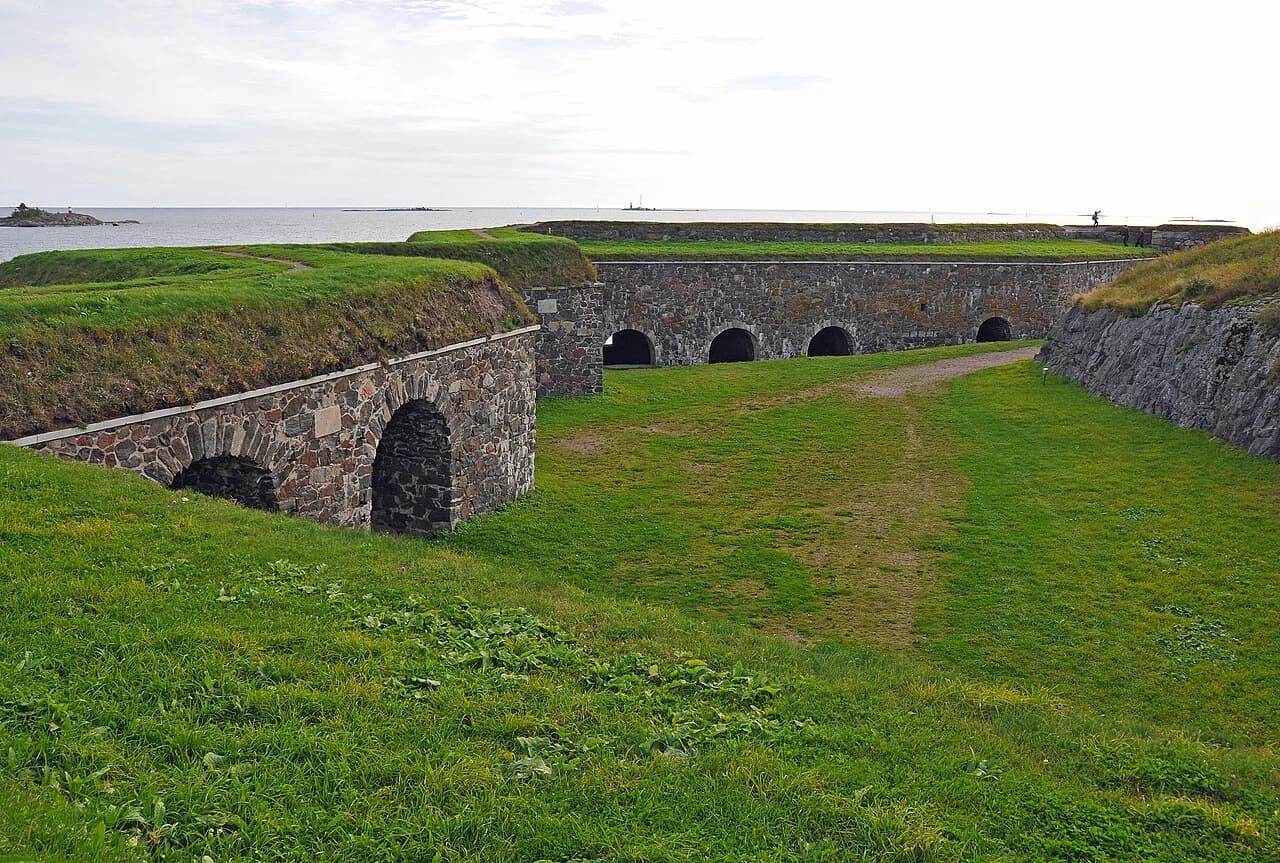
Ferries to the archipelago leave from Kauppatori Market Square, the same dock used for the main tourist run. Before boarding, the Kauppatori Food Market sells salmon soup from orange market stalls, a better bet than a generic fish-and-chips stand. Old Food Hall, close by, serves reindeer snacks for something less expected. For more plates like these, see the local food guide. A roundup of local restaurants in Helsinki covers sit-down options nearby. Both ferries take roughly 15 to 20 minutes. Suomenlinna is the popular pick, and it earns that status. Budget 3 to 4 hours to walk the full island loop. Free maps and toilets are available at the arrival point and again roughly midway around the island. Tap water is safe to drink across the island, so refill a bottle instead of buying one. Suomenlinna's shipyard still holds one of the world's oldest dry docks, alongside the WWII-era submarine Vesikko. Suomenlinnan Panimo, the on-island brewery, works well for a meal without heading back to the mainland. People live on Suomenlinna year-round, and the island's hostel takes overnight guests who want more than a day trip. Cobblestones and stairs make it a tough go with a stroller, so plan accordingly if traveling with young kids. For deeper coverage, see the guide to Suomenlinna. Vallisaari trades that polish for wilder terrain, a former military island now reclaimed by nature. Its seasonal ferry reaches the 3 km Alexander's Trail or the shorter Kuninkaansaari loop. Because the ferry is seasonal, confirm it is running before planning a full day around it. A separate guide covers Vallisaari island in more depth. Uunisaari is the local pick for a quick sea-view sauna and beach, with a pontoon bridge connecting it in winter. Between visits, look for a matolaituri, one of the Baltic carpet-washing piers where locals still rinse rugs in seawater each summer.
Both archipelago ferries run roughly 15 to 20 minutes from the city center and accept a standard Zone AB ticket, letting visitors reach islands at no extra cost compared to tram rides within the city.
| Island | Access | Time Needed | Best For |
|---|---|---|---|
| Suomenlinna | 15-20 min ferry from Kauppatori (standard HSL ticket) | 3-4 hours for the full loop | First-time visitors, fortress detail, on-island dining |
| Vallisaari | 15-20 min seasonal ferry from Kauppatori | Half a day; 3 km Alexander's Trail or the shorter Kuninkaansaari loop | Wilder scenery, fewer crowds |
| Uunisaari | Pontoon bridge in winter; boat access otherwise | A short stop, not a full day | A quick sea-view sauna and local beach |
Quirky Helsinki: Survival Suits, a UFO House, and a Free Winter Garden
Some of the most memorable Helsinki experiences have nothing to do with museums or churches. Survival-suit floating puts you in a waterproof suit built to keep water out entirely, and sessions typically run about an hour. WeeGee Exhibition Centre in Tapiola, Espoo, holds the Futuro House, a UFO-shaped home that looks nothing like the rest of the city. Reaching Tapiola means traveling outside central Helsinki, so budget extra time and confirm the current route in the HSL app. Talvipuutarha, the Winter Garden, is a free glass-enclosed greenhouse near the Olympic Stadium and a reliable escape from the cold. It costs nothing to enter, which makes it worth pairing with the wider list of Free Things to Do in Helsinki: A 2026 Budget Guide. Temppeliaukio Rock Church is worth seeing, but it is also a scheduled stop for tour buses. Visit early morning or late afternoon to avoid the groups, or choose the quieter Kamppi Chapel of Silence instead. Kaapelitehdas, the old Cable Factory, is worth a look if a current exhibition or market lines up with your dates. Check the Kaapelitehdas events listings before making a special trip.
Nature Day Trips the Local Way: Sipoonkorpi and Porvoo
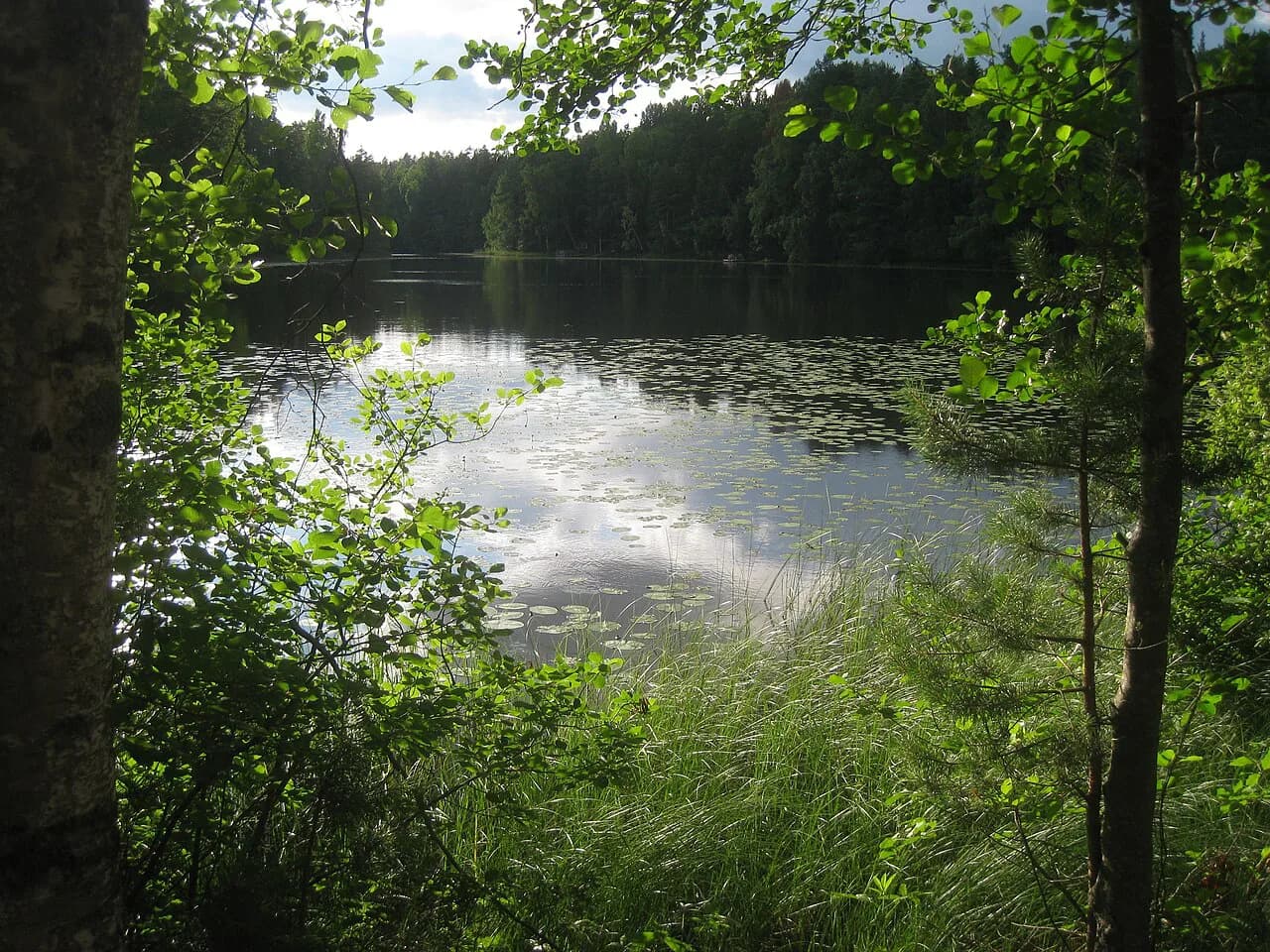
Nuuksio National Park gets the guidebook attention, but Sipoonkorpi is the quieter alternative many locals prefer. Sipoonkorpi suits slower hiking and seasonal foraging, without Nuuksio's weekend crowds. Foraging for berries and mushrooms is a normal weekend activity for Helsinki residents, and Sipoonkorpi's trails support it without the trailhead traffic Nuuksio sees. Porvoo makes a full day trip out of a medieval town with narrow streets and riverside warehouses. Direct buses run from the Kamppi bus terminal; check the current timetable before you go. Both trips pair well with the wider list of day trips from Helsinki for longer stays.
Practical Logistics: HSL Zones, Trams, and Seasonal Timing
Almost everything in this guide sits inside HSL Zone AB, the standard city ticket. Traveling between the airport and the city center requires a Zone ABC ticket instead. Zone ABC costs more than Zone AB, since it adds the extra airport ring. Buy tickets through the HSL app rather than guessing at a kiosk. Both the Suomenlinna and Vallisaari ferries accept a standard Zone AB ticket, so no separate boat fare is needed. Tram 4 works as a self-guided architecture route past several of the buildings mentioned above. Tram 6 leans toward design shops and food stops instead. Vallisaari's ferry does not run year-round, so October and winter travelers should check current sailing dates and default to Suomenlinna's more consistent schedule if Vallisaari is not sailing. Senate Square hosts a Christmas Market every December, worth timing a visit around if festive crowds do not bother you. For a broader seasonal strategy, see the guide to visiting Helsinki without crowds.
Nuuksio in the Nature Decision: Zone C and Crowd Trade-Offs
Nuuksio is a different fit than Sipoonkorpi, even if both are often grouped together. Nuuksio is clearer and more structured, while Sipoonkorpi stays closer to a local, quieter rhythm.
- Nuuksio is in HSL Zone C, so trips from the city center may need a Zone ABC fare for some segments.
- If you plan with Zone AB, open the HSL app first and check the full fare before boarding a bus toward Nuuksio.
- Weekend and family-oriented pressure is highest on Nuuksio’s popular paths, so an early start keeps the early loop less crowded.
- Choose Nuuksio when you want stronger wayfinding and easier logistics, and Sipoonkorpi when you want more secluded foraging-style hiking.
This split saves planning stress. Nuuksio works well for reliable structure, while Sipoonkorpi preserves that slower, local texture for the same amount of effort.
Frequently Asked Questions
Is Vallisaari worth visiting instead of Suomenlinna?
Vallisaari trades Suomenlinna's polish for wilder scenery and far fewer visitors. Both ferries run about 15 to 20 minutes from Kauppatori, so the trade-off is really about crowd tolerance, not travel time.
What HSL ticket zone do you need for these spots?
Zone AB covers Helsinki's city center and most of the spots in this guide. Zone ABC is only necessary for trips to and from the airport, and it costs more than the AB ticket.
Which sauna works best for a first-timer?
Löyly is the easiest entry point, since it is mixed-gender and swimsuits are required. Yrjönkatu Swimming Hall suits travelers who want the traditional single-sex, naked-bathing ritual instead. Sompasauna is free and volunteer-run, best for independent travelers comfortable without staff or bookings.
When is the worst time to visit Temppeliaukio Rock Church?
Midday tends to bring tour groups, since the church is a standard bus-tour stop. Early morning or late afternoon is quieter, and the Kamppi Chapel of Silence works as an alternative.
How much time do you need for Suomenlinna?
Budget 3 to 4 hours to walk the full island loop at a comfortable pace. Add extra time if you plan to eat on the island or visit the museums.
What is a matolaituri, and can visitors use one?
A matolaituri is a Baltic-facing pier built for washing rugs in seawater, and several line the waterfront in summer. Visitors are welcome to watch, though the piers are built for local use rather than as a staged attraction.
Do you need a car to reach these spots?
No car is necessary for anything in this guide. Trams, the metro, buses, and ferries inside the HSL network cover every stop except Porvoo, which needs its direct bus from Kamppi.
Continue exploring
More guides you'll find useful