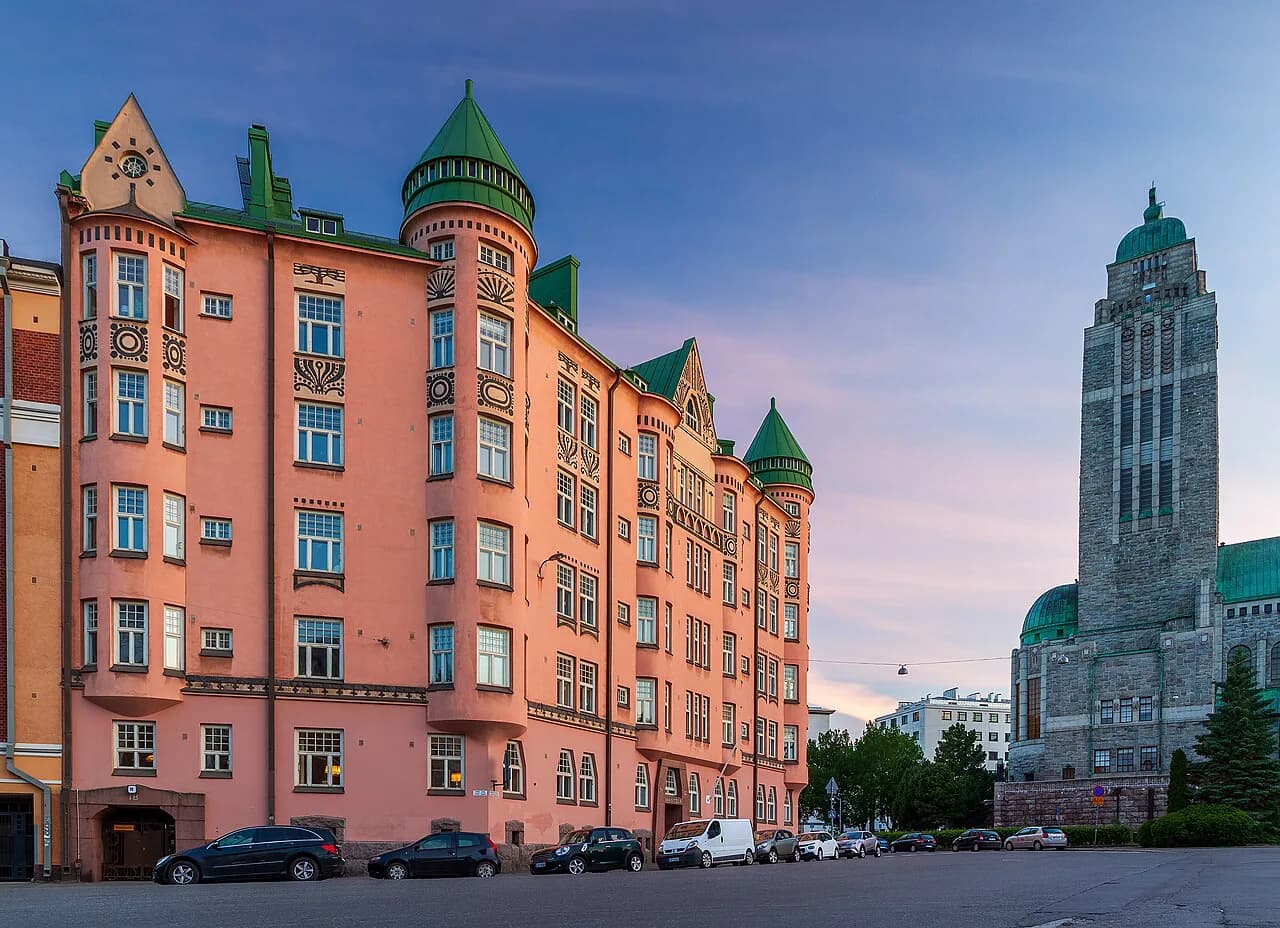
Kaapelitehdas Helsinki Cable Factory: The Complete Guide
A practical guide to Kaapelitehdas, Helsinki's Cable Factory: the three museums, Dance House Helsinki, the Glass Courtyard, transit options, and 2026 visiting tips.
On this page
Kaapelitehdas, Helsinki's Cable Factory: A Visitor's Guide
Last updated August 2026: Kaapelitehdas is Helsinki's Cable Factory, Finland's largest cultural centre inside a former marine-cable and Nokia-linked plant in Ruoholahti. Kaapelitehdas opened as a factory in 1954 and now holds three museums, a dance house, galleries, and a restaurant across roughly 56,000 square meters. This guide breaks down which museum fits your time budget, how to reach the site from central Helsinki, and which mistakes to skip.
Inside Kaapelitehdas: Helsinki's Cable Factory in Ruoholahti
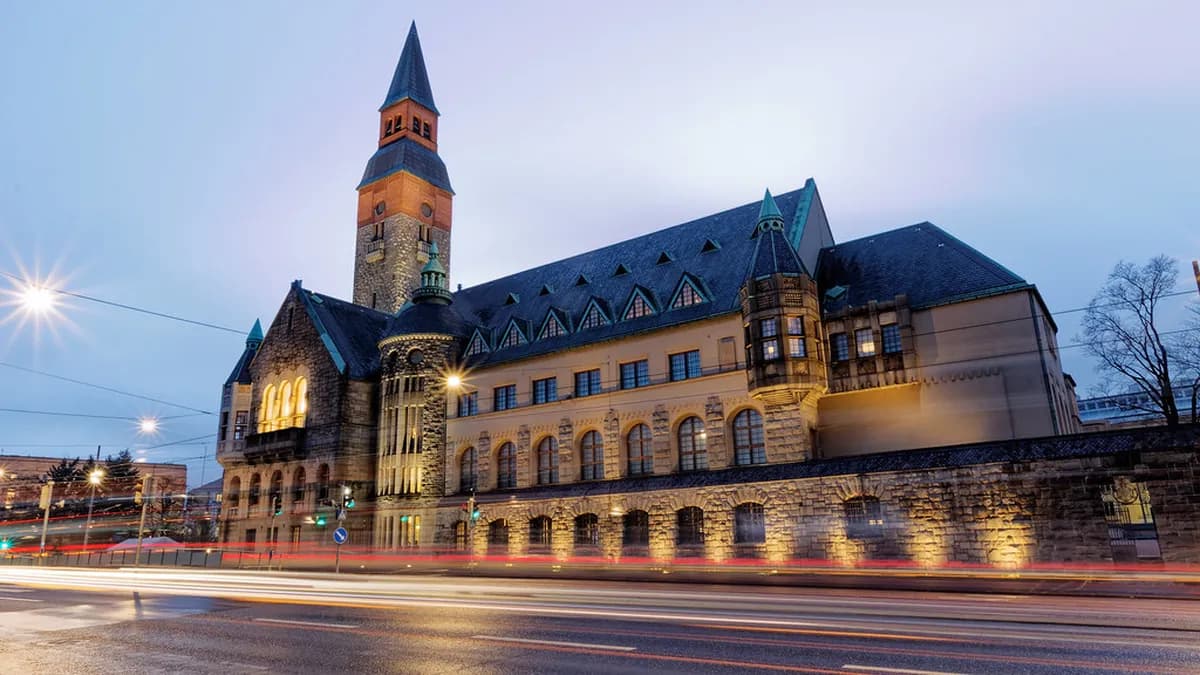
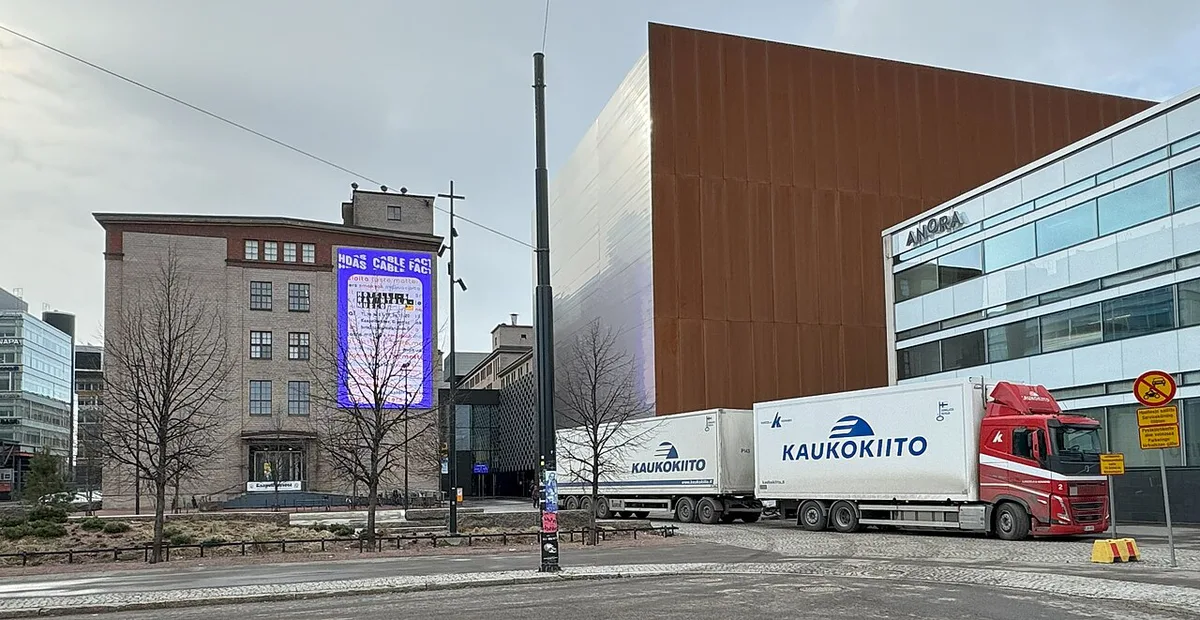
Kaapelitehdas sits at Tallberginkatu 1 in the Ruoholahti district, on the Salmisaari peninsula west of downtown Helsinki. Suomen Kaapelitehdas Oy built the original plant to manufacture marine and telephone cables. Production started in 1943, and the building itself finished in 1954 as the largest structure in Finland at the time. Cable manufacturing continued until the late 1980s. The City of Helsinki's property company, Kiinteistö Oy Kaapelitalo, then converted the site into a cultural centre in 1991. That scale is why Kaapelitehdas ranks among the 12 Unique Things to Do in Helsinki: Saunas, Islands & the Rock Church (2026 Guide). It's also a regular pick on roundups of 15 Hidden Gems in Helsinki: Local Secrets & Offbeat Spots (2026), thanks to the scale packed behind an industrial facade. According to figures published by the venue, more than 300 tenants work inside the building. Around 600 people work there each day, and the site draws upward of 750,000 visitors a year. Locals often shorten the name to just Kaapeli, which is different from Kappeli, a well-known restaurant elsewhere in Helsinki, so use the full name when asking for directions.
The complex spans roughly 56,000 square meters with 300+ working tenants. Its largest venue, Merikaapelihalli, occupies 3,148 square meters and seats 2,870—underscoring how much area Kaapelitehdas dedicates to museums, galleries, studios, and smaller halls.
The Big Three: Choosing Between Kaapelitehdas's Museums
Three museums anchor Kaapelitehdas, each covering a different slice of Finnish craft and culture. Picking the right one, or two, depends on available time and personal interest. Finnish Museum of Photography, or Suomen valokuvataiteen museo, anchors the site with rotating exhibitions from Finnish and international photographers. Its shows change more often than the other two museums, so a repeat visit usually means new work on the walls. Theatre Museum leans interactive, with costumes and props visitors can handle, which suits families with children. Hotel and Restaurant Museum traces Finnish hospitality and food-service history for visitors who prefer a quieter, object-driven room. Each museum sells its own ticket, and none of the venue's published materials mention a combined pass across all three. Budget separate entry for every stop planned, and check the ticket desk in the Glass Courtyard for the current rate at each museum.
| Museum | Best For | Time to Allow | Cost |
|---|---|---|---|
| Finnish Museum of Photography (Suomen valokuvataiteen museo) | Rotating photography exhibitions | 45-60 minutes | Paid entry; rate posted at the door |
| Theatre Museum | Families and hands-on costume/prop displays | 45-60 minutes | Paid entry; rate posted at the door |
| Hotel and Restaurant Museum | Finnish hospitality and food-service history | 30-45 minutes | Paid entry; rate posted at the door |
Dance House Helsinki (Tanssin talo) Next Door
Dance House Helsinki opened next to Kaapelitehdas in February 2022, adding a dedicated performance venue to the cultural centre. Programming covers contemporary dance, circus, and other performance art rather than classical ballet. Showtimes and tickets run through Dance House Helsinki's own schedule, so check listings before building a visit around one performance. Because the venue sits directly beside the factory, pairing a matinee or evening show with an earlier museum visit is straightforward.
The Glass Courtyard (Lasipiha): Start Here
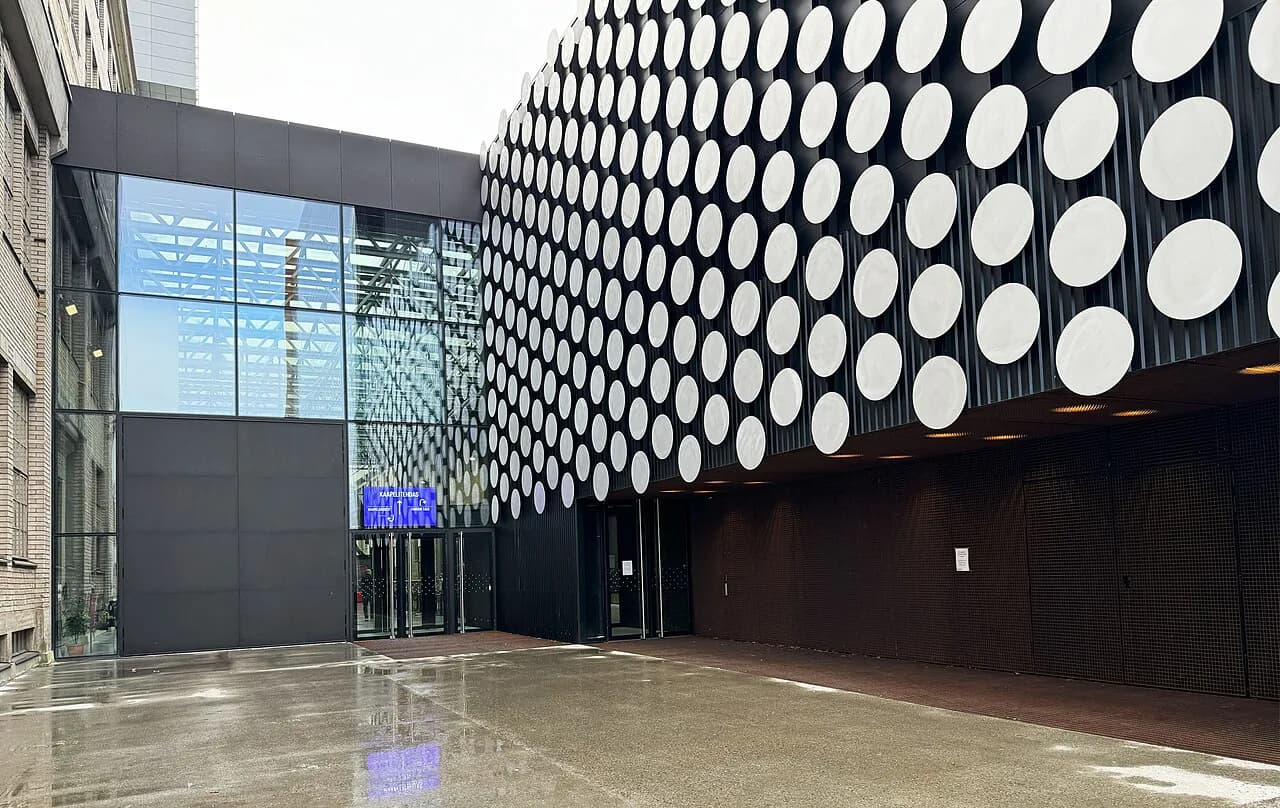
Glass Courtyard, or Lasipiha, is Kaapelitehdas's main entrance and the strongest first stop on any visit. It holds the information point, ticket sales for the museums, and the Tehtaanmyymälä factory shop, which sells work from onsite artists and studios. The Glass Courtyard is a newer addition to the site, opened around the same 2022 expansion that brought Dance House Helsinki online, which is why some older guides still describe an entrance layout that no longer matches the building. Entry to the Glass Courtyard itself is free, and it works as a central meeting point before splitting off toward a museum, a gallery, or Hima & Sali. Kaapelitehdas earns a spot on a Free Things to Do in Helsinki: A 2026 Budget Guide itinerary because the courtyard and most gallery spaces cost nothing to enter, even before adding a paid museum ticket.
Galleries, Artist Studios, and the Factory Shop
More than 100 studios exist inside Kaapelitehdas, though most are private workspaces rather than public exhibition rooms. Public-facing galleries do operate inside the building, including MUU Helsinki nykytaidekeskus and Kaapelin Taiteilijat, both listed as tenants at the address. Gallery hours vary by exhibition, so check what's showing before making a special trip for one specific space. Tehtaanmyymälä, the factory shop reachable from the Glass Courtyard, sells goods made by resident artists and is worth a stop even on a short visit.
Where to Eat: Hima & Sali and the Kahvibaari
Hima & Sali is Kaapelitehdas's restaurant and bar, serving lunch on weekdays and shifting toward a bar atmosphere in the evening. Kahvibaari, the on-site coffee bar, works as a faster stop for coffee and a pastry between museum visits. Neither spot requires a museum ticket, so a coffee break works even on a quick pass through the Glass Courtyard. For more options nearby, the Helsinki Local Food Guide 2026: Where and What to Eat Like a Local covers restaurants beyond the factory grounds. Kaapelitehdas also lists a rooftop sauna available for private rental and events, a detail most first-time visitors miss entirely. Unlike a public sauna you can drop into, the rooftop sauna operates strictly as a private rental for events and groups, which is why it's easy to miss on a casual visit. For public sauna options open without a private booking, see the Helsinki Public Saunas Guide: Historic Wood-Burning Rooms to Modern Sea-Pool Saunas.
Merikaapelihalli and Kaapelitehdas's Event Halls
Merikaapelihalli is the largest hall inside Kaapelitehdas, with a floor area near 3,148 square meters and a theater-style capacity of about 2,870, according to Visit Finland's venue listing. The hall regularly hosts festivals, concerts, and fairs rather than sitting empty between museum hours. Past listings have included the Helsinki Coffee Festival and record fairs, plus concerts from acts such as Faithless, so checking what's on can turn a museum stop into a bigger event day. Smaller halls in the same complex handle everything from seminars to smaller exhibitions, each with its own footprint and seating capacity. None of these smaller halls are open for casual walk-in browsing the way the museums and galleries are, since they run on a booking calendar for private and public events alike.
| Hall | Size | Theatre-Style Capacity |
|---|---|---|
| Merikaapelihalli | 3,148 m² | 2,870 |
| Puristamo | 475 m² | 450 |
| Pannuhalli | 474 m² | 450 |
| Valssaamo | 266 m² | 250 |
| Turbiinisali | 203 m² | 180 |
| Kela & Watti (combined) | 117 m² | 70 |
Getting to Kaapelitehdas: Metro, Tram, and Timing Your Visit
Two transit options reach Kaapelitehdas from central Helsinki. Ruoholahti metro stop leaves about a 10-minute walk to the entrance. Tram 8 stops right outside the building, the faster option when a tram is already due. Ruoholahti sits on the Salmisaari peninsula, part of the wider district breakdown in the Helsinki Neighborhoods Guide: Where to Stay in Every District (2026). Budget around 2 hours for a quick look at one museum plus the Glass Courtyard. Set aside a full day for all three museums, a gallery stop, and a meal at Hima & Sali. Weekday mornings tend to be the quietest time to explore the museums without crowds, based on typical weekday-versus-weekend museum patterns citywide. For a broader view of seasonal crowd patterns across the city, see the guide to the best time to visit Helsinki. Building hours and museum hours are not identical, since each museum can set its own schedule inside the complex. Apple Maps lists the following building hours as of 2026:
- Monday-Tuesday: 10:00-17:00
- Wednesday-Friday: 10:00-19:00
- Saturday: 11:00-18:00
- Sunday: closed
Accessibility and Practical Facilities
Kaapelitehdas is listed as wheelchair accessible and good for kids, according to Apple Maps' venue details. The venue also accepts contactless payments, Apple Pay, and standard credit cards, so carrying cash isn't required for tickets, food, or the factory shop. Several halls still have their original industrial floor surface, so wheels, strollers, and mobility devices may hit uneven or rugged stretches in older sections. Restrooms, the information point, and ticket sales are all reachable from the Glass Courtyard, which functions as the accessible hub for the wider complex.
Mistakes to Avoid and Local Tips
A few avoidable mistakes trip up first-time visitors to Kaapelitehdas.
Monday and Tuesday operate 10:00-17:00 compared to Wednesday-Friday and Saturday's extended hours. A recommended two-hour visit for one museum and Glass Courtyard leaves limited time for arrivals after 15:00 on these shorter-hour days.
- Arriving on a Monday without checking hours first, since several museums and galleries run shorter schedules or close early that day.
- Skipping the event calendar: recurring events such as the Helsinki Coffee Festival and record fairs take over the Merikaapelihalli hall.
- Treating Kaapelitehdas and Suvilahti as the same venue, even though the two sites sit in different districts under the same city property company.
- Missing the short walk to the nearby Lauttasaari bridge, which sits close to the Ruoholahti building and offers sea views most visitors skip.
From Marine Cables to Nokia: A Short History
Architect W. G. Palmqvist designed the original plant for Suomen Kaapelitehdas Oy. Cable production started in 1943, while construction on the full building continued until 1954. Suomen Kaapelitehdas merged with Suomen Kumitehdas and Nokia Aktiebolag between 1966 and 1967 to form Oy Nokia Ab, tying the factory to the company's early corporate history. Manufacturing continued until the late 1980s, and Finland's first supercomputer was also housed inside the building during this industrial period. When production and data-communications work ended, artists, musicians, and other cultural tenants began moving into the empty corridors. The City of Helsinki formalized the cultural centre in 1991. The factory's brick-and-concrete style is a notable example of mid-20th-century industrial architecture in Helsinki, part of why the city pursued adaptive reuse instead of demolition. It has also been a member of the Trans Europe Halles network of independent cultural centres since the early 2000s, and the network's communication office was based on-site starting in 2003. Kiinteistö Oy Kaapelitalo also manages Suvilahti, a former gasworks in a different part of the city, so the two sites share ownership but differ in location and character.
How to spend 3 hours at Kaapelitehdas
Use Kaapelitehdas best by starting at Lasipiha and ending before evening crowds in Merikaapelihalli if no event booking is planned. A focused three-hour route is easier than trying every venue.
- 0:00–0:20: Enter through Lasipiha, check the day’s program, and buy museum tickets at the information point.
- 0:20–1:10: Visit the Finnish Museum of Photography (Suomen valokuvataiteen museo) if visual art is your priority.
- 1:10–1:55: Go to the Theatre Museum (Teatterimuseo) for costume and prop displays, usually the strongest option for kids and families.
- 1:55–2:20: Pause at Hima & Sali, then browse Tehtaanmyymälä for local artist goods before heading out.
If your top priority is hospitality history, swap the Theatre Museum for the Hotel and Restaurant Museum and add 30 to 45 extra minutes. For all three museums, plan for at least 90 additional minutes and keep the route flexible around nearby events.
Avoid Sunday afternoons if you want quieter halls, because festivals and fairs can make Merikaapelihalli busy and reduce the pace through shared indoor areas.
Frequently Asked Questions
What is Kaapelitehdas in Helsinki?
Kaapelitehdas, or the Cable Factory, is Finland's largest cultural centre inside a former marine and telephone cable plant in Ruoholahti. The complex holds three museums, Dance House Helsinki, galleries, artist studios, and the Hima & Sali restaurant.
How do you get to Kaapelitehdas from central Helsinki?
Take the metro to Ruoholahti and walk about 10 minutes to the entrance. Tram 8 is the faster option since it stops right outside the building.
Is Kaapelitehdas open on Mondays?
Some museums and galleries run shorter hours or close early on Mondays, so confirm the current schedule before visiting. Apple Maps lists building hours as shorter on Monday and Tuesday than the rest of the week.
How much time should you plan for a visit to Cable Factory?
Plan for about 2 hours to cover one museum and the Glass Courtyard. A full day works better if the goal includes all three museums, a gallery stop, and a meal at Hima & Sali.
Is Kaapelitehdas free to visit?
Entry to the Glass Courtyard, most galleries, and the Tehtaanmyymälä factory shop is free. The three museums and Dance House Helsinki performances each charge separate admission.
What is the difference between Kaapelitehdas and Suvilahti?
Both sites are managed by the same city property company, Kiinteistö Oy Kaapelitalo. Kaapelitehdas is the former cable factory in Ruoholahti, while Suvilahti is a former gasworks in a different part of Helsinki.
Should you buy a combined ticket for the museums?
No combined pass appears in the venue's published materials, so budget separate admission for each museum. Ask at the Glass Courtyard info point about any current promotions.
What should you know about visiting Kaapelitehdas with young kids?
Apple Maps lists Kaapelitehdas as good for kids, and the Theatre Museum's hands-on costumes and props tend to hold children's attention longest. Strollers may still struggle on some original industrial floor sections, so plan for a few uneven stretches.
Continue exploring
More guides you'll find useful