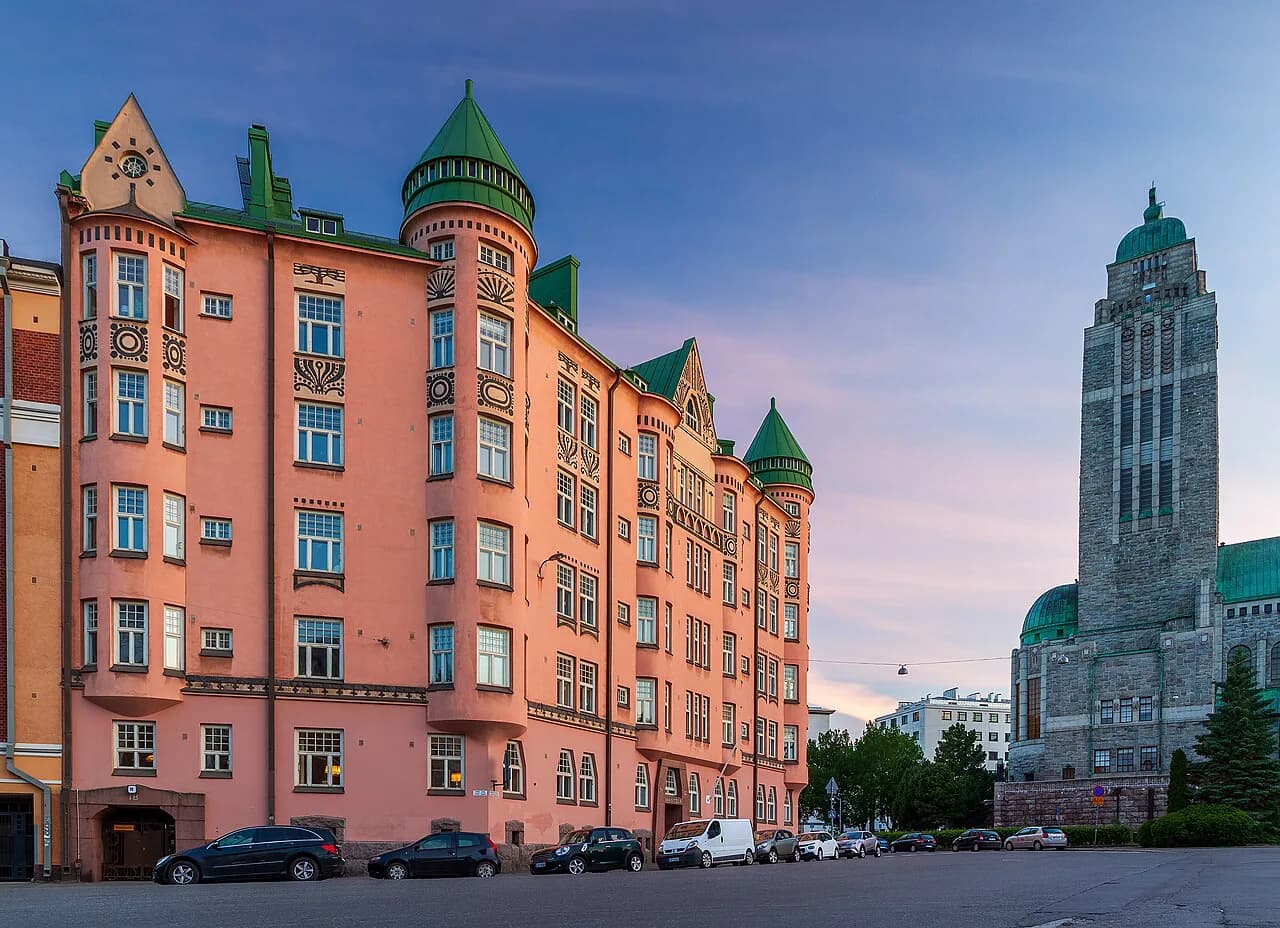
Vallila Helsinki Guide: Wooden Houses, History, and Where to Eat
A 2026 vallila helsinki guide to Puu-Vallila's wooden streets, history, top things to do, where to eat, and how it compares to Kallio and Punavuori.
On this page
Vallila Helsinki Guide: Inside Helsinki's Wooden Garden-City District
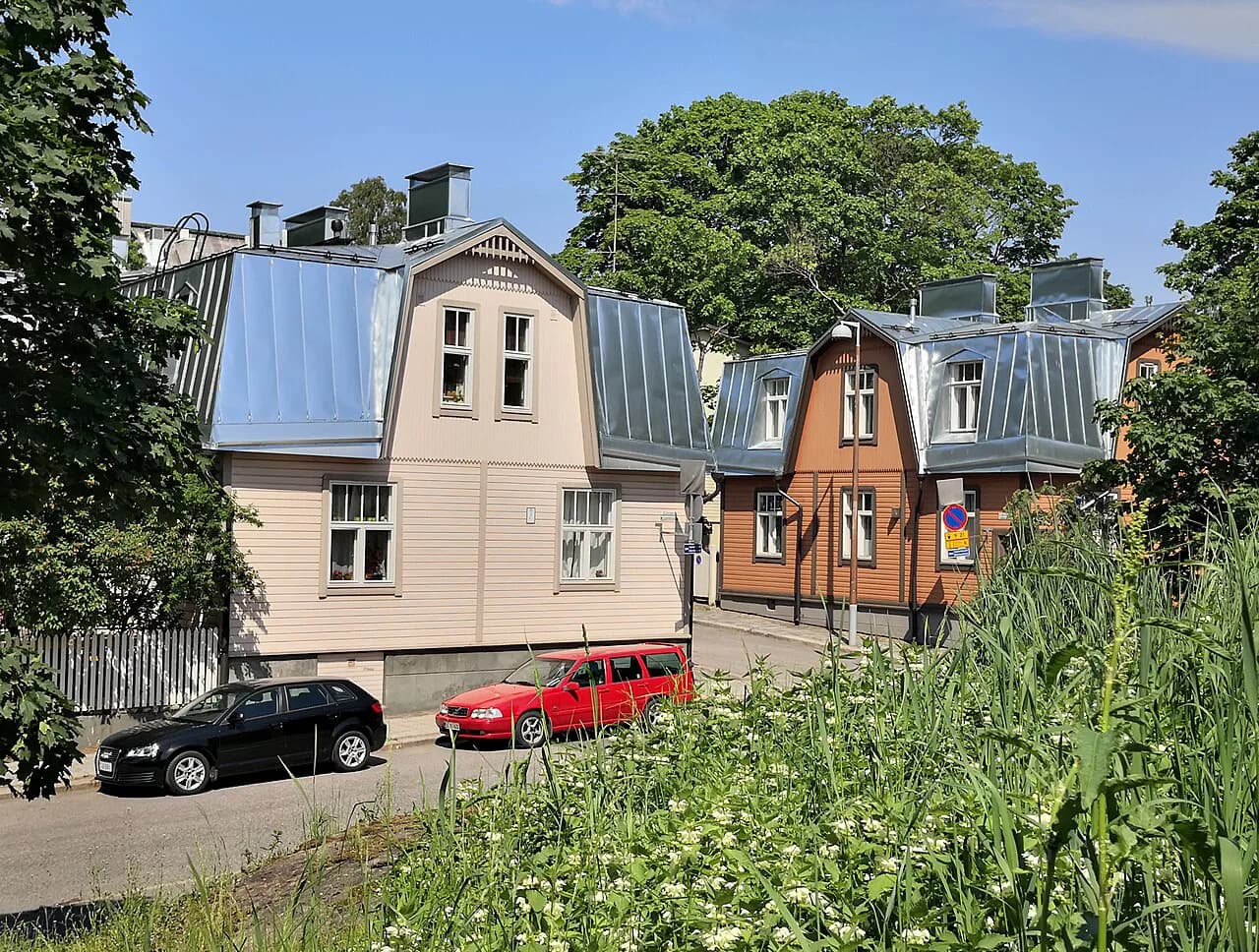
Last updated August 2026, this vallila helsinki guide covers one of Helsinki's most intact wooden garden-city quarters, built out between 1910 and 1930 and protected in the city plan since 1980. Vallila splits into two distinct characters: the pastel wooden streets of Puu-Vallila and the converted industrial buildings along the Teollisuuskatu corridor. Plan on two to four hours on foot, and treat it as a quieter counterpart to nearby Kallio.
Vallila Helsinki Guide: Two Neighborhoods in One District
Vallila sits within Helsinki's inner districts, split by a single corridor into two working identities. West of Hämeentie, wooden garden-city cottages front quiet interior courtyards. East along Teollisuuskatu, former factories and print works now hold design studios and small offices, an area sometimes called New Vallila. The district shifted from a working-class stronghold into a creative-class neighborhood over recent decades, without losing its residential core. Architecture buffs, photographers, and slow travelers get the most out of a visit, since the appeal is walking and looking rather than ticketed sights. Vallila counts among Helsinki's 15 Hidden Gems in Helsinki: Local Secrets & Offbeat Spots (2026) picks. It also ranks as one of the city's Free Things to Do in Helsinki: A 2026 Budget Guide, since the wooden streets cost nothing beyond a transit fare.
Is Vallila Worth a Detour From Kallio?
Vallila rewards visitors who prioritize architecture and quiet streets over nightlife density. In this guide's assessment, Vallila functions as Helsinki's quieter, residential counterpoint, while Kallio carries the city's livelier bar-and-restaurant energy. The detour costs little: a short tram ride or a walk connects the two districts directly. Travelers with only a few hours in Helsinki and no interest in wooden architecture can reasonably skip Vallila for Kallio's bars or Punavuori's design shops. Those chasing a slower, more residential side of the city should make time for it, even on a tight itinerary. The tradeoff is straightforward: Vallila offers atmosphere and photography over dining variety and nightlife.
With tram lines 1, 7, and 9 all serving Vallila, you can easily pair the wooden quarter with Kallio's bar scene in a single day, shifting between neighborhoods by tram without backtracking.
The History of Puu-Vallila's Garden City
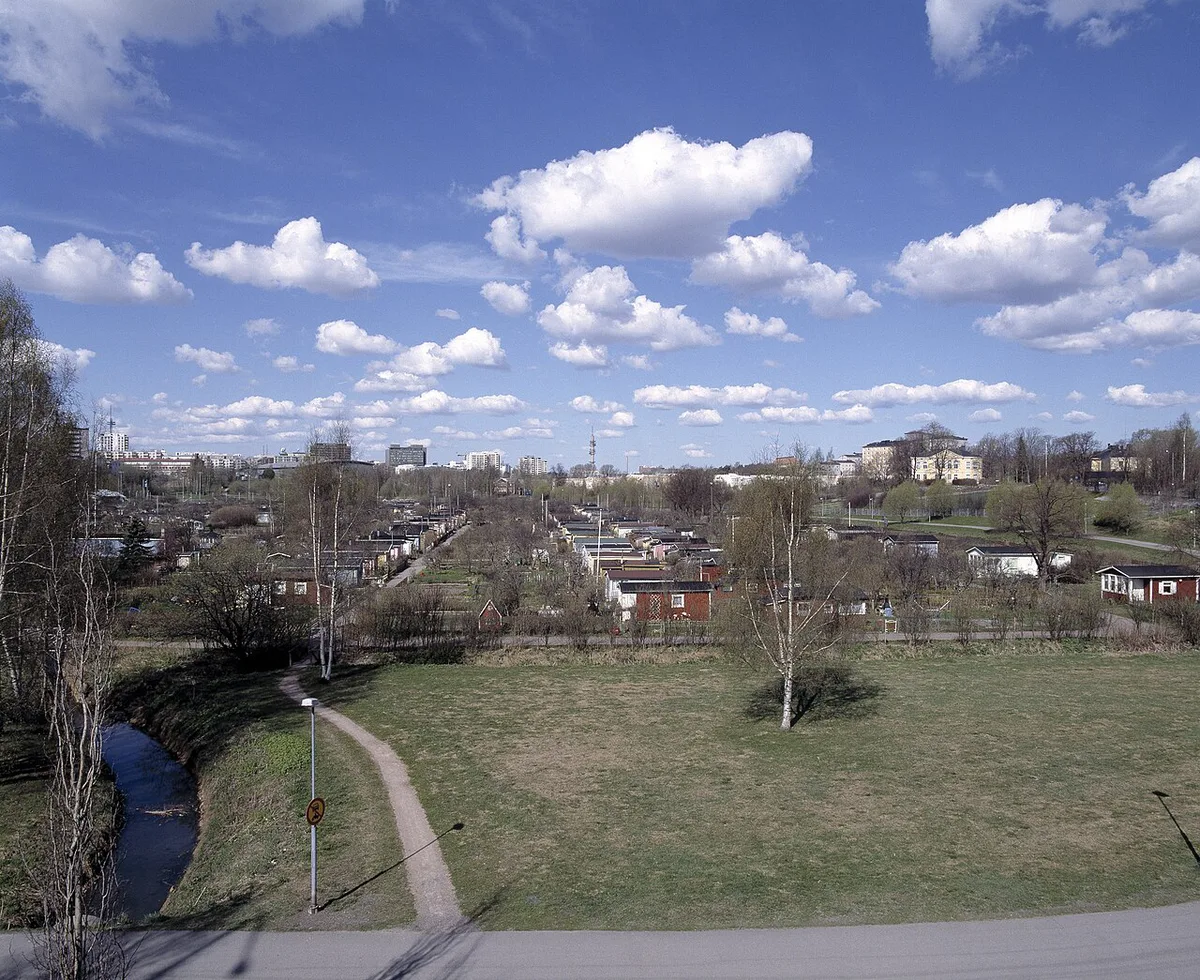
City planners platted Puu-Vallila in 1908, following the garden-city movement popular across early-1900s Europe. Construction ran from 1910 to 1930, giving the quarter a mix of Art Nouveau facades and modest worker housing. Wooden two- and three-story houses line narrow lots, each painted in ochre, red, or muted green tones. Shared courtyards sit behind the street-facing houses, originally meant for growing vegetables and hanging laundry. Helsinki considered demolishing the quarter in the 1970s to make way for denser apartment blocks. Local preservation campaigns stopped that plan, and the city protected Puu-Vallila in its official plan by 1980. That protection kept the wooden streetscape largely intact since. Many houses have since been renovated for modern living while keeping their original facades and window proportions. The demographic shift mirrors the district's broader change, as descendants of factory workers gave way to today's mix of long-time residents and creative-class arrivals. Courtyard culture survives too: residents still use the shared yards for gardening and informal gatherings, though the spaces remain private property. The wooden quarter regularly appears among 12 Unique Things to Do in Helsinki: Saunas, Islands & the Rock Church (2026 Guide) roundups, since it keeps its early-1900s garden-suburb character close to the city center.
Top Things to Do and See in Vallila
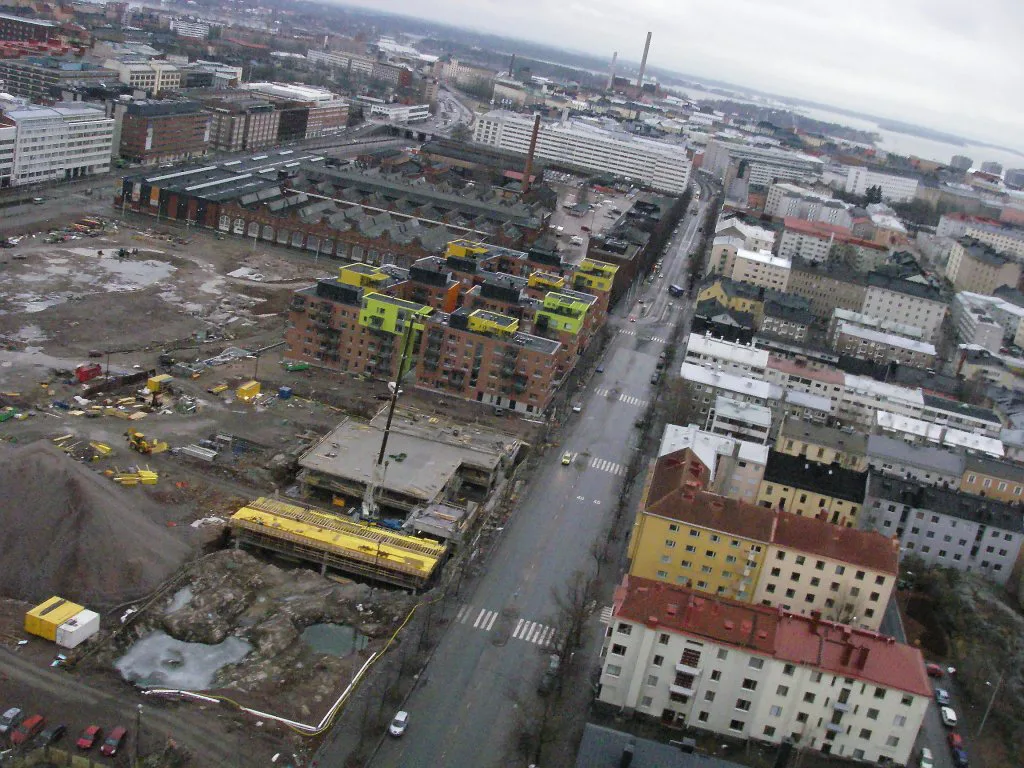
Four stops cover most of what makes Vallila worth the detour, from the wooden quarter's core streets to its industrial edge. The Teollisuuskatu corridor's factory-to-office conversion echoes the Kaapelitehdas cable factory conversion found elsewhere in Helsinki, though on a smaller, office-oriented scale. Teurastamo, the former abattoir complex, sits right at Vallila's edge rather than inside the wooded Puu-Vallila core. Treat it as a bordering extension worth a short detour, not as one of the neighborhood's central wooden streets. Pedestrian pace matters more than a checklist here, since the district's appeal comes from cumulative detail rather than a single standout sight. Look for small variations in gable shapes, window trim, and door colors block to block, evidence of the original 1910s-1930s construction period.
- Puu-Vallila walk: Follow the grid between Hämeentie and Sturenkatu, where painted wooden houses sit closest together and courtyards open just off the sidewalk.
- Vallila Church: An early-1930s brick church and the district's most visible landmark, standing near the edge of the wooden quarter.
- Teollisuuskatu corridor: Former factory and print-works buildings now hold design studios and small creative offices, including the area known as Vallila Roastery.
- Kallio crossover: Continue on to neighboring Kallio to pair Vallila's quiet streets with a livelier bar-and-restaurant scene for a full day out.
A Suggested Vallila Walking Route
This order keeps the walk logical, moving from the residential core toward the industrial edge without backtracking.
- Start at Hämeentie, Vallila's western edge, and head into the wooden quarter's grid streets.
- Wander the interior courtyard streets, where the tightest cluster of Art Nouveau-era houses stands.
- Continue toward Vallila Church, the district's central 1930s brick landmark.
- Cross into the Teollisuuskatu corridor to see the factory-to-office conversions and the Vallila Roastery area.
- Finish by continuing on toward neighboring Kallio, or backtrack toward Pasila station for onward transit.
Best Time to Visit Vallila: Weekdays vs Weekends
Weekdays suit photography, when the streets and courtyards sit quiet and light falls cleanly on the painted facades. Weekends bring a livelier cafe crowd, closer to how residents actually use the neighborhood day to day. Early morning works well for empty-street photos in any season, since Vallila stays primarily residential rather than tourist-driven. Seasonal timing follows the rest of Helsinki: bright, long days in summer versus short, dark afternoons in winter shape how much walking feels comfortable.
Plan two to four hours for a focused photography visit hitting the tightest wooden-house clusters and courtyards; weekday mornings offer the quietest light, while weekends show how residents actually live in these streets.
Where to Eat and Drink in Vallila
Vallila's food scene favors small, independent spots over chains, reflecting the district's creative-class shift. Coffee carries particular weight here: the Vallila Roastery name points to a local roasting tradition that shaped the neighborhood's cafe culture. Bakeries and casual lunch counters sit alongside the newer design-office cafes along Teollisuuskatu. Confirm current opening hours and operating status directly before visiting, since small independent businesses change quickly. Lunch spots along the wooden quarter's edges lean toward mid-range, sit-down local menus rather than tourist pricing. For a citywide view of where to eat, check the Helsinki Local Food Guide 2026: Where and What to Eat Like a Local alongside a roundup of Best Local Restaurants in Helsinki: 9 Local Picks for 2026.
Getting to Vallila: Trams, Walking Routes, and Etiquette
HSL trams 1, 7, and 9 all serve stops within or near Vallila, making the district a short ride from central Helsinki. Walking works too, with Pasila station and Kallio both within reach on foot for those skipping the tram. Check the HSL app for current routing before the trip, since diversions near Mäkelänkatu happen periodically for construction work. Budget only a single HSL fare for the visit, well below the ferry ticket a Suomenlinna sea fortress trip requires. Puu-Vallila's courtyards are private residential space, not public parks, even though many stand unlocked. Look into a courtyard from the street entrance rather than walking through someone's yard uninvited. Photograph the facades freely, but keep the same courtesy expected of a visitor outside a private home. Avoid loud conversation directly beneath residential windows, especially in the evening. Bicycles share many of the interior streets, so watch for cyclists in the narrower courtyard lanes.
Vallila vs Kallio vs Punavuori: Which Helsinki Neighborhood Fits Your Trip
Three neighborhoods get compared most often when planning a Helsinki visit beyond Senate Square: Vallila, Kallio, and Punavuori. Each rewards a different kind of day. Vallila and Kallio pair naturally into one day, since a tram or short walk connects them directly. Punavuori's design district trades wooden houses for stone-built streets and concept stores, a contrast to Vallila's architecture focus rather than a repeat of it. Vallila earns its place on Helsinki's neighborhood-by-neighborhood guide precisely because most visitors default to Kallio's bars or Punavuori's shops instead. None of the three neighborhoods requires an entry fee or advance booking, so combining two in one day mostly comes down to tram time and personal pace.
| Neighborhood | Character | Best For | Cost Level | Typical Visit |
|---|---|---|---|---|
| Vallila | Quiet, residential, wooden garden city | Architecture, photography, slow mornings | Low (transit fare only) | 2-4 hours |
| Kallio | Dense, bar-heavy, always-on | Nightlife, casual dining, people-watching | Low-Moderate (bars, casual dining) | Half a day or evening |
| Punavuori | Design-focused, boutique-lined streets | Shopping, galleries, design stores | Moderate (design shopping, dining) | Half a day |
Frequently Asked Questions
Is Vallila safe to visit?
Vallila is a residential, low-key part of Helsinki with no particular safety concerns beyond ordinary city awareness. The district shifted from a working-class stronghold into a creative-class neighborhood over recent decades, and that change shows in well-kept streets and renovated housing. Treat courtyards as private property rather than public space. Standard city precautions apply after dark, the same as anywhere else in Helsinki.
How long do you need in Vallila?
Budget two to four hours for a focused visit covering the Puu-Vallila walk, Vallila Church, and a coffee stop. Add extra time if pairing the visit with neighboring Kallio for a full day out, since the two districts connect easily by tram or on foot. Photographers may want a full morning or afternoon to work with the light properly.
Can you go inside the wooden houses?
The wooden houses in Puu-Vallila are private residences, not museums, so general entry is not available. Some ground-floor spaces host small cafes or creative-office storefronts open to the public. Confirm current status before visiting, since small independent businesses change over time. Viewing the exteriors and courtyard entrances from the street remains the main way to experience the architecture.
What is the best time to visit Vallila?
Weekdays suit photography, when the streets and courtyards stay quiet and light hits the wooden facades cleanly. Weekends bring a livelier cafe crowd, closer to how residents actually use the neighborhood. For citywide timing beyond Vallila, the guide to visiting Helsinki without the crowds covers seasonal patterns in more depth.
Is Teurastamo part of Vallila?
Teurastamo, the former abattoir complex, sits right at Vallila's edge rather than inside the wooded Puu-Vallila core. Treat it as a bordering extension worth a short detour, not one of the neighborhood's central wooden streets. It works well as an add-on stop if walking toward or from Kallio.
How much does it cost to visit Vallila?
Walking Puu-Vallila's streets and photographing the wooden houses costs nothing beyond getting there. Budget only a single HSL transit fare each way, since the main appeal is architecture rather than paid attractions. Add a modest amount for coffee or lunch if stopping at one of the district's cafes.
Continue exploring
More guides you'll find useful