Kruununhaka Helsinki Guide: Senate Square, Tervasaari, and the Quiet Old Town
A kruununhaka helsinki guide to Senate Square's Neoclassical core, Jugendstil side streets, the Tervasaari waterfront walk, and where to eat nearby in 2026.
On this page
Kruununhaka Helsinki Guide: Inside the City's Oldest District
Last updated August 2026, this kruununhaka helsinki guide covers Helsinki's oldest neighborhood, the quiet grid of streets beside Senate Square. The Lutheran Cathedral and the National Library of Finland anchor a district that locals call Krunikka. Expect cobblestone lanes, Neoclassical and Jugendstil architecture, and a waterfront walk toward Tervasaari, all within walking distance of Helsinki Central Station.
Kruununhaka Helsinki Guide: Quick Facts Before You Go
Kruununhaka sits beside Senate Square, inside the compact grid locals call Krunikka. It is Helsinki's oldest neighborhood, built up around the Lutheran Cathedral and the seat of national government. Culturally curious travelers and architecture enthusiasts tend to get the most from a visit here. It works well as a quieter alternative to Kallio or Punavuori. For how it fits among the capital's other areas, see this district-by-district breakdown.
- Best for: history and architecture fans, plus travelers who want quiet streets over nightlife
- Time needed: two to three hours for the core landmarks, closer to half a day with museums and the waterfront walk
- Getting there: about a 10 to 15 minute walk from Helsinki Central Station, or Tram 7
- Language: Finnish and Swedish appear on official signage here, as across the rest of Helsinki
- Cost: walking Senate Square, the side streets, and the Tervasaari waterfront costs nothing; see more no-cost Helsinki stops
History and Architecture Beyond the White Cathedral
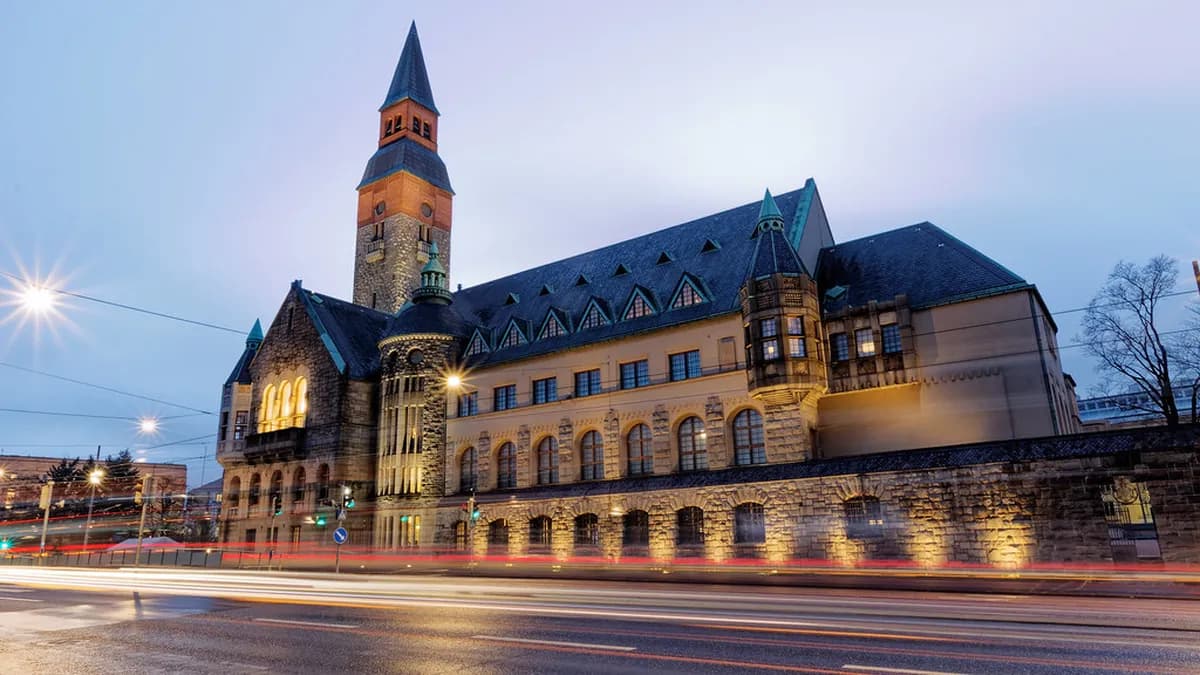
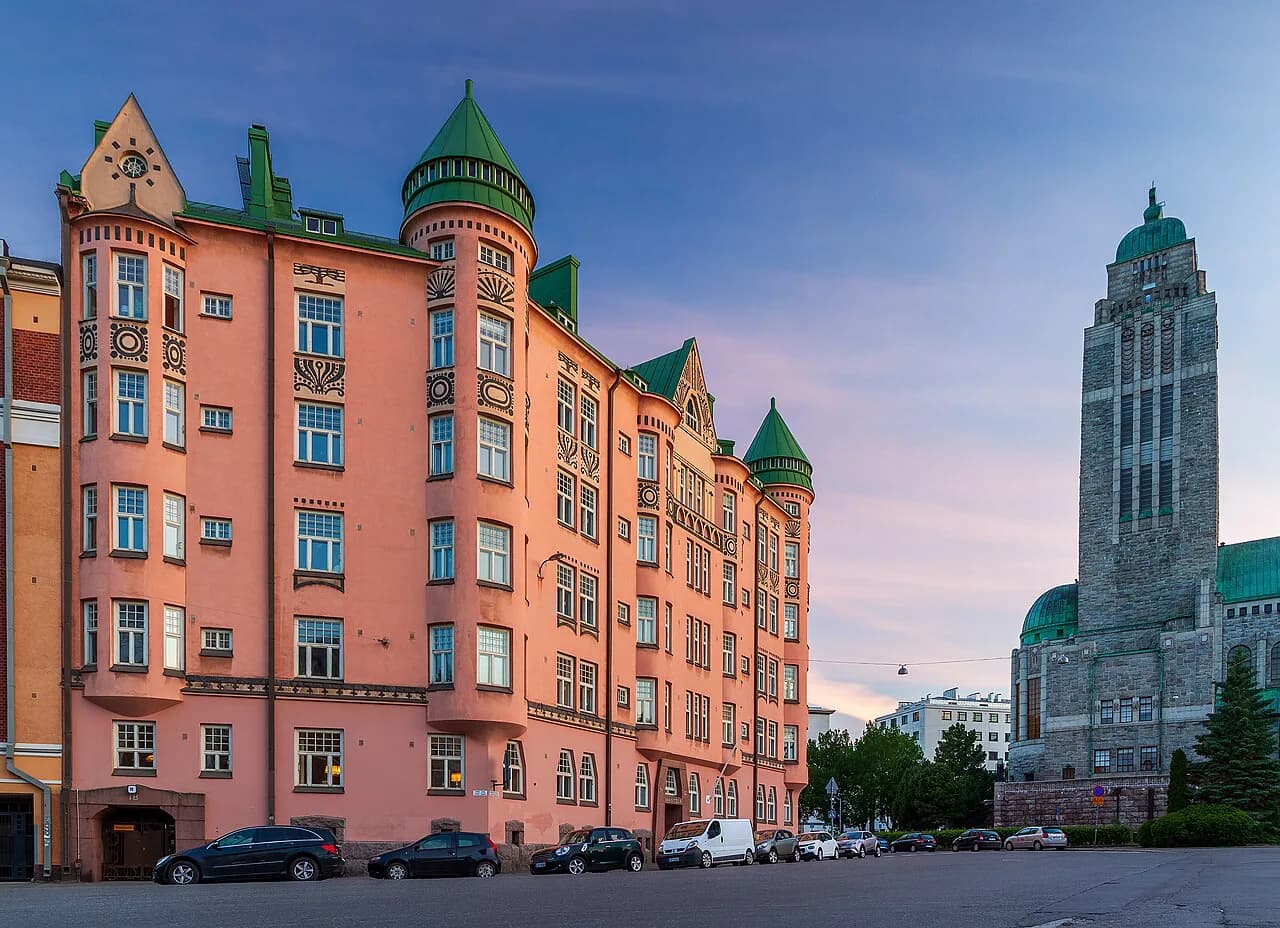
Most visitors photograph Helsinki Cathedral and move on. Kruununhaka's real character shows in the streets around it. Architect Carl Ludvig Engel designed the Neoclassical core in the early 1800s. Senate Square and its surrounding blocks still carry his pale, symmetrical look. The same institutions that made this the administrative center in the 1800s still occupy the area today, which explains why the streets feel formal even without heavy tourist traffic. Walk a few streets north and the style shifts fast. Liisankatu and Snellmaninkatu carry Jugendstil apartment buildings, Finland's version of Art Nouveau. Expect carved stone entrances, turret rooflines, and facades more textured than the Neoclassical center's smooth walls. Kruununhaka's layout traces back to the 17th century, among the first blocks settled outside the old town walls. That older street grid still shows in how narrow some side lanes remain today.
Three distinct architectural eras—17th-century street patterns, early 1800s Neoclassical government buildings, and Jugendstil apartment blocks—appear within one walking loop, giving architecture enthusiasts concentrated exposure to centuries of style changes.
- Neoclassical core: Senate Square and the surrounding streets, designed by Carl Ludvig Engel in the early 1800s
- Jugendstil pocket: Art Nouveau apartment buildings along Liisankatu and Snellmaninkatu, with carved entrances and turret rooflines
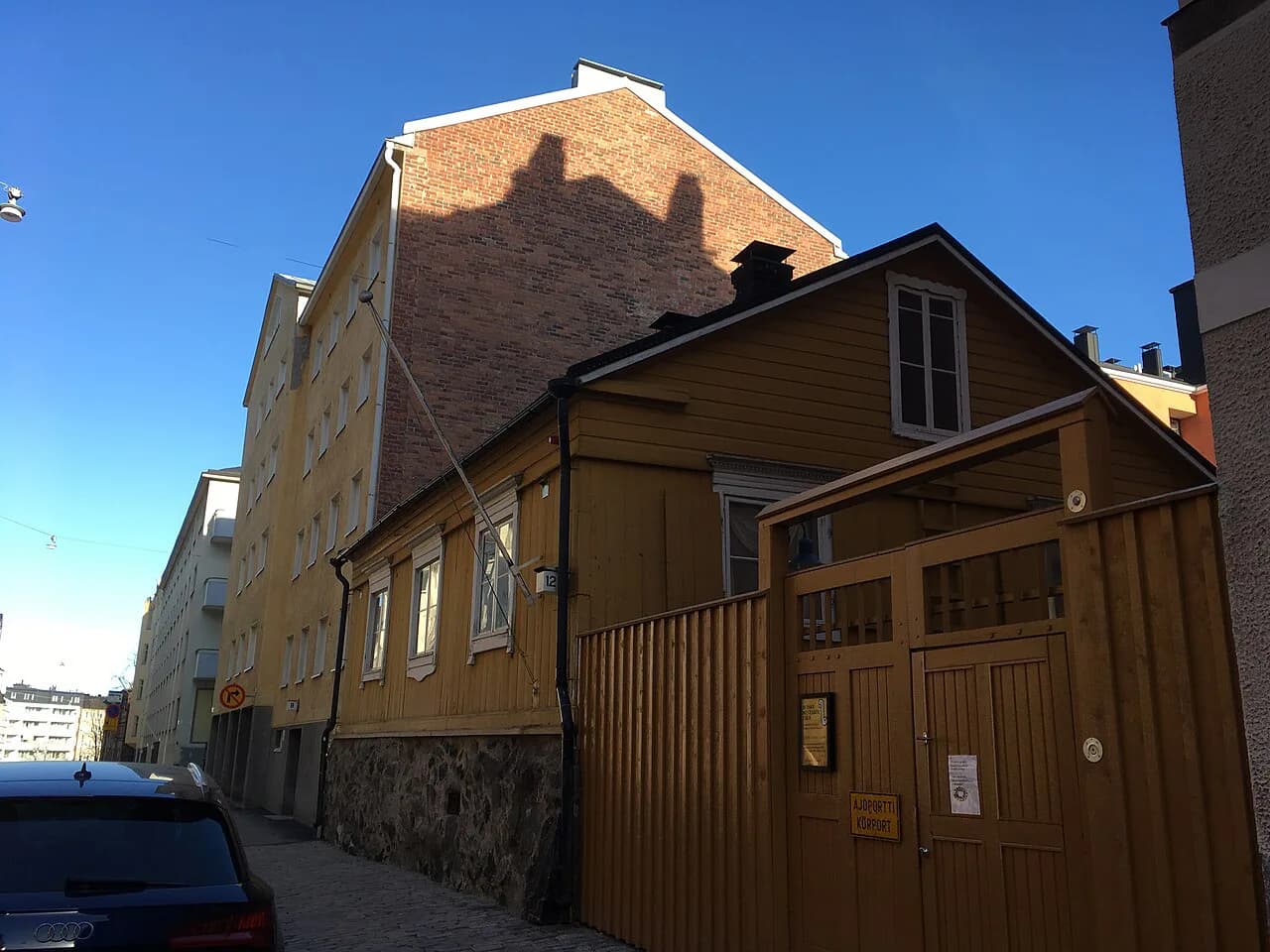
- Burgher's House Museum: the mustard-yellow building at Kristianinkatu 12, built in 1818 and now Helsinki's oldest surviving wooden building
- Buried history: street patterns dating to the 17th century, among the first areas settled outside the old town walls
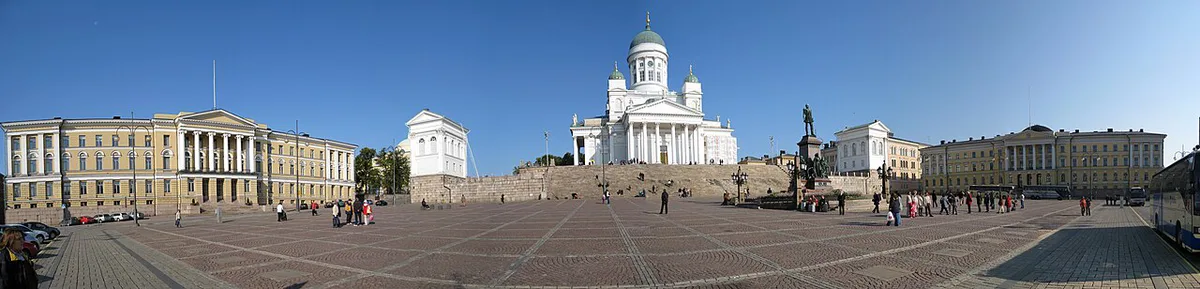
Top Things to Do in Kruununhaka
Kruununhaka rewards slow walking more than a checklist. Five stops anchor most visits, and none needs a full day alone. Start at the landmarks, then let the side streets and waterfront fill out the rest of a visit.
- Helsinki Cathedral: the white Lutheran cathedral overlooking Senate Square, free to enter and the district's most photographed building
- National Library of Finland: the Rotunda reading room makes for a distinctive Helsinki experience; it remains a working library, so keep voices low
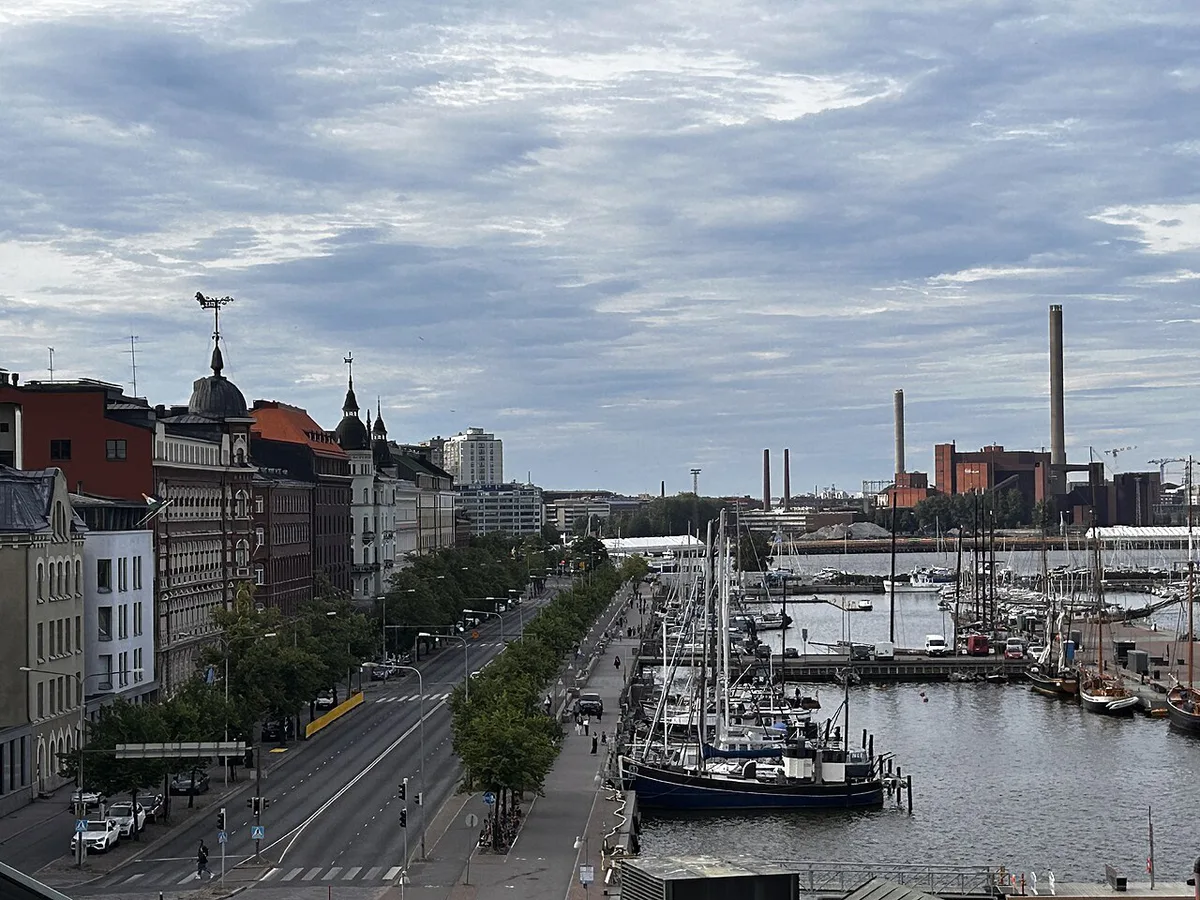
- Tervasaari waterfront walk: follow the eastern embankment across the causeway onto Tervasaari island, an off-the-beaten-path stop most cathedral-only visitors skip
- Hidden courtyards: quiet inner courtyards sit between Kristianinkatu and Liisankatu, part of a wider set of under-the-radar Helsinki corners
- Bank of Finland Museum and Helsinki City Museum: two smaller stops covering national monetary history and the capital's own past
A Simple Route Through the District
This order keeps walking distances short and groups the quiet streets after the busier landmarks. The full loop stays compact enough for a single unhurried outing, even before museum stops.
- Start at Senate Square to get oriented among the Neoclassical ensemble and its pale, symmetrical facades
- Step inside Helsinki Cathedral, free to enter, then walk the front steps for the classic photo angle
- Cross to the National Library of Finland and take in the Rotunda reading room quietly
- Walk north on Kristianinkatu to the Burgher's House Museum at Kristianinkatu 12, built in 1818
- Continue onto Liisankatu and Snellmaninkatu to see the Jugendstil apartment blocks and carved entrances
- Finish on the eastern embankment, crossing the causeway onto Tervasaari for waterfront views
Best Photo Spots and Timing in Kruununhaka
Kruununhaka photographs differently depending on the hour. Morning light suits the Cathedral's white facade, when the steps stay emptier and the color reads cleanest. Midday works better for interior shots at the National Library, where the Rotunda's skylight brightens the reading room. Late afternoon and early evening favor the eastern waterfront, when low sun crosses the water toward Tervasaari.
- Senate Square steps: the widest view of the Neoclassical ensemble, best before the midday tour groups arrive
- Snellmaninkatu doorways: carved stone entrances and Jugendstil detail, good in flat, overcast light
- Tervasaari causeway: open water views and the day's last light, reached via the eastern embankment walk
- Kristianinkatu 12: the mustard-yellow Burgher's House Museum facade, a color that reads best in direct sun
Where to Eat and Drink in Kruununhaka
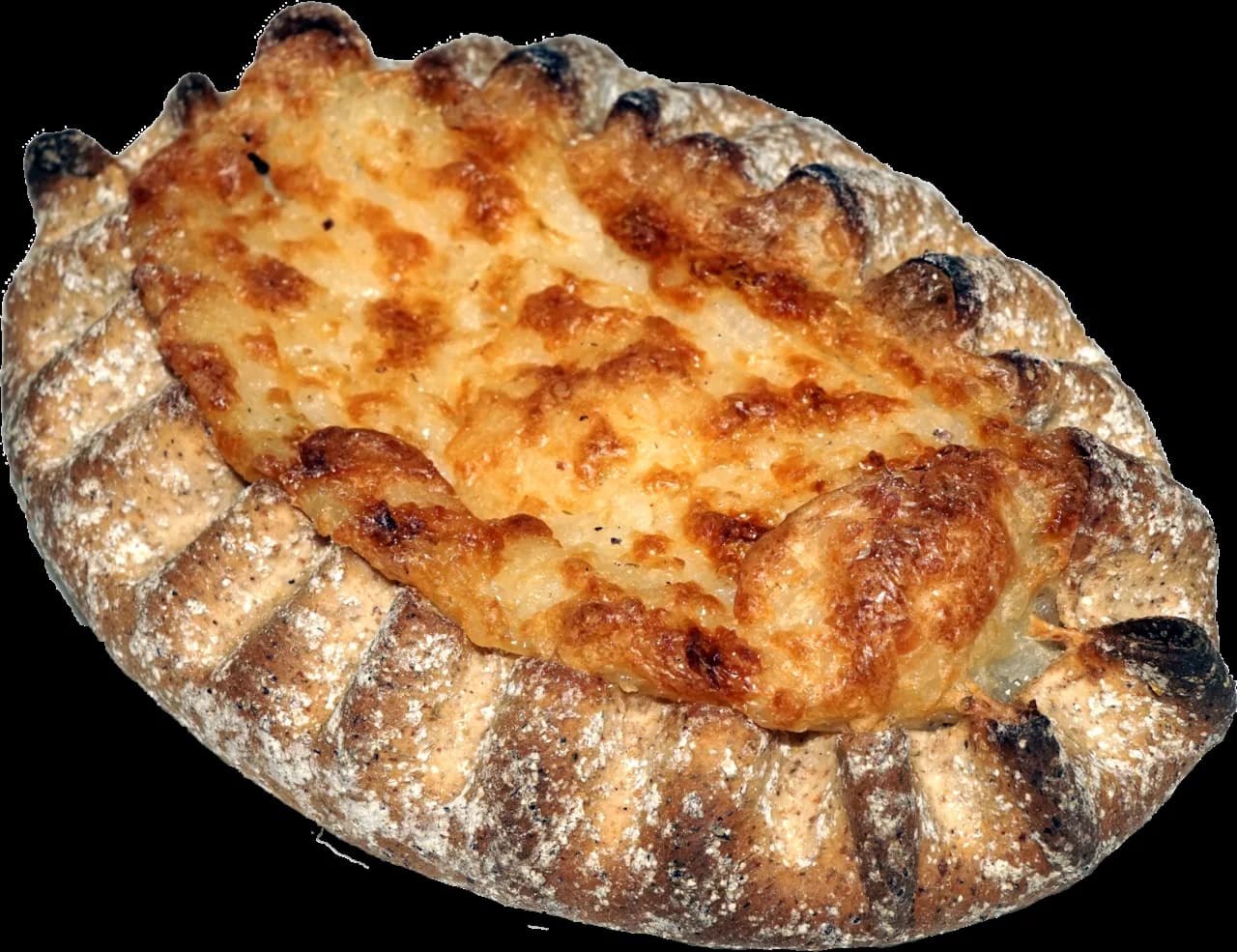
Kruununhaka leans old-school rather than trendy. Traditional Finnish bakeries and coffee counters outnumber the specialty third-wave cafés found elsewhere in the city. Still, a few modern roasters have opened on quieter corners. Cinnamon buns and other pulla pastries show up on most bakery counters, alongside dark rye bread. Dinner tends to happen in historic basement dining rooms instead of street-level chains. Menus lean on Finnish and Nordic ingredients. Reservations are worth making ahead for those basement restaurants during peak travel months. Prices here sit closer to Helsinki's upscale citywide average than to the budget end. Confirm current menus directly with each restaurant before booking. For a broader citywide rundown, see the Helsinki local food scene guide. A separate roundup of top-rated restaurants citywide covers more upscale picks beyond this one district.
Planning Your Kruununhaka Helsinki Visit: Trams, Timing, and Terrain
Kruununhaka is close enough to walk from Helsinki Central Station, about 10 to 15 minutes on foot. Tram 7 stops in the district, and Tram 4 runs nearby. Check current HSL route maps since lines are adjusted from time to time. Helsinki Central Station also connects to regional trains, making Kruununhaka a realistic first or last stop on a visit. Morning suits travelers chasing soft light on the Cathedral's white facade and fewer people on the steps. Late afternoon suits the eastern waterfront instead, when low sun crosses the water toward Tervasaari. Senate Square gets busiest around midday with tour groups, so plan landmark photos outside that window. For a broader read on avoiding Helsinki's peak crowds, see when to visit without crowds. Footwear matters more here than in most of central Helsinki. Cobblestones cover much of the district, uneven in places and slick when wet. Flat, sturdy shoes work better than fashion boots or sandals. Strollers and wheelchairs should plan for a slower pace on some blocks. A wind layer helps on the exposed Tervasaari causeway. Kruununhaka has no public sauna of its own. The citywide public sauna options guide lists rooftop and waterfront choices elsewhere in the city.
Kruununhaka's Residential Quiet: The Krunikka Vibe
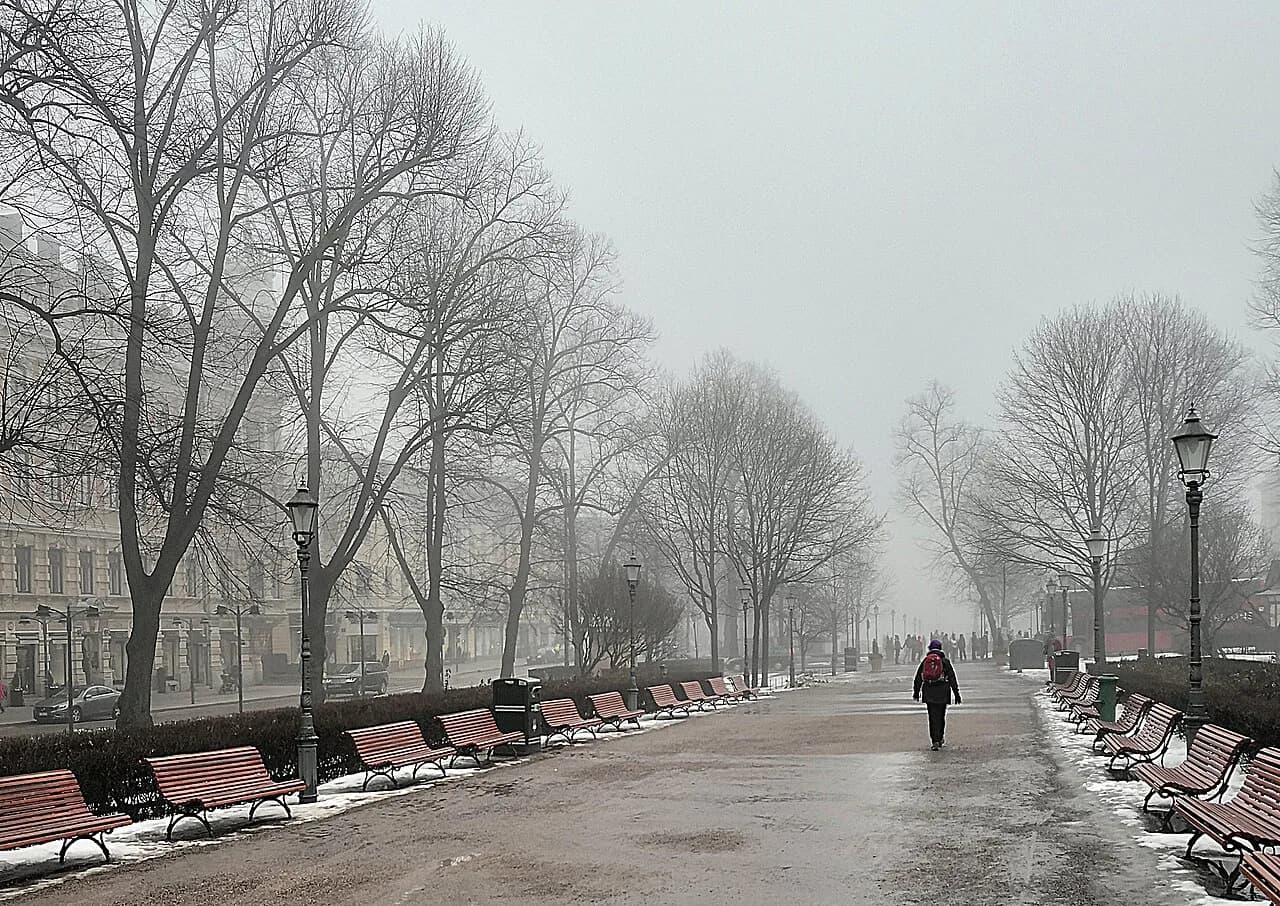
Locals shorten Kruununhaka to Krunikka, and the nickname signals a mood shift once you step off Senate Square. The square itself draws tour groups and cruise-passenger crowds for a few photogenic minutes. A block or two north, the noise drops fast. Long-term residents and government staff still outnumber retail here. There is no shopping mall or chain-supermarket cluster inside its borders. Independent bakeries, a handful of galleries, and small offices fill the ground floors instead. Details worth noticing include restored building nameplates, small brass door fittings, and government office signage. Evenings stay quiet here. That suits travelers who want a calm base over one built around bars or late-night shopping.
Kruununhaka's quiet, upscale residential streets lie only a 10 to 15 minute walk from Helsinki Central Station, allowing visitors to find residential calm while remaining near the city's main transit hub.
- Keep voices down after early evening; Kruununhaka's streets are residential, not a nightlife strip
- Treat inner courtyards as private space unless a sign or open gate indicates public access
- Avoid blocking narrow sidewalks with large groups; the pavement here is tighter than on Helsinki's main shopping streets
- Save loud photo sessions for Senate Square itself rather than the quieter residential blocks
Kruununhaka vs Kallio, Punavuori, and Vallila
Helsinki offers several distinct districts, and the right pick depends on the kind of trip planned. Kallio's bar-heavy streets suit travelers chasing nightlife and a rougher, younger energy. Punavuori's design boutiques fit shoppers and design-focused visitors. Residential Vallila offers a quieter, local-feeling base built around its own residential character rather than grand architecture. Kruununhaka sits apart from all three: fewer bars than Kallio, fewer shops than Punavuori, and more historic architectural weight than Vallila. It suits couples, history buffs, and travelers who want to stay near Senate Square without booking inside the busiest tourist blocks. Travelers chasing nightlife or budget dorm-style stays will likely find better options in Kallio instead.
| Neighborhood | Atmosphere | Best For |
|---|---|---|
| Kruununhaka | Quiet, historic, upscale residential | History buffs, architecture fans, couples |
| Kallio | Bohemian, bar-dense, younger crowd | Nightlife and budget-friendly stays |
| Punavuori | Design-focused, boutique-lined streets | Shopping and design enthusiasts |
| Vallila | Residential, creative, low-key | A local, non-touristy base |
Frequently Asked Questions
Is Kruununhaka expensive?
Kruununhaka leans upscale rather than budget. Housing and dining cost more here than in Kallio, reflecting its status as one of Helsinki's more established residential districts. Walking Senate Square, the side streets, and the Tervasaari waterfront is free. A visit can stay low-cost even without a sit-down dinner. Check current restaurant menus directly, since prices shift.
How much time do you need in Kruununhaka?
Two to three hours covers the core landmarks: Senate Square, Helsinki Cathedral, and a walk down Liisankatu. Add the National Library's Rotunda, the Bank of Finland Museum, or the Tervasaari waterfront walk, and plan closer to half a day. Architecture fans photographing both the Neoclassical core and the Jugendstil streets should budget the longer end.
Is Kruununhaka walkable from the ferry terminals?
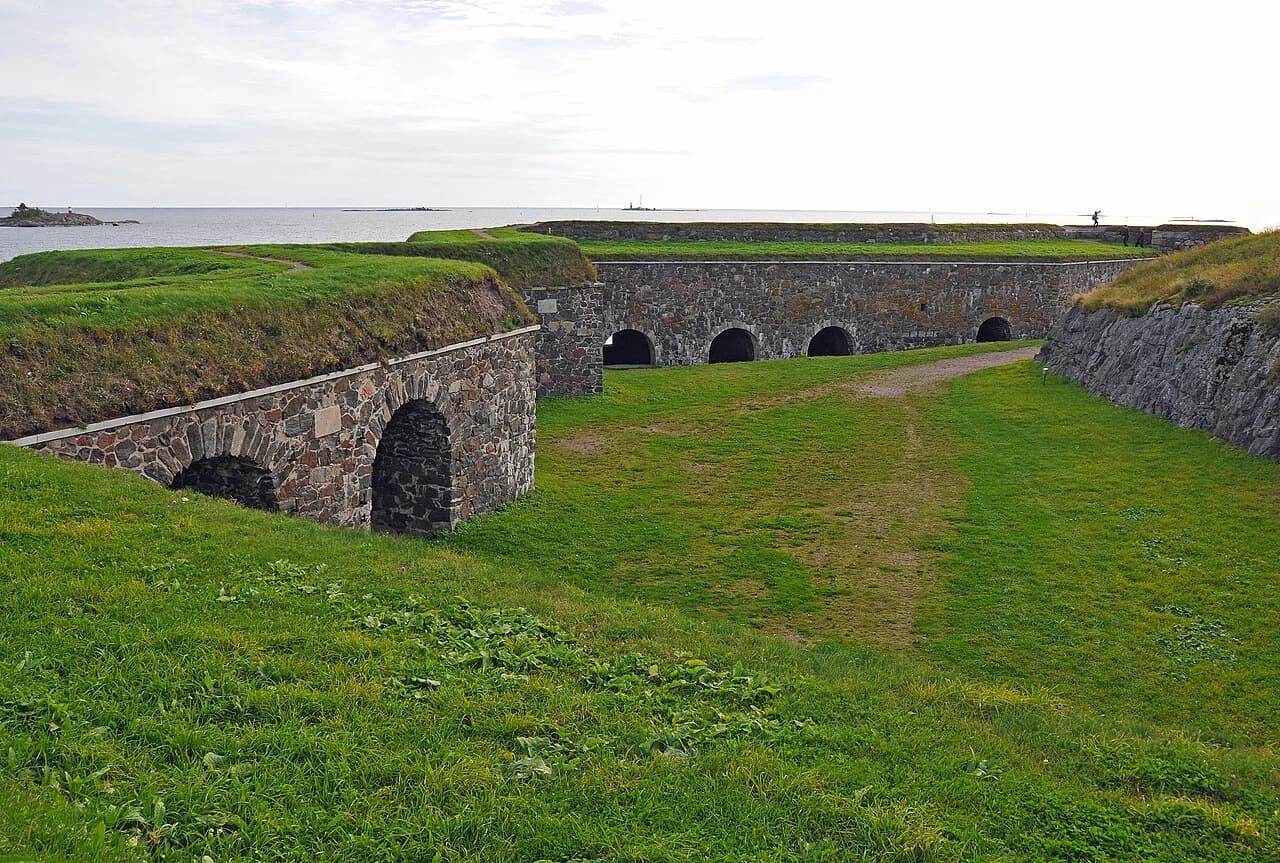
Kruununhaka's eastern waterfront puts it within a reasonable walk of central Helsinki's harbor area. Exact distances depend on which terminal is in use, so confirm current walking times before booking a crossing. The Suomenlinna sea fortress is one option. Vallisaari Island is another worth checking for current sailing times. Both also appear in the wider other day trips from Helsinki roundup.
Can you visit the National Library of Finland as a tourist?
Yes, the Rotunda reading room is open to visitors, though the building remains a working library. Keep conversations quiet and skip flash photography near researchers. Check the library's current opening days before visiting, since academic libraries sometimes adjust hours around holidays.
Do museums in Kruununhaka require advance booking?
Small museums like the Bank of Finland Museum and Helsinki City Museum rarely require advance booking. Check each museum's current opening days before visiting, since small institutions sometimes close on Mondays or public holidays.
What should you pack for a Kruununhaka walk?
Comfortable, flat shoes handle the cobblestones better than heels or sandals. A wind layer helps on the exposed Tervasaari causeway, especially in shoulder seasons. Independent bakeries and cafés cover food and drink, so there is no need to carry supplies from elsewhere in the city.
What sets Kruununhaka apart from Kallio or Punavuori?
Kruununhaka is quieter and more residential than either. Kallio carries a bar-dense, younger nightlife scene that Kruununhaka does not have. Punavuori leans toward design shops and boutique retail, while Kruununhaka has closer to none of that shopping. Pick Kruununhaka for architecture and quiet streets, Kallio for nightlife, and Punavuori for shopping.
Continue exploring
More guides you'll find useful