Free Things to Do in Trieste: A Slow, Walkable City Guide
Plan a low-cost day in Trieste with free public squares, the Roman Theatre exterior, the canal and the Molo Audace promenade, plus museum free-entry windows.
On this page
Trieste is a working port city that happens to be beautiful, and much of what makes it memorable costs nothing to look at. The main square opens onto the sea, a Roman theatre sits in the middle of the street plan, and a stone pier reaches out into the Adriatic a short walk from both. This guide is built around those free outdoor stops rather than a checklist of ticketed sights.
The trade-off is that Trieste has fewer blockbuster monuments than Rome or Venice, so a free-focused visit works best when you slow down instead of rushing between attractions. A city-level guide like this one helps you decide which squares and promenades to linger in, while individual interiors and collections are choices you make separately. Start with the Trieste Attractions hub if you want to plan paid stops around the free ones.
Why Trieste Suits a Low-Cost Visit
Trieste sits off the standard Italian tourist circuit. One traveller account published in 2026 describes it as a quiet coastal city better suited to slow exploring than to racing between sights, and notes that it offers a break from the crowds of more famous Italian destinations. That character favours a budget approach: you spend your time walking, sitting in squares and following the waterfront instead of queuing for one headline sight.
This guide sticks to experiences the available sources actually support as free: a public square, the exterior of the Roman Theatre, the canal area and the Molo Audace promenade. Some places people assume are free, such as a San Giusto hill walk, the Barcola waterfront, theatre interiors or swimming from the pier as a guarantee, are not confirmed by the evidence gathered here, so treat them as things to verify locally rather than certainties. Being strict about that distinction is what keeps a budget plan honest.
Start at Piazza Unità d'Italia
Piazza Unità d'Italia is the city's main square and looks out over the sea, with Viennese-style buildings along three sides and City Hall facing the water. Entering it costs nothing, and it works as a free place to pause, watch people and orient yourself. A coffee is where your budget starts to move, so decide in advance whether you want the cafe table or a bench.
The square also makes a sensible starting point because several other free stops sit within walking distance of it. Use the buildings as landmarks: the government facades and cafes line the edges, and the water closes the fourth side. That layout makes it easy to spend twenty minutes or an hour here without buying anything at all.
Teatro Romano: View the Roman Theatre From Outside
Trieste's Roman Theatre sits in the heart of the city, not far from Piazza Unità d'Italia, and travellers report that it is in surprisingly good condition, with original walls, columns and seating still visible. The practical point for a low-cost visit is that you can see this from outside, so passing by and looking costs nothing. Plan it as a short stop on the way between the square and the canal rather than a destination in itself.
Interior access is not something the available sources confirm, so do not build your day around walking through the site. If a doorway or barrier is open when you arrive, treat that as a bonus; if it is closed, the exterior view is still the reason to come. This is the kind of distinction that matters when a city's free sights are mostly outdoor: check what is actually accessible on the day instead of assuming a paid entry exists.
Canal Grande and the Livelier Corner of the Centre
Travel accounts describe the Canal Grande as one of the prettiest parts of the city, lined with handsome buildings including two churches, along with bars, restaurants and cafes. Even in November the area is described as lively in the evenings. Walking it costs nothing, and the cafes can serve as landmarks rather than obligations. Pair it with the wider set of hidden gems in Trieste if you want to keep the day free.
One caution about expectations: the canal is a pleasure to wander, not a major sight that needs a ticket or a timed slot. Give it the time you would give a neighbourhood, not the time you would give a museum, and it fits neatly into a free day without competing with the paid stops.
The Port and the Molo Audace Promenade
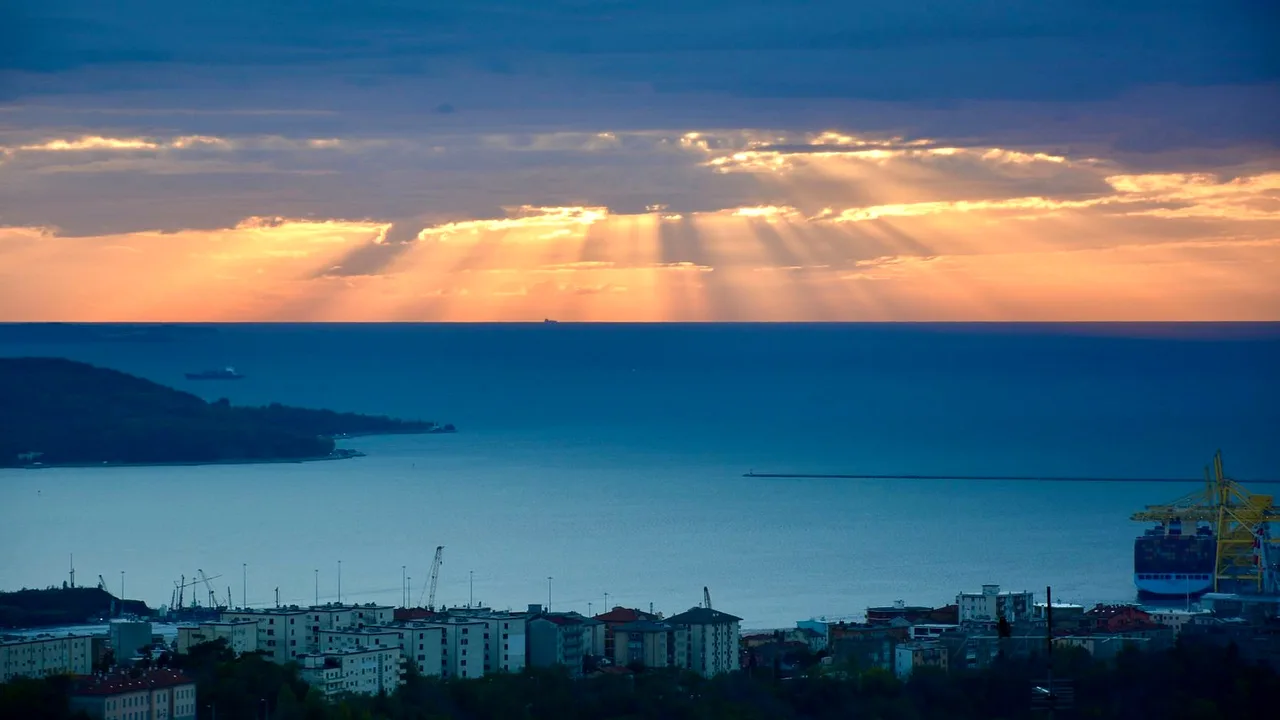
Trieste is a port town, and the waterfront splits between a working industrial stretch and a more scenic area closer to Piazza Venezia, where smaller boats and yachts moor. Across from Piazza Unità d'Italia, the Molo Audace promenade stretches about 300 metres into the sea, which makes it one of the best free walks in the city for harbour views and photographs according to the traveller account. It is a pier walk, not a paid excursion.
Swimming from the pier during warmer months is mentioned in traveller accounts, but it is not something to plan as a guaranteed free activity; conditions and norms are for you to judge on the spot. What the promenade reliably offers is a view back at the city's facades, and that alone justifies the walk. If you want a dedicated beach day, the Barcola Waterfront and Beaches guide covers that separately, and you should check locally what is free and what is not.
Museum Free-Entry Windows: Dated Offers, Not a Standing Policy
The tourism portal runs a dated events calendar, and its listings have included free-entry windows such as a period advertised for civic museums and a separate one for the Miramare museum. These appear as time-limited offers on particular dates rather than a permanent admission policy, so check the portal's current listings before planning a day around one. The city itself publishes notices through the Comune di Trieste, which is worth checking for civic museum announcements and any changes to access.
The trade-off is flexibility versus certainty. Free-entry windows can make a paid museum affordable, but they cluster on particular dates and often draw crowds, so a quiet paid morning may suit you better than a free crowded afternoon. Decide which you value more before you commit a day to one museum.
What Costs Money Nearby
Museum admission, castle interiors and exhibitions change in price and availability, so this guide does not quote figures; check the official tourism portal and each museum's own published information for current terms. A sensible framework is to pay for one interior that genuinely interests you and keep everything else outdoors and free. That way the free stops carry the day and the paid stop becomes the highlight rather than the budget.
Getting Around on Foot and by Bus
Walking is the cheapest way to move around central Trieste, and the free stops in this guide sit close enough to link on foot. For a Habsburg walk that keeps you outdoors and oriented, consider a self-guided route through the city's imperial-era streets as a free alternative to a paid tour. If your time is short, the Trieste 1 day itinerary shows how to fit the free stops together. For wider planning, see Trieste in One Day.
Do not count on a specific bus line or journey time from this guide; those details change and belong to the transport operator's own information. Treat any route you read elsewhere as a starting point and confirm it on arrival.
Where to Base Yourself for a Free-Focused Visit
The traveller account suggests staying near the Canal Grande area, which is within walking distance of the train station and close to restaurants and the sights above. That logic suits a free-focused trip too: base yourself centrally and you spend less on transport and more time on foot. Travellers describe Trieste as well connected and good value as a base.
If you have longer, a three-day base lets you spread the free stops across mornings and reserve afternoons for one paid interior or a day trip. Neighbouring Slovenia and the Karst region are within reach, though cross-border public transport is described as tricky and group tours as the simpler option. Build the plan around what you can walk to.
Suggested Walking Shapes for Half a Day or a Full Day
For a half day, link Piazza Unità d'Italia with the Roman Theatre exterior and the canal, all indoors-free stops you can walk between. With a full day, add the Molo Audace promenade in the late afternoon for the harbour light, and save any museum visit for a date when the tourism portal lists free entry or when you decide the paid ticket is worth it. Bookending the day with water, the square in the morning and the pier in the evening, gives the free stops a natural rhythm.
Plan Your Free Trieste Visit
Trieste rewards the traveller who walks slowly and looks closely. The square, the theatre exterior, the canal and the pier cover a satisfying day without a single ticket, and they leave room in the budget for one interior or a day trip if you want it. Check the official tourism portal for current museum free-entry dates before you rely on them, and confirm transport details locally.
Frequently Asked Questions
What can you do for free in Trieste?
The strongest free stops are the public spaces and outdoor sights: Piazza Unità d'Italia, the exterior of the Roman Theatre, the Canal Grande area and the Molo Audace promenade. Museum free-entry windows are advertised as dated offers on the tourism portal, so check current listings rather than assuming permanent free admission. Walking the centre costs nothing and is how most of these stops fit together.
Is the Roman Theatre in Trieste free to visit?
You can see the Roman Theatre from outside at no cost, and its original walls, columns and seating are visible from the street. Interior access is not confirmed by the sources used here, so plan the visit around the exterior view and treat any open doorway as a bonus. Check on the day if interior entry matters to you.
Are Trieste museums ever free?
The city tourism portal has advertised free-entry periods for civic museums and Miramare, but these appear as dated events rather than a standing policy. Before planning a day around one, check the portal's current listings for the dates, participating museums and any conditions. Admission terms can change, so confirm with the museum directly as well.
Is Trieste a walkable city?
Central Trieste is pedestrian-friendly, and the free stops in this guide sit close enough to link on foot. For longer hops, bus tickets are sold at street kiosks and validated on board according to traveller guidance, so buy before boarding. Journey times and specific lines change, so confirm them with the local transport operator on arrival.
How do you get to Miramare without a car?
Castello di Miramare sits outside the heart of the city, and traveller accounts describe reaching it by bus, with tickets bought in advance from newspaper kiosks. Specific lines and timings are not covered here because they change; check the local transport operator's information when you arrive. Museum and castle admission terms should be confirmed through official channels before you go.
Is Trieste worth visiting on a budget?
Yes, if you enjoy walking and public spaces more than ticking off ticketed sights. The square, the theatre exterior, the canal and the pier give a full day at no cost, and you can add one paid interior if it interests you. Keep costs predictable by checking museum free-entry dates and transport fares through official sources rather than third-party summaries.
Sources
Continue exploring
More guides you'll find useful