
Barcola Waterfront and Beaches Guide: Trieste's Seafront
Plan a day at Barcola in Trieste: the free coastal promenade, named bathing stretches like Topolini and Pineta, the long swim season and winter sunset walks.
On this page
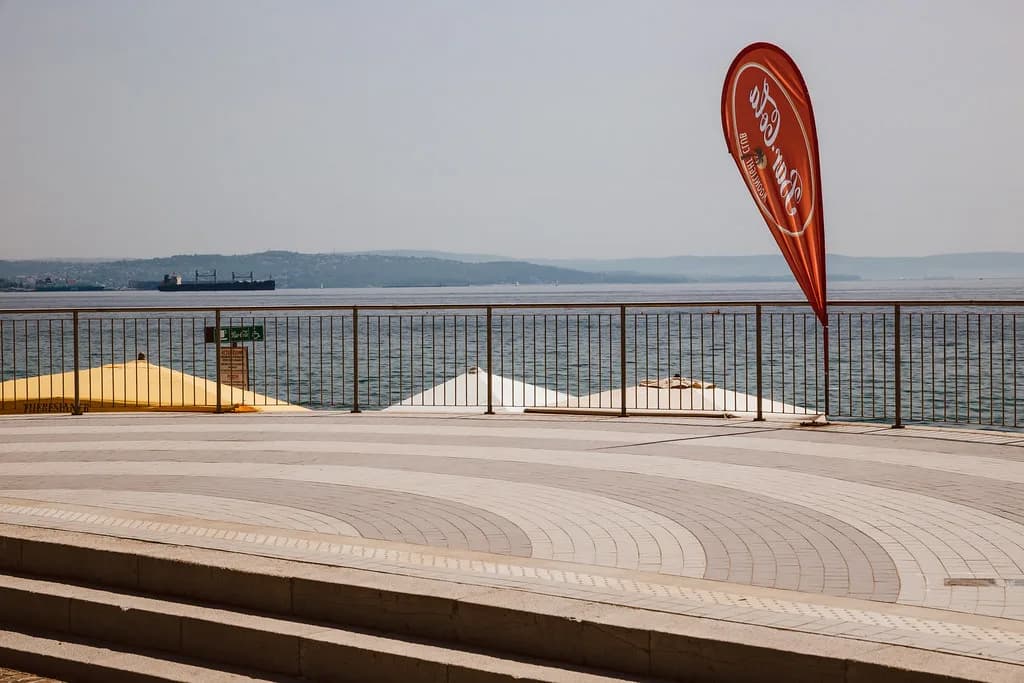
Barcola is where the panoramic coastal road delivers you into Trieste, and the first thing most visitors notice is how many people are in the water. This is not a resort strip but a residential maritime quarter, with a promenade, a string of named bathing spots and a long tradition of swimming whenever the weather allows. Understanding that distinction is the key to planning a good day here.
The waterfront is largely free and public, while a small number of paid bathing establishments offer a more serviced experience. The stretches along the shore each have their own name and character, from the Miramare crossroads to Marinella, California, Molo G, the famous Topolini and Pineta. Treat Barcola as a neighbourhood to walk, swim in and watch the city at leisure rather than an attraction with a single entrance.
Where Barcola Sits and How to Orient Yourself
Barcola occupies the coastal edge of Trieste, facing the Gulf of Trieste along Viale Miramare, the road that carries you in from the coastal route toward the city. The seafront runs as one long band, but it is made up of distinct stretches rather than a single beach. Orienting yourself by these names is far more useful than trying to find one central entrance.
The neighbourhood also holds a layer of history worth noticing as you walk. In Roman times this sheltered strip overlooking the sea was dotted with villas, and the upper classes built mansions here in the mid-1800s, some of which still line Viale Miramare. Among them is Casa Jakic, known locally as the onion house.
The promenade continues in the direction of Miramare, which makes Barcola easy to combine with a visit to the castle and its grounds. If you are building a wider sightseeing day, the Miramare Castle visitor guide explains what is ticketed and what is open to walk through, so you can judge how much time to leave at the coast.
The Free Waterfront and Its Named Bathing Stretches
The public waterfront is the heart of Barcola, and each section has its own name and following. Starting from the Miramare crossroads you pass Marinella, then California, Molo G, the Topolini platforms and Pineta. Knowing the names lets you choose a stretch that matches your mood instead of drifting to whichever part you happen to reach first.
Topolini is the most distinctive landmark, a set of ear-shaped platforms that has become a symbol of the neighbourhood. The rest of the strip works in a similar spirit: people arrive on foot, by bike or by scooter, settle wherever there is space and swim from the shore. There is no single ticket gate or formal entrance to navigate.
Because the waterfront is public, the experience is informal and self-managed. Bring what you need for a few hours by the water and expect to share the space with Triestini on their lunch breaks and after work. If you want a structure to plan the rest of your day around, the free things to do in Trieste guide pairs naturally with a morning or afternoon at the coast.
Free Public Bathing Versus Paid Stabilimenti
The main decision at Barcola is between the free public waterfront and a paid stabilimento. The public stretches cost nothing to use and reward flexibility: you choose your spot, stay as long as you like and move along the promenade whenever you fancy. The trade-off is that you carry your own kit and manage your own comfort.
Paid establishments such as Bagno Sirena offer a more organised alternative, but the organisers do not publish a single transparent comparison of what each one includes. Rather than guess at facilities, check directly with the establishment before you commit, especially if you are travelling with children or need a base for a full day. Prices, opening arrangements and what is included should be confirmed at the source rather than assumed from a guide.
As a rule of thumb, choose the free waterfront if you want a swim, a walk and a sunset without planning, and consider a stabilimento if you prefer a defined space and are willing to pay for it. Either way, base yourself in central Trieste rather than in Barcola itself, since accommodation in the neighbourhood is limited and the city has the wider choice of hotels and transport links.
Best for Families and Why the Position Matters
Barcola works well for families largely because of its geography. The promenade sits on a long strip of land that overlooks the sea but is protected from the bora, the strong wind that shapes so much of Trieste's weather. That shelter is why the waterfront remains usable on days when other exposed stretches would be unpleasant.
The Topolini platforms are the obvious draw for children, and the flat promenade makes it easy to walk between stretches with a buggy or a bag of beach gear. Families who want a calmer, more supervised setup can look into the paid establishments instead, but should confirm what is on offer for children before arriving. Note that lifeguard cover, accessibility and safety rules are not published in a consistent form, so ask locally if these matter to you.
The Long Season: April to October
Barcola's warm season is unusually generous. The city's own tourism portal describes it as starting in April and ending in October, with the beach busy as soon as the temperature allows and the sun is out. That long window means a visit in late spring or early autumn can still include a swim.
The habit here is casual rather than ceremonial. Triestini are known for keeping a sun lounger in the car or on the scooter, ready for a lunch break by the water, and the shoreline fills accordingly. In mid-October 2025, a warm spell still had locals and visitors swimming in the calm Adriatic and soaking up the sun along the Barcola waterfront.
Do not treat these months as fixed dates. Specific beach-season arrangements for 2026 are not published, so check the weather and the city's events pages close to your trip before planning a swim. The general pattern is reliable; the exact week you can swim is not.
Beyond Swimming: Winter Walks and Sunsets
Barcola is not only a summer destination. In winter the promenade becomes a place for long, evocative walks and for watching sunsets over the gulf, when the crowds thin and the light changes. If you are visiting Trieste outside the warm months, the seafront still earns a place in your itinerary.
Pairing a winter walk with the city centre is easy, since the waterfront is part of Trieste rather than a separate excursion. A compact plan works well: spend the morning in the centre, then take the coastal road or public transport out to Barcola for the late afternoon. The 1 day itinerary gives a structure you can adjust to leave room for the sea.
If the weather turns, the city's covered and indoor attractions are the natural fallback, and the hidden gems in Trieste guide points to corners that reward a slower look. Treat the waterfront as weather-dependent and keep a flexible second option ready.
Barcolana and the October Waterfront
Barcola gives its name to the Barcolana, the most crowded regatta in the Mediterranean, held every second Sunday of October since 1969 and organised by the Società Velica di Barcola e Grignano. When it takes over the gulf, the waterfront becomes a viewing area rather than a quiet swimming spot.
That matters for planning. If your trip coincides with the regatta, expect the coast to be busy and the atmosphere celebratory, and arrange your day around the event rather than against it. On other October weekends you may find the opposite: warm water, thinner crowds and the easy rhythm described by local reporting.
Confirm the exact edition dates with the organiser before booking travel, since the event is tied to a specific Sunday each year. A short walk along the promenade on a normal day gives a very different, much calmer impression of the neighbourhood.
Practical Planning: Transport, Base and Nearby Sights
Getting to Barcola is straightforward from central Trieste, with the coastal road and public transport both serving the seafront. Rather than rely on a guide for specific lines or journey times, check the city's official transport information on arrival, since services change with the season and with events.
Staying in central Trieste is the practical choice. Barcola functions mainly as a residential seaside quarter, and the best selection of hotels with full facilities is in the city, connected to the coast by frequent public transport. That arrangement also puts the cafés, museums and historic centre within walking distance of your base.
Combine Barcola with the sights that sit close by. Miramare is the obvious pairing, and the city's cultural stops fit neatly into the same day if you start early. The Trieste Synagogue guide is useful if you want to add a major monument before heading to the water.
Plan Your Visit
Barcola rewards a simple approach: choose a stretch of the free waterfront, bring what you need and let the long season do the rest. If you want a defined space, confirm the arrangements with a stabilimento directly rather than relying on second-hand descriptions. Either way, base yourself in Trieste and treat the seafront as part of the city rather than a separate trip.
Check the weather and the event calendar close to your dates, especially in October when Barcolana can transform the gulf, and keep a flexible plan for the day the bora blows. A morning swim, an afternoon walk toward Miramare and a sunset on the promenade make a complete day at Barcola without a single booking.
Frequently Asked Questions
Is Barcola beach free to visit?
The main waterfront and its named bathing stretches are public and free to use. Some paid bathing establishments operate along the coast, and you should confirm their arrangements directly if you want a serviced space.
What are the different beach areas at Barcola called?
Starting from the Miramare crossroads, the stretches include Marinella, California, Molo G, the ear-shaped Topolini platforms and Pineta. Each has its own character, and knowing the names helps you pick where to settle for the day.
Is Barcola good for families with children?
The flat promenade and the Topolini platforms make it easy to spend a family day by the water, and the sheltered position helps on windy days. Lifeguard cover and accessibility details are not consistently published, so ask locally if those matter to you.
When is the swimming season at Barcola?
The warm season is generally described as running from around April to October, with the waterfront busy whenever the sun is out. Specific 2026 season dates are not published, so check the weather before planning a swim.
Do you need to pay for a stabilimento at Barcola?
You do not need one, since the public waterfront is free and widely used. A stabilimento is an optional upgrade for people who prefer a defined space, and its current conditions should be confirmed with the operator.
How does Barcolana affect the Barcola waterfront?
The regatta is held on the second Sunday of October and brings crowds to the gulf, turning the waterfront into a viewing area. Plan around the event if your trip coincides with it, and confirm the exact date with the organiser.
Is Barcola worth visiting outside summer?
Yes. In winter the promenade becomes a route for long walks and sunset views, even when swimming is out of the question. It works well as a late-afternoon addition to a day in the city centre.
Sources
Continue exploring
More guides you'll find useful





